Content Menu
● What Is a HEPA Air Filter?
● Does Every Levoit Air Purifier Have a HEPA Filter?
● How Does a Levoit HEPA Air Purifier Work?
● Why HEPA Air Filters Matter
● Benefits of Using Levoit Air Purifiers
>> 1. Allergen Reduction
>> 2. Odor and Pollution Control
>> 3. Noise-Free Operation
>> 4. Smart and Energy-Efficient
>> 5. Easy Maintenance
● HEPA Air Filter Grades: H10 to H14
● Comparing Levoit to Other Brands
● How Often Should You Replace a HEPA Air Filter?
● Environmental Impact and Sustainability
● Using HEPA Filtration Beyond Homes
● Conclusion
● FAQ
>> 1. What type of HEPA Air Filter does Levoit use?
>> 2. How often should I replace the Levoit HEPA Filter?
>> 3. Can Levoit filters remove viruses or bacteria?
>> 4. Are HEPA Air Filters washable or reusable?
>> 5. What's the difference between HEPA and H13 HEPA?
In today's world, clean indoor air is no longer a luxury – it's a necessity. From homes and offices to laboratories and pharmaceutical manufacturing environments, the quality of air we breathe directly impacts our health, comfort, and productivity. Many brands claim to deliver advanced purification performance, but Levoit air purifiers have gained a special reputation among consumers for their effective design and technology.
One question often asked by buyers and facility managers alike is: “Does the Levoit Air Purifier have a HEPA filter?” The short answer is yes – most Levoit air purifiers are equipped with a True HEPA Air Filter, designed to trap microscopic contaminants and improve air purity levels significantly. However, to fully appreciate what makes these devices stand out, let's explore their technology, performance, and how HEPA filtration works in detail.
What Is a HEPA Air Filter?
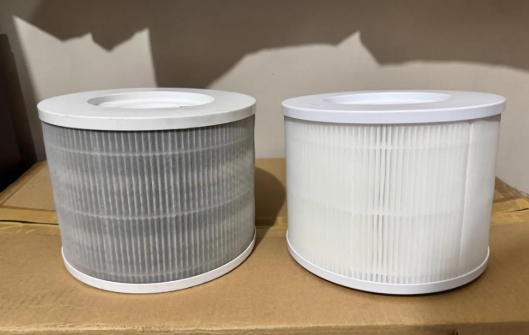
Before diving into the features of Levoit devices, it's important to understand what a HEPA Air Filter actually is. HEPA stands for High-Efficiency Particulate Air. A HEPA Air Filter must meet strict performance standards set by organizations such as the U.S. Department of Energy. To qualify as true HEPA, a filter must capture at least 99.97% of airborne particles as small as 0.3 microns, including dust, pollen, smoke, bacteria, and even some viruses.
The structure of a HEPA Air Filter consists of fine glass fibers arranged in a dense, randomly woven mat. These fibers trap contaminants through mechanisms like interception, impaction, and diffusion. As air passes through the filter, larger particles collide directly with the fibers, while smaller ones get trapped through diffusion due to their random movement in the airflow.
This principle of mechanical filtration makes HEPA filters powerful tools in environments where cleanliness is crucial — from residential bedrooms to pharmaceutical production rooms and sterile laboratory spaces.
Does Every Levoit Air Purifier Have a HEPA Filter?
Levoit, a California-based brand under VeSync Co., Ltd., has built its reputation around compact, stylish, and efficient air purifiers for both home and professional use. Almost all major models of Levoit Air Purifiers feature True HEPA Air Filters or higher.
Some of Levoit's well-known models include:
- Levoit Core 300 — One of the bestsellers designed for home use. It uses a 3-stage filtration system that includes a Pre-Filter, a True HEPA Filter, and an Activated Carbon Filter.
- Levoit Core 400S — Equipped with a larger HEPA filter and a smart control system for real-time air quality monitoring.
- Levoit Core 600S — Suitable for large rooms or open spaces; it uses a powerful True HEPA Air Filter capable of delivering high CADR (Clean Air Delivery Rate).
- Levoit Vital 200S and Levoit LV-H134 — Designed for spacious environments, featuring high air flow capacity and longer filter lifespans.
Every model in the Core and Vital series relies on a HEPA Air Filter for its main purification stage. However, certain specialized versions may come with an upgraded H13 or H14 HEPA filter, which provides even higher filtration efficiency. These advanced filters are often found in devices used in hospitals or pharmaceutical labs where ultra-pure air is required.
How Does a Levoit HEPA Air Purifier Work?
Levoit Air Purifiers combine mechanical filtration with intelligent airflow management. Their typical filtration system includes three layers:
1. Pre-Filter: Captures large particles such as pet hair, lint, and dust. This stage extends the life of the HEPA filter.
2. True HEPA Air Filter: Traps microparticles down to 0.3 microns — including allergens, bacteria, mold spores, and smoke.
3. Activated Carbon Filter: Removes harmful gases, odors, and volatile organic compounds (VOCs) from the air.
Some models also feature smart sensors that track indoor air quality and automatically adjust fan speed to maintain ideal conditions. Others are compatible with mobile apps for remote monitoring and scheduling.
By circulating the air several times per hour, Levoit devices ensure continuous purification — a principle that's also essential in pharmaceutical environments where air must remain sterile and particulate-free for processes like liquid filling, sealing, and sterilization lines.
Why HEPA Air Filters Matter
The importance of a HEPA Air Filter goes far beyond simple dust removal. Modern indoor environments contain multiple types of contaminants, including:
- Fine particulate matter (PM2.5 and smaller)
- Microorganisms such as bacteria and mold spores
- Aerosolized droplets carrying viruses
- Industrial fumes or volatile chemicals
- Allergens like pollen and pet dander
In home settings, HEPA filtration improves breathing comfort and reduces allergy symptoms. But in industrial or pharmaceutical setups, these filters are essential for meeting Good Manufacturing Practice (GMP) and cleanroom classification standards, ensuring that no airborne pollutants compromise product safety.
For example, Everheal's pharmaceutical-grade systems — including pure steam generators, water purification units, and sterilization equipment — rely on HEPA Air Filters within their controlled environments to maintain validated cleanliness levels during equipment operation.
Benefits of Using Levoit Air Purifiers
When it comes to household and light commercial applications, Levoit Air Purifiers with HEPA filters provide several clear benefits:
1. Allergen Reduction
HEPA Air Filters significantly reduce airborne allergens such as pollen, pet dander, and dust mites. Regular use helps improve respiratory comfort for people with asthma or seasonal sensitivities.
2. Odor and Pollution Control
The addition of an activated carbon layer eliminates lingering odors from cooking, smoking, or chemical cleaning agents. This dual system creates fresher indoor environments without artificial fragrances.
3. Noise-Free Operation
Levoit purifiers are engineered for quiet use. Even powerful models maintain ultra-low noise levels suitable for bedrooms, laboratories, or hospital isolation rooms.
4. Smart and Energy-Efficient
Many Levoit purifiers integrate auto mode features that adjust performance based on detected pollutant levels, maximizing energy efficiency while maintaining healthy air quality.
5. Easy Maintenance
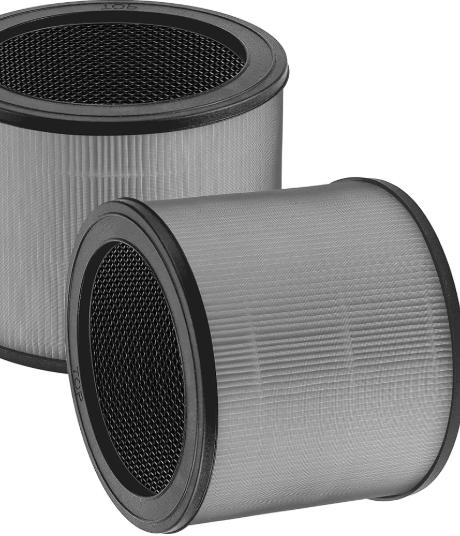
Replacing or cleaning filters is easy and cost-effective. The brand offers replacement HEPA Air Filter cartridges that are widely available online and through authorized distributors.
HEPA Air Filter Grades: H10 to H14
HEPA filters are categorized based on their efficiency ratings:
| Grade | Filtration Efficiency | Common Applications |
| H10 | 85% | Basic household filtration |
| H11 | 95% | General commercial use |
| H12 | 99.5% | Hospitals and labs |
| H13 | 99.97% | Cleanrooms and pharmaceutical facilities |
| H14 | 99.995% | Critical contamination control environments |
Most Levoit purifiers use H13-grade HEPA Air Filters, which are highly efficient for everyday environments and meet global air purification standards.
Comparing Levoit to Other Brands
While several competitors like Dyson, Honeywell, and Blueair also utilize HEPA filtration, Levoit stands out in several areas:
- Cost-efficiency: Offers premium-grade HEPA purification at a more affordable price point.
- Compact design: Ideal for smaller spaces without compromising airflow.
- Smart control integration: Voice control via Alexa or mobile apps provides convenience.
- Quiet performance: Consistently ranks among the quietest models in consumer reviews.
For pharmaceutical applications, industrial-scale HEPA filtration would typically require centralized HVAC integration, but Levoit's technology reflects the same high-efficiency standards in consumer form.
How Often Should You Replace a HEPA Air Filter?
Filter replacement frequency depends on environmental conditions and usage intensity. On average:
- In typical residential environments, replace the HEPA Air Filter every 6–8 months.
- In industrial, laboratory, or pharmaceutical environments, replacement schedules may be shortened to 3–4 months due to higher particulate loads.
Always check for visible signs like discoloration or reduced airflow. Using smart models with filter replacement notifications helps prevent air quality deterioration.
Environmental Impact and Sustainability
Levoit also emphasizes sustainability by designing filters and units that are energy-efficient and recyclable. Their HEPA Air Filters are designed with non-toxic materials and long lifespans, reducing waste generation.
Compared to older filtration technologies that required high power or large mechanical systems, the Levoit approach offers a low-energy, high-performance solution for modern air quality management.
In pharmaceutical manufacturing, this approach aligns with eco-friendly facility planning — a service offered by professional solution providers like Everheal, who integrate sterile equipment and purified air systems seamlessly within production plants.
Using HEPA Filtration Beyond Homes
Although Levoit targets households and offices, HEPA technology is also integral in far more advanced industries. In pharmaceutical production lines, air filtration systems ensure clean environments for sensitive operations such as:
- Pure steam generation and distribution
- Distilled water production
- Liquid filling and sealing machines
- Sterilization and decontamination processes
Understanding how HEPA Air Filters operate across both consumer and industrial contexts helps users appreciate their reliability and standard-setting performance.
Conclusion
So, does the Levoit Air Purifier have a HEPA Filter? Absolutely. Every major Levoit model integrates a True HEPA Air Filter, specifically engineered to remove microscopic pollutants and deliver consistently clean, safe air.
Whether you're using one in your bedroom, office, laboratory, or pharmaceutical facility, the advantages remain clear — efficient particle capture, odor reduction, smart air control, and long-term air quality assurance. The HEPA filtration system is not just a feature; it's the backbone of Levoit's performance and reliability promise.
For facilities or businesses concerned with sterile environments, air systems with HEPA filtration — like those employed in Everheal's pharmaceutical purification solutions — serve as the industry benchmark for cleanliness, quality, and safety.
FAQ
1. What type of HEPA Air Filter does Levoit use?
Levoit uses True HEPA H13 filters, capable of capturing 99.97% of fine particles as small as 0.3 microns, including dust, smoke, and bacteria.
2. How often should I replace the Levoit HEPA Filter?
Typically, once every 6–8 months for home use. If used in heavy-pollution environments or laboratories, more frequent replacement might be necessary.
3. Can Levoit filters remove viruses or bacteria?
Yes, while HEPA filters trap airborne bacteria and some viral particles, they don't kill them. For complete sterilization, UV or steam-based systems (like those used in pharmaceutical equipment) are recommended.
4. Are HEPA Air Filters washable or reusable?
No. True HEPA filters are not washable because water damages their fiber structure. Instead, replace them as recommended.
5. What's the difference between HEPA and H13 HEPA?
Standard HEPA filters capture 99.97% of 0.3-micron particles, while H13 filters are medical-grade, offering even higher efficiency suitable for cleanroom-level purification.


