Content Menu
● Understanding HEPA Air Filter Technology
>> Key Features of HEPA Air Filters
● The Blueair Filtration System Explained
>> HEPASilent™ Technology
● Does Blue Air Purifier Really Have a HEPA Filter?
>> Comparison: Blueair HEPASilent vs. HEPA Air Filter
● Why HEPA Air Filters Matter in Air Purification
● Key Benefits of Blueair Air Purifiers
>> 1. Medical-Grade Filtration
>> 2. Whisper-Quiet Operation
>> 3. Energy Efficiency
>> 4. Long Filter Lifespan
>> 5. Smart Controls and Design
● Can Blueair Purifiers Be Used in Pharmaceutical Environments?
● Maintenance of Blueair Filters
● Factors to Consider Before Buying a Blueair Purifier
● Conclusion
● FAQ
>> 1. What is the difference between HEPA and HEPASilent filters?
>> 2. Does Blueair meet HEPA certification standards?
>> 3. How often should I replace Blueair filters?
>> 4. Can Blueair purifiers remove viruses and bacteria?
>> 5. Are Blueair purifiers suitable for industrial or pharmaceutical use?
When it comes to indoor air quality, HEPA Air Filters are widely recognized as the gold standard for trapping airborne particles, allergens, and microorganisms. Among various brands in the air purification market, Blueair stands out for its innovative design and advanced filtration technologies. Many consumers wonder: Does the Blue Air Purifier have a HEPA filter? The answer is both yes and no—depending on how you define a HEPA filter. Blueair's devices use a proprietary filtering technology that performs at—or beyond—the efficiency level of a traditional HEPA Air Filter but uses a different structural design and mechanism.
In this article, we will unpack how Blueair purifiers work, compare their filtration performance to a standard HEPA Air Filter, and help you decide whether these purifiers are the right fit for your home, lab, or industrial application.
Understanding HEPA Air Filter Technology
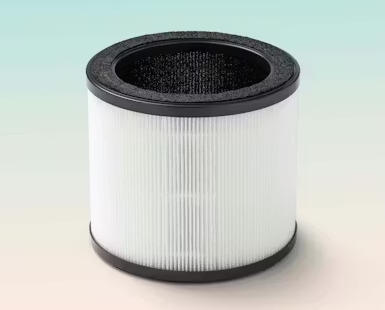
A High Efficiency Particulate Air (HEPA) filter is a mechanical filter that traps at least 99.97% of airborne particles as small as 0.3 microns. These filters typically consist of layers of ultra-fine glass fibers arranged in a dense mat pattern. HEPA Air Filters are capable of capturing dust, pollen, mold spores, pet dander, and even bacteria.
Key Features of HEPA Air Filters
- Traps airborne particles of 0.3 microns or larger with 99.97% efficiency.
- Operates through diffusion, interception, and impaction mechanisms.
- Requires periodic replacement to maintain efficiency.
- Used in cleanrooms, hospitals, and pharmaceutical facilities.
In pharmaceutical production environments, such as those involving pure water preparation systems, sterilizers, or filling and sealing machines, HEPA Air Filters are critical to ensure particulate-free, contamination-free air conditions.
The Blueair Filtration System Explained
HEPASilent™ Technology
Unlike traditional purifiers that strictly use HEPA filtration, Blueair employs a hybrid approach known as HEPASilent™ technology. This system combines mechanical and electrostatic filtration, allowing it to perform as efficiently—or even better—than conventional HEPA filters while operating more quietly.
Here's how it works:
1. Electrostatic charging: Blueair purifiers ionize airborne particles, giving them an electrical charge.
2. Mechanical trapping: The charged particles are then attracted to and trapped by a filter media that is less dense than traditional HEPA fiber mats.
3. High efficiency, low noise: Because of the less dense structure, air moves more freely, reducing fan noise and energy consumption.
Blueair claims that its HEPASilent™ filters can remove 99.97% of airborne particles down to 0.1 microns, which actually surpasses the size threshold of standard HEPA Air Filter specifications.
Does Blue Air Purifier Really Have a HEPA Filter?
Technically, Blueair does not use a "true HEPA" filter in the legal or ANSI/DOE-certified sense. Instead, it uses filter cartridges that achieve HEPA-grade performance through its proprietary technology. So, while it doesn't carry the label "True HEPA," its particle removal efficiency meets or exceeds HEPA standards.
Comparison: Blueair HEPASilent vs. HEPA Air Filter
| Feature | Traditional HEPA Air Filter | Blueair HEPASilent Filter |
| Filtration Efficiency | 99.97% @ 0.3 microns | 99.97% @ 0.1 microns |
| Filtration Mechanism | Mechanical only | Electrostatic + Mechanical |
| Energy Consumption | Moderate to high | Low |
| Noise Level | Moderate | Very low |
| Maintenance Frequency | Regular replacement | Slightly longer lifespan |
| Certifications | Certified HEPA (ANSI/DOE standard) | Equivalent to HEPA performance |
For most households, offices, or clean manufacturing labs, the HEPASilent™ system provides equivalent protection to a HEPA Air Filter while maintaining greater efficiency and quieter operation.
Why HEPA Air Filters Matter in Air Purification
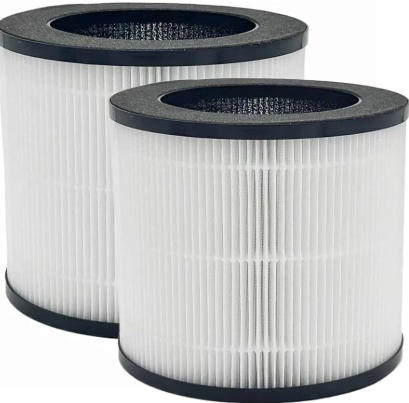
The primary function of an air purifier—whether using a HEPA or hybrid system—is to remove harmful particles that affect air quality and health. A genuine HEPA Air Filter can trap:
- Fine dust and smoke particles.
- Allergens like pollen or pet dander.
- Molds and fungal spores.
- Bacteria and some viruses.
Blueair's technology maintains the beneficial effects of HEPA filtration—ensuring superior air cleanliness—making it an excellent fit for industrial cleanrooms, pharmaceutical facilities, or high-precision electronics manufacturing, where sterile conditions are essential.
Key Benefits of Blueair Air Purifiers
1. Medical-Grade Filtration
Although the filters don't carry the “True HEPA” label, their performance rivals or surpasses HEPA Air Filter standards by capturing 99.97% of airborne particles, including microscopic contaminants critical to sensitive environments.
2. Whisper-Quiet Operation
Blueair units operate far more quietly than most HEPA purifiers due to their advanced electrostatic-activated fiber design. This makes them ideal for bedrooms, laboratories, and pharmaceutical testing areas.
3. Energy Efficiency
The lower-density filter media reduces pressure drop, meaning the unit requires less fan power. Combined with smart sensors, Blueair's technology ensures optimized purification with minimal electricity use.
4. Long Filter Lifespan
Since the electrostatic component assists mechanical capture, Blueair filters tend to last slightly longer before needing replacement—reducing maintenance costs in continuous operations like production plants.
5. Smart Controls and Design
Many Blueair models come with Wi-Fi connectivity, auto mode, and real-time air quality sensors, offering intuitive management for industrial and commercial facilities.
Can Blueair Purifiers Be Used in Pharmaceutical Environments?
Yes, under specific conditions. While Blueair devices are primarily designed for residential and commercial environments, their HEPASilent technology can maintain clean air conditions suitable for supporting regulated spaces. However, for *critical* pharmaceutical or aseptic production environments, certified HEPA Air Filter systems integrated into HVAC or cleanroom filtration units remain mandatory for GMP compliance.
For non-critical spaces like administrative offices, packaging areas, or R&D labs within a pharmaceutical facility, Blueair purifiers can complement existing air quality systems effectively.
Maintenance of Blueair Filters
Like all air purifiers, Blueair filters require periodic maintenance. To maintain optimal purification:
1. Replace filters every 6–12 months depending on use intensity.
2. Clean pre-filters regularly to ensure airflow.
3. Monitor LED indicators or app notifications for replacement alerts.
4. Use only certified Blueair replacement filters to maintain performance equivalent to HEPA Air Filter standards.
Proper filter maintenance ensures consistent protection and maximizes the purifier's operational life.
Factors to Consider Before Buying a Blueair Purifier
- Room Size: Ensure the unit's CADR (Clean Air Delivery Rate) matches your space.
- Noise Level: For 24-hour use, select models with quiet operation modes.
- Replacement Cost: HEPA-grade filters can be an ongoing expense; factor this into your budget.
- Application Environment: For industrial use, confirm environmental and compliance requirements.
Conclusion
To answer the main question—Does Blue Air Purifier have a HEPA filter?—the truthful explanation is that Blueair does not use a *traditional* or *certified HEPA Air Filter*, but its HEPASilent™ technology achieves and often exceeds HEPA-level purification performance. These purifiers provide clean, allergen-free air while consuming less energy and producing less noise, making them well-suited for both residential and commercial operations.
For pharmaceutical or manufacturing facilities that require ultimate air purity and contamination control, Blueair's system can serve as a reliable complementary solution to certified HEPA-based HVAC systems.
Whether for your home, your laboratory, or a high-precision pharmaceutical environment, Blueair purifiers deliver HEPA-level air purification with advanced efficiency and sleek design.
FAQ
1. What is the difference between HEPA and HEPASilent filters?
HEPA filters use only mechanical filtration, while HEPASilent combines electrostatic and mechanical filtration. Blueair's HEPASilent system offers equal or higher performance than traditional HEPA Air Filters with reduced noise.
2. Does Blueair meet HEPA certification standards?
Blueair filters are not officially certified as “True HEPA,” but their filtration efficiency meets or exceeds HEPA requirements by capturing 99.97% of particles as small as 0.1 microns.
3. How often should I replace Blueair filters?
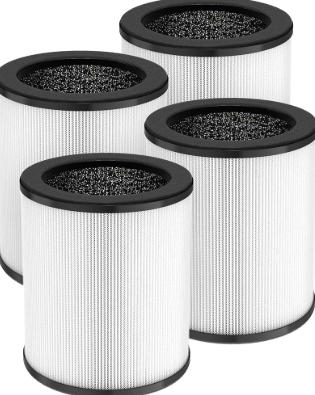
Generally, Blueair filters should be replaced every 6 to 12 months depending on usage and air quality conditions to maintain HEPA Air Filter-level performance.
4. Can Blueair purifiers remove viruses and bacteria?
Yes. The electrostatic charging process helps neutralize airborne pathogens, allowing the system to capture viruses and bacteria similar to a standard HEPA Air Filter.
5. Are Blueair purifiers suitable for industrial or pharmaceutical use?
While not designed for critical cleanroom environments, Blueair purifiers can maintain excellent air purity in supportive areas, offices, or preparation zones in pharmaceutical facilities.


