Content Menu
● What Is a CPAP Machine and Why Water Matters
● What Is Distilled Water?
● Why Distilled Water Is Recommended for CPAP Machines
>> 1. Prevents Mineral Deposits
>> 2. Protects Your CPAP Equipment
>> 3. Ensures Hygienic Airflow
>> 4. Reduces Cleaning Frequency
● How Distilled Water Is Made: The Role of a Distillation Water Machine
>> Boiling and Vaporization
>> Cooling and Condensation
>> Storage and Distribution
● Can You Use Tap Water Instead?
● What About Bottled or Filtered Water?
● Benefits of Using Distilled Water from a Professional Source
● What Happens if You Accidentally Use Non-Distilled Water?
● How to Store and Handle Distilled Water for CPAP
● Alternatives When Distilled Water Is Unavailable
● Why Everheal Is a Trusted Manufacturer
● Conclusion
● FAQ
>> 1. What happens if I use tap water in my CPAP?
>> 2. How often should I refill my CPAP humidifier?
>> 3. Can I make distilled water myself at home?
>> 4. What's the difference between distilled and deionized water?
>> 5. How long does distilled water last?
Clean, high-quality water is essential when using a CPAP (Continuous Positive Airway Pressure) machine. It ensures optimal respiratory therapy performance and protects your equipment from damage. One of the most common questions new users ask is: “Do you really need distilled water for your CPAP machine?”
This article explores why distilled water is recommended, how it's produced (especially by a Distillation Water Machine), and what alternatives you may or may not use.
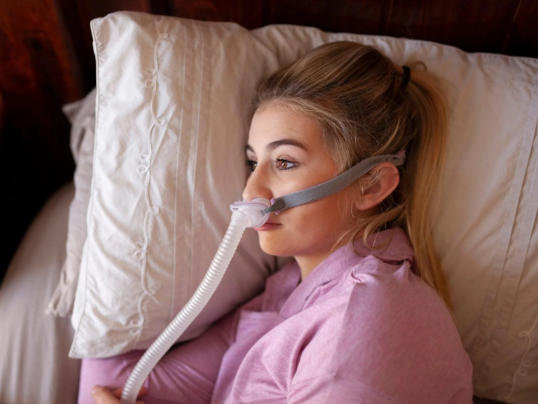
What Is a CPAP Machine and Why Water Matters
A CPAP machine delivers a constant stream of air to keep airways open during sleep, primarily for patients with obstructive sleep apnea. The water in the machine's humidifier chamber provides necessary moisture, preventing dryness in the nose, throat, and lungs.
However, not all water is created equal. Using the wrong kind of water can cause mineral buildup, microbial contamination, or even shorten your CPAP machine's lifespan. That's why distilled water is the gold standard for CPAP humidification.
What Is Distilled Water?
Distilled water is purified water obtained through the process of distillation, where water is boiled into steam and then condensed back into a liquid. This removes impurities, minerals, salts, and organic contaminants, leaving behind ultra-pure water.
The process is typically carried out using industrial or medical-grade Distillation Water Machines — like those designed by Everheal's pharmaceutical equipment range. These machines ensure that the water produced meets stringent purity standards suitable for both pharmaceutical applications and medical care devices like CPAP systems.
Why Distilled Water Is Recommended for CPAP Machines
1. Prevents Mineral Deposits
Tap water, even if filtered, usually contains minerals such as calcium, magnesium, and sodium. When used in a CPAP humidifier, these minerals can leave behind white, chalky residue. Over time, this leads to scaling that can block water lines or reduce the effectiveness of the humidifier.
Using distilled water prevents such deposits because it is completely free of dissolved minerals.
2. Protects Your CPAP Equipment
CPAP machines are delicate devices that rely on consistent airflow and clean humidity. Using untreated water can damage the machine's internal components. A Distillation Water Machine ensures that your water source is perfectly clean, preventing long-term wear and extending equipment life.
3. Ensures Hygienic Airflow
Any impurities in the humidifier water—like bacteria or organic matter—can turn into airborne contaminants during operation. Over time, these pollutants might irritate the respiratory tract or cause infection. Distilled water eliminates this health risk, ensuring every breath remains clean and safe.
4. Reduces Cleaning Frequency
Because distilled water contains no residue-forming minerals, your humidifier chamber stays cleaner for longer. That means less frequent deep-cleaning and reduced time spent maintaining your medical equipment.
How Distilled Water Is Made: The Role of a Distillation Water Machine
To understand why distilled water is superior, let's take a closer look at how it's produced.
Boiling and Vaporization
Water is heated to its boiling point in a Distillation Water Machine, generating steam. This phase change leaves behind heavy metals, salts, and impurities that cannot vaporize.
Cooling and Condensation
The steam passes through a cooling condenser, where it returns to liquid form. During this step, pure water droplets are collected, completely free of contaminants.
Storage and Distribution
The freshly distilled water is then stored in sterile tanks or conveyed directly to the usage point. High-grade Distillation Water Machines like those designed by Everheal use pharmaceutical-level stainless steel and automatic control systems to ensure purity retention throughout the process.
This scientific process guarantees that the resulting distilled water is clean enough not just for CPAP machines, but for laboratory, pharmaceutical, and medical environments.
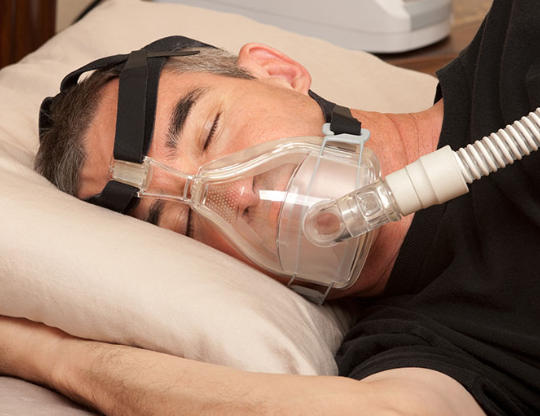
Can You Use Tap Water Instead?
Technically, you can use tap water in your CPAP device, but it's not advisable. Most tap water contains chlorine, minerals, and sometimes microorganisms. When heated in the humidifier tank, tap water minerals form scale deposits, while organic matter encourages bacterial growth.
These issues may not immediately damage your CPAP, but over weeks or months, your device's performance will degrade, and potential health risks may increase. In contrast, distilled water produced by a Distillation Water Machine offers consistent purity, preserving both hygiene and hardware.
What About Bottled or Filtered Water?
Many users think filtered or bottled water can replace distilled water in CPAPs. However, there's a difference:
- Filtered water only removes larger particles and chlorine but retains dissolved minerals.
- Bottled water may claim to be purified or spring water, yet it often includes natural minerals to improve taste — undesirable for CPAPs.
Unless the label specifically says “distilled water,” it should not be used in place of genuine distilled water.
Benefits of Using Distilled Water from a Professional Source
When sourcing distilled water, choosing a supplier that uses medical-grade Distillation Water Machines ensures outstanding quality. Companies like Everheal design professional water distillation systems that meet international pharmaceutical standards, offering numerous advantages:
- Consistent water purity for CPAP and other medical uses.
- Stainless steel construction resistant to corrosion and contamination.
- Automated control systems to maintain steady temperature and purity.
- Scalable production capacity — suitable for hospitals, clinics, and personal users.
Everheal's expertise in purified water systems guarantees that every drop of distilled water meets or exceeds international medical water quality benchmarks.
What Happens if You Accidentally Use Non-Distilled Water?
If you accidentally use tap or mineral water once, don't panic. Simply empty the humidifier reservoir, rinse thoroughly with distilled water, and refill it. However, continuous use of non-distilled water will cause issues like:
- Mineral buildup inside the humidifier tank.
- Cloudiness or discoloration of the water chamber.
- Scaling on the heating plate.
- Foul odor caused by bacterial or mold contamination.
- Shortened CPAP machine lifespan.
To restore optimal hygiene and function, always switch back to distilled water produced via a reliable Distillation Water Machine as soon as possible.
How to Store and Handle Distilled Water for CPAP
Proper storage prevents recontamination and ensures the water remains pure:
1. Use clean, sealed containers — ideally glass or medical-grade plastic.
2. Keep away from sunlight and heat to avoid algae or microbial growth.
3. Label containers clearly if you produce distilled water on-site.
4. Refill your CPAP daily with fresh water instead of topping up the old one.
5. Do not add chemicals or essential oils, as they can damage the machine.
Following these practices ensures your CPAP performs at maximum efficiency and provides safe, clean air every night.
Alternatives When Distilled Water Is Unavailable
If you run out of distilled water temporarily, it's better to use sterile water from pharmacies rather than tap or mineral water. Boiled water that has cooled down can serve in emergencies, but it's not truly distilled — boiling removes microbes, not minerals.
To prevent shortages, consider investing in a compact Distillation Water Machine at home, which provides a reliable daily supply of pure water not only for CPAP but also for humidifiers, medical cleaning, and drinking (after appropriate mineralization).
Why Everheal Is a Trusted Manufacturer
Everheal is a China-based company specializing in pharmaceutical equipment manufacturing, including pure water preparation systems, pure steam generators, multi-effect water distillers, and sterilization systems.
Our Distillation Water Machines are engineered for compliance with global pharmacopeia standards (such as USP, EP, and GMP), ensuring every drop of produced water is ultra-pure. By applying our advanced distillation technology, both industrial users and healthcare professionals enjoy sustainable and consistent-quality water across varied applications — from hospital humidifiers to automated filling systems.
Everheal supports global clients with custom factory layout planning and production line construction solutions, creating end-to-end purified water setups tailored for medical and pharmaceutical purposes.
Conclusion
Using distilled water in your CPAP machine isn't just a recommendation — it's an essential practice for maintaining equipment integrity, ensuring user safety, and achieving the most effective sleep therapy results. While alternatives like bottled or filtered water may seem convenient, they carry long-term risks of residue buildup and bacterial contamination.
By leveraging a high-quality Distillation Water Machine, such as those developed by Everheal, users and healthcare facilities can produce or source ultra-pure distilled water efficiently and economically. Clean water ensures clean air — and in CPAP therapy, that makes all the difference.
FAQ
1. What happens if I use tap water in my CPAP?
Tap water introduces minerals and impurities that cause scaling and potential bacterial growth. Over time, it damages the device and can affect the quality of the humidified air you breathe.
2. How often should I refill my CPAP humidifier?
Refill the chamber daily with fresh distilled water. Always empty leftover water in the morning to prevent bacterial buildup.
3. Can I make distilled water myself at home?
Yes. You can use a Distillation Water Machine to produce distilled water safely and easily. It's a cost-effective solution for users who rely on CPAP therapy regularly.
4. What's the difference between distilled and deionized water?
Distilled water is produced by boiling and condensing vapor, while deionized water removes ions through chemical resins. For CPAP use, distilled water is preferred because it's free from both minerals and organic contaminants.
5. How long does distilled water last?
Unopened distilled water can last for 6–12 months. Once opened, store it in a clean, closed container and use it within a few weeks to maintain purity.


