Content Menu
● Understanding CPAP Machines and Their Function
● Why Distilled Water Is Required for CPAP Machines
>> 1. Purity and Absence of Minerals
>> 2. Protecting CPAP Equipment
>> 3. Health and Safety Benefits
● The Role of Distillation Water Machines
>> How a Distillation Water Machine Works
>> Industrial and Medical Applications
● Distilled Water vs. Other Water Types
● How to Care for Your CPAP Humidifier
● Can You Use Other Types of Water in an Emergency?
● How CPAP Water Relates to Pharmaceutical Systems
● Environmental and Economic Considerations
● Global Standards and Water Quality in Medical Devices
● Tips for Storing and Handling Distilled Water
● Future Trends in Distilled Water Use
● Conclusion
● FAQ
>> 1. Can I use tap water in my CPAP machine?
>> 2. What happens if I use non-distilled water occasionally?
>> 3. Can I make my own distilled water at home?
>> 4. Is distilled water safe to drink?
>> 5. How long can I store distilled water?
Continuous Positive Airway Pressure (CPAP) machines have become an essential medical device for millions of people diagnosed with sleep apnea. These machines help maintain consistent airflow during sleep, preventing breathing interruptions. Yet, one of the most frequently asked questions about CPAP use is: Do CPAP machines use distilled water?
The short answer is yes — CPAP machines are designed to use distilled water to ensure optimal performance and user health. However, to truly understand why distilled water is essential, it's important to explore the reasoning behind this preference, the role of a Distillation Water Machine in producing it, and how this connects to the broader pharmaceutical and medical equipment industry.
Understanding CPAP Machines and Their Function
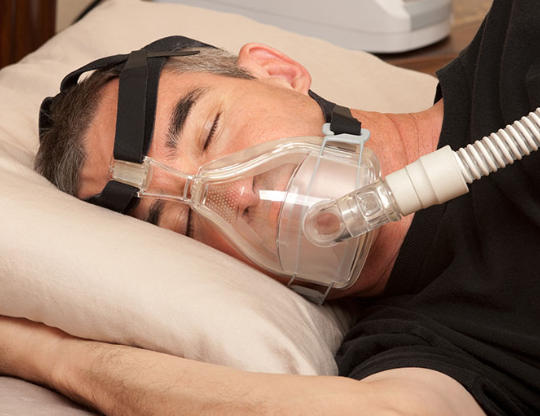
A CPAP machine delivers a steady stream of pressurized air through a mask to keep the airways open during sleep. Since the air can often feel dry and uncomfortable, most CPAP systems are equipped with a humidifier chamber. This chamber holds water that is converted into moisture, which helps prevent dryness in the throat and nasal passages.
The type of water used in this humidifier, however, plays a major role in the safety and longevity of the equipment.
Why Distilled Water Is Required for CPAP Machines
1. Purity and Absence of Minerals
Distilled water is the purest form of water, free from minerals, chemicals, and biological contaminants. It is produced through a process called distillation, in which water is boiled to generate steam and then condensed back into liquid form using a Distillation Water Machine.
This process removes:
- Calcium and magnesium (which cause scaling)
- Iron and manganese (which lead to discoloration)
- Chlorine and other chemical additives
- Microorganisms and organic residues
Because of this high purity level, distilled water ensures that no mineral deposits build up inside the humidifier chamber or the CPAP device.
2. Protecting CPAP Equipment
Regular tap water, even in small amounts, contains dissolved minerals. Over time, these minerals form white residue or scale on the heating plate and internal components of a CPAP humidifier. This buildup can impair the machine's performance, promote bacterial growth, and reduce the lifespan of the equipment.
By contrast, distilled water leaves no residue. Using water made by a Distillation Water Machine helps preserve the humidifier chamber, heater plate, and connecting tubes.
3. Health and Safety Benefits
Using non-distilled water in a CPAP humidifier can lead to the formation of bacteria and mold, which can then be inhaled during sleep. This can cause respiratory irritation and infections. Distilled water prevents such risks by eliminating contaminants and ensuring clean, sterile humidity delivery.
The Role of Distillation Water Machines
A Distillation Water Machine is the key equipment responsible for producing pure, mineral-free water. It plays a vital role not only in households and medical devices like CPAP machines but also in large-scale pharmaceutical, laboratory, and industrial processes.
How a Distillation Water Machine Works
The working principle of a Distillation Water Machine involves three main stages:
1. Boiling – The machine heats up water until it turns to steam, separating impurities.
2. Condensation – The steam cools down and turns back into liquid form.
3. Collection – The resulting distilled water is collected in a clean tank or container, free from solids, minerals, and microorganisms.
This process mimics the natural water cycle, ensuring maximum purity with minimal chemical interference.
Industrial and Medical Applications
In the pharmaceutical and healthcare industries, Distillation Water Machines are widely used to produce purified water, water for injection, and sterile distilled water. These are critical for manufacturing drugs, cleaning equipment, and maintaining sterile conditions in production environments.
Everheal, a leading Chinese manufacturer, provides advanced Distillation Water Machines specifically designed for pharmaceutical and medical applications. These machines are part of a comprehensive portfolio that also includes:
- Pure water generation systems
- Pure steam generators
- Multieffect distillation systems
- Liquid filling and sealing machines
- Sterilization equipment
Together, these systems help pharmaceutical companies and healthcare facilities maintain the highest standards of purity and compliance.
Distilled Water vs. Other Water Types
Many CPAP users mistakenly assume that filtered or bottled water can safely replace distilled water. However, even water marketed as “purified” often contains trace minerals that can eventually cause scaling. Here's how distilled water compares to other types:
| Water Type | Description | Suitability for CPAP |
| Tap Water | Contains minerals, chlorine, and potential contaminants. | Not suitable. Causes residue and bacterial growth. |
| Filtered Water | May remove some impurities but not all minerals. | Better than tap water but still not ideal. |
| Bottled Water | Often mineral-rich for taste. | Not recommended for CPAP use. |
| Distilled Water | 100% pure, free of minerals and chemicals. | Best option for CPAP humidifiers. |
Therefore, always use distilled water produced by a reliable Distillation Water Machine for long-term safety and performance.
How to Care for Your CPAP Humidifier
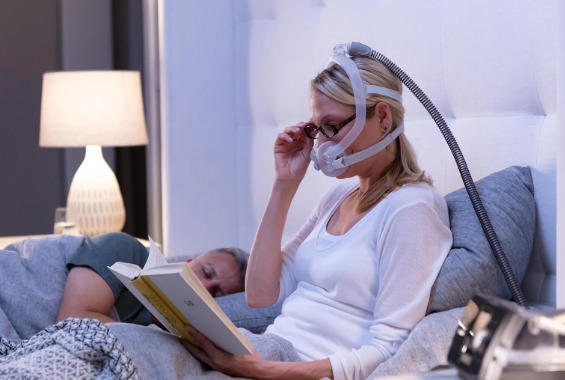
To maintain hygiene and machine efficiency, follow these best practices:
1. Refill daily with fresh distilled water. Never reuse old water, as it may harbor bacteria.
2. Empty the chamber each morning. Store it dry to prevent mold growth.
3. Clean with mild soap weekly. Rinse thoroughly and allow the parts to air dry.
4. Inspect for mineral deposits or discoloration. If you see residue, soak the chamber in vinegar and rinse well before reusing.
5. Replace the water chamber every six months or sooner if it becomes cloudy or cracked.
By following these habits, your CPAP system can operate efficiently and safely for years.
Can You Use Other Types of Water in an Emergency?
If distilled water is unavailable, you can temporarily use bottled or filtered water — but this should be a short-term solution only. Once you have access to distilled water again, clean the humidifier thoroughly to remove any mineral traces. For frequent travelers, a small portable Distillation Water Machine can be an excellent investment to ensure a consistent supply of high-quality water.
How CPAP Water Relates to Pharmaceutical Systems
Interestingly, the distillation concept used for CPAP water is the same as in pharmaceutical systems. In medicine production, the Distillation Water Machine ensures the purity of every drop of water used for injections, tablet coating, and cleaning of vessels.
The same principle of avoiding contamination and mineral accumulation applies to CPAP users, just on a smaller scale. By using distilled water, you're essentially applying pharmaceutical-grade standards to your personal sleep therapy.
This shared technology underlines how industrial water purification innovations from companies like Everheal contribute directly to safer, more reliable healthcare at every level.
Environmental and Economic Considerations
While some may believe distilled water is expensive or wasteful to produce, modern Distillation Water Machines are increasingly efficient. Many models recycle heat energy and optimize condensation, minimizing energy use and water loss.
If you produce distilled water at home, the cost per liter is quite low, especially compared to replacing a damaged CPAP humidifier chamber due to mineral buildup.
For businesses in the medical and pharmaceutical industry, investing in high-capacity Distillation Water Machines offers long-term economic advantages by reducing maintenance costs, production downtime, and contamination risks.
Global Standards and Water Quality in Medical Devices
International health authorities, including the U.S. FDA and the European Medicines Agency (EMA), classify water purity levels according to intended use.
- Distilled water is considered acceptable for devices that generate vapor, such as humidifiers, sterilizers, and CPAP systems.
- Purified water and water for injection (WFI), produced by larger Distillation Water Machines, are required in pharmaceutical production.
Everheal's equipment complies with Good Manufacturing Practice (GMP) guidelines, ensuring that the water used in both industrial and medical contexts meets global safety standards.
Tips for Storing and Handling Distilled Water
To maintain purity:
- Use clean, sealed containers made of glass or high-grade plastic.
- Store the water in a cool, dark place to prevent microbial growth.
- Avoid exposure to sunlight and open air for extended periods.
- Label storage containers clearly to avoid confusion with tap water.
If you distill water regularly, clean your Distillation Water Machine periodically to remove any residual contaminants, ensuring consistent quality.
Future Trends in Distilled Water Use
With the growing emphasis on hygiene, sustainability, and precision in medical equipment, the use of distilled water is likely to become even more critical. Smart Distillation Water Machines with digital monitoring systems are now entering the market, enabling users to track water quality, temperature, and output volume in real-time.
This innovation not only benefits pharmaceutical manufacturers but also individual consumers who depend on safe, reliable water sources for health devices like CPAP machines.
Conclusion
Yes, CPAP machines require distilled water, and for good reason. Distilled water ensures the cleanliness of the humidifier chamber, protects equipment from mineral buildup, and safeguards your respiratory health. The technology behind it—powered by advanced Distillation Water Machines—is the same process used in pharmaceutical manufacturing to guarantee purity and compliance with health standards.
Whether you're a home user aiming for comfortable sleep or a facility manager overseeing a production line, the importance of reliable distillation technology cannot be overstated. Companies like Everheal continue to provide the world with high-efficiency water treatment and distillation equipment, ensuring that every application—from personal therapy to industrial manufacturing—meets the highest standards of safety and performance.
FAQ
1. Can I use tap water in my CPAP machine?
No. Tap water contains minerals and impurities that can cause scaling and promote bacterial growth. Always use distilled water.
2. What happens if I use non-distilled water occasionally?
A few uses won't damage your CPAP immediately, but frequent use leads to residue buildup and a shorter machine lifespan.
3. Can I make my own distilled water at home?
Yes. You can use a small Distillation Water Machine designed for home use, which produces clean water suitable for CPAP use.
4. Is distilled water safe to drink?
Yes, but it lacks minerals found in natural water. It's safe for consumption, though many prefer it mainly for medical or equipment use.
5. How long can I store distilled water?
If kept in a clean, sealed container away from sunlight, distilled water can be stored safely for six months to a year.


