Content Menu
● Understanding How a CPAP Machine Works
● What Is Distilled Water?
● Role of a Distillation Water Machine in Producing CPAP Water
● Why Distilled Water Matters for Your CPAP Machine
>> 1. Prevents Mineral Buildup
>> 2. Reduces Bacterial Growth
>> 3. Enhances Longevity of the Equipment
>> 4. Promotes Better Respiratory Health
● What Happens If You Use Non Distilled Water?
● Are There Any Safe Alternatives?
● Cleaning and Maintenance Tips for CPAP Machines
● How Everheal's Distillation Water Machine Supports Medical-Grade Water Needs
● Environmental and Cost Considerations
● Conclusion
● FAQ
>> 1. Why is distilled water recommended for CPAP machines?
>> 2. Can I use boiled tap water instead of distilled water?
>> 3. What happens if I accidentally use tap water once?
>> 4. Is it worth buying a home Distillation Water Machine?
>> 5. How often should I clean my CPAP humidifier?
Continuous Positive Airway Pressure (CPAP) therapy has become one of the most effective treatments for sleep apnea, helping millions of people breathe comfortably throughout the night. But one question frequently arises among users: Can you use non distilled water in a CPAP machine? The short answer is no—you shouldn't. Using non distilled water can lead to mineral buildup, bacterial contamination, and potential damage to your machine over time. Let's explore why distilled water is essential, how it is made using a Distillation Water Machine, and what happens when you choose alternatives.
Understanding How a CPAP Machine Works
A CPAP machine provides a constant stream of pressurized air through a mask to keep a patient's airways open during sleep. Many CPAP devices include a humidifier chamber that adds moisture to prevent dryness in the throat and nose.
In this humidifier chamber, water evaporates and enters the airflow that you breathe. Because the water eventually becomes part of the air you inhale, the purity of that water is crucial for health and hygiene.
What Is Distilled Water?
Distilled water is purified through a process known as distillation, where water is boiled into vapor and then condensed back into liquid form. This process removes impurities, minerals, and most types of bacteria or contaminants.
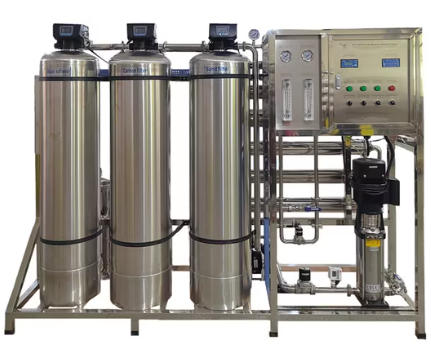
To produce this type of water efficiently, pharmaceutical and medical equipment manufacturers use professional-grade Distillation Water Machines. These systems ensure consistent water purity by separating clean vapor from non-volatile substances such as salts, metals, and organic compounds. The result is ultra-pure water, free from minerals and particles that could harm CPAP equipment or user health.
Role of a Distillation Water Machine in Producing CPAP Water
A Distillation Water Machine is a vital component in any healthcare or pharmaceutical facility. It produces water that meets the stringent purity standards required for medical use. Here's how it typically operates:
1. Heating: Raw water is heated to its boiling point.
2. Evaporation: Steam rises, leaving behind contaminants, sediments, and dissolved minerals.
3. Condensation: The clean vapor passes through a condenser, turning it back into liquid form.
4. Collection: The purified water is stored in sterile containers ready for medical or industrial use.
Everheal's advanced Distillation Water Machine is designed for long-term reliability, low energy consumption, and consistent purity—making it ideal for CPAP users, hospitals, and laboratories alike.
Why Distilled Water Matters for Your CPAP Machine
Using distilled water in your CPAP machine helps you maintain hygiene and prolong its lifespan. Here are the primary benefits:
1. Prevents Mineral Buildup
Tap water contains minerals such as calcium and magnesium. When heated in a CPAP humidifier, these minerals form a white residue or scale. Over time, this buildup can affect performance and damage internal components. Distilled water from a Distillation Water Machine prevents this issue entirely.
2. Reduces Bacterial Growth
Minerals and organic compounds present in regular water encourage bacterial growth, especially in a moist environment like the humidifier tank. Distilled water, being free from impurities, drastically lowers the risk of microbial contamination.
3. Enhances Longevity of the Equipment
CPAP machines are expensive, and their components—especially the humidifier—require careful maintenance. By using distilled water, you extend the machine's operational life and maintain consistent performance.
4. Promotes Better Respiratory Health
Since you directly inhale the humidified air from your CPAP, any contaminants in the water can affect your respiratory system. Distilled water eliminates exposure to potential irritants, ensuring safe and clean air delivery.
What Happens If You Use Non Distilled Water?
If you use non distilled water—like tap, bottled, or filtered water—several problems can occur over time:
- Mineral Deposits: Hard water leaves persistent calcium deposits inside the humidifier.
- Machine Damage: Deposits can corrode or clog internal components, lowering efficiency.
- Microbial Contamination: Even filtered water may contain bacteria or spores that multiply in warm environments.
- Unpleasant Odors or Tastes: Impurities can cause strange smells in the air you breathe during sleep.
In short, using non distilled water compromises both hygiene and machine health. For optimal performance, water produced through a Distillation Water Machine remains the safest and most effective choice.
Are There Any Safe Alternatives?
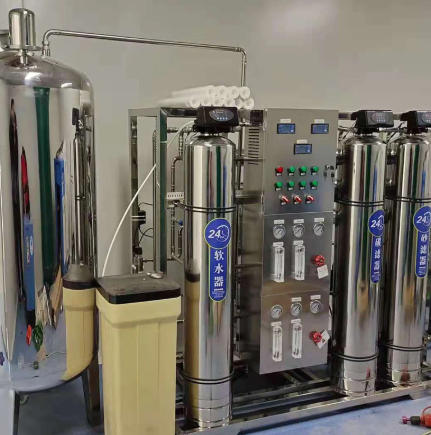
If distilled water is temporarily unavailable, you may use reverse osmosis (RO) water or deionized (DI) water for short periods. However, these are temporary substitutes and not equivalent in purity to distilled water generated by a high-grade Distillation Water Machine.
Always avoid:
- Tap water
- Bottled mineral water
- Spring or well water
- Softened water
These alternatives may seem convenient but often contain dissolved minerals and contaminants unsuitable for CPAP humidifiers.
Cleaning and Maintenance Tips for CPAP Machines
Even with the use of distilled water, regular cleaning remains crucial. Here's how to care for your CPAP humidifier:
1. Empty the water chamber daily.
2. Rinse with mild soap and warm water.
3. Air-dry the parts completely before refilling.
4. Perform deep cleaning weekly.
5. Replace filters and tubing periodically.
Using quality distilled water from a Distillation Water Machine significantly reduces maintenance frequency and prevents mineral stains, keeping your device functioning efficiently for longer.
How Everheal's Distillation Water Machine Supports Medical-Grade Water Needs
As a global provider of pharmaceutical water systems, Everheal has developed a range of Distillation Water Machines designed for clinical, laboratory, and pharmaceutical environments. Our equipment ensures:
- Consistent output of distilled water that meets USP and EP pharmacopeia standards.
- Stainless steel construction resistant to corrosion and scaling.
- Energy-efficient distillation cycles.
- Integration capability with automated filling or sterilization systems.
Hospitals, research facilities, and CPAP users benefit from water produced by our machines because it guarantees the highest level of purity, helping maintain safe respiratory therapy and laboratory accuracy.
Environmental and Cost Considerations
Some CPAP users worry about buying bottled distilled water daily. A durable Distillation Water Machine solves this by providing an in-house source of pure water, reducing both plastic waste and recurring expenses.
Though the upfront cost of a home distiller or small-scale Distillation Water Machine may seem high, the return on investment becomes apparent after regular use. The machine also aligns with eco-friendly manufacturing processes—supporting sustainable healthcare operations.
Conclusion
So, can you use non distilled water in a CPAP machine? The answer is clear—you shouldn't. Using anything other than properly distilled water risks your CPAP's longevity, your health, and the quality of your sleep therapy. Water generated by a reliable Distillation Water Machine ensures safety, purity, and cost-effectiveness for both home users and healthcare facilities. By investing in distilled water, you protect your equipment from damage, prevent bacterial buildup, and ensure that every breath you take remains clean and healthy.
FAQ
1. Why is distilled water recommended for CPAP machines?
Distilled water lacks minerals and impurities, preventing buildup and bacteria growth inside the humidifier. It ensures a cleaner airflow and prolongs the machine's life.
2. Can I use boiled tap water instead of distilled water?
Boiling removes some bacteria but does not eliminate dissolved minerals. Only water purified through a Distillation Water Machine achieves full purity suitable for CPAP use.
3. What happens if I accidentally use tap water once?
Using tap water occasionally will not immediately damage your machine, but residue will begin to build up over time. Rinse the chamber thoroughly and switch back to distilled water.
4. Is it worth buying a home Distillation Water Machine?
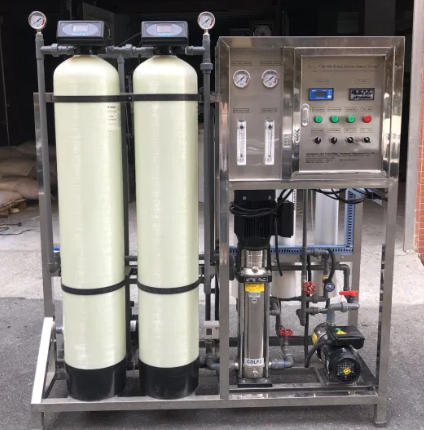
Yes. Investing in a Distillation Water Machine provides a convenient, long-term source of pure water for your CPAP and other household needs, reducing cost and environmental waste.
5. How often should I clean my CPAP humidifier?
Empty and rinse the chamber daily, and perform a deeper cleaning weekly. This prevents bacteria and maintains optimal performance, especially when using distilled water.


