Content Menu
● Understanding the S&S Stage 1 Air Filter
>> What Does “Stage 1” Mean?
● Are Harley S&S Stage 1 Air Filters Washable?
>> Key Features That Make It Washable
● Benefits of Using a Washable Air Filter
>> 1. Cost Efficiency
>> 2. Environmental Sustainability
>> 3. Performance Stability
>> 4. Long Service Life
● How to Clean an S&S Stage 1 Washable Air Filter
>> Step-by-Step Cleaning Process
● Tips for Maintaining a Washable Air Filter
● Common Myths About Washable Air Filters
>> Myth 1: Washable Air Filters Don't Need Oil
>> Myth 2: Washing Degrades the Filter
>> Myth 3: Washable Filters Improve Horsepower Alone
>> Myth 4: All Filters Are Washable
>> Myth 5: More Oil Means Better Protection
● Differences Between Washable and Disposable Air Filters
● How Washable Air Filters Affect Performance
● When to Replace a Washable Air Filter
● Conclusion
● Frequently Asked Questions (FAQ)
>> (1) How often should I clean my S&S Stage 1 washable air filter?
>> (2) Can I use any detergent to clean my washable air filter?
>> (3) Does the washable air filter affect fuel economy?
>> (4) How do I know if my air filter is dry enough after cleaning?
>> (5) Is the S&S Stage 1 air filter better than the stock Harley filter?
When it comes to Harley-Davidson performance upgrades, one of the first modifications many riders make is installing an S&S Stage 1 air filter. Designed for improved airflow, better fuel efficiency, and enhanced horsepower, this upgrade is considered essential for anyone seeking both performance and longevity from their motorcycle. But a key question many riders ask is — Are Harley S&S Stage 1 air filters washable?
The short answer: yes, most S&S Stage 1 air filters are washable. However, there are important details about cleaning, maintenance, and performance you should understand before you grab the cleaning kit. This article explores everything you need to know about washable air filters, their benefits, and how to maintain them for long-term use.
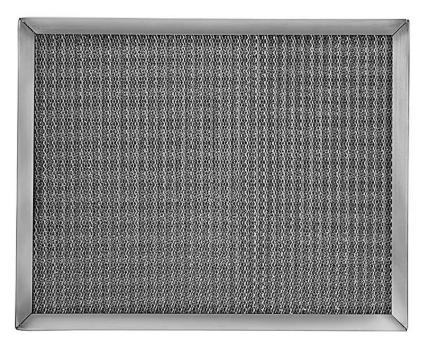
Understanding the S&S Stage 1 Air Filter
The S&S Cycle brand is renowned for its high-performance motorcycle parts, particularly its Stage 1 kits that improve airflow and engine efficiency. The S&S Stage 1 Air Filter is designed to replace the restrictive stock filter and allow more air to enter the engine, optimizing combustion and horsepower.
Unlike disposable paper filters, S&S uses cotton gauze or synthetic filter media that can be cleaned and reused. This design not only reduces long-term maintenance costs but also aligns with the principles of sustainability by minimizing waste.
What Does “Stage 1” Mean?
“Stage 1” refers to a basic level of engine performance upgrade, combining modifications such as:
- Air intake enhancement (with a high-flow air filter)
- Exhaust system improvement
- ECU remapping for optimized fuel-air ratio
These simple upgrades can significantly boost throttle response and horsepower without requiring internal engine modifications.
Are Harley S&S Stage 1 Air Filters Washable?
Yes, S&S Stage 1 air filters are designed to be washable and reusable. The company uses oiled cotton gauze or synthetic filter materials that can withstand repeated cleaning cycles without performance degradation — as long as proper maintenance procedures are followed.
This washable construction is one of the main selling points of S&S air filters since it provides both cost efficiency and consistency in performance over many years.
Key Features That Make It Washable
1. Multi-layer cotton media: The cotton fibers trap dust and contaminants while maintaining airflow.
2. Aluminum or polymer mesh reinforcement: Holds the cotton layers securely in place to maintain structure during washing.
3. Reusable construction: Designed to handle cleaning cycles without losing integrity.
4. Oil coating: Enhances dust-trapping efficiency.
Because of these characteristics, the S&S Stage 1 Air Filter functions similarly to other premium *washable air filters* used in performance motorcycles and vehicles.
Benefits of Using a Washable Air Filter
The washable design provides numerous advantages compared to disposable paper filters, especially for heavy riders who clock high mileage each season.
1. Cost Efficiency
While a washable air filter might have a higher initial cost, it saves money in the long run. A single filter can be reused multiple times, eliminating frequent replacements.
2. Environmental Sustainability
Reusing a washable air filter helps reduce landfill waste. Each cleaned filter represents one less disposable unit being thrown away, aligning with eco-conscious maintenance habits.
3. Performance Stability
A clean, oiled, washable air filter consistently provides optimal airflow, which supports smooth combustion and improved fuel efficiency. Paper filters, on the other hand, tend to restrict airflow as they age.
4. Long Service Life
With proper cleaning and re-oiling, an S&S Stage 1 washable air filter can last for tens of thousands of miles—sometimes the entire lifetime of the motorcycle.
How to Clean an S&S Stage 1 Washable Air Filter
Cleaning and maintaining your washable air filter properly is crucial. Incorrect cleaning can damage the cotton gauze or cause improper airflow, which can affect performance or even harm the engine.
Step-by-Step Cleaning Process
1. Remove the filter.
Gently take off the S&S Stage 1 air filter from the motorcycle. Avoid tearing or bending the filter media.
2. Inspect for damage.
Check for cracks, tears, or severe contamination. If the filter is damaged, replace it instead of cleaning.
3. Apply air filter cleaner.
Spray an approved air filter cleaning solution (you can use the S&S or K&N cleaner) onto both sides of the filter. Allow the cleaner to soak for 10–15 minutes, but don't let it dry completely.
4. Rinse with low-pressure water.
Rinse the filter from the clean side to the dirty side using low-pressure cold water. This pushes contaminants out without embedding them deeper.
5. Dry completely.
Let the filter air dry naturally. Do not use compressed air, heat guns, or direct sunlight, as excessive heat can deform the filter or weaken the glue bonds.
6. Re-oil the filter.
Once fully dry, reapply special filter oil evenly along the cotton pleats. The oil helps trap micro dirt particles. Allow it to sit for a few minutes, ensuring full absorption.
7. Reinstall carefully.
Once the filter is properly oiled and seated, reinstall it and ensure all clamps or bolts are tightened securely.
Cleaning intervals vary based on riding conditions. For example, dusty or humid environments require more frequent cleaning, roughly every 5,000 miles. For normal road use, cleaning every 10,000–15,000 miles is usually sufficient.
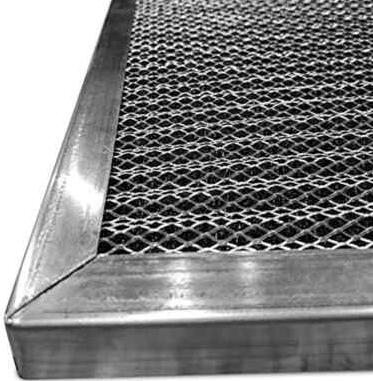
Tips for Maintaining a Washable Air Filter
Proper maintenance ensures your washable air filter continues performing at its peak:
- Avoid over-oiling: Excess oil can clog the filter and affect the sensor (especially on fuel-injected models). Apply oil evenly and minimally.
- Inspect regularly: Even if it looks clean, check your air filter during routine servicing.
- Use approved cleaning kits only: Household detergents or solvents can damage the cotton material and filter frame.
- Store correctly: If the filter is not in use, keep it in a clean, dry area to prevent moisture and dust accumulation.
Common Myths About Washable Air Filters
There are several misconceptions regarding washable air filters. Let's clarify them so riders can maintain their motorcycles properly.
Myth 1: Washable Air Filters Don't Need Oil
False. The oil is essential for trapping microscopic particulates. Riding with a dry filter reduces its ability to protect your engine.
Myth 2: Washing Degrades the Filter
When done correctly, washing extends the life of the air filter rather than shortening it. Problems arise only from aggressive washing or improper drying.
Myth 3: Washable Filters Improve Horsepower Alone
While washable air filters help with airflow, they work best when combined with proper ECU tuning and exhaust upgrades.
Myth 4: All Filters Are Washable
Not all filters are reusable. Paper filters commonly found in stock setups cannot be washed; they must be replaced instead.
Myth 5: More Oil Means Better Protection
Wrong. Over-oiling can cause airflow restriction or contaminate sensors, reducing performance. Moderation is key.
Differences Between Washable and Disposable Air Filters
| Feature | Washable Air Filter | Disposable Air Filter |
| Material | Cotton gauze / synthetic | Paper or foam |
| Reusability | Yes | No |
| Cost over time | Low | High |
| Cleaning requirement | Yes | None |
| Environmental impact | Low | High |
| Performance consistency | Stable | Declines over time |
| Lifespan | 50,000+ miles | 5,000–10,000 miles |
The washable air filter clearly wins in both long-term performance and environmental responsibility, especially for riders valuing sustainability and cost efficiency.
How Washable Air Filters Affect Performance
A washable air filter allows greater air volume to reach the engine's intake chamber. More air equals better combustion efficiency, meaning improved throttle response, slightly higher horsepower, and better torque curve stability.
Cleaning intervals play a major role. A dirty washable air filter can restrict airflow the same way a clogged paper filter would. Regular maintenance is vital to maintain that power boost you installed the S&S Stage 1 kit for.
When to Replace a Washable Air Filter
Although washable air filters are reusable, they're not eternal. You should consider replacement if:
- There are holes or tears in the filter material.
- The frame has warped or cracked.
- The filter media no longer retains oil after cleaning.
- There is persistent discoloration or odor, even after washing.
A well-maintained S&S Stage 1 washable air filter can easily last 80,000 miles or more before replacement is necessary.
Conclusion
The S&S Stage 1 Air Filter is indeed washable, making it a top-tier choice for Harley-Davidson enthusiasts who value performance, sustainability, and cost efficiency. A properly maintained washable air filter ensures stable engine performance, reduces long-term expenses, and supports environmentally friendly riding habits.
Whether you're cruising highways or tackling long-distance rides, keeping your washable air filter clean and correctly oiled can make a noticeable difference in power, responsiveness, and longevity. It's a small piece of equipment, but its impact on your Harley's engine health is massive.
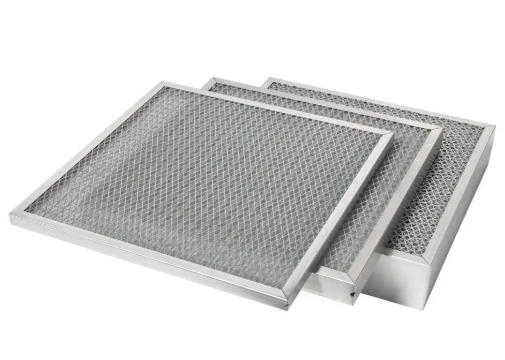
Frequently Asked Questions (FAQ)
(1) How often should I clean my S&S Stage 1 washable air filter?
For typical street riding, clean it every 10,000–15,000 miles. In dusty or off-road conditions, the interval should be reduced to around 5,000 miles.
(2) Can I use any detergent to clean my washable air filter?
No. You should only use designated air filter cleaning solutions. Regular detergents can damage the cotton or synthetic fibers and reduce filtration efficiency.
(3) Does the washable air filter affect fuel economy?
Yes. A clean washable air filter enhances airflow, which improves combustion efficiency. As a result, you may notice slight improvements in fuel economy, throttle response, and engine smoothness.
(4) How do I know if my air filter is dry enough after cleaning?
The filter should be completely free of moisture before oiling. You can gently touch the pleats — if they feel cool or damp, leave the filter to air dry longer. Never use high-heat devices to speed up drying.
(5) Is the S&S Stage 1 air filter better than the stock Harley filter?
Yes. The S&S Stage 1 filter offers increased airflow, washable reusability, longer lifespan, and improved performance compared to the disposable stock paper filters used in many Harley-Davidson models.


