


Views: 222 Author: Rebecca Publish Time: 2025-12-18 Origin: Site


Content Menu
● Understanding the Used Pharmaceutical Equipment Market
● Benefits of Buying Used Pharmaceutical Equipment
>> 5. Ease of Factory Integration
● Key Factors to Consider Before Buying Used Pharmaceutical Equipment
>> 5. After-Sales Service and Spare Parts
● Where to Buy Used Pharmaceutical Equipment
>> 1. Specialized Pharmaceutical Equipment Suppliers
>> 3. Pharmaceutical Equipment Auctions
>> 4. Direct From Manufacturers or Pharmaceutical Companies
>> 5. Partnering With Turnkey Solution Providers
● Why Choose Everheal for Used Pharmaceutical Equipment
>> Our Product Range Includes:
● Tips for Ensuring a Successful Equipment Purchase
● Common Applications of Used Pharmaceutical Equipment
● FAQ
>> 1. What is used pharmaceutical equipment?
>> 2. Is it safe to use second-hand pharmaceutical equipment?
>> 3. What documents should accompany used pharmaceutical equipment?
>> 4. Can used pharmaceutical equipment be customized?
>> 5. How can I verify the reliability of a supplier?
In the competitive global pharmaceutical industry, efficiency and reliability are vital for success. Many pharmaceutical manufacturers, contract production organizations (CMOs), and biotech firms are choosing to purchase used pharmaceutical equipment as a cost-effective alternative to new machinery.
Buying pre-owned pharmaceutical equipment allows companies to save capital, reduce project lead times, and access high-quality systems from leading brands at competitive prices. However, choosing the right supplier, evaluating quality standards, and verifying compliance with GMP (Good Manufacturing Practice) regulations are critical to ensuring reliable production outcomes.
This guide will explore where to buy used pharmaceutical equipment, what factors to consider before purchasing, and how Everheal supports companies worldwide with reliable equipment and customized system solutions.

The market for used pharmaceutical equipment is thriving due to global expansion in drug production and the demand for cost-efficient equipment solutions. The lifecycle of pharmaceutical machines—such as pure water systems, aseptic filling lines, sterilization units, and distillation plants—is often long, which makes used systems a viable option when properly maintained.
Key categories of used pharmaceutical equipment include:
- Purified water generation systems
- Pure steam generators
- Multifunctional distillation units
- Filling and sealing machines
- Sterilization and validation systems
These machines are used across manufacturing facilities, quality control laboratories, formulation plants, and R&D centers.
Buying used pharmaceutical equipment can reduce acquisition costs by 30%–70% compared to new units, freeing capital for facility upgrades, process optimization, or R&D innovation.
Used systems are typically available for immediate shipment. This eliminates the long manufacturing lead times associated with new equipment, allowing faster project implementation.
Pre-owned equipment often comes from operational plants and has a documented maintenance history. This provides assurance of functionality, reliability, and process stability.
Reusing well-maintained systems helps reduce industrial waste and carbon emissions, supporting the pharmaceutical industry's sustainability goals.
Most used systems are compatible with standard process utilities and can be integrated easily into existing layouts with minimal modifications.
When selecting used pharmaceutical equipment, careful evaluation ensures that the systems meet operational, regulatory, and safety requirements.
Always request detailed documentation such as qualification certificates, maintenance logs, and calibration reports. These records verify operational integrity and GMP compliance.
Ensure the equipment adheres to relevant GMP, FDA, or EU-GMP standards, especially for systems in sterile manufacturing, water purification, or aseptic processing.
A physical inspection or third-party audit should confirm the quality of materials, internal cleanliness, and functional controls.
Choose reputable suppliers or manufacturers with a history of providing pharmaceutical-grade systems. Partnering with trusted companies like Everheal ensures reliability and technical support.
Check the availability of spare parts and maintenance services. Even for used machines, technical support and replacement components are critical to long-term operations.
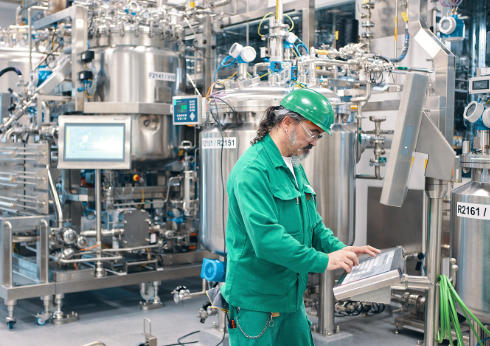
Finding reliable sources for used pharmaceutical equipment involves balancing quality assurance and cost advantages. The following are some common channels to explore.
Several companies exclusively deal in new and used pharmaceutical equipment. These suppliers typically refurbish, test, and validate systems before resale. They ensure that the machines comply with GMP and FDA standards.
Reputable suppliers often offer detailed technical assessments, provide installation support, and customize systems according to specific manufacturing needs.
Digital platforms like EquipNet, Bid-on-Equipment, and Machinery World list pre-owned pharmaceutical machines for sale worldwide. Buyers can compare models, review specifications, and request inspection reports before purchase.
However, buyers should perform due diligence to verify seller credibility and documentation authenticity.
Auctions are an effective way to acquire cost-efficient systems from project liquidations or facility closures. These events often include laboratory instruments, sterilization units, and water purification systems.
Despite attractive prices, buyers must pay close attention to equipment age and maintenance history, as warranties are minimal.
Some manufacturers and production companies periodically upgrade their equipment and sell used units directly. Purchasing directly from the source can be advantageous in terms of transparency and documentation integrity.
Companies like Everheal not only provide new and used pharmaceutical equipment but also offer integrated services — from factory layout design to installation, validation, and training. This ensures a seamless procurement process and long-term technical support.
Everheal, a leading Chinese manufacturer of pharmaceutical equipment, provides end-to-end solutions for clients worldwide. The company specializes in systems for sterile and liquid processing, offering both new and cost-optimized used equipment.
- Pure water preparation systems: for producing water meeting USP, EP, and JP standards.
- Pure steam generators: supplying clean steam for sterilization and purification processes.
- Multifunctional distilled water machines: efficient, energy-saving systems for pharmaceutical and biotechnology use.
- Liquid filling and sealing machines: ensuring sterile and precise filling operations.
- Sterilization systems: designed for compliance, safety, and operational consistency.
1. Comprehensive Inspection & Refurbishment – All used systems undergo rigorous testing, cleaning, and performance checks before resale.
2. Turnkey Solutions – From utility connection planning to commissioning, Everheal provides full support.
3. Customization – Tailored process configurations and system sizes to meet each client's production needs.
4. Global Support – Servicing clients across Asia, Europe, and the Americas with multilingual after-sales assistance.
5. Regulatory Assurance – All systems meet strict GMP and validation requirements.
By combining cost-effective solutions with engineering expertise, Everheal helps pharmaceutical manufacturers achieve reliable operations with minimal investment risk.
To maximize long-term benefits when buying used pharmaceutical equipment, follow these strategic recommendations:
- Conduct a risk-based assessment of each system's operational performance.
- Request a Factory Acceptance Test (FAT) or inspection before shipment.
- Verify material traceability, especially for equipment in contact with APIs or products.
- Confirm utility requirements (water, steam, air) match your facility capacity.
- Negotiate service agreements for ongoing maintenance and training.
Implementing these measures ensures your equipment purchase supports efficient, compliant pharmaceutical production.
Used pharmaceutical systems play a vital role across various process stages:
- Water treatment: Production of purified water and water-for-injection.
- Liquid formulation: Mixing, homogenizing, and emulsifying APIs and excipients.
- Filling operations: Aseptic packaging of vials, ampoules, and syringes.
- Sterilization: Destruction of microorganisms using pure steam or dry heat.
- Quality control support: Ensuring consistent testing and validation operations.
When integrated correctly, these systems provide cost-effective production capacity expansion while maintaining quality standards.
Buying used pharmaceutical equipment can be an intelligent strategy for pharmaceutical manufacturers seeking to balance cost, compliance, and operational efficiency. With proper evaluation, documentation review, and supplier selection, companies can achieve high-quality production outcomes without compromising safety or performance.
At Everheal, we combine decades of manufacturing expertise with engineering innovation to deliver reliable pharmaceutical systems that meet GMP requirements. Whether you need purified water plants, distillation systems, or aseptic filling machines, Everheal provides comprehensive solutions for your production facility.
Choosing Everheal means investing in long-term reliability, service excellence, and global technical support – the foundation of successful pharmaceutical manufacturing.
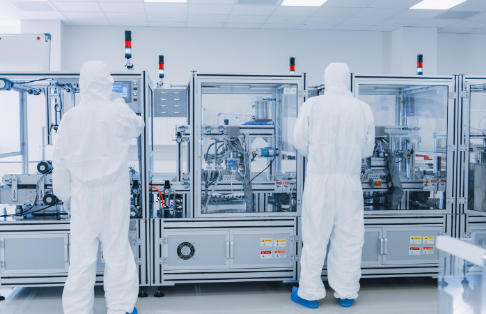
Used pharmaceutical equipment refers to pre-owned machinery that has been refurbished, tested, and validated for reuse in pharmaceutical production or laboratory operations.
Yes, as long as the equipment is properly refurbished, maintained, and compliant with GMP and FDA standards. Always source from reputable suppliers.
Ensure you receive operation manuals, calibration certificates, maintenance history, and validation reports to confirm the system's compliance and performance.
Yes. Suppliers like Everheal offer reconfiguration, component replacement, and system upgrades to match each company's process layout.
Check the supplier's experience, client references, regulatory compliance record, and third-party quality certifications before finalizing your purchase.


