Content Menu
● Understanding IV Bags and Their Role in Vet Sub Q Infusion
>> What Is a Vet Sub Q Infusion?
>> Why Infusion Bags Are Essential
● Key Considerations When Buying IV Bags for Veterinary Use
>> 1. Sterility and Quality Assurance
>> 2. Material Composition
>> 3. Volume and Capacity Options
>> 4. Compatibility with Veterinary Devices
>> 5. Supplier Certification and Compliance
● Reliable Sources to Buy IV Bags for Vet Sub Q Infusion
>> 1. Direct Manufacturers
>> 2. Medical and Veterinary Supply Distributors
>> 3. Online B2B Platforms
>> 4. Regional Veterinary Equipment Agents
>> 5. Custom OEM/ODM Partnerships
● How Everheal Supports Veterinary Infusion Solutions
● Choosing the Right Infusion Bag for Vet Sub Q Infusion
● Conclusion
● FAQ
>> 1. What is the best size of Infusion Bag for small animals?
>> 2. Can human IV bags be used for veterinary Sub Q infusion?
>> 3. Are Infusion Bags reusable?
>> 4. Does Everheal supply Infusion Bags directly?
>> 5. What certifications should I check before buying infusion bags?
In veterinary medicine, IV bags and Infusion Bags play a vital role in maintaining animal hydration and delivering medications or nutrients efficiently. Veterinary clinics, animal hospitals, and emergency care units rely on high-quality infusion equipment to provide effective subcutaneous (Sub Q) fluid therapy. With the growing demand for reliable and sterile solutions in animal care, sourcing the right IV bags has become an increasingly important consideration for veterinarians and procurement teams alike.
This guide explores where to buy IV bags for veterinary Sub Q infusion, what to look for when choosing suppliers, and how companies like Everheal support veterinary and pharmaceutical clients through advanced fluid handling systems and customized production solutions.
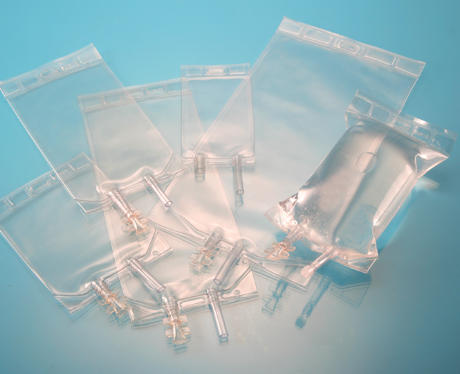
Understanding IV Bags and Their Role in Vet Sub Q Infusion
What Is a Vet Sub Q Infusion?
A Sub Q infusion, also known as subcutaneous fluid therapy, involves administering fluids under the skin. It's a widely used practice for animals suffering from dehydration caused by illnesses such as kidney disease, vomiting, or heat exposure. The Infusion Bag serves as the storage and delivery mechanism for these fluids, ensuring controlled administration and maintaining sterile conditions throughout the process.
Why Infusion Bags Are Essential
The Infusion Bag is more than just a fluid container; it represents a sterile, leak-proof system that ensures the precise delivery of medical-grade liquids. In veterinary care, these bags are designed for durability, flexibility, and compatibility with different species — from small pets like cats and dogs to larger animals such as horses and livestock.
High-quality Infusion Bags help ensure:
- Consistent fluid flow rate.
- Extended shelf life and contamination resistance.
- Compatibility with standard veterinary tubing and needles.
- Reliable performance even under variable temperature or environmental conditions.
Key Considerations When Buying IV Bags for Veterinary Use
1. Sterility and Quality Assurance
When choosing an Infusion Bag supplier, sterility standards should come first. Bags must meet pharmacopeia-grade compliance, ensuring they are free from contaminants and compatible with intravenous and subcutaneous applications. Many manufacturers subject their bags to autoclave sterilization or gamma irradiation to meet global quality standards.
2. Material Composition
Modern Infusion Bags are typically made from non-PVC medical-grade materials such as polyolefin or EVA (ethylene-vinyl acetate). These materials minimize the risk of plasticizer leaching (like DEHP), improve transparency, and ensure chemical stability.
For veterinary clinics concerned with long-term storage, solvent resistance and low moisture permeability are key factors.
3. Volume and Capacity Options
Different species require different infusion volumes. Common veterinary Infusion Bags are available in sizes ranging from 250 mL to 3,000 mL. Clinics should maintain a range of sizes in their inventory to accommodate different treatment needs efficiently.
4. Compatibility with Veterinary Devices
A well-designed Infusion Bag should integrate seamlessly with standard drip sets, filling machines, and infusion pumps. This compatibility reduces workflow interruptions and minimizes the risk of spillage or leakage during Sub Q administration.
5. Supplier Certification and Compliance
Always verify that suppliers hold certifications such as:
- ISO 13485 (Medical Device Quality Management Systems).
- GMP (Good Manufacturing Practice).
- FDA or CE compliance for medical-grade products.
Manufacturers like Everheal, for example, produce Infusion Bag production systems and sterilization equipment under internationally recognized standards, ensuring safety and consistency for clients in both human and veterinary medicine.
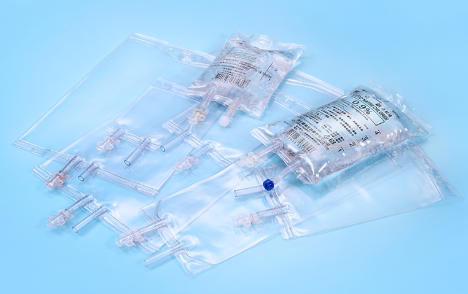
Reliable Sources to Buy IV Bags for Vet Sub Q Infusion
1. Direct Manufacturers
Buying directly from manufacturers ensures product authenticity, price transparency, and long-term service support. Chinese manufacturers such as Everheal are well-known for producing turnkey Infusion Bag production lines, including:
- Pure water preparation systems ensuring pharmaceutical-grade water purity.
- Multifunctional distilled water machines for sterile operations.
- Liquid filling and sealing machines compatible with various Infusion Bag materials and capacities.
- Sterilization systems guaranteeing safe and aseptic packaging.
For veterinary clients, Everheal also offers factory layout planning and customized production line design, empowering buyers to establish in-house production capabilities instead of relying solely on imports.
2. Medical and Veterinary Supply Distributors
Local and international distributors often stock commercial Infusion Bags prefilled with lactated Ringer's solution, saline, or other rehydration fluids. Distributors provide ease of access but might come with slightly higher prices due to logistics and branding costs. Some recognized distributors include:
- Henry Schein Animal Health
- Patterson Veterinary
- Covetrus
- Medline Veterinary
These suppliers ensure quick shipping and reliable after-sales support but typically don't offer customization for private label or OEM production.
3. Online B2B Platforms
If you are sourcing in bulk, B2B marketplaces such as Alibaba, Made-in-China, and Global Sources list multiple verified manufacturers of Infusion Bags for veterinary use. Buyers can review certifications, product specifications, and customer feedback before placing orders, ensuring competitive pricing and supplier transparency.
When purchasing through these platforms, always:
- Request product samples for quality evaluation.
- Verify supplier certifications.
- Negotiate sterile packaging and labeling requirements upfront.
4. Regional Veterinary Equipment Agents
For medium-sized hospitals or clinics, regional agents provide optimal balance between supply reliability and technical consultation. They assist with product registration, import documentation, and provide on-site demonstrations for using Infusion Bags with Sub Q infusion machines or sealed fluid systems.
5. Custom OEM/ODM Partnerships
For veterinary pharmaceutical companies, OEM contracts provide long-term advantages. Working with Everheal or other system integrators allows businesses to customize Infusion Bag materials, shapes, sealing formats, and branding. OEM partnerships also simplify regulatory compliance by integrating all processes—from water purification to final sterilization—under a unified production line.
How Everheal Supports Veterinary Infusion Solutions
As a specialized Chinese manufacturer of pharmaceutical and veterinary infusion systems, Everheal provides complete engineering solutions rather than single components.
The company's strengths include:
- End-to-end production line design: From purified water generation to bag sealing.
- Modular equipment: Including pure steam generators, multi-effect distillers, and infusion bag filling systems.
- Energy-efficient sterilization: Reducing operational cost while maintaining GMP compliance.
- Customized factory layout planning for veterinary pharmaceutics and hospital supply production.
By integrating modern automation and quality control technologies, Everheal enables global clients to produce sterile Infusion Bags locally, meeting both human and veterinary medical standards.
Choosing the Right Infusion Bag for Vet Sub Q Infusion
When selecting an Infusion Bag for veterinary use, clinics should focus on three major aspects: compatibility, sterility, and reliability.
- For small animals, softer-material bags with gradual flow control are ideal.
- For large animals, durable multilayer bags ensure stability and prevent puncture during long fluid administration.
Additionally, partnering with experienced manufacturers offers access to engineering consultation, ensuring every component—from water preparation to final sterilization—meets veterinary-grade demands.
Conclusion
Finding the right supplier for IV Bags and Infusion Bags used in veterinary Sub Q infusion involves balancing quality, regulatory compliance, and cost efficiency. Direct manufacturers such as Everheal offer strategic benefits by providing both ready-made solutions and full-scale manufacturing systems for infusion bag production.
Whether you're a veterinary clinic seeking reliable fluid supply or a pharmaceutical company aiming to establish in-house production, investing in high-quality Infusion Bags ensures safer, more effective, and professional care for animals of all sizes.
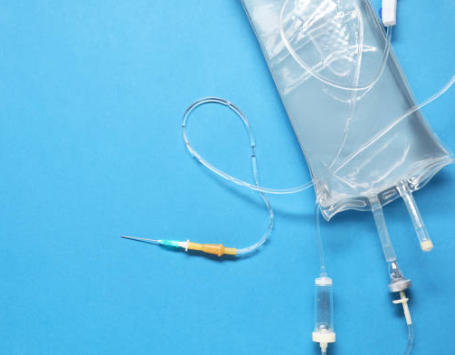
FAQ
1. What is the best size of Infusion Bag for small animals?
For cats and small dogs, 500 mL to 1,000 mL Infusion Bags are commonly used, offering sufficient volume without overhydration risk.
2. Can human IV bags be used for veterinary Sub Q infusion?
While similar in structure, it's safer to use vet-specific Infusion Bags designed for subcutaneous administration to ensure proper flow rate and chemical compatibility.
3. Are Infusion Bags reusable?
No, Infusion Bags are designed for single-use only to maintain sterility and prevent cross-contamination between patients.
4. Does Everheal supply Infusion Bags directly?
Everheal focuses on Infusion Bag production equipment and factory setup, not retail supply. However, the company assists clients in producing their own sterile bags.
5. What certifications should I check before buying infusion bags?
Ensure your supplier holds GMP, ISO 13485, and, if exporting globally, CE or FDA certifications for medical devices.


