Content Menu
● Why Distilled Water Is Necessary for CPAP Machines
● Understanding the Distillation Process
● Where to Buy Distilled Water for CPAP Machines
>> 1. Supermarkets and Grocery Stores
>> 2. Pharmacies and Medical Supply Stores
>> 3. Online Retailers
>> 4. Home-Made Distilled Water Using a Distillation Water Machine
>>> Benefits of Owning a Distillation Water Machine:
● The Role of Distillation Water Machines in Healthcare and Industry
>> Applications in the Pharmaceutical Sector
● Evaluating Home Distillation Units
● The Environmental Impact of Distillation
● Comparing Distilled Water with Other Types of Water
● How to Safely Store and Use Distilled Water
● Why Everheal's Distillation Water Systems Are Trusted Worldwide
>> Partnering for Global Solutions
● Conclusion
● FAQ
>> 1. What happens if I use tap water in my CPAP machine?
>> 2. Can I make distilled water at home without a machine?
>> 3. How long does a home Distillation Water Machine last?
>> 4. Is distilled water safe to drink?
>> 5. How can I test if my water is truly distilled?
If you use a CPAP (Continuous Positive Airway Pressure) machine for sleep apnea treatment, you already know how important it is to maintain it properly. One of the key maintenance habits is using distilled water instead of tap or purified water. But have you ever wondered where to buy distilled water for your CPAP machine and how it's actually made? This article explains everything — from the science behind distilled water to the convenience of owning a Distillation Water Machine at home or in clinical settings.
Why Distilled Water Is Necessary for CPAP Machines
CPAP machines work by delivering a continuous stream of pressurized air into your airway while you sleep. The air passes through a humidifier chamber that adds moisture, preventing dryness and discomfort. If you use tap or bottled water, minerals, bacteria, and chemicals can build up inside the chamber.
The use of distilled water eliminates these risks because the distillation process removes impurities, leaving no residues. Over time, this extends the lifespan of your CPAP machine and promotes safer respiratory health.
Understanding the Distillation Process
Distillation is one of the oldest and most effective methods for purifying water. A Distillation Water Machine works by heating water until it turns into vapor. This vapor rises, leaving behind minerals, salts, and other contaminants. It is then cooled back into a pure liquid—distilled water.
The key steps include:
1. Boiling: Impure water is heated to create steam.
2. Evaporation: Only pure water molecules evaporate, separating from contaminants.
3. Condensation: The vapor cools down and turns back into pure, clean water.
4. Collection: The distilled water is stored in a separate chamber ready for use.
This process ensures the absence of minerals, heavy metals, bacteria, and other dissolved solids, making it ideal for CPAP machines, laboratories, and pharmaceutical manufacturing.
Where to Buy Distilled Water for CPAP Machines
When searching for distilled water, you have several options. Some are more convenient, while others are better for long-term cost savings. Let's explore each source in detail.
1. Supermarkets and Grocery Stores
Most large supermarkets sell distilled water in the bottled water section. It's usually labeled clearly and sold in plastic jugs ranging from one to five liters. This is the simplest option for most CPAP users.
Advantages:
- Easy availability at local stores
- Affordable for short-term use
- No waiting for online shipping
Disadvantages:
- Requires frequent trips to purchase
- Generates plastic waste
- May be less economical if used daily
2. Pharmacies and Medical Supply Stores
Some pharmacies stock distilled or sterile water, especially those focused on respiratory or home medical devices. Medical-grade distilled water may be slightly more expensive but ensures compliance with CPAP manufacturer recommendations.
3. Online Retailers
E-commerce platforms like Amazon, Walmart, or dedicated CPAP supply stores sell both distilled water bottles and Distillation Water Machines. Buying in bulk online ensures you never run out while maintaining convenience.
Tip: Always check product descriptions carefully. Avoid products labeled “purified water” or “spring water” since they may still contain minerals.
4. Home-Made Distilled Water Using a Distillation Water Machine
If you use a CPAP machine daily, investing in a Distillation Water Machine might be the smartest long-term solution. Instead of constantly buying bottled water, you can produce pure distilled water on demand using tap water.
Benefits of Owning a Distillation Water Machine:
- Cost Efficiency: A one-time investment eliminates the ongoing expense of bottled distilled water.
- Convenience: Always have a fresh supply of distilled water ready.
- Sustainability: Reduce plastic waste and transportation emissions.
- Quality Assurance: Fully control the water purity.
For those living in remote areas or managing clinics, laboratories, or hospitals, having an industrial-grade Distillation Water Machine ensures uninterrupted production of high-purity water.
The Role of Distillation Water Machines in Healthcare and Industry
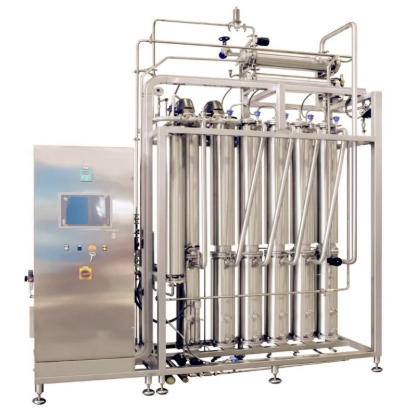
Beyond CPAP use, Distillation Water Machines play a critical role in multiple industries, especially healthcare and pharmaceuticals. In manufacturing facilities like Everheal, distilled water is essential for producing medicines, sanitizers, injection solutions, and other sterile products.
Applications in the Pharmaceutical Sector
1. Pure Steam and Hygiene Systems:
Used for the sterilization of surgical instruments and laboratory equipment.
2. Water for Injection (WFI):
Generated using multi-effect stills or membrane-based Distillation Water Machines to meet pharmacopeia standards.
3. Laboratory Testing:
Ensures consistent and accurate experimental results.
4. Cosmetic Production:
Distilled water prevents reactions that could alter product formulations.
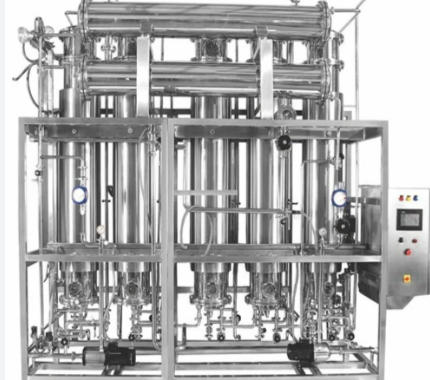
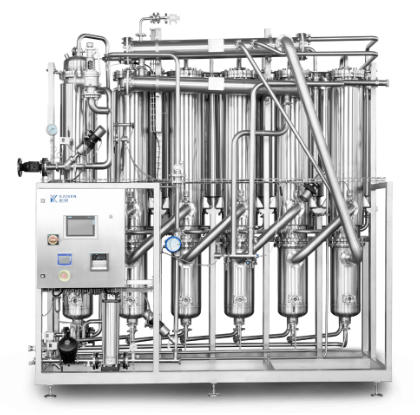
Industrial machines like Everheal's multi-effect distillation water systems can produce large volumes of sterile distilled water at stable temperatures, meeting GMP-compliant standards.
Evaluating Home Distillation Units
Not all distillers are created equal. If you're buying a Distillation Water Machine for home or clinic use, consider these factors:
- Production Capacity: Check how many liters per hour or day the unit can produce.
- Material Construction: Stainless steel is preferred for hygiene and durability.
- Automation: Some advanced models automatically shut off after each cycle.
- Maintenance: Easy cleaning and filter replacement are crucial for efficiency.
- Energy Consumption: Look for energy-efficient heating components.
Home models can produce around 3–6 liters per cycle, perfect for CPAP users or small laboratories. Larger industrial models can produce 100–10,000 liters per hour, used in pharmaceutical or food industries.
The Environmental Impact of Distillation
While distillation is effective, it consumes energy for heating water. However, modern Distillation Water Machines are engineered to recycle heat during the condensation phase. Multi-effect distillers, for instance, reuse latent heat between stages, reducing energy costs by up to 70%.
This makes the technology both eco-friendly and cost-efficient — especially when scaled for industries such as pharmaceuticals, healthcare, beverage production, and biotech.
Comparing Distilled Water with Other Types of Water
| Type of Water | Core Characteristics | Suitable for CPAP Machines |
| Tap Water | Contains minerals, chlorine, and possible contaminants | ❌ No |
| Filtered Water | Removes some impurities but not all | ❌ No |
| Purified Water | May still contain trace minerals | ⚠️ Not recommended |
| Distilled Water | 100% pure H₂O after evaporation-condensation | ✅ Yes |
Distilled water stands out because it prevents mineral scaling and bacterial growth inside the humidifier chamber of CPAP machines.
How to Safely Store and Use Distilled Water
1. Keep in Clean Containers: Use glass or high-grade plastic containers with airtight lids.
2. Avoid Sunlight Exposure: Store in a cool, dark place to prevent contamination.
3. Do Not Refill Used Bottles: Reusing single-use plastic bottles increases the risk of bacterial contamination.
4. Use Within Reasonable Time: Freshly distilled water is best used within 7–10 days for medical applications.
If you use a Distillation Water Machine daily, the freshly produced water should be transferred directly into a sanitized CPAP chamber.
Why Everheal's Distillation Water Systems Are Trusted Worldwide
Everheal, a professional manufacturer of pharmaceutical equipment in China, engineers advanced Distillation Water Machines, pure steam generators, and multi-effect distillers to meet global regulatory requirements.
These systems are tailored for:
- Pharmaceutical and biotech production
- Cosmetic and food-grade liquid processing
- Hospitals and laboratories requiring sterile process water
With advanced automation, intelligent control systems, and validated water quality standards, Everheal ensures every drop of distilled water meets USP, EP, and GMP guidelines.
Partnering for Global Solutions
Everheal offers comprehensive manufacturing support — from customized factory layout planning to turnkey production line installation. Whether you're a small clinic needing reliable distilled water for CPAP humidifiers or a pharmaceutical enterprise producing Water for Injection, Everheal's engineering expertise ensures a dependable supply system.
Conclusion
When maintaining your CPAP machine, choosing distilled water is not just a recommendation — it's essential for hygiene, safety, and equipment longevity. While you can buy distilled water conveniently from supermarkets, pharmacies, or online platforms, investing in a high-quality Distillation Water Machine provides consistent purity, long-term savings, and environmental benefits.
For healthcare institutions and manufacturing facilities, industrial Distillation Water Machines from Everheal offer the precision, efficiency, and compliance needed for large-scale sterile water production. Whether for personal or professional use, distilled water remains the purest, safest choice for CPAP and beyond.
FAQ
1. What happens if I use tap water in my CPAP machine?
Using tap water can cause mineral deposits and bacterial growth, damaging your machine and risking respiratory infections. Always use distilled water only.
2. Can I make distilled water at home without a machine?
Yes, you can boil water and collect the condensed steam, but it's time-consuming and less efficient. A Distillation Water Machine simplifies the process.
3. How long does a home Distillation Water Machine last?
A well-maintained stainless-steel unit can last 8–12 years, depending on water quality and frequency of use.
4. Is distilled water safe to drink?
Yes, but it lacks minerals such as calcium and magnesium. It's ideal for medical equipment, not necessarily for long-term drinking.
5. How can I test if my water is truly distilled?
Use a TDS (total dissolved solids) meter. Distilled water should have a reading close to 0 ppm, indicating no dissolved minerals.


