Content Menu
● Israel's pharma and biotech landscape
● Role of pure steam in Israeli facilities
● Key technologies used by Pure Steam Generator Manufacturers And Suppliers
● Representative global Pure Steam Generator Manufacturers And Suppliers serving Israel
● Example equipment designs from Pure Steam Generator Manufacturers And Suppliers
● Performance and quality benchmarks for pure steam
● Everheal as a global pure steam partner for Israeli projects
● Integration of pure steam with water and sterilization systems
● How Israeli companies select Pure Steam Generator Manufacturers And Suppliers
● Typical applications in Israel for pure steam
● Collaboration models between Israeli firms and Pure Steam Generator Manufacturers And Suppliers
● Innovation trends among Pure Steam Generator Manufacturers And Suppliers
● Why Israel needs global Pure Steam Generator Manufacturers And Suppliers
● How Everheal supports pure steam projects in Israel
● Conclusion
● FAQs
>> 1. What do Pure Steam Generator Manufacturers And Suppliers provide for Israeli pharma plants?
>> 2. How do Israeli companies choose between different Pure Steam Generator Manufacturers And Suppliers?
>> 3. Can international Pure Steam Generator Manufacturers And Suppliers like Everheal support turnkey projects in Israel?
>> 4. What standards should Pure Steam Generator Manufacturers And Suppliers meet for Israeli hospitals and pharma plants?
>> 5. How do Pure Steam Generator Manufacturers And Suppliers ensure efficient and stable operation?
● Citations:
Israel's advanced pharmaceutical and biotech ecosystem relies heavily on high‑performance pure steam systems for sterilization, WFI distribution, and aseptic production. Pure Steam Generator Manufacturers And Suppliers play a central role in helping Israeli plants maintain GMP, FDA, and EU standards while scaling capacity for export‑oriented production lines. For overseas partners such as Everheal, Israel is a strategic market where turnkey pure steam and water systems can support both local innovators and international CDMOs.[1][2][3][4]
Israel's pharma and biotech landscape
Israel is recognized as a global innovation hub in pharmaceuticals, biologics, and medical devices, with a dense network of R&D centers, start‑ups, and export‑oriented manufacturers. This ecosystem demands Pure Steam Generator Manufacturers And Suppliers that can deliver validated utilities for sterile injectables, vaccines, and high‑value generic drugs.[4][5][1]
Israeli pharma facilities typically combine local engineering companies with international Pure Steam Generator Manufacturers And Suppliers from Europe, the US, and Asia. These partners must meet strict regulatory expectations and integrate seamlessly with existing WFI, clean steam, and filling systems.[1][4]
Role of pure steam in Israeli facilities
Pure steam is primarily used for sterilizing process equipment, distribution loops, and critical contact surfaces inside pharmaceutical plants. It is also necessary for SIP processes, sterilization of tanks and reactors, and humidification of classified cleanrooms when contamination risk must be minimized.[6][4]
Pure Steam Generator Manufacturers And Suppliers provide systems that generate pyrogen‑free, non‑contaminating steam whose condensate meets pharmacopeial Water for Injection (WFI) criteria. This ensures that steam touching product‑contact equipment does not introduce particulates, organics, or endotoxins that would compromise product quality and patient safety.[7][5][6]
Key technologies used by Pure Steam Generator Manufacturers And Suppliers
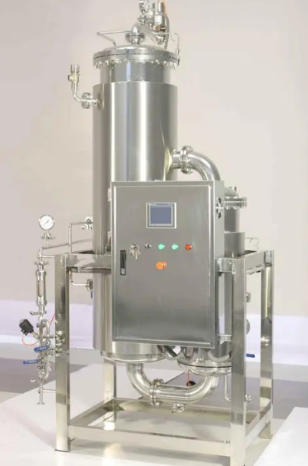
Modern pure steam generators serving Israel are generally thermal, distillation‑based systems that use industrial steam or plant steam as the heating source. Pure Steam Generator Manufacturers And Suppliers design shell‑and‑tube heat exchangers and vertical columns to evaporate high‑purity feedwater, separate droplets, and remove non‑condensable gases.[8][6][7][4]
Typical design features offered by leading Pure Steam Generator Manufacturers And Suppliers include:
- Falling‑film or thin‑film evaporation for efficient heat transfer and robust sterility margins.[6][8]
- Multi‑stage separation (gravity, centrifugal, demister or spiral separation) to minimize carryover and ensure dryness and correct degree of superheat.[5][8][6]
- All‑stainless‑steel construction, often 316L, with hygienic design and surface roughness suitable for pharmaceutical service.[9][7]
Representative global Pure Steam Generator Manufacturers And Suppliers serving Israel
Although Israel has strong local process‑equipment integrators, much of the specialized pure steam hardware is supplied by global Pure Steam Generator Manufacturers And Suppliers. These companies work through agents, EPC firms, and pharma engineering houses active in the Israeli market.[4][1]
Well‑known Pure Steam Generator Manufacturers And Suppliers include:
- Syntegon: Offers distillation‑based systems generating both WFI and pure steam, optimized for low blow‑down rates and robust GMP performance.[4]
- Aqua‑Chem: Supplies pure steam generators widely used in pharmaceutical, biotech, hospital, and lab environments, providing consistent high‑quality pure steam.[10]
- BWT Pharma: Provides compact, high‑performance pure steam systems with comprehensive documentation and prevalidation services.[5]
Many of these Pure Steam Generator Manufacturers And Suppliers either already serve Israel or can be integrated into Israeli projects through local engineering partners and turnkey solution providers.[1][4]
Example equipment designs from Pure Steam Generator Manufacturers And Suppliers
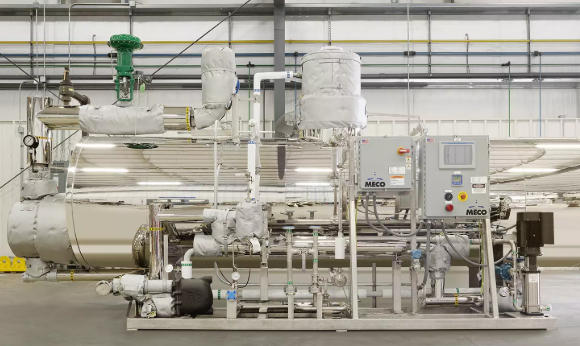
To understand how Pure Steam Generator Manufacturers And Suppliers support demanding Israeli applications, it is useful to look at their typical design philosophies. Several manufacturers focus on modular, easy‑to‑validate systems with automatic control of feedwater, steam pressure, and blow‑down.[7][8][6]
Common design characteristics among Pure Steam Generator Manufacturers And Suppliers are:
- Automatic regulation of industrial steam and feedwater to maintain stable pure steam pressure and temperature across varying loads.[8][7]
- Integrated systems for non‑condensable gas removal from feedwater and pure steam to preserve steam quality and pass EN285/HTM2010 tests.[11][6][8]
- Flexible skid layouts and capacity ranges allowing installations from small R&D cleanrooms up to large commercial sterile plants.[10][4]
Performance and quality benchmarks for pure steam
Pure Steam Generator Manufacturers And Suppliers that support Israel must deliver systems meeting multiple international standards and tests. Condensate of pure steam usually has to meet major pharmacopeial WFI requirements, including USP, EP, JP, or similar monographs. In addition, steam quality tests such as non‑condensable gases, degree of superheat, and dryness fraction must fall within specified limits for sterilization performance.[6][7][5]
To achieve this, Pure Steam Generator Manufacturers And Suppliers employ multi‑stage separation internals and carefully controlled velocities in the evaporation column. Some designs also embed continuous degassing devices, automatic blow‑down, and double‑tube‑plate exchangers to prevent cross contamination between heating steam and pure steam.[7][8][6]
Everheal as a global pure steam partner for Israeli projects
Everheal is positioned as a dedicated pure steam generator manufacturer from China, providing reliable systems for pharmaceutical‑grade pure steam as part of a complete utilities portfolio. In addition to pure steam generators, Everheal offers purified water preparation systems, WFI generation, multi‑effect distillers, liquid filling and sealing machines, and sterilization equipment, making it a strong partner for integrated plant design.[2][3]
For Israeli investors, EPC firms, and plant owners, partnering with Pure Steam Generator Manufacturers And Suppliers like Everheal provides several advantages:
- Turnkey approach: Everheal can design the pure steam generator alongside purified water systems, clean distribution loops, and filling lines to ensure compatibility and efficient layout.[2][3]
- Custom factory layout planning: The company supports factory master planning, utility routing, and production line configuration with a focus on GMP, cGMP, and international audit requirements.[3]
- Cost‑effective sourcing: By combining high‑quality pure steam technology with competitive manufacturing in China, Everheal helps Israeli clients balance CAPEX, OPEX, and compliance goals.[2][7]
Integration of pure steam with water and sterilization systems
Pure Steam Generator Manufacturers And Suppliers rarely operate in isolation; their systems must integrate into a wider critical‑utilities architecture. Typical Israeli projects require coordination between pure steam generators, WFI production, purified water loops, clean‑in‑place (CIP), and sterilization‑in‑place (SIP) systems.[5][4]
Everheal's portfolio supports this integration by combining pure steam generators with pharmaceutical water treatment equipment and downstream processing lines. This enables smooth interfacing with autoclaves, SIP‑ready tanks and reactors, and high‑speed filling and sealing machines used for syringes, vials, and infusion bags in Israeli plants.[3][2]
How Israeli companies select Pure Steam Generator Manufacturers And Suppliers
When choosing Pure Steam Generator Manufacturers And Suppliers, Israeli stakeholders normally evaluate several key criteria to align with both technical and business objectives. For international partners like Everheal, addressing these criteria is essential to building long‑term cooperation.[1][4]
Important selection points include:
- Regulatory compliance and documentation: Availability of design qualification, FAT/SAT, IQ/OQ protocols, and traceability to ASME, PED, and pharmacopeial standards.[6][4][5]
- Technology maturity and reliability: Proven operation in comparable GMP facilities, low failure rates, and strong references from other pharma or biotech clients.[10][4]
- Service and lifecycle support: Ability to provide remote support, spare parts, operator training, and performance requalification, either directly or through local partners.[5][1]
Typical applications in Israel for pure steam
Pure Steam Generator Manufacturers And Suppliers support a broad range of applications inside Israel's healthcare and life‑sciences infrastructure. Pharmaceutical manufacturing remains the core, but demand also comes from hospitals and specialized labs.[4][10]
Major application areas include:
- Sterile injectable plants and biologics facilities requiring validated SIP of fermenters, bioreactors, filtration skids, and filling lines.[4][5]
- Hospital CSSD departments and central sterilization units using pure steam for critical instruments and surgical packs where high sterility assurance levels are mandatory.[10][5]
- Contract manufacturing organizations (CMOs) and CDMOs that must flexibly adapt their pure steam usage to multiple client products and regulatory inspections.[1][4]
Collaboration models between Israeli firms and Pure Steam Generator Manufacturers And Suppliers
Pure Steam Generator Manufacturers And Suppliers usually work with Israeli customers through layered collaboration structures. Local engineering firms or process‑equipment distributors often act as the first interface, while the pure steam OEM provides specialized design and validation support.[1][4]
For overseas suppliers such as Everheal, typical cooperation models with Israeli partners include:
- Direct export of pure steam generators combined with on‑site installation and commissioning by a local engineering company.[3][1]
- Broader turnkey packages where Everheal supplies pure steam, purified water, and key processing lines, while Israeli partners handle civil works, utilities connections, and local regulatory communication.[2][3]
- Long‑term service agreements involving remote monitoring, periodic audits, and spare‑parts stocking in Israel to ensure uptime of pure steam systems.[5][4]
Innovation trends among Pure Steam Generator Manufacturers And Suppliers
To better support high‑tech markets like Israel, Pure Steam Generator Manufacturers And Suppliers are upgrading their equipment with digitalization and more energy‑efficient designs. Modern systems seek to reduce blow‑down, optimize steam usage, and maximize recovery of thermal energy.[7][4]
Innovation directions include:
- Integrating PLC and SCADA systems with validated electronic records and 21 CFR Part 11 compliance, enabling precise control and data integrity for pure steam production.[6][7]
- Designing compact skids that fit within constrained urban facilities while still providing sufficient capacity for future expansion.[10][4]
- Improving separation and degassing technologies to keep steam quality within tight limits even when feedwater or load profiles fluctuate.[8][6][5]
Why Israel needs global Pure Steam Generator Manufacturers And Suppliers
Despite its strong local engineering capabilities, Israel benefits from linking with a diversified pool of Pure Steam Generator Manufacturers And Suppliers worldwide. This access broadens technology choices, reduces supply risks, and can improve cost competitiveness for large strategic projects.[4][1]
Global Pure Steam Generator Manufacturers And Suppliers, including companies in Europe, North America, and Asia such as Everheal, bring extensive experience from multiple regulatory regimes. This helps Israeli manufacturers align with export‑market expectations, pass audits from foreign authorities, and adapt to evolving sterilization standards in vaccines, biologics, and advanced therapies.[2][5][4]
How Everheal supports pure steam projects in Israel
As a specialized pure steam generator manufacturer and integrated pharmaceutical equipment provider, Everheal can tailor solutions for Israel's demanding environment. Its pure steam generators are designed to provide pharmaceutical‑grade steam that meets strict condensate and steam quality requirements.[3][2]
For Israeli customers, Everheal's value proposition includes:
- Complete packages combining pure steam generators, purified water systems, distillation units, sterile filling lines, and sterilization equipment for one‑stop sourcing.[3]
- Project management from concept and URS development through layout design, equipment selection, FAT, SAT, and qualification, simplifying communication and reducing project risk.[3][2]
- Customization for local utilities, building constraints, and integration with existing Israeli automation platforms and MES systems.[1][4]
Conclusion
Israel's advanced pharmaceutical and biotech sector depends on reliable, compliant Pure Steam Generator Manufacturers And Suppliers to support sterile production, SIP/CIP operations, and cleanroom humidification. Global suppliers such as Syntegon, Aqua‑Chem, BWT, and others provide proven pure steam generator technologies that can be integrated into Israeli sites through local engineering partners.[10][5][4]
Everheal, as a dedicated pure steam generator manufacturer and broader pharmaceutical equipment provider from China, offers a compelling alternative for Israeli investors seeking integrated utilities, filling lines, and sterilization systems in a single package. By selecting the right Pure Steam Generator Manufacturers And Suppliers and focusing on regulatory compliance, documentation, and lifecycle support, Israeli pharma companies can build future‑ready sterile plants capable of meeting both domestic and global market demands.[2][3][5][4][1]
FAQs
1. What do Pure Steam Generator Manufacturers And Suppliers provide for Israeli pharma plants?
Pure Steam Generator Manufacturers And Suppliers provide equipment that generates sterile, pyrogen‑free steam whose condensate meets pharmacopeial WFI requirements for use in sterilization and SIP processes. In Israel, these suppliers often deliver skid‑mounted systems with automation, documentation, and validation packages aligned with GMP and international regulatory expectations.[7][6][4][1]
2. How do Israeli companies choose between different Pure Steam Generator Manufacturers And Suppliers?
Israeli manufacturers evaluate Pure Steam Generator Manufacturers And Suppliers based on compliance with pharmacopeias and EN285/HTM2010, references in comparable GMP facilities, and the completeness of qualification documents. They also assess lifecycle service capability, integration with WFI and purified water systems, and alignment with project budgets and construction schedules.[6][5][4][1]
3. Can international Pure Steam Generator Manufacturers And Suppliers like Everheal support turnkey projects in Israel?
Yes, international Pure Steam Generator Manufacturers And Suppliers such as Everheal can support Israeli projects through export of pure steam generators and related utilities, combined with on‑site installation from local engineering partners. By providing purified water preparation systems, pure steam generators, filling and sealing machines, and sterilizers, Everheal helps create integrated, GMP‑compliant production lines for the Israeli market.[3][2]
4. What standards should Pure Steam Generator Manufacturers And Suppliers meet for Israeli hospitals and pharma plants?
Pure Steam Generator Manufacturers And Suppliers typically design to ASME or equivalent pressure‑vessel codes and ensure that condensate meets WFI quality as defined by major pharmacopeias. For sterilization performance, they must also comply with steam quality criteria such as dryness, non‑condensable gases, and degree of superheat defined by EN285 and HTM2010 or equivalent guidance.[11][9][5][6]
5. How do Pure Steam Generator Manufacturers And Suppliers ensure efficient and stable operation?
Pure Steam Generator Manufacturers And Suppliers use advanced separation devices, continuous degassing, and automatic control of feedwater and heating steam to maintain stable pressure and high steam purity. Many systems incorporate PLC/SCADA controls, optimized blow‑down, and robust thermal designs to reduce energy consumption and support long‑term, reliable operation in demanding Israeli environments.[8][7][6][4]
Citations:
[1](https://interp.co.il/en/pharmaceuticals-and-biotechnology/)
[2](https://www.everhealgroup.com/pure-steam-generator-manufacturer.html)
[3](https://www.everhealgroup.com/pharmaceutical-water-trearment-equipment.html)
[4](https://www.syntegon.com/solutions/pharma/distillation-based-pure-media-systems/)
[5](https://www.bwt-pharma.com/en/application-overview/pure-steam/)
[6](https://hiltekvn.com/shop/bio-tech/pure-steam-generator)
[7](https://www.molewater.com/pure-steam-generation-system-psg)
[8](https://pharmectech.com/products/pure-steam-generator)
[9](https://www.iven-pharma.com/pharmaceutical-pure-steam-generator-product/)
[10](https://www.pharmaceutical-tech.com/products/aqua-chem/pure-steam-generators)
[11](https://www.maryatech.com/de/produkt/pure-steam-generator/)
[12](https://www.delama.it/product/serie-dlsg-steam-generators/)
[13](https://en.paulmueller.com/pharmaceutical-manufacturing-equipment/pure-steam-generator)
[14](https://www.everhealgroup.com/top-pharmaceutical-equipment-manufacturers-and-suppliers-in-israel.html)
[15](https://ergil.com/process-support-systems/steam-generator-vessel/)


