Content Menu
● The Growing Pharmaceutical Industry in Uzbekistan
● Why Uzbekistan Needs Reliable Equipment Suppliers
● Everheal: Leading the Way in Pharmaceutical Equipment Solutions
>> Key Product Categories:
● Uzbekistan's Demand for Modern Pharmaceutical Equipment
>> Key Development Drivers in the Uzbek Market:
● Top Pharmaceutical Equipment Manufacturers And Suppliers in Uzbekistan
>> 1. Everheal (China)
>> 2. Rommelag Engineering
>> 3. Bausch + Ströbel
>> 4. Getinge Group
>> 5. IMA Group
>> 6. Truking Technology (China)
>> 7. Syntegon (formerly Bosch Packaging)
● Factors to Consider When Choosing Pharmaceutical Equipment Suppliers
● The Future of Pharmaceutical Manufacturing in Uzbekistan
● Conclusion
● FAQ
>> 1. What type of equipment do Pharmaceutical Equipment Manufacturers And Suppliers provide?
>> 2. How can Everheal support pharmaceutical projects in Uzbekistan?
>> 3. Why is GMP compliance so important in pharmaceutical manufacturing?
>> 4. Are there local Pharmaceutical Equipment Manufacturers in Uzbekistan?
>> 5. What trends will shape Uzbekistan's pharmaceutical equipment market in the future?
Pharmaceutical development in Uzbekistan is accelerating, driven by modernization, regulatory improvements, and increasing healthcare investments. As local and foreign manufacturers expand operations, the demand for world-class pharmaceutical equipment grows rapidly. To support this dynamic industry, Pharmaceutical Equipment Manufacturers And Suppliers from around the world — including China's *Everheal* — are playing a critical role in building efficient and compliant production facilities.
This article provides an in-depth view of the leading Pharmaceutical Equipment Manufacturers And Suppliers in Uzbekistan, their market trends, and essential factors for selecting reliable partners for pharmaceutical production expansion.
The Growing Pharmaceutical Industry in Uzbekistan
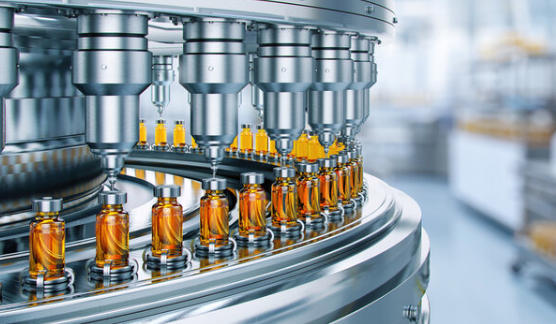
Uzbekistan's pharmaceutical industry has undergone a major transformation over the past decade. The government has launched multiple investment programs to encourage local drug manufacturing and reduce import dependency. This policy shift has spurred demand for advanced equipment such as:
- Purified water systems and clean steam generators.
- Liquid filling and sealing machines.
- Distillation water units.
- Sterilization and autoclave systems.
- Packaging and labeling equipment.
Local companies increasingly collaborate with international Pharmaceutical Equipment Manufacturers And Suppliers to ensure compliance with international GMP and ISO standards.
Why Uzbekistan Needs Reliable Equipment Suppliers
Pharmaceutical manufacturing requires precision, sterility, and compliance with rigorous quality standards. Choosing the right equipment supplier is therefore vital. For Uzbekistan's developing pharmaceutical ecosystem, partnering with trusted global Pharmaceutical Equipment Manufacturers And Suppliers ensures advantages such as:
1. Regulatory compliance — meeting WHO, FDA, and EU GMP requirements.
2. Operational efficiency — reduction of waste and energy costs.
3. Product quality consistency — maintaining batch uniformity across production lines.
4. Custom engineering support — adapting systems to local facility layouts.
5. Scalability — upgrading production capacities as demand increases.
These aspects collectively determine not just the performance of pharmaceutical plants but also their sustainability and competitiveness in international markets.
Everheal: Leading the Way in Pharmaceutical Equipment Solutions
As one of China's prominent Pharmaceutical Equipment Manufacturers And Suppliers, Everheal specializes in designing and producing advanced pharmaceutical systems tailored for global export. With years of experience in process engineering, Everheal serves clients across Asia, the Middle East, and Eastern Europe — including Uzbekistan.
Key Product Categories:
- Purified Water Preparation Systems: Ensures consistent high-quality purified water meeting pharmacopoeia standards.
- Pure Steam Generators: Designed for sterilization and clean steam applications in sterile production zones.
- Multi-Effect Distillation Water Machines: Generates Water for Injection (WFI) with optimal energy efficiency.
- Liquid Filling and Sealing Machines: Automates aseptic filling for ampoules, vials, or bottles.
- Sterilization Systems: Provides high-temperature sterilizers and autoclaves for diverse pharmaceutical applications.
Everheal supports clients by providing custom factory layout design, on-site installation, commissioning, and validation services — a full turnkey solution that extends beyond equipment supply.
Uzbekistan's Demand for Modern Pharmaceutical Equipment
The pharmaceutical market in Uzbekistan is fueled by both domestic and multinational companies aiming to meet local healthcare needs. Facilities are moving toward GMP modernization, prompting strong imports of machinery from trusted Pharmaceutical Equipment Manufacturers And Suppliers.
Key Development Drivers in the Uzbek Market:
- Rapid expansion of domestic drug manufacturing zones.
- Government incentives for local API and finished dosage production.
- Growing export potential towards Central Asian and CIS countries.
- Strategic partnerships with foreign technical suppliers, especially from China and Europe.
Uzbek pharmaceutical firms are upgrading not only production but also R&D, sterile environments, and packaging lines — all dependent on reliable equipment suppliers.
Top Pharmaceutical Equipment Manufacturers And Suppliers in Uzbekistan
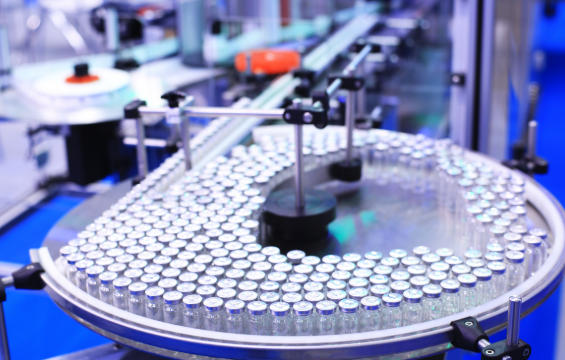
While Uzbekistan imports most of its advanced pharmaceutical machinery, several regional players collaborate locally through joint ventures and distribution networks. Below are some of the notable companies contributing to the country's development.
1. Everheal (China)
Everheal is a globally recognized manufacturer providing turnkey pharmaceutical systems, including purified water generation, sterilization, and filling machinery. The company's precision-engineered products are designed to comply with GMP standards, making Everheal an ideal partner for Uzbek manufacturers aiming at global market standards.
2. Rommelag Engineering
A top German supplier known for Blow-Fill-Seal (BFS) technology. Rommelag's systems are widely adopted in aseptic packaging, offering high output and sterile assurance — essential for injectable products.
3. Bausch + Ströbel
Specializing in pharmaceutical filling and packaging, Bausch + Ströbel offers advanced solutions for liquid pharmaceuticals. Their products are used by major global brands and are now entering emerging markets such as Uzbekistan.
4. Getinge Group
A Swedish company that focuses on sterilization technology and biopharmaceutical system integration. Their equipment is crucial for both hospital and industrial-scale sterilization.
5. IMA Group
Headquartered in Italy, IMA is one of the world's largest Pharmaceutical Equipment Manufacturers And Suppliers, producing systems for processing, packaging, and tablet coating.
6. Truking Technology (China)
Truking has become one of Asia's major players, providing complete process systems and integrated automation for the pharmaceutical industry, now expanding its footprint in Central Asia.
7. Syntegon (formerly Bosch Packaging)
A well-established name known for high-quality filling, inspection, and packaging systems that comply with international GMP standards.
These companies collectively represent the growing partnership between global Pharmaceutical Equipment Manufacturers And Suppliers and Uzbekistan's expanding healthcare sector.
Factors to Consider When Choosing Pharmaceutical Equipment Suppliers
Selecting an equipment supplier for pharmaceutical operations in Uzbekistan requires a thorough evaluation of several factors:
1. Compliance Certifications — Verify GMP, CE, ISO, and FDA compliance.
2. Customization Capabilities — Systems should align with local plant design and production goals.
3. After-Sales Support — Technical training, installation, and maintenance assistance are essential.
4. Cost Efficiency — Balance between equipment quality and operational cost.
5. Integration Expertise — Ability to incorporate systems into digitalized, automated environments.
A partnership with experienced Pharmaceutical Equipment Manufacturers And Suppliers ensures long-term stability, productivity, and risk mitigation.
The Future of Pharmaceutical Manufacturing in Uzbekistan
The next decade is expected to witness significant advancements in Uzbekistan's pharmaceutical landscape. Digital transformation, GMP modernization, and sustainable production initiatives will shape the market. As international collaboration deepens, Pharmaceutical Equipment Manufacturers And Suppliers like Everheal will play a pivotal role in enabling cutting-edge production solutions for injectable drugs, vaccines, and biosimilars.
Furthermore, smart manufacturing, energy-efficient water systems, and automated sterilization technologies will continue to redefine production efficiency — aligning Uzbekistan's manufacturing base with international pharmaceutical standards.
Conclusion
Uzbekistan is becoming a key destination for pharmaceutical expansion in Central Asia. As its healthcare sector advances, the demand for technology-driven, reliable Pharmaceutical Equipment Manufacturers And Suppliers will only rise. Companies like Everheal offer not just machinery but complete engineering solutions that enhance productivity, ensure compliance, and support sustainable pharmaceutical development.
For businesses planning to modernize or expand in Uzbekistan, partnering with innovative global suppliers will secure both short-term operational success and long-term competitiveness in the international pharmaceutical market.
FAQ
1. What type of equipment do Pharmaceutical Equipment Manufacturers And Suppliers provide?
They offer purified water systems, clean steam generators, filling machines, sterilizers, filtration units, and packaging lines for the production of sterile and non-sterile pharmaceutical products.
2. How can Everheal support pharmaceutical projects in Uzbekistan?
Everheal provides customized pharmaceutical systems, factory layout design, installation, and validation services to help Uzbek manufacturers achieve international GMP certification and operational efficiency.
3. Why is GMP compliance so important in pharmaceutical manufacturing?
GMP compliance ensures the safety, efficacy, and consistency of pharmaceutical products, meeting both domestic and international regulatory requirements.
4. Are there local Pharmaceutical Equipment Manufacturers in Uzbekistan?
Currently, local production capacity is limited, and many Uzbek companies import their equipment from international suppliers such as Everheal, Truking, and European manufacturers.
5. What trends will shape Uzbekistan's pharmaceutical equipment market in the future?
Key trends include automation, digital monitoring systems, eco-efficient utilities, and stronger collaboration with global Pharmaceutical Equipment Manufacturers And Suppliers to support advanced manufacturing.


