


Views: 222 Author: Rebecca Publish Time: 2025-12-31 Origin: Site


Content Menu
● The Rise of South Korea's Pharmaceutical Equipment Industry
● Advantages of Partnering with South Korean Equipment Manufacturers
>> 1. Strong Regulatory Framework
>> 2. Technological Innovation
>> 3. Export-Oriented Expertise
>> 4. Competitive Pricing and Fast Delivery
● Leading Pharmaceutical Equipment Manufacturers And Suppliers in South Korea
>> 1. SK Biotek
>> 3. Hankook Cosmetics Machinery Ltd.
>> 4. Daihan Scientific Co., Ltd.
>> 5. Sungkyung Tech Co., Ltd.
>> 7. Hanshin Medical Co., Ltd.
● South Korea's Global Competitiveness in Pharmaceutical Equipment
● How Everheal Supports Global Pharmaceutical Manufacturing
● The Future Outlook of Pharmaceutical Equipment Manufacturing in South Korea
● FAQs About Pharmaceutical Equipment Manufacturers And Suppliers in South Korea
>> 1. What types of pharmaceutical equipment are made in South Korea?
>> 2. Are South Korean pharmaceutical equipment suppliers GMP certified?
>> 3. How do South Korean manufacturers compare with European suppliers?
>> 4. Can South Korean pharmaceutical equipment be integrated into existing production lines?
>> 5. Do South Korean suppliers provide factory design and installation support?
The pharmaceutical industry in South Korea has witnessed immense growth over the past two decades, establishing itself as one of Asia's most advanced and reliable manufacturing hubs. From active ingredient production to advanced pharmaceutical equipment manufacturing, South Korea remains a key global player known for its innovation, quality standards, and efficient supply chains.
For companies seeking Pharmaceutical Equipment Manufacturers And Suppliers in South Korea, the region offers a strong ecosystem of technology-driven firms that produce everything from water purification and sterilization systems to automated filling lines and cleanroom installations.
This article explores the leading Pharmaceutical Equipment Manufacturers And Suppliers in South Korea, their specialties, and the country's overall industrial advantages in supporting pharmaceutical production and facility development.
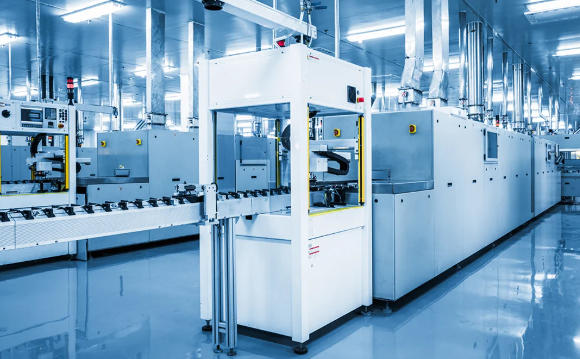
South Korea's pharmaceutical industry benefits from strong governmental support, advanced manufacturing infrastructure, and a well-educated technical workforce. The sector's growth aligns with the country's overall transformation into a high-technology manufacturing leader.
The rise of Pharmaceutical Equipment Manufacturers And Suppliers can be attributed to:
- Rapid technological integration in production processes.
- Growing investment in biopharmaceutical and vaccine manufacturing.
- Strong adherence to international GMP (Good Manufacturing Practice) standards.
- Ambitious expansion of medical exports and research partnerships.
The government's continuous push for pharmaceutical innovation—coupled with the global demand for biologics and sterile production technologies—has positioned South Korea as a reliable destination for pharmaceutical equipment sourcing.
When selecting Pharmaceutical Equipment Manufacturers And Suppliers, businesses must balance quality, compliance, and service reliability. South Korea stands out for several reasons:
Korean manufacturers comply with international standards such as EU GMP, ISO certifications, and the U.S. FDA's CGMP requirements. This ensures machinery is well-suited for export and integrates easily into global pharmaceutical facilities.
South Korean companies continually invest in R&D to produce advanced cleanroom systems, automated control equipment, and digital monitoring systems used in pharmaceutical production lines.
Because South Korea is a major exporter of industrial equipment, its manufacturers are highly experienced in handling technical documentation, installation guidance, and customized engineering support for international clients.
Compared with Western countries, South Korean equipment offers a strong balance between technical sophistication and competitive pricing, reducing both lead times and long-term operational costs.
SK Biotek is a subsidiary of South Korea's SK Group and focuses on custom manufacturing services (CDMO) and high-quality process equipment for pharmaceutical production. While primarily known for chemical synthesis, the company also supplies reactors, separators, and purification systems designed for API and bulk drug production.
Key Offerings:
- API manufacturing equipment
- Process engineering systems
- GMP-certified manufacturing facilities
Highlight:
SK Biotek collaborates with global pharmaceutical firms, providing both production and equipment support that integrates with advanced automation platforms.
Samsung Biologics has become one of Asia's largest biopharmaceutical contract manufacturers and serves as an indispensable partner in Korea's pharmaceutical ecosystem. While known for biologics production, it also designs and implements in-house sterilization, water purification, and cleanroom control systems—components that form the foundation of modern pharmaceutical equipment.
Key Offerings:
- Cleanroom and sterilization system integration
- Pharmaceutical-grade water preparation units
- Process automation and monitoring solutions
Highlight:
Samsung Biologics invests heavily in sustainability-focused equipment manufacturing that reduces energy usage while maintaining top-tier production standards.
Hankook is a key manufacturer of filling and sealing machinery for both cosmetics and pharmaceutical liquids. Its versatile product lines include small-volume vial fillers, ampoule sealing machines, and semi-automatic liquid packing systems—perfect for sterile environments.
Key Offerings:
- Liquid filling & sealing machines
- Pharmaceutical packaging machinery
- Complete production line integration
Highlight:
The company emphasizes modular system design, allowing pharmaceutical producers to expand or customize production lines without disrupting GMP compliance.
Daihan Scientific manufactures laboratory and pharmaceutical equipment that supports research and industrial applications. Their product catalog includes autoclaves, sterilizers, incubators, water purification systems, and glove boxes used for sterile pharmaceutical manufacturing.
Key Offerings:
- Sterilization and incubation equipment
- Distilled and ultrapure water systems
- Pharmaceutical R&D instruments
Highlight:
With a global distribution network, Daihan is one of South Korea's most export-oriented Pharmaceutical Equipment Manufacturers And Suppliers, known for precise engineering and reliability.
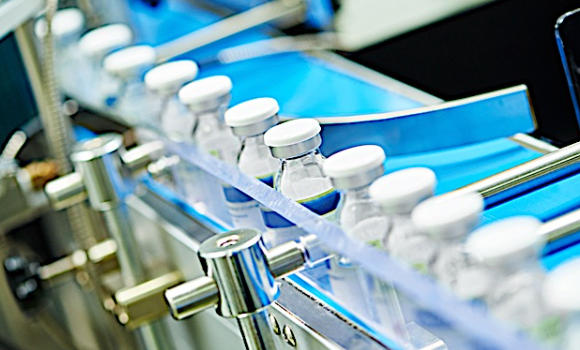
Sungkyung Tech specializes in pure water and pure steam systems, offering design, installation, and maintenance for GMP-standard pharmaceutical facilities. Their systems are widely used for injection water preparation, sterile cleaning, and process steam generation.
Key Offerings:
- Pure water generation systems
- Multi-effect distillation units
- Pure steam generators
Highlight:
As one of the top-rated Pharmaceutical Equipment Manufacturers And Suppliers, Sungkyung Tech delivers turnkey engineering from conceptual design to full-scale plant commissioning.
Cozia Tech focuses on automation technologies that optimize pharmaceutical equipment efficiency. They supply control panels, PLC systems, and real-time monitoring software that seamlessly integrate with purification, filling, and sterilization processes.
Key Offerings:
- Control automation systems
- Process validation and monitoring
- Cleanroom HVAC control solutions
Highlight:
Cozia Tech is part of a growing cluster of smart manufacturing innovators—helping pharmaceutical companies implement Industry 4.0 solutions for better productivity and quality assurance.
Hanshin Medical is a leading producer of sterilization and disinfection systems customized for pharmaceutical and healthcare industries. The company's autoclaves and low-temperature sterilizers meet international validation standards and are widely used for equipment sterilization in manufacturing environments.
Key Offerings:
- GMP sterilization systems
- Autoclaves and dry heat sterilizers
- Custom-built chamber designs
Highlight:
Hanshin's precise control systems support consistent sterilization cycles, a crucial factor for aseptic pharmaceutical manufacturing.
South Korean firms compete strongly with European and American producers due to their comprehensive production capabilities, rapid delivery schedules, and customer-focused engineering. Their strength lies not only in machinery design but also in total project execution, including cleanroom setup, validation, training, and after-sales services.
Additionally, Korean equipment suppliers collaborate closely with global companies, ensuring product designs align with evolving international regulations such as PIC/S and USP water standards.
As a global supplier based in China, Everheal partners with leading Pharmaceutical Equipment Manufacturers And Suppliers around Asia, including South Korea, to deliver customized pharmaceutical plant solutions worldwide.
Everheal's product range includes:
- Pure water preparation systems
- Pure steam generators
- Multi-effect distillation water machines
- Liquid filling and sealing machines
- Sterilization systems
Through collaboration with Korean engineering firms, Everheal helps clients design and implement cost-effective factory layouts that meet international pharmaceutical standards. The integration of high-quality Korean equipment with Everheal's design expertise ensures efficiency, reliability, and regulatory compliance in every project.
South Korea's pharmaceutical equipment market will continue expanding as global demand for vaccines, biosimilars, and advanced drug delivery systems grows. Key future trends include:
- Increased adoption of AI and IoT in process automation.
- Sustainable and energy-efficient equipment design.
- Enhanced traceability and data analytics for GMP documentation.
- Strengthened international partnerships to expand export channels.
With strong governmental backing and technological innovation, South Korea is poised to remain a top destination for Pharmaceutical Equipment Manufacturers And Suppliers seeking global reach and manufacturing excellence.
South Korea has firmly established itself as one of the world's most promising sources of pharmaceutical manufacturing technology. From pure water systems and sterilizers to fully automated packaging machinery, its Pharmaceutical Equipment Manufacturers And Suppliers demonstrate superior quality, innovation, and global reliability.
For companies like Everheal seeking high-performance equipment and integrated factory solutions, South Korea's pharmaceutical equipment industry offers a technologically advanced, competitively priced, and globally compliant ecosystem—an ideal partner for building the next generation of pharmaceutical production facilities.
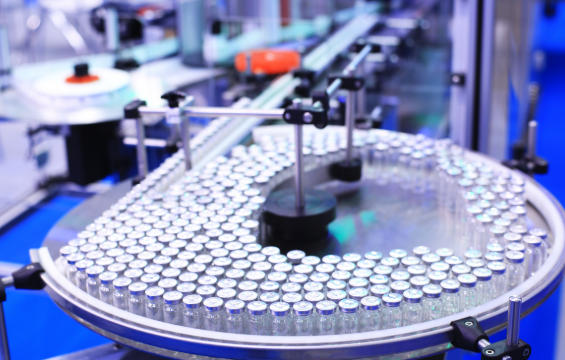
South Korea produces a wide range of equipment including pure water systems, steam generators, sterilizers, filling machines, cleanroom solutions, and packaging automation equipment, all meeting GMP and international standards.
Yes. Most Pharmaceutical Equipment Manufacturers And Suppliers in South Korea operate under GMP and ISO standards, and their systems are validated according to global compliance requirements for pharmaceutical production.
They offer similar quality and technology at more competitive costs, shorter lead times, and better adaptability to project customization, making them attractive to global pharmaceutical investors.
Absolutely. Korean suppliers design modular and flexible systems that integrate smoothly into existing pharmaceutical plants with compatible automation and control systems.
Many leading Pharmaceutical Equipment Manufacturers And Suppliers offer turnkey services—covering layout planning, equipment commissioning, staff training, and long-term maintenance support.


