Content Menu
● Understanding Pure Steam Generators
● Typical Applications in Pharma and Biotech
● Key Design Features of Modern Pure Steam Generators
● 1. Ningbo Everheal Medical Equipment Co., LTD.
● 2. WEMAC – Pure Steam Generator Manufacturers China
● 3. IVEN Pharma – Pharmaceutical Pure Steam Generator
● 4. JOSTON Industry – Water Treatment and Pure Steam
● 5. Shanghai‑Based Water and Steam Equipment Makers
● 6. Platform‑Based China Pure Steam Generator Suppliers
● 7. Biotech‑Focused Pure Steam Generator Manufacturers
● 8. Niche and OEM Pure Steam Generator Manufacturers in China
● 9. Technology Trends in Pure Steam Generation
● 10. Why Global Buyers Choose Chinese Pure Steam Generator Manufacturers
● Practical Selection Criteria for Buyers
● How Ningbo Everheal Supports Turnkey Projects
● Best Practices for Working with Chinese Pure Steam Generator Manufacturers
● Conclusion
● FAQ
>> 1. What is the difference between pure steam and industrial steam?
>> 2. Why are pure steam generators preferred over standard boilers in pharma plants?
>> 3. How can I size a pure steam generator for my facility?
>> 4. What information should I include in a URS for a pure steam generator?
>> 5. Can a pure steam generator be integrated into an existing water and sterilization system?
● Citations:
Pure steam generators are a critical part of modern pharmaceutical and biotech facilities, ensuring safe, reliable sterilization and contamination control in clean manufacturing environments. These systems help global drug manufacturers meet strict GMP, FDA and pharmacopeial requirements while maintaining stable, efficient production.
China has become one of the most dynamic hubs for pure steam generator engineering and fabrication, with a growing number of suppliers serving both domestic and international markets. Among these Pure Steam Generator Manufacturers, Ningbo Everheal Medical Equipment Co., LTD. stands out as a specialist in complete pharmaceutical water and steam solutions, supporting turnkey plant layout and production line projects.
Understanding Pure Steam Generators
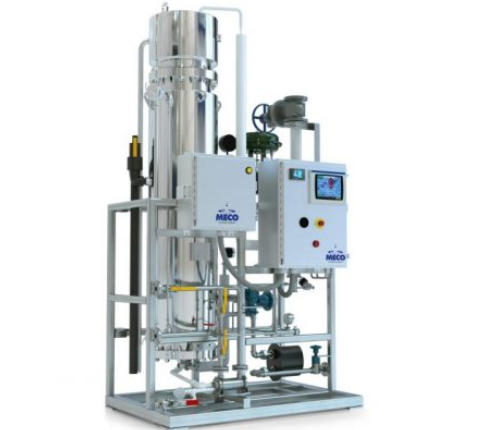
A pure steam generator is designed to produce sterile, pyrogen‑free steam from pre‑treated or purified water using a controlled evaporation and separation process. Compared with ordinary industrial steam boilers, pure steam generators focus on steam quality, removing water droplets, particulates, non‑condensable gases and potential contaminants before the steam reaches the sterilization load.
In a typical system, pre‑treated water enters a heat exchanger, is brought to boiling, and then passes into an evaporation column where steam is separated from the liquid phase. Through gravity, centrifugal or multi‑stage separation techniques, droplets and impurities are removed, so that when this steam condenses it can meet the quality requirements similar to Water for Injection. This high‑purity steam is then used for sterilization‑in‑place (SIP), autoclaves, sterile tank sterilization and cleanroom humidification in pharmaceutical and biotech plants.
Typical Applications in Pharma and Biotech
Pure steam generators have a clearly defined role in pharmaceutical and life science manufacturing. Common applications include:
- Feeding SIP systems and sterilization lines for reactors, tanks, piping and filters.
- Providing high‑quality steam to autoclaves, sterilizers and lyophilizers where controlled sterilization cycles are essential.
- Supplying cleanroom humidification and air‑handling units where condensate characteristics must be carefully controlled.
Because these applications directly impact product sterility and patient safety, pharmaceutical companies pay close attention to steam quality, documentation and validation when selecting Pure Steam Generator Manufacturers.
Key Design Features of Modern Pure Steam Generators
Although each manufacturer has its own design details, most pharmaceutical‑grade pure steam generators share several core engineering features:
- High‑grade stainless steel construction for product‑contact surfaces, typically stainless steel 316L with controlled surface roughness to support cleanability.
- Double‑tube‑sheet or similar heat exchanger design to prevent cross‑contamination between plant steam and purified water.
- Multi‑stage separation technologies (flash separation, gravity separation, centrifugal or spiral separation) to remove droplets and minimize entrainment.
- Integrated non‑condensable gas removal structures, such as special spray nozzles or degassing devices, to reduce gas content in the produced steam.
- Automated control via PLC with PID loops to maintain stable pure steam pressure, temperature and water level under varying load conditions.
These engineering decisions are driven by regulatory expectations and practical operating experience in sterile manufacturing environments.
1. Ningbo Everheal Medical Equipment Co., LTD.
Ningbo Everheal Medical Equipment Co., LTD. is a Chinese company dedicated to pharmaceutical process utilities and sterile production equipment. Everheal focuses on integrated solutions that combine pure water preparation systems, pure steam generators, multi‑effect or multifunctional distillation water machines, liquid filling and sealing machines and sterilization systems. This enables customers to source multiple critical utilities and core equipment from one supplier.
As one of the notable Pure Steam Generator Manufacturers in China, Everheal designs its systems specifically for pharmaceutical, biotech and healthcare plants. The pure steam generators are engineered to interface seamlessly with purified water/WFI systems and sterilization equipment, supporting SIP procedures, autoclaves and cleanroom humidification. In addition, all designs are oriented toward GMP compliance, with sanitary materials, cleanable geometries and well‑structured documentation.
A major advantage of Everheal is its ability to provide custom factory layout planning and complete production line construction proposals for global buyers. Instead of selling isolated machines, the company can help design the entire utility and production flow, including placement of pure steam generators, purified water equipment, piping routes and sterile filling lines. This one‑stop approach is particularly attractive for investors planning new facilities or upgrading existing plants to meet international standards.
For overseas partners, Everheal can support:
- Pharmaceutical water treatment and distribution system design, including purified water and WFI loops.
- Pure steam generator selection and sizing based on sterilization load, autoclave capacity and SIP demand.
- Integration with sterilizers, liquid filling lines and cleanroom utilities to ensure robust, validated sterile manufacturing capability.
By combining engineering support, equipment manufacturing and project‑level service, Ningbo Everheal strengthens its position among Pure Steam Generator Manufacturers in China and enables reliable cooperation with international pharmaceutical companies.
2. WEMAC – Pure Steam Generator Manufacturers China
WEMAC is widely recognized in the Chinese market for its pharmaceutical‑grade pure steam and water systems. Its pure steam generators are developed specifically to meet the requirements of pharmaceutical and biotech users, including high steam purity, low non‑condensable gases and stable operation under fluctuating load conditions.
The company's designs typically emphasize:
- Robust columns and separation structures to maintain steam dryness and low impurity carryover.
- Flexible capacity ranges to cover small, mid‑size and large factory needs.
- Good compatibility with existing purified water systems and sterilization equipment.
WEMAC positions itself as one of the professional Pure Steam Generator Manufacturers in China, offering technical support, documentation and custom configurations to both domestic and export clients.
3. IVEN Pharma – Pharmaceutical Pure Steam Generator
IVEN Pharma provides pure steam generators as part of its broader portfolio of pharmaceutical turnkey solutions. Its pharmaceutical pure steam generator models often use plant steam as the heating medium and purified water as the feed, ensuring clean energy transfer without contaminating the product side.
Key strengths include:
- Automatic feedwater and pressure control to match varying steam demand.
- Integration into complete sterile manufacturing lines, including filling, inspection and packaging.
- Experience in multi‑country GMP, which helps support documentation for regulatory submission.
For buyers seeking a supplier that can also provide production lines beyond utilities, IVEN is a strong option among Pure Steam Generator Manufacturers.
4. JOSTON Industry – Water Treatment and Pure Steam
JOSTON Industry focuses on pharmaceutical water treatment systems and pure steam generators, delivering combined solutions for purified water, WFI and pure steam. Its equipment is typically configured to support complete pharmaceutical utility rooms, making it easier for users to manage engineering interfaces and commissioning schedules.
For pure steam generation, JOSTON highlights:
- Reliable, compact skid designs.
- Seamless integration with upstream water treatment units.
- Alignment with GMP and validation requirements for life science applications.
This combination of water and steam expertise positions JOSTON as a suitable partner for small to mid‑size pharmaceutical plants seeking practical, integrated solutions.
5. Shanghai‑Based Water and Steam Equipment Makers
Several Shanghai‑based equipment manufacturers specialize in pure water and steam systems for pharmaceutical and medical applications. These companies often offer pure steam generators along with RO systems, EDI units, distillation systems and clean distribution loops.
Their pure steam generators commonly feature:
- Modular design suitable for compact utility rooms.
- Multiple control options, from simple local panels to fully integrated DCS/SCADA connections.
- Capacity ranges that cover hospital sterilization centers and industrial‑scale plants alike.
For international distributors or engineering firms, such Shanghai manufacturers can provide OEM or private label pure steam generator solutions, broadening the portfolio of available Pure Steam Generator Manufacturers.
6. Platform‑Based China Pure Steam Generator Suppliers
In addition to established brands, many Chinese pure steam generator makers promote their products through B2B platforms and industry marketplaces. These platforms list several Pure Steam Generator Manufacturers in China, allowing buyers to compare performance parameters, materials and capacities.
Buyers using platform‑based suppliers should carefully review:
- Company history, certifications and reference projects.
- Technical data such as design pressure, steam dryness, non‑condensable gas content and control strategy.
- After‑sales commitments, spare parts availability and remote support options.
When properly vetted, platform‑discovered suppliers can offer cost‑effective pure steam generators, especially for smaller capacities and regional projects.
7. Biotech‑Focused Pure Steam Generator Manufacturers
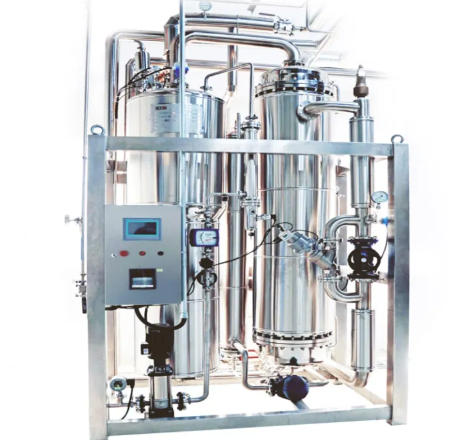
Some Chinese manufacturers concentrate explicitly on equipment for biotechnology and high‑end sterile injectable plants. For these users, pure steam generators are part of critical infrastructure along with WFI stills, clean utilities and isolated filling systems.
Typical design considerations in these biotech‑oriented pure steam generators include:
- Extremely low non‑condensable gas content and high steam dryness to minimize sterilization variability.
- Sophisticated PLC/SCADA systems with data trending, alarm history and audit trails to support data integrity requirements.
- Flexible, modular columns and heat exchanger configurations to match multi‑product or multi‑building facility layouts.
Such manufacturers typically cooperate closely with engineering firms and user teams from concept design through to performance qualification.
8. Niche and OEM Pure Steam Generator Manufacturers in China
Besides well‑known firms, many niche Chinese Pure Steam Generator Manufacturers specialize in specific size ranges or markets such as hospitals, laboratories or local contract manufacturers. These companies may offer:
- Compact pure steam generators suitable for central sterile services departments in hospitals.
- Economical units optimized for lower steam consumption and simpler maintenance.
- OEM services where units are supplied under the brand of foreign partners or engineering companies.
For foreign distributors, these niche manufacturers can be a valuable source of flexible, re‑brandable pure steam generator solutions, provided that quality control and documentation are carefully managed.
9. Technology Trends in Pure Steam Generation
The technology behind pure steam generators continues to evolve, and Chinese manufacturers actively incorporate global best practices into their designs. Several notable trends can be observed across modern Pure Steam Generator Manufacturers:
- Increased adoption of double‑tube‑sheet heat exchangers and advanced separation geometry to further reduce contamination risk.
- More comprehensive non‑condensable gas removal techniques, improving compliance with international sterilization standards.
- Highly automated PLC and HMI systems with Ethernet or industrial communication protocols, allowing integration into plant‑wide control networks.
These developments help ensure that pure steam systems are easier to operate, more efficient and better supported by data for regulatory audits and continuous improvement.
10. Why Global Buyers Choose Chinese Pure Steam Generator Manufacturers
Global pharmaceutical, biotech and healthcare enterprises increasingly consider Chinese suppliers when procuring pure steam generators. Several factors drive this trend:
- Cost‑effectiveness: Chinese Pure Steam Generator Manufacturers often deliver competitive capital costs while still offering advanced technical features.
- Engineering capability: Many suppliers employ experienced mechanical, process and automation engineers who understand the requirements of regulated industries.
- Complete solution packages: Companies like Ningbo Everheal can deliver pure water, WFI, pure steam, sterilization equipment and filling lines as a unified solution, simplifying project management.
When combined with improved quality management and international project experience, these strengths make China an attractive source of pure steam generator technology.
Practical Selection Criteria for Buyers
Choosing the right partner among Pure Steam Generator Manufacturers in China requires a structured evaluation process. Buyers should consider:
- Regulatory and quality alignment
- Does the manufacturer design and document systems under cGMP principles?
- Are product‑contact materials, welding procedures and surface finishes appropriate for pharmaceutical use?
- Technical performance
- Is the design pressure, capacity and control range compatible with the facility's sterilization loads and utility conditions?
- What are the guaranteed limits for steam dryness, non‑condensable gas content and superheat?
- Engineering integration
- Can the supplier integrate the pure steam generator with existing or planned purified water/WFI systems?
- Is there experience coordinating with autoclaves, SIP systems and cleanroom HVAC for seamless operation?
- Documentation and validation
- Are detailed P&IDs, wiring diagrams, material certificates and test records supplied?
- Can the supplier support FAT, SAT, IQ and OQ activities, onsite or remotely?
- Service and lifecycle support
- What is the availability of spare parts, remote diagnostics and onsite service?
- Is there training available for operators and maintenance staff?
Using these criteria, buyers can shortlist suitable Pure Steam Generator Manufacturers and then conduct technical and commercial comparisons to select a partner.
How Ningbo Everheal Supports Turnkey Projects
As a dedicated pharmaceutical equipment company, Ningbo Everheal adds value not only through equipment quality but also through project‑level support. Everheal's strengths in turnkey and customized solutions include:
- Plant layout and process design
- Assisting customers in planning the physical layout of water rooms, pure steam generator skids, distillation units and sterilization equipment.
- Optimizing piping routes to reduce dead legs and ensure efficient maintenance access in clean utility areas.
- Integrated utility and production line capability
- Combining pure water systems, pure steam generators, multi‑effect distillation units and distribution loops into a cohesive, validated package.
- Aligning sterile filling and sealing machines with upstream utilities and downstream sterilization to support continuous, compliant production.
- Global cooperation orientation
- Supporting documentation needs for international GMP inspections.
- Communicating with overseas engineering teams and end users to adapt design, control philosophy and validation practices to local expectations.
For foreign buyers who need more than just a single machine, Everheal's ability to act as a system integrator and project partner is a significant advantage.
Best Practices for Working with Chinese Pure Steam Generator Manufacturers
To build successful long‑term partnerships, international buyers can follow several best practices when working with Chinese Pure Steam Generator Manufacturers:
1. Define requirements clearly
- Provide detailed URS documents specifying performance, documentation, control integration and regulatory expectations.
- Share process flow diagrams and utility data at an early stage to avoid misalignment.
2. Plan for communication and review
- Set up regular design review meetings to discuss P&IDs, GA drawings and control logic.
- Clarify language, time zone and documentation format expectations to keep the project on schedule.
3. Emphasize testing and qualification
- Include FAT and SAT scopes in the contract, with clear acceptance criteria.
- Coordinate IQ/OQ responsibilities between the manufacturer, local integrator and end user.
4. Prepare for lifecycle support
- Clarify spare parts lists and recommended maintenance plans before equipment shipment.
- Agree on remote support arrangements and response times for troubleshooting and optimization.
By following these practices, buyers can fully leverage the capabilities of Chinese Pure Steam Generator Manufacturers and ensure reliable, compliant operation in their facilities.
Conclusion
Pure steam generators are at the heart of sterile manufacturing infrastructure, providing the high‑purity steam required for SIP processes, sterilizers and critical humidification in pharmaceutical and biotech plants. China has developed a strong and diverse group of Pure Steam Generator Manufacturers that can serve projects ranging from hospital CSSDs to complex vaccine or biotech facilities.
Ningbo Everheal Medical Equipment Co., LTD. distinguishes itself by offering not only pure steam generators but also purified water systems, distillation equipment, liquid filling and sealing machines and sterilization solutions, all backed by customized factory layout planning and production line design. With careful selection, clear technical requirements and structured collaboration, global buyers can work with Everheal and other leading Pure Steam Generator Manufacturers in China to build efficient, compliant and robust sterile manufacturing environments.
FAQ
1. What is the difference between pure steam and industrial steam?
Pure steam is generated from purified or highly treated water in equipment designed to remove droplets, particles and non‑condensable gases, so that the condensate meets stringent pharmaceutical quality requirements. Industrial steam is usually produced from boiler feedwater with more relaxed purity control and is used for general heating or power generation rather than direct contact with drug products or sterile equipment.
2. Why are pure steam generators preferred over standard boilers in pharma plants?
Pharmaceutical plants use pure steam generators because they offer controlled, validated steam quality that supports sterilization and regulatory compliance. Standard boilers cannot guarantee the same level of purity, and contaminants in their steam could compromise product safety, damage equipment or cause failures in sterilization cycles.
3. How can I size a pure steam generator for my facility?
Sizing is usually based on the sum of maximum simultaneous steam demands from autoclaves, SIP circuits, sterilizable tanks and other consumers, plus a safety margin for future expansion. A good practice is to work with Pure Steam Generator Manufacturers to model batch operations, peak loads and standby requirements, then select a generator capacity that maintains stable pressure and steam quality under those conditions.
4. What information should I include in a URS for a pure steam generator?
A clear URS should describe expected capacity, design pressure, feedwater quality, steam quality targets, control and communication requirements, documentation standards, validation expectations and installation constraints. Including layout sketches, utility data and applicable regulations helps Pure Steam Generator Manufacturers propose accurate and compliant designs from the start.
5. Can a pure steam generator be integrated into an existing water and sterilization system?
Yes, pure steam generators are often integrated into existing purified water/WFI systems and sterilization equipment, provided that piping, control and capacity conditions are carefully evaluated. Collaboration between the manufacturer, local engineering teams and end users is essential to align control signals, pressure set points, interlocks and validation activities during integration.
Citations:
[1](https://www.paulmueller.com/store/product/pure-steam-generator)
[2](https://pure-steam-generator.com)
[3](https://www.meco.com/product/biopharmaceutical-pure-steam-generators/)
[4](https://www.sterislifesciences.com/Products/Water-For-Injection-and-Pure-Steam-Equipment/Finn-Aqua-T-Series-Steam-Generator)
[5](https://pharmectech.com/products/pure-steam-generator)
[6](https://aqua-chem.com/pure-steam-generation2/)
[7](https://www.stilmas.com/equipment/pure-steam-generator)
[8](https://tiansure.en.made-in-china.com/product/jUQRxNyHgack/China-Pharmaceutical-Grade-Pure-Steam-Generator-for-Reliable-Sterilization.html)
[9](http://en.sinohuate.com/product-item-4.html)
[10](http://alliedscientific.com.au/wp-content/uploads/2018/05/STERIS-Finn-Aqua-Pure-Steam-Generator-for-Pharmaceutical-Manufacturing-Brochure-2.pdf)


