Content Menu
● Understanding Cleanroom Products
● Why China Leads in Cleanroom Manufacturing
● 1. Ningbo Everheal Medical Equipment Co., LTD.
● 2. HY Cleanroom Technology Co., Ltd.
● 3. Willson Cleanroom Equipment Co., Ltd.
● 4. Digo Clean Technology Co., Ltd.
● 5. TLY Technology Co., Ltd.
● 6. Wuxi Lenge Purification Equipments Co., Ltd.
● 7. Zonsteel
● 8. Qing Neng Group
● 9. Dersion Environmental Technology Co., Ltd.
● 10. Sunnyda
● How to Choose the Right Cleanroom Products Manufacturer
● Application Sectors Served by Chinese Cleanroom Products Manufacturers
● Role of Visual Content When Marketing Cleanroom Manufacturers
● Conclusion
● FAQ
>> 1. What are the main advantages of choosing Chinese Cleanroom Products Manufacturers?
>> 2. Why is Ningbo Everheal Medical Equipment Co., LTD. especially suitable for pharmaceutical projects?
>> 3. How can I evaluate the quality of a Cleanroom Products Manufacturer before placing an order?
>> 4. Do Chinese Cleanroom Products Manufacturers support custom OEM or private‑label projects?
>> 5. What industries most commonly work with Chinese Cleanroom Products Manufacturers?
● Citations:
China has rapidly become a global hub for cleanroom technology, offering a broad range of solutions that support pharmaceuticals, biotechnology, medical devices, and high‑tech manufacturing. This article presents the top 10 Cleanroom Products Manufacturers in China, with Ningbo Everheal Medical Equipment Co., LTD. highlighted as a strategic partner for pharmaceutical cleanroom projects.
Understanding Cleanroom Products
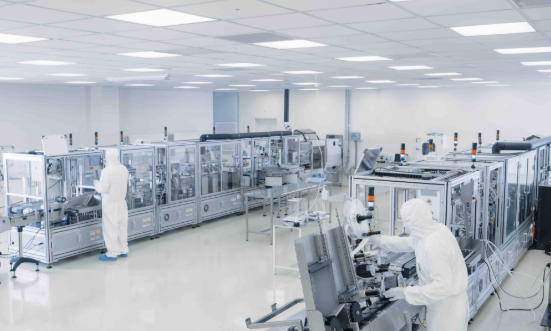
Cleanroom products include everything needed to create and maintain controlled environments where airborne particles, microbes, temperature, and humidity are tightly regulated. Typical products range from modular cleanroom panels and ceilings to air handling units (AHUs), HEPA/ULPA filters, air showers, pass boxes, doors, windows, cleanroom furniture, garments, and consumables.
In pharmaceutical and biotech facilities, cleanroom products are designed to comply with ISO cleanroom classes and GMP Grades A–D, ensuring aseptic conditions during critical operations. Cleanroom Products Manufacturers in China increasingly offer integrated systems that combine building, HVAC, and process equipment into one coordinated solution.
Why China Leads in Cleanroom Manufacturing
China's position as a global manufacturing center drives strong demand for advanced contamination control, pushing local suppliers to upgrade technology and quality. As a result, many leading Cleanroom Products Manufacturers now meet or exceed international standards, with competitive pricing and strong engineering capabilities.
For overseas buyers, Chinese manufacturers offer several advantages:
- Flexible customization for different industries and regulatory frameworks.
- Mature supply chains for steel structures, panels, filters, and electronic components.
- Experience with turnkey EPC (engineering, procurement, construction) projects and OEM/ODM cooperation.
These strengths make Chinese Cleanroom Products Manufacturers an attractive choice for new plants, facility upgrades, and global sourcing programs.
1. Ningbo Everheal Medical Equipment Co., LTD.
Ningbo Everheal Medical Equipment Co., LTD. (Everheal) is a specialized Chinese company focused on pharmaceutical equipment and cleanroom engineering. Everheal stands out among Cleanroom Products Manufacturers because it combines advanced process systems with complete cleanroom and layout planning services.
Everheal's core portfolio includes:
- Pure water preparation systems for pharmaceutical‑grade purified water and WFI.
- Pure steam generators for sterilization processes and critical utility lines.
- Multi‑effect distillation units for high‑purity water generation.
- Liquid filling and sealing machines for ampoules, vials, and small‑volume parenterals.
- Sterilization systems that integrate with cleanroom and production lines.
What makes Everheal different from many other Cleanroom Products Manufacturers is its focus on project integration. The company supports customers from concept design through factory layout, cleanroom zoning, HVAC design, utility routing, equipment selection, and installation. This is especially valuable for injectable drugs, sterile preparations, and hospital pharmacy projects where process equipment and cleanroom must be perfectly aligned.
Everheal can provide:
- Full plant layout planning for new or expanded pharmaceutical facilities.
- Cleanroom engineering for Grade A/B critical zones, Grade C/D support areas, and technical corridors.
- Integrated production line solutions that combine water systems, pure steam, clean utilities, sterilization, and filling/sealing.
Through this end‑to‑end approach, Everheal positions itself not only as a Cleanroom Products Manufacturer but as a long‑term technology partner for global pharmaceutical customers.
2. HY Cleanroom Technology Co., Ltd.
HY Cleanroom Technology is a comprehensive cleanroom engineering company serving pharmaceuticals, microelectronics, laboratories, and food and healthcare industries. It is widely recognized as one of the established Cleanroom Products Manufacturers in China, with experience in both domestic and international projects.
HY typically offers:
- Turnkey cleanroom engineering services, from design to construction and validation.
- Modular cleanroom wall and ceiling systems with compatible doors, windows, and pass boxes.
- Clean air solutions including AHUs, HEPA filtration, terminal HEPA boxes, and laminar flow devices.
The company focuses on optimizing airflow patterns, pressure cascades, and energy efficiency, helping customers reduce operating costs while maintaining regulatory compliance. As a Cleanroom Products Manufacturer, HY also supports customization for different cleanroom classes and processes, such as aseptic filling, packaging, and laboratory testing.
3. Willson Cleanroom Equipment Co., Ltd.
Willson Cleanroom Equipment specializes in equipment‑level solutions such as air showers, laminar flow hoods, clean benches, and both soft‑wall and hard‑wall modular cleanrooms. This focus makes it one of the more versatile Cleanroom Products Manufacturers serving clients who need rapid deployment of localized clean zones.
Typical Willson offerings include:
- Personnel and material air showers for controlled entry and exit.
- Horizontal and vertical laminar flow cabinets for critical workstations.
- Soft‑wall cleanrooms ideal for temporary or flexible production requirements.
These products allow factories, laboratories, and assembly plants to add cleanroom functions without fully rebuilding their infrastructure. For overseas distributors and integrators, a Cleanroom Products Manufacturer like Willson provides a flexible equipment catalog that can complement larger engineering projects.
4. Digo Clean Technology Co., Ltd.
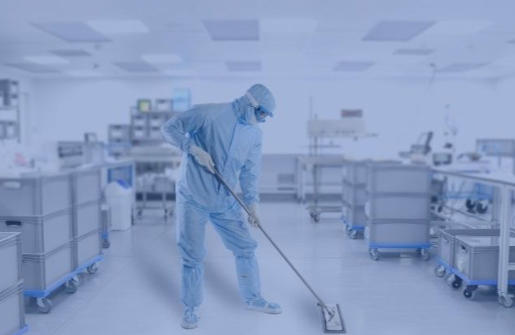
Digo Clean Technology focuses on contamination‑control consumables, becoming one of the important Cleanroom Products Manufacturers in the wipes, swabs, and garment segment. While it does not usually provide full cleanroom buildings, Digo's products are essential for day‑to‑day operation.
Its main product lines include:
- Polyester, microfiber, and blended cleanroom wipes with low particle and ion shedding.
- Cleanroom swabs for precision cleaning of equipment surfaces and delicate components.
- Cleanroom garments, hoods, caps, and shoe covers for personnel protection and particle control.
Working with a specialized consumables supplier like Digo enables cleanroom operators to maintain cleanliness standards over the long term. For many global buyers, combining infrastructure‑focused Cleanroom Products Manufacturers with a strong consumables partner is the most efficient strategy.
5. TLY Technology Co., Ltd.
TLY Technology is another key player in the cleanroom consumables field, supplying wipes, swabs, and cleanroom paper to customers in pharmaceuticals, semiconductors, and precision manufacturing. Its role among Cleanroom Products Manufacturers is to provide high‑volume, consistent supplies that support routine cleaning and documentation inside cleanrooms.
TLY pays particular attention to:
- Material compatibility with solvents and disinfectants commonly used in cleanrooms.
- Particle and fiber shedding characteristics of wipes and paper products.
- Packaging designed to minimize contamination during storage and handling.
For international importers, working with Cleanroom Products Manufacturers like TLY offers stable supply capacity, attractive pricing, and the possibility of private‑label or OEM branding of consumables.
6. Wuxi Lenge Purification Equipments Co., Ltd.
Wuxi Lenge Purification focuses on purification and filtration systems for cleanrooms, especially in pharma and electronics. As one of the equipment‑oriented Cleanroom Products Manufacturers, it delivers core technologies that determine air quality and contamination control.
Its capabilities often cover:
- Central air handling units with multi‑stage filtration.
- High‑efficiency filter housings, ducts, and terminal HEPA modules.
- Supplemental purification equipment such as fan filter units for local clean areas.
Customers who already have basic building structures or modular rooms often choose Lenge Purification for upgrades, expansions, or optimization of their cleanroom air systems. Working with such Cleanroom Products Manufacturers helps improve cleanroom performance without completely replacing existing structures.
7. Zonsteel
Zonsteel is a seasoned pharmaceutical cleanroom supplier, well known for integrated modular cleanroom systems and stainless steel cleanroom furniture. It occupies a strong position among Cleanroom Products Manufacturers that serve high‑regulation fields such as pharma, healthcare, and laboratories.
Zonsteel's offerings usually include:
- Modular cleanroom envelopes (walls, ceilings, and floors) designed for easy cleaning.
- Cleanroom doors, windows, and pass boxes with smooth, corrosion‑resistant finishes.
- Stainless steel workbenches, cabinets, sinks, and lockers suitable for clean environments.
This combination of envelope systems and furniture allows Zonsteel to deliver complete interior packages for pharmaceutical cleanrooms. Many buyers prefer such Cleanroom Products Manufacturers because they can source most interior components from one supplier, simplifying design coordination.
8. Qing Neng Group
Qing Neng Group is a cleanroom building materials and equipment supplier with a strong manufacturing base. It is one of the Cleanroom Products Manufacturers that focuses on structural components and doors, supporting many engineering companies and contractors.
Typical products include:
- Insulated cleanroom panels with metal skins and specialized cores.
- Cleanroom and fire‑rated doors designed for positive or negative pressure environments.
- Complementary accessories such as window systems and trims.
Qing Neng Group places emphasis on compliance, durability, and cost‑effectiveness, making it suitable for large‑scale projects requiring thousands of square meters of panels. Engineering companies often integrate Qing Neng's components into their own turnkey cleanroom solutions.
9. Dersion Environmental Technology Co., Ltd.
Dersion Environmental Technology concentrates on modular cleanroom solutions with an emphasis on flexibility and rapid installation. It is a Cleanroom Products Manufacturer that aligns well with industries facing fast‑changing product mix and capacity requirements.
Key focus areas include:
- Modular cleanroom units that can be expanded, relocated, or reconfigured.
- Standardized structural and MEP (mechanical, electrical, plumbing) interfaces for quick assembly.
- Support for different cleanliness classes and environmental parameters.
Companies that need to ramp up production quickly—such as new pharmaceutical fill‑finish lines or electronics assembly steps—often favor Dersion and similar modular‑oriented Cleanroom Products Manufacturers.
10. Sunnyda
Sunnyda is an innovative supplier of pharmaceutical cleanrooms, portable cleanroom chambers, and customized cleanroom solutions. It is one of the Cleanroom Products Manufacturers that focuses strongly on tailor‑made designs for specialized applications.
Sunnyda often delivers:
- Portable or containerized cleanrooms for mobile laboratories, temporary production, or disaster relief.
- Custom sterile rooms for pharmaceuticals, biotechnology, and research institutions.
- Aluminum and steel‑structured cleanrooms optimized for quick deployment and efficient operation.
Customers seeking non‑standard layouts, temporary facilities, or remote‑location projects often choose Sunnyda or similar Cleanroom Products Manufacturers because of their experience with compact and mobile solutions.
How to Choose the Right Cleanroom Products Manufacturer
Selecting among multiple Cleanroom Products Manufacturers requires clear criteria. For overseas buyers, especially in regulated industries, the following points are critical:
- Regulatory and quality compliance
Confirm certifications such as ISO 9001, ISO 14001, and, where relevant, CE marking and documentation supporting GMP, FDA, or WHO guidelines. Request sample validation documents, FAT/SAT procedures, and typical acceptance criteria.
- Industry experience and references
Shortlist Cleanroom Products Manufacturers with proven references in your sector (pharma, biotech, medical device, semiconductor, food, or research). Case studies and project references demonstrate real‑world performance.
- Engineering and integration capability
Evaluate whether the manufacturer can support layout design, airflow and pressure calculations, utility integration, and risk assessment. For pharmaceutical facilities, Everheal's ability to integrate pure water, pure steam, sterilization, and filling equipment with cleanroom engineering is a strong advantage.
- Customization and lifecycle support
Consider whether the supplier can adapt products to your SOPs, cleaning regimes, and maintenance capabilities. Check availability of spare parts, remote support, and on‑site service for the full life of the cleanroom.
By systematically comparing Cleanroom Products Manufacturers against these criteria, buyers can reduce project risk and secure reliable partners for long‑term cooperation.
Application Sectors Served by Chinese Cleanroom Products Manufacturers
Modern Cleanroom Products Manufacturers in China serve a wide range of industries, each with distinct cleanliness and process requirements:
- Pharmaceuticals and biotechnology
Focus on aseptic processing, sterile filling, lyophilization, and packaging, with Grade A/B zones and strict environmental monitoring.
- Medical devices and diagnostics
Emphasis on particulate and microbial control during molding, assembly, packaging, and sterilization processes.
- Semiconductors and electronics
Ultra‑low particle environments, ESD control, and temperature/humidity stability for IC, display, and sensor manufacturing.
- Food, cosmetics, and healthcare
Cleanroom Products Manufacturers provide controlled environments for preparation, filling, and packaging to ensure hygiene and product safety.
This variety of applications gives Chinese manufacturers broad practical experience and encourages continuous innovation in cleanroom design and product development.
Role of Visual Content When Marketing Cleanroom Manufacturers
When promoting Cleanroom Products Manufacturers to international buyers, visual content strongly influences trust and conversion. A well‑structured marketing page or article should use images and videos (without embedding links in the text) to demonstrate real capabilities.
Effective visual content typically includes:
- Factory and workshop overviews showing machining, panel production, and QA labs.
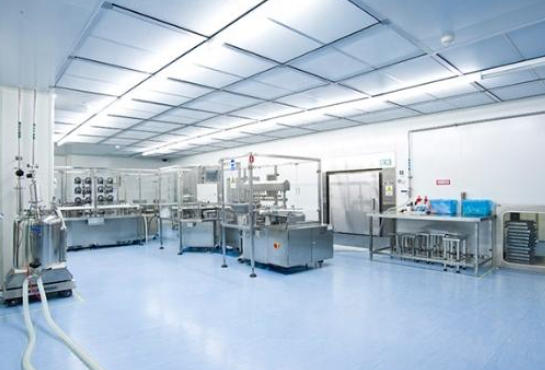
- Cleanroom interiors highlighting panel finishes, joints, covings, and lighting.
- Process diagrams explaining airflow patterns, filtration stages, and pressure cascades.
- Short videos showing assembly, installation, commissioning, and operation of key systems.
For a company like Everheal, process flow animations of pure water distribution, pure steam loops, sterilization cycles, and filling lines inside the cleanroom can clearly convey its strength compared with more traditional Cleanroom Products Manufacturers.
Conclusion
China's cleanroom industry has grown into a mature ecosystem of Cleanroom Products Manufacturers that provide everything from structural panels and HVAC systems to consumables and fully integrated turnkey solutions. Within this landscape, Ningbo Everheal Medical Equipment Co., LTD. stands out for its ability to combine cleanroom engineering with sophisticated pharmaceutical equipment, making it a strong partner for sterile drug production and hospital pharmacy projects.
By carefully assessing regulatory compliance, engineering capability, customization options, and lifecycle services, global buyers can identify the Cleanroom Products Manufacturers that best match their technical and business needs. Partnering with the right manufacturer helps ensure smooth project delivery, robust regulatory readiness, and long‑term operational reliability for cleanroom facilities in pharmaceuticals, biotech, electronics, and beyond.
FAQ
1. What are the main advantages of choosing Chinese Cleanroom Products Manufacturers?
Chinese Cleanroom Products Manufacturers offer a combination of competitive pricing, strong production capacity, and wide product portfolios, covering panels, HVAC, equipment, and consumables. Many suppliers also provide engineering design, installation, and validation support, which simplifies project execution for overseas buyers.
2. Why is Ningbo Everheal Medical Equipment Co., LTD. especially suitable for pharmaceutical projects?
Everheal is uniquely positioned because it integrates pure water systems, pure steam generators, multi‑effect distillation, sterilization equipment, and liquid filling/sealing machines with complete cleanroom engineering. This allows pharmaceutical clients to obtain factory layout planning, cleanroom construction, and process equipment from a single experienced partner.
3. How can I evaluate the quality of a Cleanroom Products Manufacturer before placing an order?
Start by reviewing certifications, quality management systems, and reference projects in your industry. Request technical drawings, sample materials, testing reports, and, if possible, arrange a factory audit or remote video inspection. Comparing proposals from several Cleanroom Products Manufacturers will help you benchmark quality and engineering depth.
4. Do Chinese Cleanroom Products Manufacturers support custom OEM or private‑label projects?
Yes, many Cleanroom Products Manufacturers in China welcome OEM and private‑label cooperation, especially for cleanroom consumables, equipment, and modular components. Buyers can customize branding, packaging, and even some design elements while leveraging the manufacturer's existing production lines and expertise.
5. What industries most commonly work with Chinese Cleanroom Products Manufacturers?
The most common industries include pharmaceuticals, biotechnology, medical devices, semiconductors, electronics, laboratories, food and beverage, and cosmetics. These sectors rely on Cleanroom Products Manufacturers to provide controlled environments that protect product quality, patient safety, and regulatory compliance.
Citations:
[1](https://www.grandviewresearch.com/horizon/outlook/cleanroom-technology-market/china)
[2](https://sst.semiconductor-digest.com/2005/04/your-market-analysis-china-is-changing-the-worlds-cleanroom-industry/)
[3](https://www1.hkexnews.hk/listedco/listconews/sehk/2020/1015/9474081/sehk20040801401.pdf)
[4](https://www.pmecchina.com/en/clean)
[5](https://cleanroomtechnology.com/china-s-cleanroom-markets-continue-to-grow-and-upgrade-131596)
[6](https://www.reddit.com/r/manufacturing/comments/1ak4awb/experience_with_chinese_cleanroom_manufacturers/)
[7](https://www.custommarketinsights.com/report/apac-clean-room-technology-market/)
[8](https://biocrtech.com/industry-report-on-the-continuous-expansion-and-growth-of-the-demand/)
[9](https://www.linkedin.com/pulse/china-cleanroom-consumables-market-scope-2025-by-type-z0g0e)
[10](http://www.clcte.com/article/show_article.php?id=229)


