Content Menu
● Understanding the Purpose of Water in a CPAP Machine
>> Why Water Quality Matters
● What Is Distilled Water?
>> How a Distillation Water Machine Works
● What Is Alkaline Water?
● Can Distilled Alkaline Water Be Used in a CPAP Machine?
>> The Ideal Choice: Pure Distilled Water
● The Dangers of Using Alkaline or Tap Water in CPAP Systems
>> 1. Mineral Deposits and Scaling
>> 2. Microbial Growth
>> 3. Shortened Equipment Lifespan
>> 4. Health Implications
● Benefits of Using a Distillation Water Machine for CPAP Maintenance
>> Key Advantages:
● Distilled Water vs. Other Types of Purified Water
● How to Maintain Your CPAP Humidifier with Distilled Water
>> 1. Use Only Fresh Distilled Water Daily
>> 2. Empty and Dry After Each Use
>> 3. Clean with Mild Detergent Weekly
>> 4. Replace the Water Chamber Regularly
● The Role of Distillation Water Machines in Healthcare and Industry
● Conclusion
● FAQ
>> 1. What type of water should I use in my CPAP machine?
>> 2. Can I use bottled water instead of distilled water?
>> 3. Is it safe to use reverse osmosis (RO) water?
>> 4. How do I make distilled water at home?
>> 5. Will using the wrong type of water damage my CPAP?
Continuous Positive Airway Pressure (CPAP) therapy is one of the most effective treatments for sleep apnea, a condition that affects millions of people worldwide. For patients using CPAP machines daily, water quality is a critical concern. Many users wonder whether distilled alkaline water can be used safely in CPAP machines, and how different types of purified water affect equipment and health outcomes.
This article explores how distilled water, alkaline water, and advanced Distillation Water Machines interact within the context of CPAP therapy—and offers practical insights for healthcare professionals, equipment suppliers, and patients alike.
Understanding the Purpose of Water in a CPAP Machine
CPAP machines deliver constant airflow through a mask to keep the airway open during sleep. Most modern CPAP systems include a humidifier chamber to add moisture to the air and prevent dryness in the nasal passages and throat. The water used in this chamber plays a vital role in maintaining machine hygiene and patient comfort.
Why Water Quality Matters
Using the right type of water is essential because:
- It prevents mineral buildup in the humidifier chamber.
- It reduces the risk of bacterial and mold growth.
- It helps maintain consistent humidity output.
- It prolongs the lifespan of the CPAP equipment.
Regular tap water often contains dissolved minerals like calcium, magnesium, and iron. Over time, these deposits accumulate on heating plates and the water chamber surface, leading to scaling, corrosion, or even mechanical malfunction.
What Is Distilled Water?
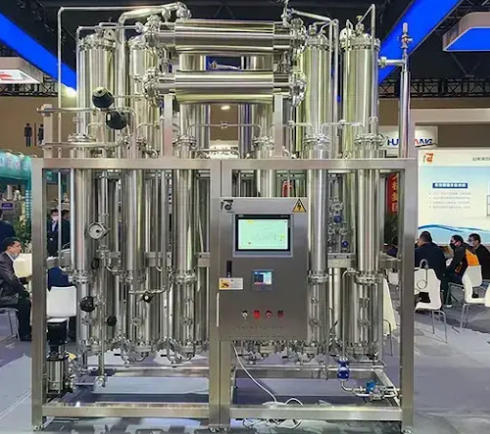
Distilled water is pure water that has been boiled into steam and then condensed back into a liquid state through a Distillation Water Machine. This process removes impurities, including salts, heavy metals, bacteria, and other contaminants. The result is ultra-pure water with neutral pH and no minerals.
How a Distillation Water Machine Works
A Distillation Water Machine typically includes the following steps:
1. Boiling – Tap water is heated to create steam.
2. Condensation – Steam moves into a cooling chamber, separating pure water vapor from non-volatile impurities.
3. Collection – The condensed steam returns to liquid form and is collected as distilled water.
4. Optional Filtration – Some systems include activated carbon filters to further polish taste and remove volatile chemicals.
Manufacturers like Everheal provide pharmaceutical-grade Distillation Water Machines that meet global standards for purity, ensuring that the resulting water is ideal for clinical and laboratory environments, including CPAP use.
What Is Alkaline Water?
Alkaline water has a higher pH value, typically between 8 and 9, compared with normal drinking water, which has a pH of around 7. The “alkalinity” comes from added minerals such as calcium, magnesium, potassium, and bicarbonate. Advocates claim that alkaline water can:
- Neutralize body acidity.
- Provide antioxidant benefits.
- Improve hydration efficiency.
However, these health claims remain scientifically controversial, and more importantly, alkaline water is not pure. Because it contains mineral ions, it may leave deposits when heated—making it potentially unsuitable for machines that rely on mineral-free water.
Can Distilled Alkaline Water Be Used in a CPAP Machine?
At first glance, “distilled alkaline water” sounds like a best-of-both-worlds solution: pure water that's also alkaline. However, the process of distillation removes alkalinity, because distillation separates water vapor from dissolved minerals. To make distilled water “alkaline,” manufacturers typically add minerals back after the distillation process.
This means that distilled alkaline water is no longer mineral-free—making it unsafe for CPAP machine use. The added minerals can accumulate inside the humidifier chamber and heating element, leading to scaling and reducing machine efficiency.
The Ideal Choice: Pure Distilled Water
For CPAP machines, pure distilled water remains the gold standard. It is free from minerals, chemical additives, and biological contaminants. Using true distilled water produced by a reliable Distillation Water Machine ensures optimal performance, safety, and hygiene.
The Dangers of Using Alkaline or Tap Water in CPAP Systems
Let's break down the potential consequences of using impure water sources:
1. Mineral Deposits and Scaling
Tap and alkaline waters often contain calcium carbonate and magnesium sulfates. As the water heats and evaporates, these minerals crystallize, leaving visible deposits on the water chamber surface. Over time, this build-up hardens, reducing heating efficiency and possibly breaking internal components.
2. Microbial Growth
Non-distilled water can harbor bacteria, fungi, and organic matter. CPAP humidifiers operate in warm, humid environments—conditions ideal for microbial growth. These microbes can enter the airflow and cause respiratory infections or allergic reactions.
3. Shortened Equipment Lifespan
Even small amounts of mineral residue may lead to corrosion, stiff valves, or warped plastic over time. This damage compromises both user safety and machine durability.
4. Health Implications
Contaminated water may release trace metals, chlorine compounds, or volatile substances into the air supply. For patients with sensitive lungs or existing respiratory conditions, this could cause irritation, coughing, or inflammation.
Benefits of Using a Distillation Water Machine for CPAP Maintenance
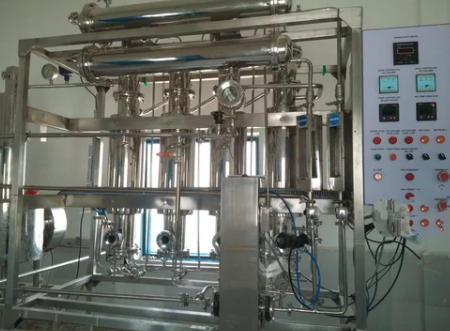
A Distillation Water Machine is essential not only for CPAP users but also for clinics and equipment suppliers who require consistent access to high-purity water.
Key Advantages:
- Guaranteed Purity – Every drop is sterilized and stripped of minerals.
- Consistent Quality – Distillation ensures the same output purity each time.
- Reduced Waste – Reusable system without reliance on disposable water bottles.
- Economical Long-Term – Lower maintenance costs compared to frequent chamber replacements.
- Regulatory Compliance – Meets pharmaceutical and laboratory-grade standards.
Everheal's multifunctional distillation water systems are engineered with automatic cleaning and energy recovery features, ensuring both cost efficiency and sustainability. For global health and pharmaceutical clients, these systems can be integrated into complete water purification lines, including pure steam generators and sterilization units.
Distilled Water vs. Other Types of Purified Water
Let's compare popular water types used in medical or personal health equipment.
| Water Type | Purification Method | Contains Minerals? | Suitable for CPAP? | Notes |
| Distilled Water | Distillation | No | ✅ Yes | Best choice for CPAP use |
| Alkaline Water | Ionization or additives | Yes | ❌ No | Leaves mineral residue |
| Deionized Water | Ion exchange | Minimal | ⚠️ Not ideal | Lacks full sterilization |
| Reverse Osmosis (RO) Water | Membrane filtration | Trace amounts | ⚠️ Acceptable alternative | Still less pure than distilled water |
In summary, distilled water produced by a certified Distillation Water Machine is unmatched in purity and consistency, making it the recommended choice for CPAP humidifiers.
How to Maintain Your CPAP Humidifier with Distilled Water
1. Use Only Fresh Distilled Water Daily
Always fill the humidifier with freshly distilled water, even if it's from your personal Distillation Water Machine. Replacing water daily prevents microbial contamination.
2. Empty and Dry After Each Use
After each night's sleep, discard leftover water and leave the chamber open to air dry. This minimizes bacterial growth and mineral residue.
3. Clean with Mild Detergent Weekly
Soak the water chamber in mild soap and warm distilled water once per week. Avoid harsh chemicals or unfiltered tap water.
4. Replace the Water Chamber Regularly
Follow manufacturer recommendations for replacement—typically every 6 months—to ensure consistent hygiene.
The Role of Distillation Water Machines in Healthcare and Industry
Beyond CPAP care, Distillation Water Machines are vital across various fields:
- Pharmaceutical manufacturing – Producing purified water for injection and solution preparation.
- Laboratory work – Ensuring contamination-free samples.
- Cosmetic production – Delivering pure water for sensitive formulas.
- Food and beverage processing – Maintaining strict hygiene standards for ingredient purity.
- Hospital sterilization – Supporting autoclave and steam sterilizer systems.
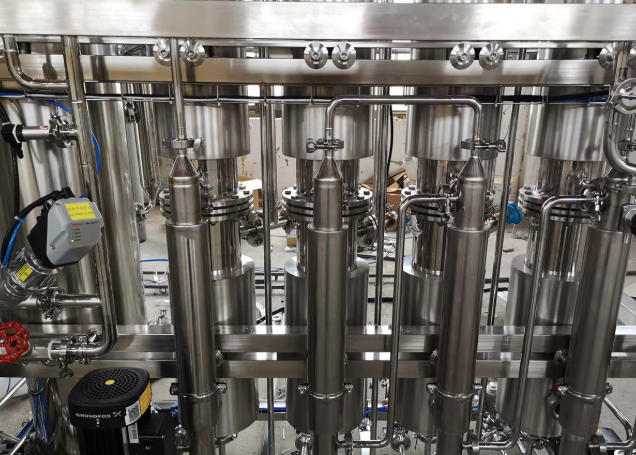
Everheal's advanced water preparation lines are designed for global compliance (such as GMP, USP, and EP standards), combining Pure Steam Generators, Multi-Effect Distillers, and Pure Water Storage Systems to deliver comprehensive solutions for water treatment and process control.
Conclusion
Using distilled alkaline water in a CPAP machine might seem harmless, but it can actually introduce unwanted minerals back into your system—defeating the purpose of distillation. The best and safest choice remains pure distilled water, ideally produced from a reliable Distillation Water Machine. It safeguards both your health and your equipment's longevity.
For hospitals, clinics, and sleep treatment centers, investing in a professional Distillation Water Machine ensures a continuous supply of pharmaceutical-grade water—protecting patients and extending the lifespan of costly CPAP and sterilization equipment.
FAQ
1. What type of water should I use in my CPAP machine?
Always use pure distilled water. It prevents mineral buildup, reduces contamination risks, and keeps your humidifier working efficiently.
2. Can I use bottled water instead of distilled water?
Regular bottled water may contain trace minerals and should not be used. Only bottled distilled water is safe for CPAP humidifiers.
3. Is it safe to use reverse osmosis (RO) water?
RO water is cleaner than tap water but not as pure as distilled water. If distilled water is unavailable, RO water may serve as a temporary alternative.
4. How do I make distilled water at home?
You can produce distilled water using a Distillation Water Machine, which boils and condenses water to remove all impurities.
5. Will using the wrong type of water damage my CPAP?
Yes. Using mineralized or alkaline water can cause scaling, reduce humidifier performance, and shorten the machine's lifespan.


