Content Menu
● What Is a Banana Bag Infusion?
● The Dual Role: Hydration and Infusion Therapy
>> Hydration Function
>> Infusion Function
● Applications of Banana Bag Infusion in Clinical Settings
>> In Alcohol Withdrawal and Detoxification
>> In Intensive Care Units (ICU)
>> In Postoperative Recovery
● Composition and Customization of the Infusion Bag
>> Common Customization Parameters
● Hydration vs. Infusion: The Technical Difference
● The Manufacturing Process of Infusion Bags
>> Step-by-Step Overview
● Quality Standards and Regulatory Compliance
● Emerging Trends in Infusion Bag Technology
● Practical Guidelines for Administration
● Conclusion
● FAQ
>> 1. What is inside a banana bag infusion?
>> 2. How long does it take to infuse a banana bag?
>> 3. Can banana bag infusions be used for non-alcoholic patients?
>> 4. Is a banana bag considered an infusion or hydration?
>> 5. Are banana bag infusions safe for home use?
The term Banana Bag Infusion often sparks curiosity among healthcare professionals, pharmacists, and patients alike. It is widely used in hospitals, clinics, and even emergency care units as part of intravenous (IV) therapy. But a common question arises — is a banana bag infusion primarily for hydration, or is it a more complex form of infusion therapy?
To answer this, we must understand what a banana bag infusion actually is, its composition, purpose, and how it fits within the broader landscape of infusion therapy and hydration management.
What Is a Banana Bag Infusion?
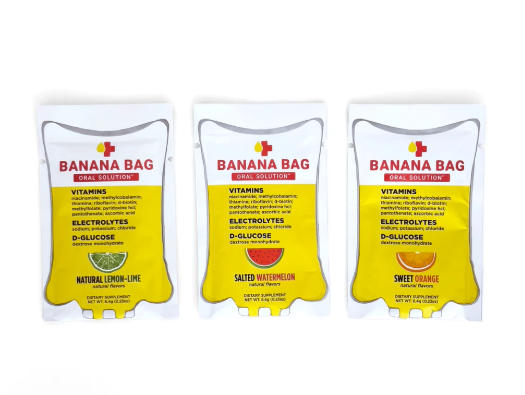
A banana bag infusion (sometimes referred to as a *rally pack*) is a type of IV Infusion Bag that contains a specific mixture of fluids, vitamins, and minerals. The most distinguishing feature is its bright yellow color — which gives it the name “banana bag.”
Typically, the formulation includes:
- 0.9% sodium chloride or 5% dextrose as the base solution (the hydration component)
- Thiamine (Vitamin B1)
- Folic acid
- Multivitamins (B-complex vitamins, Vitamin C, etc.)
- Magnesium sulfate
When these components are combined and infused intravenously, they serve a dual function: replacing fluids (hydration) and replenishing nutrients (infusion therapy).
The Dual Role: Hydration and Infusion Therapy
The banana bag infusion serves two distinct but interconnected purposes. Although hydration is a crucial element, the therapy component goes beyond simply restoring body fluid balance.
Hydration Function
One of the primary roles of a banana bag is rehydration. It contains isotonic or slightly hypertonic fluids administered via an Infusion Bag to restore proper fluid and electrolyte levels in the body. This is particularly effective for patients suffering from dehydration due to excessive alcohol consumption, vomiting, or poor nutrition.
Unlike oral rehydration, IV fluid infusion delivers hydration directly into the bloodstream, ensuring rapid absorption and immediate relief.
Infusion Function
The infusion aspect refers to the delivery of vitamins and minerals through an IV Infusion Bag. These nutrients are not intended solely to maintain hydration but specifically to correct deficiencies, enhance metabolism, or prevent neurological complications caused by chronic alcohol use or malnutrition.
- Thiamine helps prevent Wernicke's encephalopathy.
- Folic acid aids red blood cell production.
- Magnesium supports nerve and muscle function.
This combination demonstrates that the banana bag infusion is not just a basic hydration method; it's a multi-functional infusion therapy with medical benefits extending well beyond fluid replacement.
Applications of Banana Bag Infusion in Clinical Settings
In Alcohol Withdrawal and Detoxification
The banana bag infusion is often used for patients experiencing alcohol withdrawal or chronic alcoholism. These patients typically suffer from malnourishment and vitamin deficiency due to impaired absorption and poor diets.
An IV Infusion Bag with vitamins and minerals provides immediate benefits that oral supplements cannot, ensuring faster correction of nutritional imbalances.
In Intensive Care Units (ICU)
In ICUs, banana bag infusions are sometimes used as part of parenteral nutrition or supportive therapy. For patients unable to take nutrients orally, this infusion bag therapy helps maintain essential vitamin levels.
In Postoperative Recovery
Post-surgery patients often require fluids and nutrient replenishment. An Infusion Bag containing B-complex vitamins boosts metabolism and aids recovery by accelerating cell regeneration and tissue repair.
Composition and Customization of the Infusion Bag
At Everheal, we specialize in designing and manufacturing Infusion Bag systems suited for pharmaceutical and healthcare applications. A standard banana bag is typically available in pre-filled form, but medical institutions sometimes customize formulations depending on patient needs.
Common Customization Parameters
- Fluid base: Normal saline, dextrose solution, or Lactated Ringer's solution.
- Vitamin dosage: Adjusted according to deficiency levels or clinical protocols.
- Magnesium concentration: Modified depending on renal function or laboratory data.
These customizable infusion bag solutions are filled using our automatic liquid filling and sealing machines, ensuring aseptic integrity and precise composition accuracy.
Hydration vs. Infusion: The Technical Difference
While hydration focuses on fluid replacement, infusion therapy delivers medication, nutrients, or electrolytes through controlled IV administration.
| Parameter | Hydration | Infusion |
| Primary purpose | Replenish fluids | Deliver therapeutic substances |
| Typical content | Saline, dextrose | Vitamins, minerals, drugs |
| Duration | Short-term | Can be longer and repeated |
| Example | Normal saline bag | Banana bag infusion bag |
Thus, the banana bag falls under *infusion therapy* but retains a hydration element as a foundational part of its formulation.
The Manufacturing Process of Infusion Bags
Producing high-quality Infusion Bags requires a controlled environment, precision equipment, and strict compliance with Good Manufacturing Practice (GMP) standards. At Everheal, our pharmaceutical-grade infusion bag filling systems handle every stage of production — from distilled water generation to sterilization.
Step-by-Step Overview
1. Purified Water Preparation – Using Everheal's *pure water preparation system*, water meets the required chemical and microbiological standards.
2. Solution Mixing – Active ingredients (vitamins, electrolytes, dextrose) are blended to create the exact banana bag formulation.
3. Filling and Sealing – Our fully automatic *liquid filling and sealing machines* ensure sterile filling into soft or semi-rigid infusion bags.
4. Sterilization – Using a *pharmaceutical-grade sterilization system*, every infusion bag undergoes terminal sterilization for safety and stability.
By integrating automation with precision engineering, Everheal ensures consistent quality and extended shelf life for every banana bag infusion product.
Quality Standards and Regulatory Compliance
Everheal's manufacturing lines comply with international standards such as GMP, ISO 13485, and CE certification. Each infusion bag undergoes rigorous testing for:
- Sterility assurance
- Material integrity
- Leak resistance
- Accurate volume calibration
Our systems are designed not only for banana bag infusion but also for broader IV solution categories like glucose bags, parenteral nutrition bags, and electrolyte infusions.
Emerging Trends in Infusion Bag Technology
With the increasing demand for specialized IV formulations, Infusion Bag technology continues to evolve. Modern advancements include:
- Multi-chamber infusion bags for separating vitamins until use.
- Smart infusion control systems to regulate flow and dosage.
- Eco-friendly bag materials made from medical-grade polypropylene to reduce plastic waste.
As hospitals prioritize both patient safety and sustainability, the technology behind infusion bags like the banana bag continues to advance rapidly.
Practical Guidelines for Administration
To ensure safety and efficacy, medical professionals must follow these key steps when administering a banana bag infusion:
1. Verify patient history and lab results.
2. Inspect the infusion bag for leaks, discoloration, or contamination.
3. Administer through an approved IV line with a calibrated flow rate.
4. Monitor patient responses for any signs of allergic reaction or fluid overload.
5. Document dosage and infusion time accurately for future reference.
Properly handled, the banana bag infusion provides rapid vitamin supplementation and effective hydration with minimal risks.
Conclusion
In essence, a Banana Bag Infusion is both hydration and infusion therapy — a hybrid that restores fluids and vital nutrients simultaneously. The *hydration* aspect corrects fluid and electrolyte imbalances, while the *infusion* component delivers therapeutic vitamins and minerals essential for recovery.
For manufacturers and healthcare providers, understanding this dual function is vital. At Everheal, we are dedicated to developing state-of-the-art Infusion Bag production systems that help pharmaceutical companies deliver safe, effective, and customizable banana bag formulations for global medical needs.
FAQ
1. What is inside a banana bag infusion?
A banana bag typically contains saline or dextrose solution, vitamins (especially thiamine and folate), magnesium, and a multivitamin mix, giving it the signature yellow color.
2. How long does it take to infuse a banana bag?
The infusion usually takes between 1–2 hours, depending on flow rate and patient condition. Longer durations allow vitamins to distribute evenly into the bloodstream.
3. Can banana bag infusions be used for non-alcoholic patients?
Yes. While commonly used for alcohol-related deficiencies, banana bag infusions are also beneficial for malnourished patients or those recovering from surgery.
4. Is a banana bag considered an infusion or hydration?
It is classified as an infusion therapy containing hydration elements. The presence of vitamins and minerals distinguishes it from a standard hydration bag.
5. Are banana bag infusions safe for home use?
Banana bag infusions should only be administered under medical supervision. They require sterile handling, correct dosage preparation, and careful monitoring during infusion.


