Content Menu
● Understanding HEPA Air Filter Basics
● Why Clean Your HEPA Air Filter?
● Essential Steps for Cleaning HEPA Air Filters
>> Preparation
>> Turn off and Unplug the Unit
>> Remove the HEPA Air Filter
>> Inspect the Filter
>> Dry Cleaning for Non-Washable HEPA Air Filters
>> Wet Cleaning for Washable HEPA Air Filters
● Tips to Maximize HEPA Air Filter Longevity
● Common Mistakes to Avoid
● How Often Should You Clean or Replace Your HEPA Air Filter?
● Benefits of Regular HEPA Air Filter Maintenance
● Conclusion
● Frequently Asked Questions (FAQ)
>> 1 How often should I clean my HEPA Air Filter?
>> 2 Can I clean all types of HEPA Air Filters?
>> 3 What are the signs my HEPA Air Filter needs replacing?
>> 4 How do I dry a washed HEPA Air Filter properly?
>> 5 Will cleaning a HEPA Air Filter restore it to its original performance?
● Citations:
Maintaining a HEPA air filter in your air purifier is crucial to ensuring a healthier and more comfortable indoor environment. HEPA Air Filters are highly efficient, capturing up to 99.97% of airborne particles as small as 0.3 microns, such as dust, pollen, pet dander, bacteria, and even some viruses. Regular cleaning and maintenance protect this efficiency, extend filter life, and uphold air quality throughout your space.[11]
Understanding HEPA Air Filter Basics
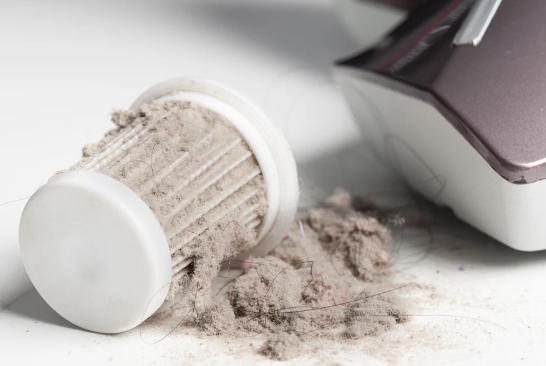
HEPA stands for High-Efficiency Particulate Air. This filter type consists of a dense mesh of fibers, typically fiberglass, arranged to trap microscopic particles by interception, impaction, and diffusion. HEPA Air Filters are common in air purifiers, HVAC systems, and cleanroom equipment because of their rigorous standards for particle removal.[11]
Well-maintained HEPA Air Filters help:
- Reduce allergy symptoms by trapping pollen and mold spores.
- Protect sensitive equipment from particulate contamination.
- Support cleaner air in homes, offices, and critical environments.
Why Clean Your HEPA Air Filter?
A clean HEPA Air Filter ensures maximum airflow and particle capture. Over weeks and months, airborne pollutants accumulate in the filter's fibers, diminishing airflow and purifying capacity. A clogged filter can cause your air purifier to work harder, consume more energy, and operate less effectively, potentially releasing some trapped particles back into your room.[6]
You should clean or replace your HEPA Air Filter regularly to:
- Minimize allergens and harmful particles.
- Prevent odors from trapped contaminants.
- Maintain system performance and quiet operation.
Essential Steps for Cleaning HEPA Air Filters
Preparation
- Check if your air purifier model uses a washable HEPA Air Filter. Read the manual for specific care instructions, as not all HEPA Air Filters are designed to be cleaned—some require replacement.[1][6]
- Gather supplies: vacuum cleaner with brush attachment, soft brush (if needed), mild detergent (for washable filters), and a clean towel.
Turn off and Unplug the Unit
Always turn off and unplug your air purifier before opening the filter compartment to avoid electrical hazards and accidental damage.[1][6]
Remove the HEPA Air Filter
Follow the manufacturer's instructions to carefully remove the HEPA Air Filter. Most filter compartments are located at the back or bottom of the device and may have tabs or handles for easy extraction.[6][1]
Inspect the Filter
Examine the HEPA Air Filter for visible damage such as tears or discoloration. If the filter appears compromised or excessively clogged, it's safer to replace it rather than attempt cleaning.[6]
Dry Cleaning for Non-Washable HEPA Air Filters
If your filter is not washable, use these methods:
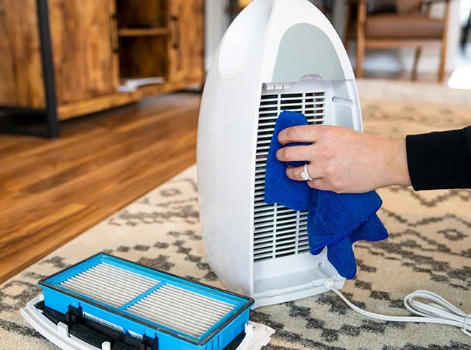
- Vacuuming: Gently run the vacuum's brush attachment over the filter surface to remove loose dirt and dust, taking extra care around the folds.[1][6]
- Light Tapping: If allowed (check your user manual), gently tap the filter to dislodge embedded particles.[6]
- Avoid Liquids: Never use water or detergent on a non-washable filter, as moisture will damage the delicate fiber mesh and reduce effectiveness.[6]
Wet Cleaning for Washable HEPA Air Filters
For washable models:
- Vacuum First: Remove surface debris before rinsing.
- Rinse Under Water: Hold the HEPA Air Filter under a moderate stream of cold or lukewarm water. Rotate and rinse both sides thoroughly, allowing water to flush out trapped particles.[6]
- Use Mild Detergent: If needed, prepare a dilute solution of mild, non-abrasive detergent. Submerge and gently agitate the filter without scrubbing. Rinse completely to ensure no soap remains.[1][6]
- Air Dry: Lay the HEPA Air Filter flat on a towel or drying rack in a well-ventilated spot. Allow it to dry naturally—never use hair dryers, heaters, or direct sunlight, which may warp or damage the fibers.[6]
- Only Reinstall When Bone-Dry: Installing a damp HEPA Air Filter can foster mold and impact air quality.[6]
Tips to Maximize HEPA Air Filter Longevity
- Inspect Monthly: Check the HEPA Air Filter every month for dust buildup or discoloration, especially in dusty or high-traffic environments.[11]
- Routine Cleaning: Homes with pets, smokers, or high pollen counts may need more frequent cleaning.
- Replace Pre-Filters: Many purifiers use pre-filters to catch larger particles, reducing the load on your HEPA Air Filter. Replace these every 3–6 months.[7]
- Regular Unit Cleaning: Clean the inside and exterior of your air purifier, focusing on areas near the filter—accumulated dust and particles can hinder unit efficiency.[7]
Common Mistakes to Avoid
- Cleaning Non-Washable Filters: Some HEPA Air Filters are made strictly for replacement. Washing or wetting these filters can permanently damage them, making your air purifier less effective or even unsafe.[6]
- Using Harsh Chemicals: Only use manufacturer-approved mild detergents. Strong chemicals can degrade filter fibers.
- Impatient Drying: Never reinstall a filter before it is fully dry—moisture in HEPA filters encourages mold growth and reduces air quality.
- Neglecting Manufacturer Instructions: Each air purifier brand has distinct recommendations for cleaning and replacement. Always follow official guidelines.
How Often Should You Clean or Replace Your HEPA Air Filter?
Most manufacturers suggest inspecting HEPA Air Filters monthly and cleaning (if possible) every 1–3 months. If your purifier runs continuously or your environment is dusty, more frequent attention may be needed. Even thorough cleaning cannot restore a filter indefinitely—replace your HEPA Air Filter every 6–12 months per your manufacturer's recommendation, or when you notice:[1][6]
- Reduced airflow or purifier efficiency.
- Persistent odors not eliminated by cleaning.
- Visible damage (tears, deformation, or mold).
Benefits of Regular HEPA Air Filter Maintenance
Maintaining your HEPA Air Filter yields several health and comfort benefits:
- Cleaner Indoor Air: Lower levels of irritants and allergens.
- Improved Respiratory Wellness: Fewer asthma triggers and allergy symptoms.
- Energy Efficiency: Air purifiers run more quietly and consume less electricity.
- Extended Lifespan: Filters and units last longer with consistent care.
Conclusion
Caring for your HEPA Air Filter air purifier is a simple, impactful habit to boost your home or workspace air quality. Regular inspection, appropriate cleaning, and timely replacement of the HEPA Air Filter ensure that your air purifier delivers maximum filtration efficiency and performance. Always consult your air purifier's manual for model-specific care details, and remember: a clean HEPA Air Filter supports your health and comfort year-round.
Frequently Asked Questions (FAQ)
1 How often should I clean my HEPA Air Filter?
Most users should inspect their HEPA Air Filter monthly and clean it every 1–3 months, depending on use and air quality. If you live in a dusty area or have pets, consider more frequent cleaning.[1][6]
2 Can I clean all types of HEPA Air Filters?
No, not every HEPA Air Filter is washable. Many are designed for dry cleaning only or direct replacement. Always consult your air purifier's manual before cleaning to avoid damaging your filter.[6]
3 What are the signs my HEPA Air Filter needs replacing?
Key indicators include reduced airflow, odd smells, visible dirt that doesn't go away with cleaning, physical damage, or mold on the filter surface.[6]
4 How do I dry a washed HEPA Air Filter properly?
Air dry your HEPA Air Filter completely on a towel or rack in a ventilated area. Avoid artificial heat sources and direct sunlight. It may take several hours or up to a full day depending on humidity.[6]
5 Will cleaning a HEPA Air Filter restore it to its original performance?
Cleaning a HEPA Air Filter can remove some trapped particles and improve efficiency, but not indefinitely. Over time, filter fibers fill up and lose effectiveness. Regular replacement is essential for optimal air purification.[6]
Citations:
[1](https://filtersdirect.uk/how-to-clean-a-hepa-filter-guide/)
[2](https://smartairfilters.com/en/blog/how-to-clean-wash-hepa-filter/)
[3](https://dphhs.mt.gov/assets/publichealth/Asthma/Wildfire%20Smoke/HEPAFilterGuide.pdf)
[4](https://safetyculture.com/topics/indoor-air-quality/hepa-filter-maintenance)
[5](https://www.reddit.com/r/Roborock/comments/1nqlg1c/hepa_filter_maintenance_whats_your_routine/)
[6](https://www.rabbitair.com/blogs/air-purifier/how-to-clean-a-hepa-filter-a-comprehensive-guide)
[7](https://www.cleanroomspecialists.com/blog/7-tips-for-maintaining-your-fan-powered-hepa-filters)
[8](https://www.trane.com/residential/en/resources/blog/hvac-air-filter-maintenance-guide/)
[9](https://molekule.com/blogs/all/how-to-clean-a-hepa-filter-and-what-you-should-know-beforehand)
[10](https://www.youtube.com/watch?v=r79yi2u4YQA)
[11](https://www.tiktok.com/@rosapicosa/video/7445097918190849326?lang=en)


