Content Menu
● What Is a HEPA Air Filter?
● Washable vs Non‑Washable HEPA Air Filters
● Safety Preparations Before Cleaning
● Step‑By‑Step: Cleaning a Washable HEPA Air Filter
>> 1. Remove the HEPA Air Filter
>> 2. Remove Loose Dust and Debris
>> 3. Rinse the HEPA Air Filter with Water
>> 4. Allow the HEPA Air Filter to Air‑Dry Completely
>> 5. Reinstall the HEPA Air Filter and Reset Indicators
● Cleaning a Non‑Washable HEPA Air Filter
● How Often to Clean or Replace a HEPA Air Filter
● Why Proper HEPA Air Filter Maintenance Matters
● Common Mistakes to Avoid When Cleaning a HEPA Air Filter
● Best Practices for HEPA Air Filter Care in Professional Settings
● Conclusion
● FAQ – HEPA Air Purifier Filters
>> 1. How do I know if my HEPA Air Filter is washable?
>> 2. Can washing damage a HEPA Air Filter?
>> 3. How often should I clean or replace a HEPA Air Filter?
>> 4. Is vacuuming a HEPA Air Filter enough?
>> 5. What are signs that a HEPA Air Filter needs replacement?
● Citations:
Keeping a HEPA Air Filter clean and properly maintained is essential if you want your air purifier to deliver consistently high air quality and protect people in homes, offices, clinics, laboratories, and pharmaceutical facilities. A neglected HEPA Air Filter quickly clogs with dust, allergens, and microorganisms, forcing the purifier to work harder, increasing energy consumption, and reducing filtration efficiency.[1][2][3]
As a China‑based pharmaceutical equipment company, Everheal understands how critical air purity is for cleanrooms, production areas, and sensitive environments, where HEPA Air Filters are the backbone of contamination control. This guide explains how to clean a HEPA Air Purifier Filter correctly, when to replace it, and how to integrate good filter maintenance into your overall air‑quality strategy.[4][2]
What Is a HEPA Air Filter?
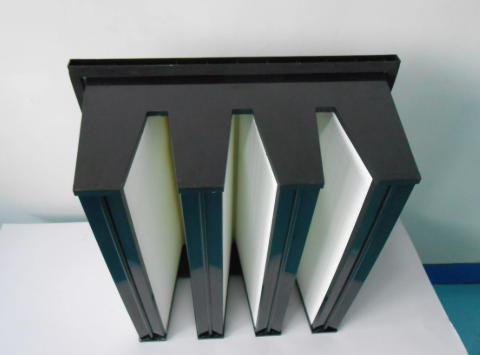
A HEPA Air Filter (High‑Efficiency Particulate Air filter) is a high‑performance filter designed to capture at least 99.97% of particles as small as 0.3 microns, including dust, pollen, mold spores, and many bacteria. The HEPA Air Filter media uses densely packed fibers that trap particles through diffusion, interception, and impaction, making it much more efficient than ordinary pre‑filters or standard HVAC filters.[5][3][1]
Because the HEPA Air Filter is so dense, airflow resistance gradually rises as particles accumulate, which is why maintenance and eventual replacement are mandatory rather than optional. In pharmaceutical and cleanroom environments, HEPA Air Filters are also subject to regular leak testing to ensure the filter and its seals are intact and still meeting performance standards.[2][3][4]
Washable vs Non‑Washable HEPA Air Filters
Before touching your HEPA Air Filter, the most important step is understanding whether it is washable or strictly non‑washable. Manufacturers clearly indicate this in the user manual or on the filter label with markings such as “Washable”, “Rinseable”, or “Do Not Wash”.[6][7][1]
- Washable HEPA Air Filters
Some HEPA Air Filters are engineered to be rinsed with water and reused, often marketed as washable or permanent filters. These HEPA Air Filters can usually be cleaned with gentle rinsing and careful air‑drying, but they still have a finite lifespan and will eventually require replacement.[1][6]
- Non‑washable (disposable) HEPA Air Filters
Most HEPA Air Filters used in residential and professional air purifiers are non‑washable and should never be exposed to water or harsh detergents because moisture damages the delicate fiber structure. For these HEPA Air Filters, only light dry cleaning—such as vacuuming the surface if the manufacturer allows it—is recommended, and once they are loaded or damaged, they must be replaced.[8][7][3]
Ignoring this distinction can permanently reduce the efficiency of a HEPA Air Filter, create hidden leaks, or even promote bacteria and mold growth inside the filter media.[8][1]
Safety Preparations Before Cleaning
Good preparation protects both the HEPA Air Filter and your air purifier or HVAC unit during maintenance.[9][1]
- Always switch off and unplug the air purifier before opening any panels or handling the HEPA Air Filter to avoid electric shock and mechanical damage.[9][1]
- Consult the user manual to locate the HEPA Air Filter compartment and confirm whether the HEPA Air Filter is washable or non‑washable, plus any specific cleaning instructions.[6][1]
- If your system includes a pre‑filter or activated carbon filter, remove these layers first and clean or replace them separately according to the manufacturer's guidelines.[5][6]
In pharmaceutical facilities where Everheal solutions are installed, these basic safety steps are integrated into standard operating procedures to keep both staff and equipment safe.[4][2]
Step‑By‑Step: Cleaning a Washable HEPA Air Filter
If your HEPA Air Filter is clearly labeled washable or rinseable, follow a methodical cleaning procedure to restore airflow without damaging the media.[1][6]
1. Remove the HEPA Air Filter
Open the filter compartment according to the manual and carefully slide out the HEPA Air Filter, holding it over a bin or outside to avoid spreading dust indoors. Inspect the HEPA Air Filter for tears, deformation, or strong odors, because a damaged filter should be replaced instead of cleaned.[10][2][1]
2. Remove Loose Dust and Debris
Before washing the HEPA Air Filter, shake it gently to remove loose particles, or lightly vacuum the surface using a vacuum cleaner with a soft brush attachment if permitted by the manufacturer. Avoid aggressive brushing, which can tear the fiber structure or deform the pleats of the HEPA Air Filter.[11][10][9]
3. Rinse the HEPA Air Filter with Water
Hold the washable HEPA Air Filter under a gentle stream of cold or lukewarm water, usually with the water flowing in the opposite direction of normal airflow to flush out trapped particles. Do not use high‑pressure jets, hot water, or scrubbing tools, which can open gaps in the HEPA Air Filter media and reduce filtration efficiency.[8][6][1]
If the manufacturer allows mild soap, you may use a small amount of gentle detergent designed for sensitive materials, making sure you rinse the HEPA Air Filter thoroughly so no residue remains in the fibers. Any leftover detergent can attract dirt or interfere with the electrostatic properties of some HEPA Air Filters.[7][9][6]
4. Allow the HEPA Air Filter to Air‑Dry Completely
Place the rinsed HEPA Air Filter in a clean, well‑ventilated area and allow it to air‑dry completely, which can take several hours or up to a full day depending on humidity. Do not use hair dryers, heaters, or direct sunlight, as excess heat can warp the HEPA Air Filter frame or damage the fibers.[6][8][1]
Reinstalling a HEPA Air Filter that is still damp can encourage microbial growth and introduce moisture into your purifier or cleanroom air‑handling equipment.[8][1]
5. Reinstall the HEPA Air Filter and Reset Indicators
Once the HEPA Air Filter is completely dry, reinsert it into the purifier, ensuring the airflow arrow on the filter (if marked) points in the correct direction. Close all panels firmly, plug the purifier back in, and reset any filter‑change or HEPA Air Filter maintenance indicators according to the device instructions.[2][1][6]
Cleaning a Non‑Washable HEPA Air Filter
Non‑washable HEPA Air Filters require a different approach because moisture will damage them, and many manufacturers advise against any aggressive cleaning at all.[7][8]
- Dry surface cleaning only
If the manual allows, use a vacuum cleaner with a soft brush attachment to gently remove surface dust from the HEPA Air Filter without pressing too hard on the pleats. Some guidelines also allow gently tapping the HEPA Air Filter to dislodge loose debris, but this should be done lightly and only if specified by the manufacturer.[11][10][1]
- No water or harsh detergents
Washing a non‑washable HEPA Air Filter introduces moisture deep into the paper‑like fibers, damaging their structure and greatly reducing filtration efficiency even if the filter appears intact. For this reason, many technical standards and suppliers state that HEPA Air Filters cannot be cleaned and reused once they reach their pressure‑drop or loading limit.[3][7][8]
- Replace when performance drops
When a non‑washable HEPA Air Filter shows significantly reduced airflow, persistent odors, or visible discoloration that does not improve with light dry cleaning, the only safe solution is replacement. Trying to extend the life of a saturated HEPA Air Filter can result in increased bypass, loss of capture efficiency, and higher risk of contamination in sensitive spaces.[3][2][1]
How Often to Clean or Replace a HEPA Air Filter
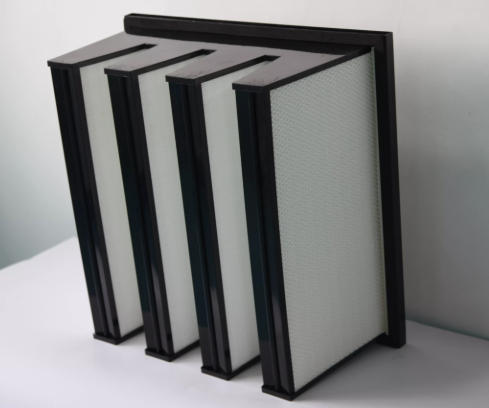
The frequency of HEPA Air Filter maintenance depends on usage, environment, and device design. In typical home or office conditions, manufacturers often recommend cleaning washable HEPA Air Filters every one to three months and replacing non‑washable HEPA Air Filters every six to twelve months.[5][4][1]
However, other factors strongly influence the maintenance schedule:
- High‑dust or high‑traffic environments, homes with pets, or industrial spaces may require more frequent HEPA Air Filter cleaning or replacement.[4][5]
- In cleanrooms and pharmaceutical manufacturing, HEPA Air Filters are monitored by pressure drop and regular leak tests, and filters must be replaced as soon as they fail required performance criteria.[2][4]
- Many modern purifiers include built‑in HEPA Air Filter life indicators that signal when the filter needs cleaning or replacement based on operating hours or measured conditions.[5][1]
For mission‑critical applications such as sterile production with Everheal water systems and sterilization lines, HEPA Air Filter maintenance is tied to documented schedules to meet regulatory expectations and GMP requirements.[4][2]
Why Proper HEPA Air Filter Maintenance Matters
Regular and correct care of a HEPA Air Filter offers benefits that go far beyond cleaner air in the short term.[1][2]
- Stable air quality
A well‑maintained HEPA Air Filter continues to capture fine particles that trigger allergies, asthma, and respiratory irritation, providing a more stable and predictable indoor environment.[7][1]
- Energy and equipment efficiency
As a HEPA Air Filter clogs, the fan must work harder to maintain airflow, increasing energy consumption and mechanical stress; timely cleaning or replacement helps keep the entire system efficient.[3][1]
- Compliance and product safety
In pharmaceutical plants, laboratories, and high‑grade cleanrooms, HEPA Air Filter performance directly affects product quality and regulatory compliance, making rigorous HEPA Air Filter maintenance part of essential process control.[2][4]
By combining high‑quality HEPA Air Filters with purified water systems, pure steam generators, and sterilization equipment, Everheal supports integrated contamination‑control strategies for global clients.[3][2]
Common Mistakes to Avoid When Cleaning a HEPA Air Filter
Even experienced users sometimes make errors that shorten HEPA Air Filter life or reduce filtration performance.[8][1]
- Washing a non‑washable HEPA Air Filter
Attempting to rinse or soak a non‑washable HEPA Air Filter with water or detergent causes irreversible damage to the fibers and compromises its rated efficiency.[7][8]
- Using strong chemicals or hot water
Harsh cleaning agents or hot water may deform the HEPA Air Filter media, affect adhesives, or generate residues that interfere with particle capture.[9][6]
- Reinstalling a damp HEPA Air Filter
Moisture trapped in a HEPA Air Filter supports microbial growth and can contaminate downstream environments, especially problematic in HVAC and cleanroom systems.[1][8]
- Ignoring manufacturer instructions
Each HEPA Air Filter model has specific limits for cleaning and reuse, and disregarding these guidelines can void warranties and undermine system design assumptions.[6][1]
Avoiding these mistakes ensures that HEPA Air Filters continue to protect people, products, and processes effectively.
Best Practices for HEPA Air Filter Care in Professional Settings
In professional environments—such as hospitals, pharmaceutical cleanrooms, and laboratories—HEPA Air Filter maintenance must be standardized and documented.[4][2]
- Implement written procedures describing how staff should access, inspect, and clean or replace each HEPA Air Filter type used in the facility.[2][4]
- Monitor pressure drop across HEPA Air Filters and track trends to schedule proactive replacements before performance falls below acceptable levels.[3][2]
- Combine HEPA Air Filters with pre‑filters to capture larger particles and extend HEPA Air Filter life, particularly in dusty or high‑occupancy environments.[5][4]
Everheal's turnkey plant layout and production‑line solutions can incorporate HEPA Air Filter banks, monitoring systems, and standardized cleaning procedures as part of an integrated contamination‑control design.[4][2]
Conclusion
A HEPA Air Filter is a critical component of any serious air purification system, whether in a home, office, or high‑grade pharmaceutical facility. Correctly identifying whether the HEPA Air Filter is washable or non‑washable, using gentle, approved cleaning methods, and respecting replacement intervals ensure that filtration efficiency, airflow, and hygiene remain at their designed levels.[1][2][3]
By combining disciplined HEPA Air Filter maintenance with Everheal's advanced purified water systems, pure steam generators, multi‑effect distillation equipment, liquid filling and sealing machines, and sterilization systems, facilities can build a robust barrier against contamination from both air and process utilities. When HEPA Air Filters are cared for properly, they support cleaner air, better energy performance, and safer environments for people and products alike.[2][3][1][4]
FAQ – HEPA Air Purifier Filters
1. How do I know if my HEPA Air Filter is washable?
Manufacturers usually label the HEPA Air Filter itself or specify in the user manual whether it is “Washable” or “Rinseable”, and if no such wording appears, it is generally considered non‑washable. If a HEPA Air Filter is labeled “Do Not Wash” or its instructions only mention replacement, water must never be used and the HEPA Air Filter should be replaced once it is loaded.[6][8][1]
2. Can washing damage a HEPA Air Filter?
Yes, washing a non‑washable HEPA Air Filter can destroy the fine fiber matrix, create internal gaps, and reduce the filter's certified efficiency even if it looks clean on the surface. Even for washable HEPA Air Filters, aggressive scrubbing, hot water, or strong detergents may shorten service life and reduce performance, so only gentle rinsing and mild soap (if allowed) should be used.[9][8][6][3]
3. How often should I clean or replace a HEPA Air Filter?
Washable HEPA Air Filters in home air purifiers are often cleaned every one to three months, while non‑washable HEPA Air Filters are typically replaced every six to twelve months depending on usage and air quality. In regulated environments such as cleanrooms, HEPA Air Filter changes are defined by pressure‑drop monitoring, leak testing, and GMP or internal quality requirements rather than a simple time schedule.[5][1][4][2]
4. Is vacuuming a HEPA Air Filter enough?
For some non‑washable HEPA Air Filters, gentle vacuuming of the surface can temporarily reduce visible dust and improve airflow, but it does not fully restore original performance or extend life indefinitely. Over time, particles embedded deep within the HEPA Air Filter media still accumulate, so ultimate replacement based on manufacturer recommendations or performance indicators remains essential.[10][11][7][3]
5. What are signs that a HEPA Air Filter needs replacement?
Common warning signs include reduced airflow, louder fan noise, persistent odors, or visible dark discoloration on the HEPA Air Filter that does not improve with permitted cleaning methods. In professional systems, a rising pressure drop across the HEPA Air Filter or a failed leak test is a clear indication that the filter must be replaced immediately to maintain required air quality standards.[3][1][4][2]
Citations:
[1](https://www.rabbitair.com/blogs/air-purifier/how-to-clean-a-hepa-filter-a-comprehensive-guide)
[2](https://www.sepsservices.com/resources/enhancing-air-quality-a-guide-to-hepa-filter-testing-replacement-and-maintenance/)
[3](https://cleanair.camfil.us/2025/09/22/hepa-filters-understanding-performance-standards-applications-and-selection-criteria/)
[4](https://kleanlabs.com/blog/hepa-filter-replacement-guidelines-recommended-frequency/)
[5](https://www.fortress.com.hk/en/promotion/buying-guides/air-purifier-cleaning)
[6](https://thorair.com.au/blogs/news/can-you-wash-hepa-filters-washing-hepa-filters-what-you-need-to-know-for-proper-maintenance)
[7](https://www.simpurelife.com/blogs/blogs/can-you-wash-a-hepa-filter)
[8](https://www.safeairfiltre.com/en/is-hepa-filter-washable-with-water)
[9](https://filtersdirect.uk/how-to-clean-a-hepa-filter-guide/)
[10](https://brihat-group.com/assets/userfiles/files/47196318995.pdf)
[11](https://www.yitong-filter.com/products-knowledge/how-to-clean-a-hepa-filter.html)
[12](https://www.youtube.com/watch?v=cIe6ZX9Z2nY)
[13](https://www.youtube.com/watch?v=r79yi2u4YQA)
[14](https://smartairfilters.com/en/blog/how-to-clean-wash-hepa-filter/)
[15](https://www.youtube.com/watch?v=-qBjbBS_BBw)


