Content Menu
● Understanding What a Washable Air Filter Is
>> Key Benefits of Washable Air Filters
● Tools and Materials You'll Need
● Step-by-Step Guide: How to Clean a Washable Cabin Air Filter
>> Step 1: Locate and Remove the Cabin Air Filter
>> Step 2: Inspect the Filter's Condition
>> Step 3: Remove Loose Dirt and Debris
>> Step 4: Prepare Cleaning Solution
>> Step 5: Soak and Rinse the Filter
>> Step 6: Dry the Filter Completely
>> Step 7: Reinstall the Filter
● Best Practices for Maintaining a Washable Cabin Air Filter
● Common Mistakes to Avoid
● Advantages of Washable Filters in Industrial and Pharmaceutical Settings
● Environmental Impact and Sustainability
● When to Replace a Washable Cabin Air Filter
● Conclusion
● FAQs about Washable Cabin Air Filters
>> 1. How often should I clean a Washable Cabin Air Filter?
>> 2. Can I use dish soap to clean my Washable Air Filter?
>> 3. How long does a Washable Cabin Air Filter last?
>> 4. Is drying with a hairdryer safe for a Washable Air Filter?
>> 5. What if my Washable Air Filter still smells after cleaning?
In modern vehicles and industrial cleanroom systems, air quality plays a crucial role in ensuring health, safety, and performance. A Washable Cabin Air Filter is one of the most cost-efficient and eco-friendly solutions designed to trap dust, pollen, and airborne contaminants from the incoming air. Cleaning and maintaining it properly ensures optimal airflow, fuel efficiency, and fresh air circulation.
This article provides a comprehensive guide on how to clean a Washable Cabin Air Filter, including step-by-step instructions, maintenance tips, and common mistakes to avoid.
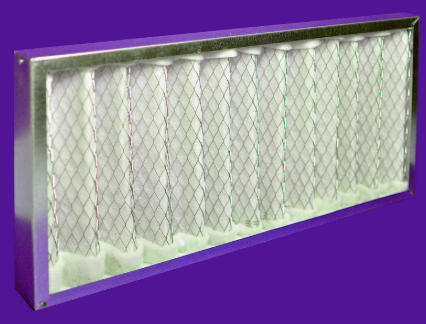
Understanding What a Washable Air Filter Is
A Washable Air Filter, sometimes referred to as a reusable air filter, is designed with advanced filtration materials—often multiple layers of synthetic fibers or cotton gauze coated with oil—to capture fine particles. Unlike disposable cabin filters, washable filters can be cleaned and reused multiple times before replacement.
These filters are commonly used in HVAC systems, automobiles, pharmaceutical cleanrooms, and laboratory environments. For vehicle users, they are typically located behind the glove compartment or under the dashboard, where the air flows into the cabin ventilation system.
Key Benefits of Washable Air Filters
- Eco-Friendly Choice: Reduces waste by eliminating the need for frequent replacements.
- Cost-Effective Maintenance: A one-time investment that lasts for several years with proper care.
- Improved Airflow: Provides better ventilation compared to clogged disposable filters.
- Long-Term Performance: Consistent filtration efficiency over repeated cleaning cycles.
Tools and Materials You'll Need
Before cleaning your Washable Cabin Air Filter, gather the following materials to ensure the process is efficient and safe:
- Screwdriver or user manual for accessing the filter housing
- Soft brush or vacuum cleaner with a nozzle attachment
- Mild detergent or specialized air filter cleaner
- Warm water (not hot)
- A clean towel or microfiber cloth
- Air compressor (optional for drying)
Having these supplies ready will prevent unnecessary delays and minimize the risk of damaging the filter material.
Step-by-Step Guide: How to Clean a Washable Cabin Air Filter
Follow these steps carefully to restore the performance of your Washable Air Filter.
Step 1: Locate and Remove the Cabin Air Filter
Refer to your vehicle manual to locate the cabin filter compartment—typically found behind the glove box. Gently unclip the filter cover and slide out the Washable Cabin Air Filter. Handle it carefully to avoid tearing or bending the filter frame.
Step 2: Inspect the Filter's Condition
Examine the surface for dust, leaves, debris, and oil buildup. If the filter has significant discoloration, it's a sign it needs cleaning immediately. Presence of mold or large particles may require deeper washing or eventual replacement.
Step 3: Remove Loose Dirt and Debris
Use a soft brush or vacuum cleaner to remove surface dust and debris. Always clean from the clean side to the dirty side to prevent contaminants from embedding deeper into the filter material.
Step 4: Prepare Cleaning Solution
Mix a mild detergent with warm water in a clean container. Avoid strong chemicals, as they can damage the filter fibers and reduce filtration efficiency. Specialized Washable Air Filter Cleaning Kits are available on the market, specifically designed for this process.
Step 5: Soak and Rinse the Filter
Submerge the filter in the cleaning solution and let it soak for 10–15 minutes. Gently agitate it to dislodge trapped particles. Then, rinse the filter thoroughly under running water until it looks completely clean. Ensure water runs in the opposite direction of the normal airflow.
Step 6: Dry the Filter Completely
Shake off excess water and place the Washable Cabin Air Filter on a towel to air dry. Never use a heat gun, hairdryer, or direct sunlight—it can deform the filter material. If available, use an air compressor with low-pressure airflow to speed up drying.
Step 7: Reinstall the Filter
Once the filter is fully dry, place it back into the housing, following the airflow direction arrows. Secure the cover and ensure all clips are firmly locked. Start your air system or vehicle to check if the airflow feels consistent.
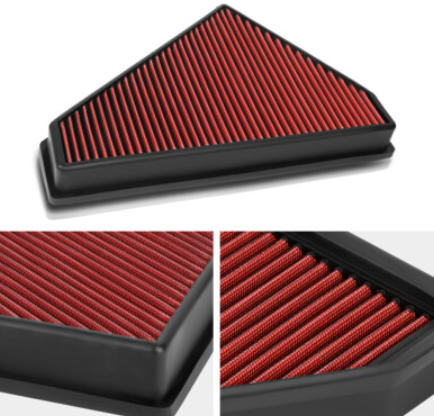
Best Practices for Maintaining a Washable Cabin Air Filter
Keeping your Washable Air Filter clean is only one part of maintenance. Adopting good habits extends its lifespan significantly:
- Clean every 10,000–15,000 kilometers or every 6 months, depending on driving conditions.
- Inspect monthly if you operate in dusty or industrial environments.
- Use only mild detergents designed for filters.
- Avoid compressed air at high pressure, which can puncture filter fibers.
- Ensure complete drying before reinstallation to prevent mold growth.
These practices maintain optimal filtration efficiency for both vehicle and industrial applications.
Common Mistakes to Avoid
Improper cleaning can cause permanent damage to your Washable Cabin Air Filter. Here are the most frequent mistakes:
1. Using harsh cleaners: Solvents, bleach, or degreasers break down the synthetic fibers.
2. Skipping drying time: Installing a damp filter promotes bacterial growth.
3. Ignoring airflow direction: Reversing installation can restrict air circulation.
4. Over-oiling: Some filters that use oil coating can lose efficiency if saturated.
5. Neglecting regular inspection: Long-term buildup impacts air quality and engine efficiency.
Avoiding these errors ensures your air system remains efficient and hygienic.
Advantages of Washable Filters in Industrial and Pharmaceutical Settings
Companies such as Everheal, specializing in pharmaceutical equipment and sterile production systems, rely on high-efficiency air filtration to protect cleanroom environments. A Washable Air Filter offers consistent filtration performance for extended cycles—ideal for HVAC systems in sterile water plants, sterile filling lines, and steam generation facilities.
In these sensitive applications, washable filters help maintain controlled environments by reducing particulate contamination while supporting sustainable plant operations. The ability to wash and reuse filters aligns with modern cleanroom sustainability goals, reducing inventory waste and operational costs.
Environmental Impact and Sustainability
Switching from disposable to washable filters provides measurable environmental benefits:
- Reduced Waste Output: Fewer filters discarded means lower landfill impact.
- Energy Efficiency: Clean filters improve airflow, reducing system power consumption.
- Extended Lifecycle: Each Washable Air Filter can last several years, minimizing manufacturing emissions.
With proper maintenance, washable filter systems enhance both air quality and carbon efficiency—making them indispensable in eco-conscious industries.
When to Replace a Washable Cabin Air Filter
Even the best filters don't last forever. Over time, repeated cleaning cycles may degrade materials. Replace the Washable Air Filter if you notice:
- Tears, holes, or weakened mesh structure.
- Unusual airflow resistance even after cleaning.
- Persistent odor or mold growth.
- Excessive discoloration or damage to sealing edges.
Replacement typically occurs every 2–3 years, depending on usage and environmental conditions.
Conclusion
A Washable Cabin Air Filter is a durable, cost-saving, and environmentally responsible component essential for maintaining clean air systems in vehicles, industrial equipment, and controlled environments. Regular cleaning ensures breathability, efficiency, and protection from airborne pollutants.
By following a structured cleaning process, your Washable Air Filter will deliver long-lasting performance, improving both indoor air quality and operational reliability.
FAQs about Washable Cabin Air Filters
1. How often should I clean a Washable Cabin Air Filter?
Most experts recommend cleaning it every 10,000 to 15,000 kilometers, or every six months, depending on your environment.
2. Can I use dish soap to clean my Washable Air Filter?
Yes, a mild dish soap diluted with warm water works well. Avoid strong chemical cleaners that could degrade filter fibers.
3. How long does a Washable Cabin Air Filter last?
Typically, it can last between 2–3 years with consistent cleaning and maintenance, making it a great investment.
4. Is drying with a hairdryer safe for a Washable Air Filter?
No, heat drying can deform or melt synthetic materials. Always allow natural air drying at room temperature.
5. What if my Washable Air Filter still smells after cleaning?
Persistent odors suggest microbial growth. Use a light disinfectant rinse or replace the filter if the smell remains after thorough drying.


