Content Menu
● Understanding What a HEPA Air Filter Is
● Why Cleaning HEPA Air Filters Matters
● Can All HEPA Filters Be Cleaned?
● Step-by-Step Guide: How To Clean a HEPA Air Filter
>> Step 1: Turn Off and Unplug the Equipment
>> Step 2: Remove the Filter
>> Step 3: Initial Dust Removal
>> Step 4: Vacuum with Low Suction
>> Step 5: Rinse (If Washable)
>> Step 6: Dry Completely
>> Step 7: Reinstall the Filter
● How Often Should a HEPA Air Filter Be Cleaned?
● When to Replace Instead of Clean
● Important Cleaning Tips and Warnings
● How HEPA Air Filters Support Sterile Manufacturing
● Common Mistakes to Avoid
● Conclusion
● FAQ
>> 1. How can I tell if my HEPA air filter is washable?
>> 2. Can vacuuming alone clean a HEPA air filter effectively?
>> 3. What happens if I wash a non-washable HEPA air filter?
>> 4. Is it safe to use compressed air for cleaning a HEPA air filter?
>> 5. Why does my clean HEPA filter still smell?
Keeping air clean is critical for ensuring product quality, employee safety, and environmental compliance in any manufacturing or pharmaceutical facility. Among the most effective devices for maintaining purified air are HEPA air filters — essential components in cleanrooms, water purification systems, and sterile production areas. Yet, even the most advanced filtration system can lose efficiency if not properly maintained. That's why knowing how to clean a HEPA air filter is vital for long-term performance and compliance with industry standards.
In this article, we'll explore the detailed process for cleaning a HEPA air filter, maintenance tips, dos and don'ts, and how to identify when replacement is necessary.
Understanding What a HEPA Air Filter Is
HEPA stands for *High-Efficiency Particulate Air*. A HEPA air filter is designed to trap at least 99.97% of airborne particles as small as 0.3 microns, including dust, bacteria, pollen, and even aerosolized contaminants. These filters are common not only in household purifiers but also in highly controlled environments such as:
- Pharmaceutical manufacturing cleanrooms.
- Food and beverage packaging lines.
- Electronic component assembly areas.
- Laboratories and research facilities.
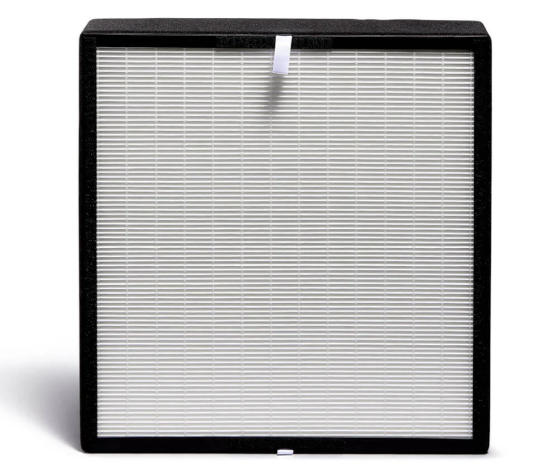
HEPA filters typically consist of fine mesh fibers (often made of glass or synthetic material) arranged in dense pleats. Their large surface area allows for efficient airflow while capturing microscopic impurities.
Why Cleaning HEPA Air Filters Matters
A clogged or contaminated HEPA air filter can cause multiple operational challenges:
- Reduced airflow efficiency in cleanroom and HVAC systems.
- Increased energy consumption.
- Higher contamination risks in sterile environments.
- Premature wear of downstream equipment (compressors, blowers, etc.).
Regular cleaning not only restores filtration efficiency but also extends filter lifespan and maintains compliance with strict air purity regulations such as ISO 14644 and GMP cleanroom standards.
Can All HEPA Filters Be Cleaned?
Not all HEPA air filters are washable or reusable. They generally fall into two categories:
1. Washable or permanent HEPA filters – Designed for multiple cleaning cycles, usually made from durable synthetic fibers.
2. Non-washable disposable filters – Typically made from fragile glass-fiber material. Attempting to clean these can damage the microscopic fibers and reduce filtration efficiency permanently.
Before starting any cleaning procedure, always check the manufacturer's instructions or labeling to confirm whether the HEPA air filter is washable.
Step-by-Step Guide: How To Clean a HEPA Air Filter
Follow these steps to carefully clean a washable HEPA air filter without compromising its structure or function.
Step 1: Turn Off and Unplug the Equipment
Before removing the filter, switch off the air purifier, HVAC unit, or cleanroom ventilation system. This prevents contaminants from being drawn into other system components during cleaning.
Step 2: Remove the Filter
Access the filter compartment according to the manufacturer's manual. Handle the HEPA air filter gently to avoid tearing or deforming the pleated material. Use gloves to reduce contact with trapped particles.
Step 3: Initial Dust Removal
Take the filter outdoors or to a designated maintenance area. Lightly tap the frame to shake off loose dust and large debris. You can also use a soft brush to clean external surfaces.
Avoid touching the pleated filter surface directly, as oils or fingerprints may compromise filtration.
Step 4: Vacuum with Low Suction
Using a vacuum cleaner with a brush nozzle, gently vacuum the surface following the pleats. Keep suction at low to medium intensity to avoid damaging the fibers. Make slow, even strokes to cover the entire surface area.
Step 5: Rinse (If Washable)
For washable models, rinse the HEPA air filter under lukewarm running water. Always flow water in the opposite direction of normal airflow to dislodge embedded particles.
Do not use soaps, detergents, or high-pressure jets, as chemicals and strong pressure can degrade fiber coatings.
Step 6: Dry Completely
Place the filter in a well-ventilated area to dry naturally for at least 24 hours. Never use heat sources like blow dryers or ovens, as high temperatures can warp the frame and melt the filter layers.
Ensure the filter is 100% dry before reinstalling it to prevent mold growth or microbial contamination.
Step 7: Reinstall the Filter
Carefully insert the clean, dry HEPA air filter back into its compartment, ensuring correct orientation. Tighten any sealing frames or latches to maintain air-tightness.
How Often Should a HEPA Air Filter Be Cleaned?
The cleaning frequency depends on environmental conditions, usage intensity, and type of filtering system:
- Cleanroom environments: every 3–6 months.
- Household purifiers: once every 2–3 months.
- Industrial applications: after 500–1,000 operating hours or as indicated by pressure gauge readings.
Operating conditions with high dust loads or humidity may require more frequent maintenance checks.
When to Replace Instead of Clean
Even washable filters have a lifespan. A HEPA air filter should be replaced when you notice:
- Visible damage or tear in the pleated material.
- Persistent odors or discoloration after cleaning.
- Reduced airflow even after maintenance.
- Pressure drop indicators in airflow systems.
Typically, washable filters last up to 2–3 years, while disposable filters should be replaced every 6–12 months depending on operation conditions.
Important Cleaning Tips and Warnings
- Never wash non-washable HEPA air filters; always check labels first.
- Avoid compressed air cleaning, which can distribute fine contaminants back into the environment.
- Use gloves and a mask to prevent inhaling dust during cleaning.
- Record the cleaning schedule for audit and regulatory purposes (especially in pharmaceutical or biotech facilities).
- Store spare filters in clean, sealed packaging to prevent pre-installation contamination.
How HEPA Air Filters Support Sterile Manufacturing
In pharmaceutical manufacturing, HEPA filters are highly integrated into:
- Purified water generation systems, preventing airborne particles from contaminating stored water.
- Pure steam generators and multi-effect distilled water machines, where clean air ensures no microbial cross-contamination.
- Liquid filling and sealing machines, which rely on HEPA-filtered air to maintain clean dosing chambers.
- Sterilization systems, where HEPA filtration ensures sterile air during cooling or drying cycles.
Thus, maintaining filter integrity directly safeguards product safety, regulatory compliance, and brand credibility.
Common Mistakes to Avoid
- Using household cleaners: These destroy the microscopic fiber structure.
- Incomplete drying: Moisture encourages mold and bacteria growth.
- Ignoring pre-filters: Always clean or replace pre-filters first, as they protect the HEPA layer.
- Over-cleaning: Excessive washing reduces tensile strength and filtration performance.
Cleaning should restore—not overextend—the filter's usable life.
Conclusion
Cleaning a HEPA air filter properly maintains air purity, reduces contamination risks, and prolongs system life in both industrial and residential settings. However, it's essential to determine whether your filter is washable or disposable before attempting any cleaning. With careful handling, regular maintenance, and correct installation, HEPA filters can deliver peak performance for years, ensuring a consistently sterile working environment.
FAQ
1. How can I tell if my HEPA air filter is washable?
Check the manufacturer's label or documentation. Washable filters usually note “permanent” or “reusable,” while disposable ones specify “non-washable” or “replace only.”
2. Can vacuuming alone clean a HEPA air filter effectively?
Vacuuming removes surface dust but cannot clear deep-seated particles. It's useful between washings but not a full replacement for water rinsing (when applicable).
3. What happens if I wash a non-washable HEPA air filter?
Washing damages delicate fibers, reducing filtration efficiency and potentially releasing trapped contaminants back into the air system.
4. Is it safe to use compressed air for cleaning a HEPA air filter?
No. Compressed air can rupture fibers and create airborne contamination. Always use a vacuum or gentle water flow.
5. Why does my clean HEPA filter still smell?
If odor persists after cleaning, microbial growth or chemical degradation may have occurred. Replace the filter immediately to avoid air quality issues.


