Content Menu
● Understanding HEPA Air Filters
>> What Is a HEPA Filter?
>> The Role of HEPA Air Filters in Air Purifiers
● Factors That Affect HEPA Filter Lifespan
>> 1. Air Quality of the Environment
>> 2. Duration and Intensity of Use
>> 3. Filter Build Quality
>> 4. Type of Contaminants
>> 5. Airflow Design of the Purifier
● Recommended Replacement Frequency
● Signs Your HEPA Filter Needs Replacement
● How to Replace a HEPA Air Filter Properly
● How Everheal Integrates HEPA Filtration in Pharmaceutical Equipment
>> 1. In Pure Steam Generators
>> 2. In Distilled Water Machines and Filling Lines
>> 3. In Cleanroom Air Handling Systems
>> 4. In Sterilization Systems
● Best Practices for Extending HEPA Filter Lifespan
● The Cost of Delaying Filter Replacement
● Conclusion
● FAQ
>> 1. How can I tell if my HEPA filter is full?
>> 2. Can I vacuum or wash a HEPA Air Filter?
>> 3. How often should I replace a HEPA filter in a pharmaceutical environment?
>> 4. Do all air purifiers use HEPA filters?
>> 5. How does Everheal ensure filter reliability?
Indoor air quality directly impacts human health, especially in environments such as pharmaceutical facilities, laboratories, hospitals, and modern homes. With increasing concern over airborne contaminants, allergens, and pathogens, HEPA Air Filters have become essential components of air purification systems. These filters are known for their ability to trap particles as small as 0.3 microns, capturing dust, bacteria, and airborne viruses. However, one critical question remains: how often should you change the HEPA filter in your air purifier?
In this article, we'll explore how HEPA Air Filters work, the factors that influence their lifespan, signs that indicate replacement, and best practices for maintaining them—especially in high-purity environments like those served by Everheal, a global provider of pharmaceutical production and cleanroom equipment.
Understanding HEPA Air Filters
What Is a HEPA Filter?
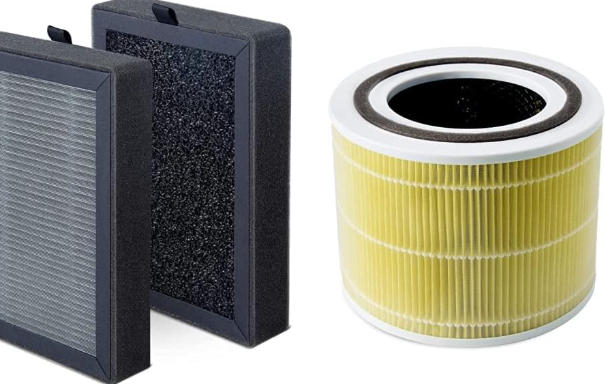
HEPA stands for High-Efficiency Particulate Air. A HEPA Air Filter is designed to capture at least 99.97% of airborne particles of 0.3 microns in diameter. This includes pollen, smoke, bacteria, and even some viruses. The technology originates from the aerospace and nuclear industries but has since been adapted for medical, industrial, and residential use.
The filter consists of a fine mesh of glass fibers or synthetic materials arranged randomly to create a dense mat that forces air to pass through numerous layers. As air flows through, particles are trapped by diffusion, interception, and impaction.
The Role of HEPA Air Filters in Air Purifiers
In air purifiers, HEPA filters work as the final stage of filtration, after pre-filters and activated carbon layers. The HEPA Air Filter is responsible for ensuring the purified air is truly clean and free from micro-pollutants. In settings such as pharmaceutical production, cleanroom applications, and hospital environments, they maintain GMP (Good Manufacturing Practice) compliance and help protect product and operator safety.
Factors That Affect HEPA Filter Lifespan
The frequency of HEPA Air Filter replacement depends on multiple environmental and operational factors. Understanding these will help determine a suitable maintenance schedule.
1. Air Quality of the Environment
If your air purifier operates in an area with high levels of dust, smoke, or particulate pollution, the filter will clog much faster. Urban areas, industrial zones, or manufacturing workshops will shorten filter lifespan compared to clean office environments.
2. Duration and Intensity of Use
Continuous use means the filter is constantly exposed to airborne particles. In places like hospitals or pharmaceutical facilities that operate 24/7, HEPA Air Filters may need changing every three to six months. For domestic use, replacement might only be needed once every 12 to 18 months.
3. Filter Build Quality
High-end filters made with multilayer synthetic fibers or coated media tend to have longer service lives. Some HEPA filters are washable or reusable, though true HEPA filters generally aren't recommended to be washed because moisture can damage the fibers.
4. Type of Contaminants
Filter degradation also depends on whether it's capturing biological contaminants, chemical vapors, or dust particles. In pharmaceutical or sterile manufacturing environments, bio-hazard filtration leads to faster saturation.
5. Airflow Design of the Purifier
The design and efficiency of the air purifier also influence how quickly the HEPA filter collects debris. Systems with optimized pre-filtration stages reduce the workload of the HEPA layer, extending its usable life.
Recommended Replacement Frequency
On average, most manufacturers recommend replacing HEPA Air Filters every 6 to 12 months, but this range can vary widely. Below is a guideline chart:
| Environment Type | Operating Hours | Recommended Interval |
| Residential Home | 6–8 hrs/day | Every 12–18 months |
| Office / Commercial | 10–12 hrs/day | Every 6–12 months |
| Hospital or Laboratory | 24/7 | Every 3–6 months |
| Pharmaceutical Production | 24/7 | Every 3 months (critical zones) |
| Cleanroom (ISO 5–8) | 24/7 | Every 6 months or by performance test |
These timeframes serve as general guidance, but the actual replacement schedule should depend on air quality monitoring and system performance. Many professional systems include sensors that monitor airflow resistance or particle count to signal when filters need replacement.
Signs Your HEPA Filter Needs Replacement
Even with a maintenance schedule, you should pay attention to physical and performance signs that indicate a HEPA Air Filter is approaching the end of its life:
- Reduced Airflow: A noticeable decline in air output usually means the filter is clogged.
- Increased Noise Level: The air purifier's fan may run harder to compensate for restricted airflow.
- Persistent Odors or Dust: If the purifier fails to remove odors or airborne dust, the filter might be saturated.
- Discoloration of the Filter: Visual inspection showing gray or black layers indicates particle accumulation.
- System Alarm or Indicator Light: Many modern purifiers include a HEPA filter replacement alert.
Failing to replace the filter on time can lead to decreased efficiency and even contaminant re-release, which compromises cleanroom air quality and product safety.
How to Replace a HEPA Air Filter Properly
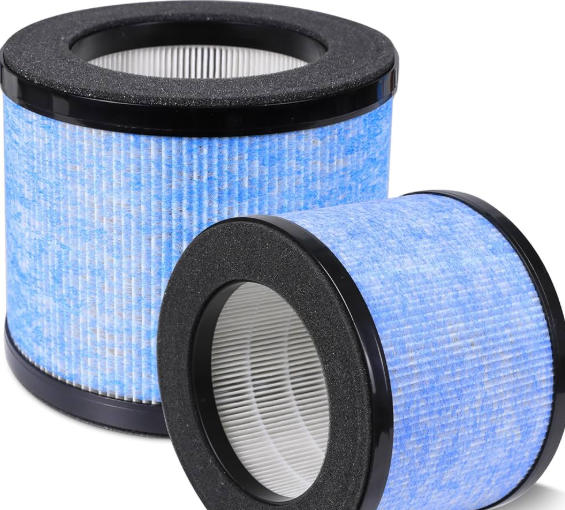
Changing a HEPA Air Filter is straightforward, but attention to sanitary handling is essential—especially in pharmaceutical and sterile production environments.
1. Turn off and unplug the purifier to ensure complete safety.
2. Open the access panel following the manufacturer's instructions.
3. Remove the old filter carefully without shaking it to avoid releasing trapped particles.
4. Dispose of the used filter properly—in pharmaceutical environments, treat it as contaminated waste.
5. Install the new HEPA Air Filter, aligning arrows or airflow indicators correctly.
6. Seal and close the access panel tightly to prevent bypass leakage.
7. Reset the filter indicator if your model includes one.
8. Test the air purifier to ensure airflow is restored and the system operates smoothly.
How Everheal Integrates HEPA Filtration in Pharmaceutical Equipment
At Everheal, HEPA filtration is integral to the company's sterilization and pure water systems, ensuring both air and water purity during pharmaceutical production.
1. In Pure Steam Generators
Everheal's pure steam generators incorporate HEPA-filtered air intakes that maintain sterile-grade vapor output, ensuring the highest microbiological safety.
2. In Distilled Water Machines and Filling Lines
HEPA Air Filters are used in multi-effect distillation systems and liquid filling sealing machines to maintain sterile conditions during product transfer and packaging.
3. In Cleanroom Air Handling Systems
For cleanroom setups, Everheal designs custom factory layouts that include HVAC systems integrated with multi-stage filtration—pre-filters, carbon filters, and HEPA Air Filters. These components guarantee compliance with ISO 14644 standards and GMP regulations.
4. In Sterilization Systems
HEPA filters also safeguard autoclaves and sterile tunnels from airborne particulates, ensuring contamination-free processes.
By carefully selecting and replacing HEPA filters on schedule, Everheal helps customers maintain consistent product quality, operational safety, and regulatory compliance.
Best Practices for Extending HEPA Filter Lifespan
To optimize the efficiency and durability of a HEPA Air Filter, consider implementing the following strategies:
- Use a pre-filter: A coarse pre-filter captures larger particles, reducing load on the HEPA layer.
- Keep the environment clean: Regular cleaning of floors, equipment, and walls minimizes airborne particles.
- Operate purifiers consistently: Stable operation avoids extreme buildup periods and maintains airflow balance.
- Avoid washing non-washable filters: Moisture can damage the structure of true HEPA fibers.
- Conduct routine validation tests: Especially in GMP environments, perform airflow and particle count checks.
- Document the maintenance schedule: Keeping track ensures replacement occurs before performance declines.
These steps significantly extend filter longevity and help maintain high indoor air quality standards.
The Cost of Delaying Filter Replacement
Neglecting timely replacement of a HEPA Air Filter can have serious consequences, especially in industries requiring sterile or particulate-free conditions:
- Loss of system efficiency and higher energy consumption
- Risk of microbial contamination
- Downtime due to unplanned maintenance
- Non-compliance with GMP or ISO certifications
- Degradation of product quality and safety
Considering these factors, investing in a reliable maintenance plan is always more economical than facing the risks of poor air filtration.
Conclusion
A HEPA Air Filter is an indispensable component in modern air purification systems, especially in pharmaceutical manufacturing and cleanroom environments. While general residential or office use may allow annual replacement, critical industries like healthcare or pharmaceutical production often require more frequent changes—every 3 to 6 months.
By following proper maintenance schedules, recognizing warning signs, and sourcing filters from trusted manufacturers like Everheal, operations can maintain optimal air quality and ensure compliance with industry safety standards. A clean HEPA filter doesn't just improve air purity—it protects lives, products, and reputations.
FAQ
1. How can I tell if my HEPA filter is full?
If you notice reduced airflow, increased noise, or persistent odors even after cleaning, the HEPA Air Filter is likely full. Visual discoloration or a replacement light from your purifier confirms it needs changing.
2. Can I vacuum or wash a HEPA Air Filter?
You should not wash or vacuum a true HEPA filter because it can damage the fiber structure and compromise filtration efficiency. Instead, replace it as recommended by the manufacturer.
3. How often should I replace a HEPA filter in a pharmaceutical environment?
In pharmaceutical cleanrooms or sterile zones, HEPA Air Filters usually require replacement every 3 to 6 months, or whenever particle tests show deviations from ISO standards.
4. Do all air purifiers use HEPA filters?
No, some purifiers use electrostatic, ionizing, or activated carbon filters. However, for the highest particle capture efficiency, HEPA Air Filters remain the gold standard.
5. How does Everheal ensure filter reliability?
Everheal sources certified components from industry-trusted suppliers and conducts strict HEPA performance validation in all its pure water systems, sterilizers, and cleanroom setups, ensuring compliance with global GMP and ISO requirements.


