Content Menu
● Understanding What a HEPA Air Filter Does
● Why HEPA Filter Replacement Matters
● Recommended Replacement Frequency for HEPA Air Filters
>> 1. Environment Type
>> 2. Operating Hours
>> 3. Pre-Filter Efficiency
>> 4. HEPA Filter Design and Grade
>> 5. Visual and Performance Indicators
● How to Know When the HEPA Filter Needs Replacement
● The Science Behind HEPA Filter Efficiency Loss
● HEPA Air Filter Replacement Procedure
● Cost Considerations and Long-Term Benefits
>> Key cost-saving benefits include:
● HEPA Filters in Pharmaceutical Systems
● Professional Maintenance and Filter Validation
● Environmental Factors Influencing Filter Lifespan
>> Common influences include:
● Tips for Extending HEPA Air Filter Life
● Conclusion
● FAQ
>> 1. How long does a HEPA Air Filter last?
>> 2. Can I clean and reuse a HEPA Air Filter?
>> 3. What affects HEPA filter performance the most?
>> 4. How do I verify HEPA filter efficiency?
>> 5. Why is HEPA filtering crucial for pharmaceutical equipment?
Maintaining clean indoor air has become a top priority for homes, laboratories, pharmaceutical plants, and healthcare facilities. The HEPA Air Filter — High-Efficiency Particulate Air filter — plays a crucial role in capturing harmful particles and ensuring a contaminant-free environment. However, one of the most common questions among equipment owners is: How often should you change a HEPA filter in an air purifier?
This article explores that question in depth, considering environmental factors, filter grades, and industry applications. Whether you're operating a pharmaceutical production room, a hospital laboratory, or a residential air purifier, understanding HEPA filter maintenance can significantly improve air quality and equipment performance.
Understanding What a HEPA Air Filter Does
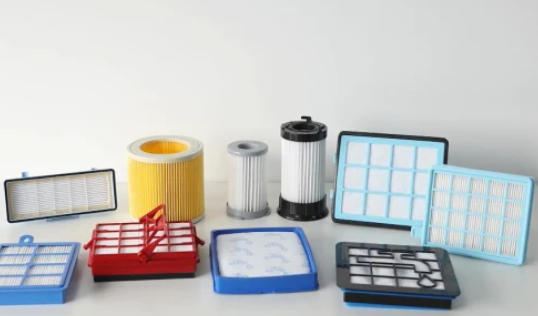
A HEPA Air Filter is designed to remove at least 99.97% of airborne particles that are 0.3 microns or larger — including dust, bacteria, pollen, and even microscopic droplets. In pharmaceutical or sterile environments, HEPA filters are essential to prevent contamination and maintain FDA or GMP compliance.
HEPA filters are typically made of tightly interlaced glass fibers arranged in a random pattern. Air passes through these fibers, while solid contaminants become trapped either by direct interception, inertial impaction, or diffusion.
The filter's precision makes it a top choice for industries that demand ultra-clean environments, including:
- Pharmaceutical manufacturing systems
- Cleanrooms for injectable drugs
- Biotechnology and research laboratories
- Food and beverage packaging facilities
- Medical equipment manufacturing plants
For an air purifier, the HEPA Air Filter acts as the final defense line against airborne impurities, providing a continuous flow of purified air.
Why HEPA Filter Replacement Matters
Just like any other filtration system, a HEPA Air Filter has a limited lifespan. Over time, dust, spores, and micro-particles accumulate in the fibers, reducing airflow and filtration efficiency.
Neglecting to replace the filter leads to several problems:
1. Reduced airflow and pressure drop – The purifier's fan must work harder, increasing energy costs.
2. Clogging and saturation – Once saturated, a filter cannot capture more contaminants.
3. Microbial growth – Moisture and trapped organic matter allow bacteria or mold to develop.
4. Compromised air quality – The air purifier becomes less effective, and indoor pollution increases.
In environments such as pharmaceutical cleanrooms or sterile processing lines, a compromised HEPA Air Filter could lead to product contamination, costly downtime, or regulatory non-compliance. Therefore, knowing when to replace it is more than maintenance — it's a necessity.
Recommended Replacement Frequency for HEPA Air Filters
The frequency for changing a HEPA filter depends on several key factors:
1. Environment Type
Different environmental conditions drastically affect how quickly a HEPA Air Filter becomes dirty.
- Home or office environments: Replace every 12 to 18 months.
- Hospitals, labs, or cleanrooms: Replace every 6 to 12 months.
- Pharmaceutical manufacturing or sterile environments: Replace every 3 to 6 months, or as per GMP guidelines.
- Polluted or industrial regions: Inspect every 3 months and replace as soon as efficiency drops below regulatory limits.
2. Operating Hours
Continuous operation increases filter load. For 24-hour air purifiers commonly used in laboratories or production sites, more frequent replacement is recommended.
3. Pre-Filter Efficiency
Many systems use a pre-filter to capture larger dust and debris before air reaches the HEPA filter. A well-maintained pre-filter can extend the life of the HEPA unit by 30–50%.
4. HEPA Filter Design and Grade
Higher-grade HEPA filters (e.g., H13 or H14) typically have better performance but may require periodic integrity testing to confirm efficiency over time. Periodic leak and airflow tests should be conducted as part of scheduled maintenance.
5. Visual and Performance Indicators
Most air purifiers today feature warning lights or pressure sensors that signal when the HEPA filter's condition drops below optimal. Always follow the manufacturer's monitoring system or pressure drop indicator.
How to Know When the HEPA Filter Needs Replacement
While timelines provide general guidance, real-world factors often dictate replacement frequency. Below are practical indicators your HEPA Air Filter may need to be changed:
- Reduced airflow: Notice weaker air output from your air purifier even at full speed.
- Unusual noise: The fan sounds strained as it pushes air through a congested filter.
- Air quality decline: Increased allergy symptoms, dust accumulation, or musty odors.
- Warning notification: Some modern air purifiers alert you automatically when maintenance is due.
- Visible discoloration: Grey or darkened filter media indicates particulate saturation.
In controlled environments like pharmaceutical facilities, airflow meters and particle counters provide quantitative data on air quality. When readings deviate from target levels, replacing the HEPA Air Filter becomes mandatory.
The Science Behind HEPA Filter Efficiency Loss
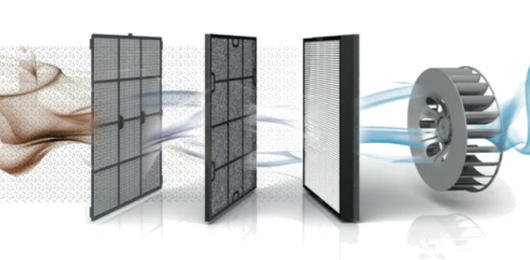
The loss of efficiency in a HEPA Air Filter follows a predictable cycle of resistance and saturation. Initially, as particles are trapped, the filter becomes denser and actually performs *better* for a short time. However, as the load continues to increase, air resistance builds up, airflow declines, and contaminants begin to penetrate the filter media.
This phenomenon, known as filter breakthrough, can lead to the release of trapped particulates back into the air stream. In critical industries, such failure could compromise both product quality and safety compliance.
Effective HEPA maintenance schedules should therefore consider pressure drop curves, particle count data, and validated performance testing intervals.
HEPA Air Filter Replacement Procedure
Changing a HEPA filter is straightforward but must follow safety and contamination control procedures, especially in pharmaceutical or cleanroom applications. The following steps outline best practices:
1. Turn off and isolate the air purifier system.
2. Wear appropriate PPE (gloves, mask, gown).
3. Remove access panels as per manufacturer's instructions.
4. Carefully extract the old HEPA Air Filter to prevent trapped particles from escaping.
5. Dispose of the filter in sealed containment, following environmental or facility protocols.
6. Install the new HEPA filter, ensuring airtight sealing along the gasket perimeter.
7. Conduct an integrity or leak test before restarting the system.
In production environments, always document each filter replacement in maintenance logs to meet audit and regulatory requirements.
Cost Considerations and Long-Term Benefits
While HEPA Air Filters can be more expensive than standard filters, the investment pays off through energy efficiency, better air quality, and protection of sensitive production areas.
Key cost-saving benefits include:
- Fewer contamination incidents in pharmaceutical and food processing sites.
- Lower maintenance costs due to reduced system strain.
- Improved product yield and compliance with regulatory standards.
- Enhanced environmental safety for workers and products.
It's wise to establish a preventative maintenance plan where filters are replaced at fixed intervals rather than reacting to failures. Scheduled maintenance ensures operational reliability and long-term savings.
HEPA Filters in Pharmaceutical Systems
For companies like Everheal, specialized in pharmaceutical equipment such as pure steam generators, purified water systems, and sterilization units, proper HEPA Air Filter management is integral to your cleanroom ecosystem.
In sterile environments, air purity affects every part of the production chain — from water and vapor systems to liquid filling and packaging lines. HEPA filters maintain positive pressure and sterility, ensuring that no contaminants infiltrate sensitive processes.
Periodic filter validation — including DOP testing, integrity scanning, and airflow verification — guarantees compliance with international standards such as ISO 14644 and GMP Annex 1.
Professional Maintenance and Filter Validation
Replacing a HEPA filter is only one part of proper maintenance. Professional validation ensures the filter performs as designed. When working with critical systems, choose service providers that offer the following:
- HEPA integrity testing (PAO or DOP test)
- Air velocity and uniformity mapping
- Particle count and cleanroom classification verification
- Filter housing inspection and sealing test
These procedures not only ensure regulatory compliance but also extend the service life of your equipment and enhance overall process stability.
Environmental Factors Influencing Filter Lifespan
Every air purifier or cleanroom system operates under different environmental pressures. Factors such as humidity, temperature, particulate concentration, and operating cycles influence HEPA filter durability.
Common influences include:
- High humidity environments: Accelerate dust adhesion and microbial growth.
- Heavy aerosol or chemical presence: Degrade filter fibers over time.
- Inconsistent airflow: Causes uneven dust loading and pressure imbalances.
- Frequent start-stop operations: Introduce particle surges that wear filters faster.
By controlling environmental variables and ensuring air pre-filtration, you can significantly prolong HEPA Air Filter life.
Tips for Extending HEPA Air Filter Life
1. Use high-quality pre-filters and replace them regularly.
2. Maintain consistent operating temperature and humidity.
3. Clean outer housing and grilles to prevent dust build-up.
4. Avoid overloading equipment — do not operate beyond recommended duty cycles.
5. Schedule regular inspections based on cumulative operating hours, not just calendar days.
Monitoring system pressure and establishing quality-controlled SOPs (Standard Operating Procedures) help ensure your HEPA Air Filters continue to protect both people and products effectively.
Conclusion
Changing your HEPA Air Filter at the right time is essential for ensuring optimal air purification, maintaining clean production environments, and complying with safety regulations. While manufacturers often recommend replacement every 6 to 12 months, the actual frequency depends on environment, usage, and filtration system design.
For pharmaceutical and cleanroom applications, regular testing, validation, and professional maintenance should accompany filter replacement schedules.
By following proper maintenance protocols, you not only preserve air quality but also safeguard product integrity and operational efficiency — the ultimate goal for any high-standard manufacturing system.
FAQ
1. How long does a HEPA Air Filter last?
Typically, a HEPA Air Filter lasts between 6 and 18 months. However, high-use industrial or pharmaceutical systems may require replacement every 3 to 6 months for optimal efficiency.
2. Can I clean and reuse a HEPA Air Filter?
No. Genuine HEPA filters are not designed for washing or reuse. Cleaning them can damage the fine fibers and reduce filtration efficiency. Always replace with a certified new filter.
3. What affects HEPA filter performance the most?
Key factors include particle concentration, humidity, and airflow rate. Excessive dust or chemical vapors can clog or degrade the filter media faster.
4. How do I verify HEPA filter efficiency?
Use particle counters, airflow meters, or integrity tests such as the DOP/PAO test. Periodic testing ensures that your HEPA Air Filter meets ISO and GMP standards.
5. Why is HEPA filtering crucial for pharmaceutical equipment?
It ensures that critical manufacturing zones remain sterile and contamination-free, protecting both production quality and end-user safety. HEPA filtration supports compliance with international GMP standards.


