Content Menu
● The Global Landscape of Pharmaceutical Consumption
● Why the U.S. Consumes So Many Pharmaceuticals
>> 1. Economic Affluence and Healthcare Spending
>> 2. Advanced Pharmaceutical R&D
>> 3. Chronic Disease Prevalence
>> 4. An Aging Population
● Pharmaceutical Manufacturing and Consumables Demand
● How U.S. Demand Impacts Global Supply Chains
>> Globalization of Pharmaceutical Production
● U.S. Regulatory Influence on Global Standards
● The Role of Pharmaceutical Consumables in Quality Assurance
● Environmental and Sustainability Considerations
● The Future of Global Pharmaceutical Consumption
● Conclusion
● FAQ
>> 1. What percentage of the world's pharmaceuticals does the U.S. consume?
>> 2. What are pharmaceutical consumables?
>> 3. Why is the demand for pharmaceutical consumables increasing?
>> 4. How does Everheal support global pharmaceutical production?
>> 5. Are there environmental concerns about single-use consumables?
The United States, though it represents only about 4% of the world's population, accounts for a disproportionately large share of global pharmaceutical consumption. This reality has major implications for the global pharmaceutical industry, including pharmaceutical consumables, production systems, and supply chain management. As demand for medicines continues to rise, understanding the scope of U.S. pharmaceutical usage provides valuable insights for manufacturers, suppliers, and healthcare policymakers.
The Global Landscape of Pharmaceutical Consumption
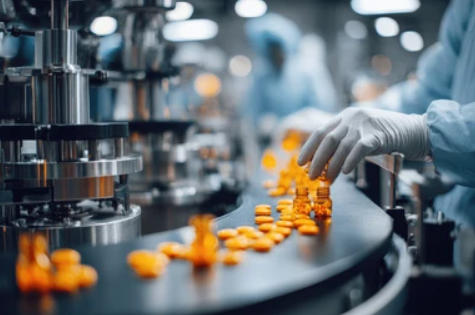
Globally, the pharmaceutical market is valued at over \$1.5 trillion annually, with demand growing rapidly due to aging populations, chronic diseases, and advancements in drug development technology. However, this demand is not evenly distributed. The U.S. alone is estimated to consume around 40–45% of the world's pharmaceuticals.
This imbalance reflects several key factors:
- The high cost of healthcare and branded drugs in the U.S. market.
- Extensive healthcare coverage for prescription medications.
- A strong culture of clinical treatments and preventive medicine.
- Advanced logistics systems and widespread availability of pharmaceutical consumables.
Other significant consumers include Europe (28%), Japan (7%), and China (about 9%). Yet, none of these regions match the United States in terms of expenditure and consumption volume per capita.
Why the U.S. Consumes So Many Pharmaceuticals
1. Economic Affluence and Healthcare Spending
The U.S. leads global healthcare spending, allocating about 17% of its GDP to healthcare. High consumer purchasing power and comprehensive insurance programs support continued access to both patented drugs and generic medicines. This contributes directly to the large-scale use of pharmaceutical consumables for production, testing, and packaging.
2. Advanced Pharmaceutical R&D
The United States is home to most of the world's major pharmaceutical companies. These firms fuel the market with new products and innovations. Their success leads to increased domestic availability and consumption of medications. Every breakthrough drug developed domestically tends to find its largest market within the U.S.
3. Chronic Disease Prevalence
The country faces high rates of chronic conditions such as diabetes, cardiovascular disease, and cancer. These illnesses require long-term medication, often involving a variety of drugs. As a result, hospitals and manufacturers use increasing quantities of pharmaceutical consumables to maintain reliable production and supply chains.
4. An Aging Population
The aging of the Baby Boomer generation intensifies demand. Older adults commonly rely on multiple prescriptions—sometimes referred to as polypharmacy—which pushes pharmaceutical consumption to new heights.
Pharmaceutical Manufacturing and Consumables Demand
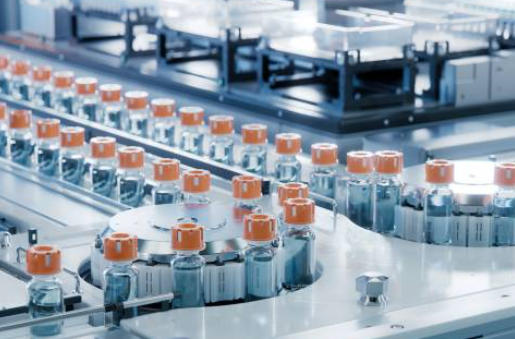
The rapid consumption of drugs in the U.S. influences the global demand for high-quality pharmaceutical manufacturing equipment and consumables. Pharmaceutical consumables refer to the materials and components regularly used in production, testing, and packaging processes. These include filtration membranes, tubing, vials, stoppers, sterile connectors, and various single-use systems.
Manufacturers like Everheal play an essential role in enabling global drug production through:
- Pure water preparation systems, ensuring water-for-injection meets international purity standards.
- Multi-effect distillation, which produces sterile distilled water for parenteral drugs.
- Pure steam generators, vital for sterilization and cleanroom environments.
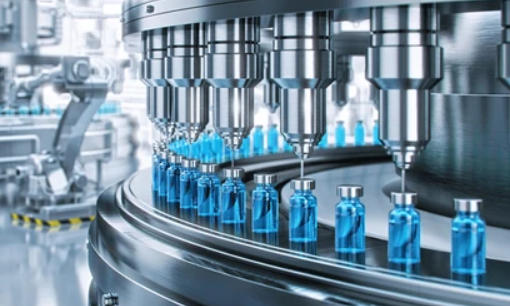
- Liquid filling and sealing machines, which guarantee sterile packaging of injectables.
- Sterilization systems, ensuring all consumables and instruments meet regulatory requirements.
Such equipment ensures that pharmaceutical producers maintain GMP (Good Manufacturing Practice) standards, minimize contamination risks, and optimize output quality.
How U.S. Demand Impacts Global Supply Chains
High consumption levels in the U.S. exert a powerful influence on global pharmaceutical manufacturing and logistics. When demand surges, so does the need for scalable equipment and pharmaceutical consumables. American pharmaceutical companies often source consumables and components from Asia, particularly from China, where advanced manufacturers have developed reliable solutions at competitive costs.
Globalization of Pharmaceutical Production
China, India, and Singapore have become key suppliers of pharmaceutical consumables and processing systems. Their factories produce tubing, filtration units, and single-use bioprocessing materials that are essential for modern pharmaceutical manufacturing lines.
Everheal, as a Chinese manufacturer, supports these global operations by providing integrated solutions that cover every stage of pharmaceutical infrastructure setup—from pure steam production to sterile filling and packaging systems. These offerings allow global clients, including U.S.-based firms, to establish efficient and compliant manufacturing environments.
U.S. Regulatory Influence on Global Standards
Regulatory demands from the U.S. Food and Drug Administration (FDA) strongly shape how pharmaceuticals are produced and distributed globally. The FDA's guidelines on cleanroom operations, sterile processing, and pure water quality have become international benchmarks. As a result, companies worldwide must adopt similar systems and pharmaceutical consumables to meet export requirements.
For instance:
- Sterile production lines must follow strict standards on temperature, humidity, and particle control.
- Water-for-injection systems must consistently meet USP <1231> standards.
- Pure steam used in sterilization must have zero non-condensable gases or biological contaminants.
Manufacturers that can tailor their systems to these standards—like Everheal—have a significant advantage in the global marketplace.
The Role of Pharmaceutical Consumables in Quality Assurance
Quality assurance in pharmaceutical production depends heavily on precise, controllable processes and clean materials. Pharmaceutical consumables serve not only operational but also regulatory purposes. For example:
- Single-use systems reduce cross-contamination risks between batches.
- Filtration components ensure particle-free liquids in drug formulations.
- Sterilizable connectors maintain aseptic integrity during transfer processes.
- Vials and stoppers made from high-grade materials maintain purity over time.
These consumables may seem minor compared to machinery, but they are essential in maintaining the credibility and compliance of pharmaceutical manufacturers worldwide.
Environmental and Sustainability Considerations
The rising reliance on disposable pharmaceutical consumables introduces new environmental challenges. While single-use materials prevent contamination, they also produce significant medical waste. The global industry is now pursuing eco-friendly consumables made from recyclable or biodegradable materials.
Companies like Everheal are developing energy-efficient steam systems, water-recovery technologies, and sustainable consumable designs to reduce the environmental footprint of pharmaceutical production facilities.
The Future of Global Pharmaceutical Consumption
As healthcare evolves, emerging markets in Asia, Latin America, and Africa are expected to account for a growing share of global pharmaceutical use. However, the U.S. will likely remain the largest single consumer for decades.
Three emerging trends will shape the future:
1. Continuous manufacturing: Automated and modular systems will improve efficiency.
2. Digital optimization: AI-driven analytics will streamline pharmaceutical production and quality control.
3. Sustainable consumables: The next generation of pharmaceutical consumables will balance sterility and sustainability.
Every stage of this evolution will depend on equipment and consumables that meet strict cleanroom standards and validation requirements.
Conclusion
The United States' consumption of pharmaceuticals represents nearly half of the global total, underscoring its unparalleled role in shaping global pharmaceutical trends. This consumption drives innovation not only in drug discovery but also in the manufacturing systems and pharmaceutical consumables that support safe, sterile, and efficient production.
For global equipment suppliers like Everheal, this dynamic presents both opportunity and responsibility—to deliver high-quality water systems, distillation units, pure steam generators, and sterilizer solutions that power the pharmaceutical industry's continued growth. As the demand for drugs continues to expand, so too will the need for advanced consumables and sustainable production methods that ensure quality, efficiency, and compliance.
FAQ
1. What percentage of the world's pharmaceuticals does the U.S. consume?
The U.S. consumes about 40–45% of the world's pharmaceuticals, representing the largest national market globally despite having only 4% of the global population.
2. What are pharmaceutical consumables?
Pharmaceutical consumables are materials used regularly in the production and quality assurance of medications, such as filters, tubing, bottles, stoppers, and sterile connectors. They are essential for maintaining sterility and product safety.
3. Why is the demand for pharmaceutical consumables increasing?
The global push for sterile, single-use production systems has led to higher demand for reliable pharmaceutical consumables in both established and emerging pharmaceutical markets.
4. How does Everheal support global pharmaceutical production?
Everheal provides complete factory layout planning and integrated pharmaceutical equipment solutions, including pure steam generators, distillation systems, and liquid filling and sealing machines, all designed to work seamlessly with modern pharmaceutical consumables.
5. Are there environmental concerns about single-use consumables?
Yes. While single-use pharmaceutical consumables minimize contamination, they generate waste. The industry is now developing recyclable and eco-friendly alternatives to balance cleanliness with sustainability.


