Content Menu
● What Is a Washable Air Filter?
● Why Drying Matters So Much
● Typical Drying Time for Washable Air Filters
● Factors Influencing Drying Time
>> 1. Material Composition
>> 2. Environmental Conditions
>> 3. Cleaning Method
>> 4. Filter Size and Layer Design
>> 5. Temperature and Airflow
● Step-by-Step Guide to Drying a Washable Air Filter
● How to Know When Your Filter Is Completely Dry
● Mistakes to Avoid During Drying
● Professional Tips for Faster Drying
● Maintenance Schedule for Washable Air Filters
● Safety and Hygiene Considerations
● Conclusion
● FAQs About Washable Air Filters
>> 1. How often should I clean my washable air filter?
>> 2. Can I use a hair dryer to speed up drying?
>> 3. What happens if the filter isn't completely dry?
>> 4. Are washable air filters as effective as disposable ones?
>> 5. Can I dry a washable air filter overnight?
Maintaining air quality is essential not only for residential environments but also for industrial and pharmaceutical manufacturing. One crucial component in achieving high air quality standards is the washable air filter. These filters are widely used across many sectors, from HVAC systems in offices to purified air systems in pharmaceutical production. However, one frequent question users encounter is: How long does a washable air filter take to dry?
This article explores that question in detail and offers a full overview of drying times, influencing factors, drying methods, maintenance best practices, and safety considerations. Whether you're a facility manager, an engineer, or a homeowner interested in improving indoor air quality, understanding the drying process of washable air filters is critical.
What Is a Washable Air Filter?
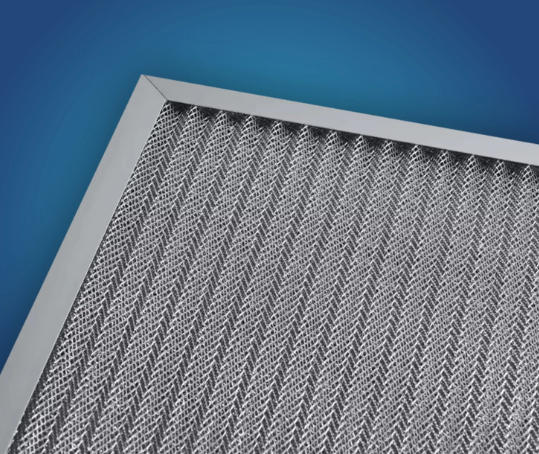
A washable air filter is a reusable filtration medium designed to trap dust, pollen, microbes, and other airborne particles. Unlike disposable filters, washable filters are made of durable materials such as aluminum mesh, electrostatic fibers, or high-density foam. They can be cleaned and reused multiple times without losing filtration performance when properly maintained.
In the context of pharmaceutical equipment manufacturing — such as pure water generation systems, pure steam generators, or sterilization systems — maintaining sterile air quality is essential. Washable air filters contribute to controlling environmental contamination and maintaining ISO-compliant cleanroom standards.
Why Drying Matters So Much
Drying a washable air filter completely before reinstallation is more than just a good practice — it's a necessity. Moisture retained inside the filter can create microbial growth, mildew, or corrosion, especially in sensitive manufacturing environments. A damp filter blocks efficient airflow, shortens filter life, and compromises system performance.
If filters are reinstalled before they dry properly, they can introduce humidity into air handling systems — a condition that can disrupt pharmaceutical-grade production lines where environmental stability is critical. Therefore, understanding the full drying process directly impacts both operational efficiency and product quality.
Typical Drying Time for Washable Air Filters
Under normal conditions, a washable air filter takes approximately 3 to 6 hours to dry completely at room temperature. However, the exact time depends on several variables, including:
- Filter material type (metal, foam, or synthetic fibers)
- Ambient humidity levels
- Air circulation in the drying area
- Thickness and design of the filter layers
- Temperature of the drying environment
In a controlled industrial cleanroom or HVAC maintenance area, technicians may use filtered warm air to accelerate drying times safely, reducing the duration to 1–2 hours.
Factors Influencing Drying Time
Drying a washable air filter isn't a one-size-fits-all process. Several factors can affect how long it takes for a filter to become completely dry.
1. Material Composition
- Metal mesh filters (commonly aluminum) tend to dry faster due to their porous structure and low water absorption rates.
- Electrostatic fiber filters retain more water and take longer to dry because of their dense internal fiber arrangement.
- Foam filters require the longest drying time since foam can trap water deep within its cells.
2. Environmental Conditions
Humidity is the most influential external factor. At 60% relative humidity, filters may dry within 4–5 hours, whereas at 90% humidity, it could take more than 8 hours. Increasing air circulation using fans or HVAC airflow significantly shortens drying time.
3. Cleaning Method
The more thoroughly a washable air filter is rinsed, the more water is retained. If you wash the filter under running water or submerge it completely, it will hold more moisture. Gently shaking excess water after rinsing helps speed up drying.
4. Filter Size and Layer Design
Thicker filters with multi-layered or reinforced mesh structures generally trap more water. Therefore, their drying time is longer compared to thin, single-layered washable filters.
5. Temperature and Airflow
Drying in a well-ventilated area at around 25–30°C enhances the evaporation rate without damaging the filter. Avoid using direct heat sources like hair dryers or heat guns since they can warp certain plastic or fiber-based filters.
Step-by-Step Guide to Drying a Washable Air Filter
To ensure your washable air filter dries correctly and safely, follow these recommended steps:
1. Shake Off Excess Water
After rinsing the filter, shake it gently to remove trapped droplets. This prevents water from pooling in corners.
2. Pat Dry with a Cloth
Use a lint-free microfiber towel to remove surface moisture without damaging the filtration material.
3. Place in a Well-Ventilated Area
Choose an area with minimal dust and proper air circulation. Avoid leaving filters near direct sunlight if they are made of polymer materials.
4. Use a Fan for Faster Drying
Position a fan at a moderate distance to blow filtered air across the surface. This technique can halve the total drying time.
5. Check for Complete Dryness
Before reinstalling the filter, ensure there's no visible moisture or dampness. If necessary, allow additional time for full drying.
How to Know When Your Filter Is Completely Dry
Determining dryness isn't always obvious. A washable air filter might feel dry to the touch but still hold moisture in internal layers. Here are a few checks to make sure it's thoroughly dried:
- Touch test: Lightly press tissue paper against the surface; if it remains dry, the filter is likely ready.
- Visual check: Look for water droplets trapped between mesh layers or within folds.
- Weight test: A fully dry washable air filter typically weighs slightly less than immediately after rinsing.
- Airflow test: Blow gentle air through it; if you feel consistent airflow, it's sufficiently dry.
Mistakes to Avoid During Drying
Even small mistakes can reduce filter performance or lifespan. Avoid these common errors when drying a washable air filter:
- Reinstalling while damp: Reintroduces moisture into the HVAC system, encouraging mold growth.
- Using direct heat sources: Can distort filter frames or melt synthetic fibers.
- Over-compressing filters: Damages internal mesh or foam cells, decreasing filtration efficiency.
- Drying in dirty environments: Dust or airborne particles may stick to the damp surface, contaminating the cleaned filter.
Professional Tips for Faster Drying
Industrial environments often require quicker maintenance turnaround. To improve efficiency:
- Use compressed air at low pressure to remove adherence of water safely.
- Place filters under laminar airflow hoods, promoting particle-free and uniform drying.
- Utilize filtered warm air blowers regulated below 40°C to speed drying without structural damage.
- Schedule routine cleaning cycles to coincide with non-peak production times, giving filters ample drying time.
These techniques are especially beneficial for pharmaceutical or food-grade manufacturing facilities, where maintaining contamination-free airflow is essential.
Maintenance Schedule for Washable Air Filters
A consistent maintenance schedule increases both air quality and system reliability. For most commercial setups:
- Inspect the washable air filter every 2–4 weeks.
- Clean and dry every 1–2 months, depending on dust load and environment.
- Replace after 10–15 cleaning cycles or when physical damage appears.
Monitoring performance data (airflow pressure drop, visual inspection, or differential pressure sensors) helps determine cleaning frequency more precisely.
Safety and Hygiene Considerations
Pharmaceutical and industrial applications require exceptional hygiene standards. When handling washable air filters:
- Always wear clean gloves to prevent oil or particle transfer.
- Use deionized or purified water for rinsing, when applicable, to avoid mineral residue.
- Dry filters in controlled, HEPA-filtered environments for critical cleanroom systems.
- Document every cleaning and drying cycle for traceability under GMP (Good Manufacturing Practice) compliance.
By emphasizing proper drying, companies such as Everheal — specialists in pharmaceutical equipment and cleanroom systems — ensure air purification processes remain consistent and compliant with global standards.
Conclusion
So, how long does a washable air filter take to dry?
In general, it takes between 3 to 6 hours, depending on material, humidity, airflow, and drying method. Ensuring a completely dry filter before reinstallation protects your system from microbial contamination, airflow obstruction, and premature wear.
Whether used in a household HVAC system or in precision pharmaceutical air handling units, the cleanliness and dryness of a washable air filter directly influence air purity and equipment longevity. Proper maintenance translates to operational excellence, reliability, and compliance — key values upheld across industries pursuing hygienic processing and safety efficiency.
FAQs About Washable Air Filters
1. How often should I clean my washable air filter?
It's best to clean your washable air filter every 1–2 months, or more frequently if exposed to dusty environments. In industrial systems, cleaning schedules should align with performance monitoring.
2. Can I use a hair dryer to speed up drying?
No. Direct heat from hair dryers or heat guns can damage the filter's material, causing deformation or loss of electrostatic properties. Use ambient or gently warmed air instead.
3. What happens if the filter isn't completely dry?
Moisture inside the filter can lead to microbial growth, mildew, or reduced airflow. This can compromise air quality and strain your HVAC or cleanroom system.
4. Are washable air filters as effective as disposable ones?
Yes, when properly cleaned and maintained, washable air filters can provide equal or better performance than disposables. They're also more cost-effective and environmentally friendly.
5. Can I dry a washable air filter overnight?
Yes, in a dry, ventilated area, leaving the filter overnight typically ensures full dryness. However, always double-check for remaining moisture before reinstalling.


