


Views: 222 Author: Rebecca Publish Time: 2025-12-15 Origin: Site


Content Menu
● Understanding Primacor Home Infusion Bags
● The Importance of Infusion Bag Stability
● Typical Shelf Life of Primacor Infusion Bags
● Role of Manufacturing Quality in Infusion Bag Durability
>> Essential Production Systems
● Factors That Can Shorten Infusion Bag Lifespan
>> 1. Exposure to Temperature Extremes
>> 4. Improper Handling During Transport
● Storage and Handling Best Practices
>> For Pharmacies and Distributors:
● Everheal's Role in High-Quality Infusion Bag Production
>> We Provide:
● How to Identify Expired or Damaged Infusion Bags
● Regulatory Requirements for Infusion Bag Shelf Life
● FAQ
>> 1. How long does a Primacor Infusion Bag last after preparation?
>> 2. Can I refrigerate Primacor Home Infusion Bags?
>> 3. What happens if an infusion bag is expired?
>> 4. Are infusion bags reusable?
>> 5. What storage conditions ensure the longest shelf life?
Home infusion therapy has become an essential solution for patients who require long-term intravenous medication outside hospitals. Among the most commonly used products for this purpose are Primacor Home Infusion Bags, known for their reliability and pharmaceutical-grade safety. But just how long do these infusion bags last, and what factors influence their shelf life and stability?
This article explores the key aspects that determine the lifespan of Primacor home infusion bags, including storage conditions, material integrity, drug composition, and manufacturing standards. As a dedicated pharmaceutical equipment manufacturer, Everheal provides advanced systems for producing high-purity water, clean steam, and sterile solutions, helping ensure infusion products like Primacor bags meet global standards for safety and performance.

Primacor, the brand name for milrinone lactate, is an inotropic agent used to treat heart failure. When administered intravenously, this medication helps improve cardiac output and reduce symptoms in patients needing continuous therapy. The Primacor Home Infusion Bag is designed to contain a precisely dosed, sterile solution of milrinone, making it suitable for home use under medical supervision.
Infusion bags are engineered to maintain the integrity of the drug for a specific period, depending on the manufacturing process, sterilization method, and packaging materials. Most home infusion systems use disposable, prefilled bags that patients connect to infusion pumps. These bags are typically constructed from multi-layer medical-grade polymers, which provide stability and prevent chemical interaction between the drug and the bag material.
The stability of an infusion bag directly affects the safety and efficacy of the medication inside. For Primacor, stability depends on several chemical and physical factors such as pH, exposure to light, and temperature fluctuations. If an infusion bag's integrity is compromised, the drug could degrade or lose potency, potentially leading to unsafe treatment outcomes.
- Chemical stability: Refers to how long the active substance (milrinone) maintains its concentration and purity within an infusion solution.
- Physical stability: Involves preventing changes in color, clarity, or particulate matter inside the bag.
- Microbiological stability: Ensures no microbial contamination occurs before or during infusion.
- Packaging stability: Relates to how well the material resists permeation, evaporation, and light exposure.
Understanding each of these factors is crucial for determining how long Primacor infusion bags remain viable after preparation.
Generally, Primacor Home Infusion Bags have a shelf life of around 24 months when stored under specified conditions before opening. However, once the bag is removed from storage or the seal is broken, its usable duration becomes significantly shorter.
- Unopened bags (manufacturer-sealed): Up to 2 years, provided storage is between 15°C and 25°C and protected from direct sunlight.
- After preparation (pharmacy-compounded): Stability can range from 24 to 72 hours depending on the diluent used (e.g., D5W or normal saline).
- In-use period (during infusion): Typically 12–24 hours, as per clinical infusion schedules approved by healthcare providers.
When used in home therapy, infusion bags are often delivered through distributors or compounding pharmacies under strict cold-chain management to ensure they maintain their labeled potency until administered.
At Everheal, we understand that the longevity of infusion bags begins with high-quality pharmaceutical-grade production. The manufacturing process for infusion bag systems involves multiple sophisticated steps that align with Good Manufacturing Practice (GMP) standards.
- Pure Water Generation Systems: Produce purified or Water for Injection (WFI) that meets pharmacopoeial standards, ensuring contamination-free drug preparation.
- Pure Steam Generators: Provide sterile steam for equipment and piping sterilization, reducing microbial risks.
- Multi-effect Distillation Units: Generate pharmaceutical-grade distilled water used in infusion formulations.
- Sterilization Systems: Guarantee all infusion components meet sterility requirements before packaging.
- Filling and Sealing Machines: Fill precise volumes of medication into bags and hermetically seal them without air or particulate contamination.
By implementing automated process control and cleanroom validation, manufacturers ensure that Primacor Infusion Bags achieve consistent composition and optimal shelf life under validated conditions.
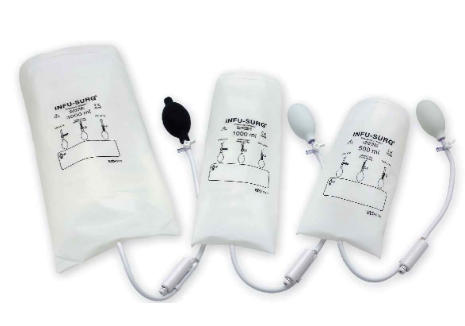
Despite careful manufacturing, several factors can reduce the effective lifespan of an infusion bag. Understanding these elements helps both medical professionals and home infusion patients maintain treatment safety.
Extreme heat accelerates chemical degradation, while freezing can cause crystallization of the active ingredients or damage the bag's polymer layers. Always store infusion bags within the temperature range specified on the label.
Milrinone, like many parenteral medications, can degrade under strong light. Therefore, light-protective packaging or opaque infusion bags are recommended to prolong shelf life during storage and infusion.
If a compound pharmacy dilutes Primacor with incompatible solutions, its chemical stability may decrease. Using approved diluents such as 5% dextrose (D5W) or 0.9% sodium chloride is critical to maintaining safety and potency.
Mechanical stress or puncture during handling can introduce air or microorganisms, leading to oxidation or contamination. Ensuring pharmaceutical logistics compliance is vital for product stability.
Over time, diffusion of moisture or gas through low-quality film materials can alter the medication environment. Using multi-layer infusion bag films such as ethylene-vinyl acetate (EVA) helps minimize this risk.
To ensure the longest possible use period for Primacor Home Infusion Bags, both pharmacies and patients must follow precise storage and handling instructions.
- Verify all infusion bags upon receipt for damage or leaks.
- Maintain storage temperatures between 15°C–25°C and relative humidity of <60%.
- Do not expose infusion bags to direct fluorescent or UV light.
- Label compounded solutions with the preparation date and expiry clearly stated.
- Always check expiration labels before connecting the infusion bag to the pump.
- Keep unused bags in cool, shaded areas, away from kitchens or bathrooms.
- Do not refrigerate unless instructed by a pharmacist.
- Dispose of expired bags following medical waste guidelines.
These steps not only prevent contamination but also ensure the drug's therapeutic effect remains consistent throughout treatment.
As a trusted Chinese manufacturer of pharmaceutical water systems and sterilization equipment, Everheal supports global infusion bag producers with complete process line solutions. Our advanced systems ensure pharmaceutical companies can maintain consistency, sterility, and regulatory compliance in every stage of drug production.
- Pure Water Systems for precise infusion formulation.
- Steam Sterilization Solutions to eliminate microbial contamination.
- Filling and Sealing Machines for infusion bag automation.
- Custom Plant Layouts designed for maximum efficiency and GMP compliance.
With our tailored approach, infusion manufacturers can achieve better product quality while minimizing downtime and production costs. For companies producing Primacor or similar infusion medications, our equipment guarantees the repeatability and reliability that modern medical supply chains demand.
Over time, infusion bags may show visual or physical signs of deterioration. It is crucial to identify these indicators before patient use.
- Discoloration: Any change in color from clear to yellowish or brown indicates chemical degradation.
- Leaks or Cracks: Visible damage means loss of sterility.
- Cloudiness or Precipitate: Suggests drug instability or contamination.
- Air Bubbles: Sign of seal failure or improper packaging during filling.
- Unreadable Labeling: If the expiration date is unclear, the bag should not be used.
Visual inspection should be performed each time before connecting an infusion bag, whether in hospital or home care environments.
Regulatory agencies such as the U.S. FDA, EMA, and Chinese NMPA require extensive stability data to approve infusion bag products. Shelf life is determined through accelerated stability testing and real-time studies conducted under controlled settings.
Typical requirements include:
- Long-term stability test at 25°C ± 2°C, 60% RH ± 5% for 12 months.
- Accelerated test at 40°C ± 2°C, 75% RH ± 5% for 6 months.
- Periodic inspection for sterility, pH, clarity, and active ingredient content.
Once validated, this data supports the labeling of an accurate expiration date, ensuring consistent patient safety during clinical and home use.
The lifespan of Primacor Home Infusion Bags depends on both drug stability and production quality. Under optimal conditions, sealed bags can last up to two years, but once opened or diluted, their active stability period shortens to a few days or even hours. For patients, adhering to storage instructions and checking expiration dates is essential for safety.
As a global provider of pharmaceutical manufacturing equipment, Everheal enables infusion solution producers to achieve the highest quality, purity, and longevity through advanced water treatment, steam generation, sterilization, and filling systems. The combination of superior production and strict compliance guarantees that every Infusion Bag delivers precise, sterile, and effective medication to patients worldwide.
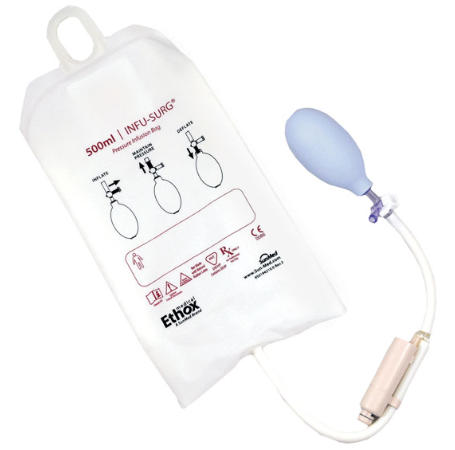
A Primacor Infusion Bag typically remains stable for up to 72 hours after being prepared by a pharmacist. However, this timeframe depends on the storage temperature and the type of diluent used.
Unless directed by a healthcare professional, refrigeration is not recommended. Exposure to cold temperatures can affect the drug's solubility and overall stability.
Using an expired infusion bag may result in reduced therapeutic efficacy or potential contamination. Always dispose of expired bags safely according to medical waste protocols.
No, infusion bags are single-use. Attempting to refill or reuse them compromises sterility and can lead to severe infection risks.
Store infusion bags at 15°C–25°C, away from direct sunlight, moisture, and mechanical stress. Keeping them in a clean, temperature-controlled environment helps maintain maximum stability.


