Content Menu
● Understanding CPAP Humidification
● What Is Distilled Water?
>> Key Features of Distilled Water:
● The Role of Distillation Water Machines in Healthcare
● Can You Use Distilled Drinking Water in a CPAP Machine?
>> Differences Between Drinking-Grade and Medical-Grade Distilled Water
● Why You Should Avoid Tap and Bottled Water
● How to Make Your Own Distilled Water at Home
● Benefits of Using Distilled Water from Distillation Water Machines in CPAP Systems
>> 1. Protects Equipment Longevity
>> 2. Supports Health and Safety
>> 3. Enhances Device Performance
>> 4. Reduces Maintenance Costs
>> 5. Aligns with Global Medical Standards
● How Everheal Supports Medical-Grade Water Solutions
● Maintenance Tips for CPAP Water Chambers
● Conclusion
● FAQ
>> (1) What happens if I use tap water in my CPAP?
>> (2) Is bottled water the same as distilled water?
>> (3) Can I boil water instead of using a Distillation Water Machine?
>> (4) How often should I refill my CPAP humidifier?
>> (5) Where can I buy a Distillation Water Machine for home use?
Continuous Positive Airway Pressure (CPAP) machines are essential devices for people who suffer from sleep apnea. They deliver constant air pressure through a mask to keep the airway open during sleep. However, to function safely and efficiently, CPAP machines require clean, mineral-free water—typically distilled water.
This article explores whether distilled drinking water can be used in a CPAP machine, why Distillation Water Machines are vital for producing high-quality CPAP water, and how pharmaceutical-grade water systems ensure long-term device performance and patient health.
Understanding CPAP Humidification
A CPAP machine uses a built-in humidifier chamber to provide moisture to the airflow. This prevents dryness in the nose, throat, and sinuses. The water used in this chamber evaporates during sleep and enters the air you breathe. Therefore, any impurities in the water could travel into your respiratory system.
Municipal tap water often contains minerals, disinfectants, and small amounts of impurities. While most of these are safe for drinking, they can leave behind mineral deposits in your CPAP's chamber or even damage its internal components.
That's why distilled water, produced by a Distillation Water Machine, is the standard recommendation for most CPAP users worldwide.
What Is Distilled Water?
Distilled water is pure water produced through a process called distillation. In this process, water is heated until it becomes steam. The steam then cools and condenses back into liquid form, leaving behind impurities, salts, and other non-volatile substances.
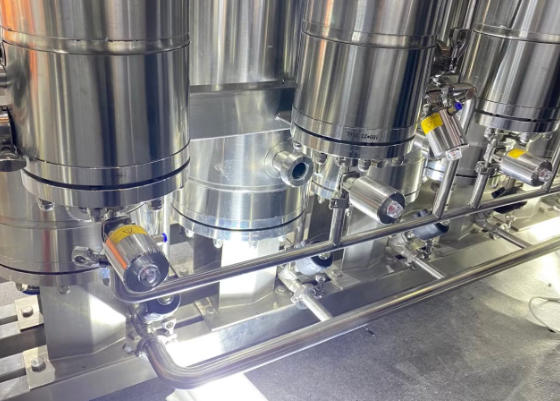
A Distillation Water Machine makes this process efficient and consistent by controlling temperature, condensation rate, and pressure. The result is water that contains virtually no minerals, bacteria, or dissolved solids—making it ideal for applications that require absolute purity.
Key Features of Distilled Water:
- Zero dissolved minerals (like calcium and magnesium).
- Free from bacteria and organic matter.
- Non-conductive and chemically stable.
- Safe for sensitive medical devices and pharmaceutical processes.
The Role of Distillation Water Machines in Healthcare
In the healthcare and pharmaceutical industries, a Distillation Water Machine is a crucial piece of equipment. Companies like Everheal design advanced units capable of producing high volumes of ultra-pure water for hospital sterilization, laboratory usage, and medical device humidification.
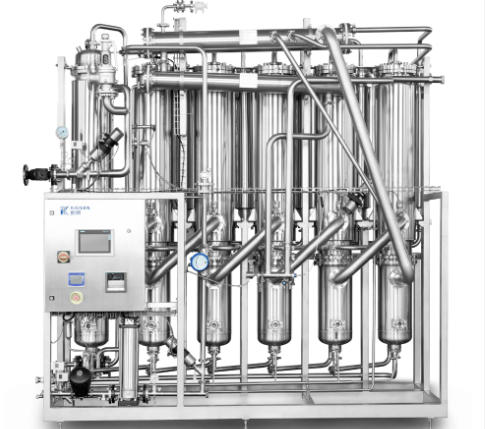
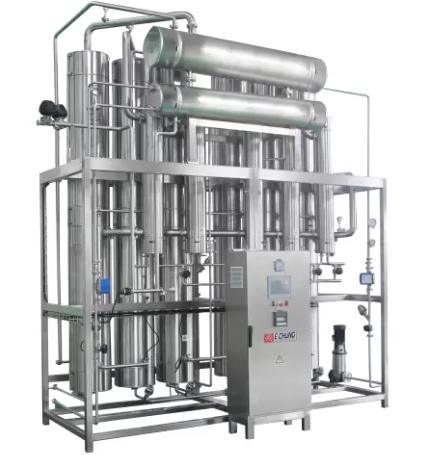
Everheal's Distillation Water Machines are built using stainless-steel chambers, precise temperature controls, and reliable sterilization technology. These systems can be integrated into hospital infrastructure or pharmaceutical production lines to ensure compliance with GMP (Good Manufacturing Practices) and USP (United States Pharmacopeia) standards.
When applied to CPAP water preparation, the same industrial-grade purity ensures that no contamination risks occur, protecting patient health and extending the lifespan of expensive CPAP devices.
Can You Use Distilled Drinking Water in a CPAP Machine?
The short answer is yes—but with caution. While distilled drinking water and medical-grade distilled water share similar characteristics, the distinction lies in how the water is processed, stored, and handled.
Differences Between Drinking-Grade and Medical-Grade Distilled Water
| Property | Drinking-Grade Distilled Water | Medical-Grade Distilled Water |
| Source | Potable water | Pharmaceutical or sterilized water |
| Storage | Plastic or glass bottles | Sterile containers, often sealed |
| Microbial contamination risk | Low but possible | Extremely low |
| Intended use | Human consumption | Medical/technical use |
If your distilled drinking water comes from a reputable source and is free from additives (such as minerals, flavoring, or ozone), it's generally safe for CPAP use. However, water marketed as “distilled” but intended for drinking may sometimes be slightly re-mineralized to enhance taste. This re-mineralization could leave deposits over time inside your CPAP unit.
Therefore, when in doubt, choose distilled water that specifically states “for CPAP use” or “for medical devices.”
Why You Should Avoid Tap and Bottled Water
While using regular bottled or tap water may seem harmless, the hidden impurities can cause:
- Mineral scaling inside the water chamber.
- White residue forming on heating plates.
- Bacterial growth if the chamber is not regularly cleaned.
- Reduced humidity efficiency over time.
Tap water typically contains calcium, magnesium, and chlorine, which can damage CPAP humidifiers after continuous exposure. Bottled water, even though purified, is usually not distilled—it may still contain trace minerals detrimental to medical devices.
Using water from a Distillation Water Machine ensures none of these contaminants enter your CPAP system.
How to Make Your Own Distilled Water at Home
For CPAP users who prefer DIY solutions, owning a small-scale Distillation Water Machine offers convenience and cost savings. Modern home distillers mimic pharmaceutical systems by:
1. Boiling the input water.
2. Condensing the steam via a cooling coil.
3. Collecting purified water in a sterile container.
If you choose this route, always clean the machine regularly, use stainless steel or glass components, and store the distilled water in sealed bottles away from sunlight. Everheal provides compact Distillation Water Machines that meet GMP standards, suitable for laboratories, hospitals, and home medical use.
Benefits of Using Distilled Water from Distillation Water Machines in CPAP Systems
1. Protects Equipment Longevity
Mineral-free distilled water prevents buildup in the chamber and reduces mechanical failure.
2. Supports Health and Safety
Pure water means no risk of inhaling contaminants, microorganisms, or chemical residues.
3. Enhances Device Performance
Stable humidity levels increase comfort and ensure optimal air pressure quality.
4. Reduces Maintenance Costs
Without scale or sediments, CPAP machines need less frequent cleaning and replacement parts.
5. Aligns with Global Medical Standards
Distillation Water Machines are widely used in pharmaceutical plants, ensuring consistency with WHO, EU, and FDA standards.
How Everheal Supports Medical-Grade Water Solutions
Everheal, based in China, is a professional manufacturer of pharmaceutical-grade water systems, including:
- Pure Water Preparation Systems
- Multi-Effect Distillation Water Machines
- Pure Steam Generators
- Liquid Filling and Sealing Machines
- Sterilization Systems
For global clients, Everheal provides end-to-end services—factory layout design, process water planning, pipeline installation, and validation. Each Distillation Water Machine produced by Everheal ensures reliable, cost-effective, and compliant purification for healthcare and cleanroom environments.
By combining advanced technology with strict quality standards, Everheal enables pharmaceutical producers and hospitals to maintain water purity at every stage—from distillation to distribution.
Maintenance Tips for CPAP Water Chambers
To maintain both hygiene and performance:
- Empty and rinse the water chamber daily using distilled water.
- Let the chamber air dry completely before refilling.
- Descale the chamber weekly using a mixture of vinegar and distilled water.
- Replace damaged or cloudy chambers periodically.
- Never leave standing water for more than 24 hours.
Conclusion
Using distilled drinking water in a CPAP machine is generally safe—as long as it's free from additives and comes from a clean source. However, the safest and most effective option remains pharmaceutical-grade distilled water, ideally produced with a Distillation Water Machine.
Whether you're managing a hospital facility or simply using a CPAP device at home, water purity matters. A reliable Distillation Water Machine, like those engineered by Everheal, ensures that your equipment stays clean, your therapy remains effective, and your health benefits long-term.
FAQ
(1) What happens if I use tap water in my CPAP?
Tap water can cause mineral deposits, scaling, and bacterial growth inside your CPAP machine, reducing efficiency and possibly harming your health.
(2) Is bottled water the same as distilled water?
No. Most bottled waters are filtered or purified but still contain trace minerals. Only distilled water, usually produced by a Distillation Water Machine, is mineral-free.
(3) Can I boil water instead of using a Distillation Water Machine?
Boiling removes some impurities but not all dissolved minerals. Distillation is more effective because it separates pure steam from remaining solids.
(4) How often should I refill my CPAP humidifier?
Refill it daily with fresh distilled water and empty any remaining water after each use to prevent contamination.
(5) Where can I buy a Distillation Water Machine for home use?
Everheal offers compact and industrial-scale Distillation Water Machines suitable for medical facilities and individuals who need consistent water purity.


