Content Menu
● Understanding the Role of Water in CPAP Machines
● Why Distilled Water Is Recommended
● What Is Baby Distilled Water?
● Can You Use Baby Distilled Water in a CPAP Machine?
● The Science Behind Distillation Water Machines
● Benefits of Using Distillation Water Machine-Produced Water
● How Everheal Supports the CPAP and Medical Industry
● How to Choose Water for Your CPAP Machine
● Risks of Using Non-Distilled Water
● Environmental and Practical Considerations
● Conclusion
● FAQ
>> 1. Is baby distilled water the same as CPAP distilled water?
>> 2. Can I use tap water if I boil it first?
>> 3. How often should I change the water in my CPAP machine?
>> 4. What happens if I accidentally use mineral water?
>> 5. What's the difference between purified and distilled water?
Continuous Positive Airway Pressure (CPAP) machines play an essential role in helping individuals with sleep apnea maintain proper airflow during sleep. One question that often arises among users is whether baby distilled water can be safely used in a CPAP machine. Understanding the relationship between distilled water, machine maintenance, and overall health is crucial.
This article dives into that question while exploring how distillation water machines—such as those developed by Everheal for pharmaceutical and medical applications—produce the high-purity water that's ideal for CPAP humidifiers.
Understanding the Role of Water in CPAP Machines
CPAP machines use humidifiers to deliver moist air, preventing dryness in the throat and nasal passages. The water in the humidifier chamber is turned into vapor, which mixes with the airflow from the machine.
However, not all water types are suitable. Regular tap water can contain minerals, chlorine, and impurities that accumulate inside the humidifier chamber, leaving residue and potentially damaging sensitive components. Over time, these mineral deposits may foster bacterial or mold growth, creating hygiene concerns.
Why Distilled Water Is Recommended
Distilled water is the purest form of water available. It's produced through distillation, a process that involves heating water until it vaporizes and then condensing the steam back into liquid form. Through this purification cycle, nearly all minerals, heavy metals, dissolved solids, and microorganisms are removed.
This high degree of purity ensures that distilled water:
- Prevents mineral buildup in CPAP chambers
- Extends the service life of the device
- Eliminates risk of bacterial growth
- Provides clean and safe humidification
CPAP manufacturers explicitly recommend using distilled water generated by a distillation water machine to ensure consistent results.
What Is Baby Distilled Water?
“Baby distilled water” or “nursery water” is specifically marketed for infants—typically intended for mixing baby formula or drinking after sterilization. This water is either distilled or purified through reverse osmosis, making it free of most contaminants.
However, baby distilled water can sometimes contain added minerals or fluoride, depending on the brand. While these additions are safe for infant consumption, they are not suitable for use in medical or respiratory equipment like CPAP machines.
Can You Use Baby Distilled Water in a CPAP Machine?
Technically, yes, you can use baby distilled water in a CPAP machine if—and only if—it contains no added minerals or fluoride. The key factor is purity. You should carefully inspect the label of any baby distilled water product to verify whether it is 100% steam-distilled with no added ingredients.
In cases where fluoride or minerals are added, using it can lead to unwanted residue buildup and affect the longevity of your CPAP humidifier chamber. For this reason, it's often recommended to use distilled water specifically produced for medical and industrial applications, such as those made by pharmaceutical-grade distillation water machines.
The Science Behind Distillation Water Machines
To better understand why distilled water is preferred, it helps to look closely at how distillation water machines operate.
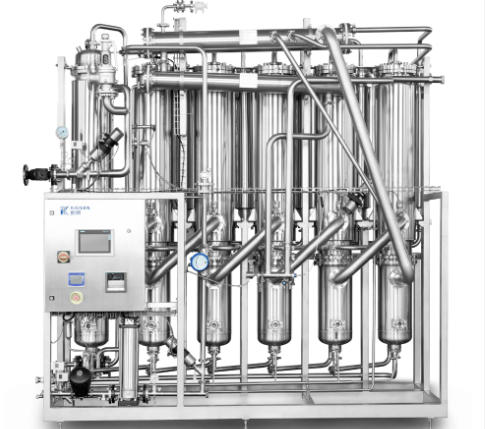
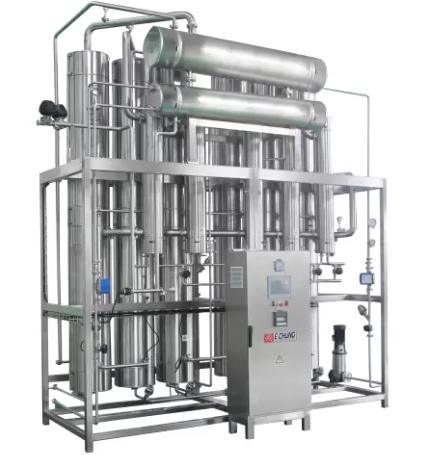
A typical pharmaceutical-grade Distillation Water Machine—like those designed by Everheal—follows a multi-stage process:
1. Heating: Raw feed water is heated until it boils, transforming into pure steam.
2. Vapor Separation: Impurities and non-volatile contaminants remain behind as steam rises.
3. Condensation: The purified steam is cooled and condensed into liquid form.
4. Collection: The resulting distilled water is stored in sterile tanks or delivered directly for further use.
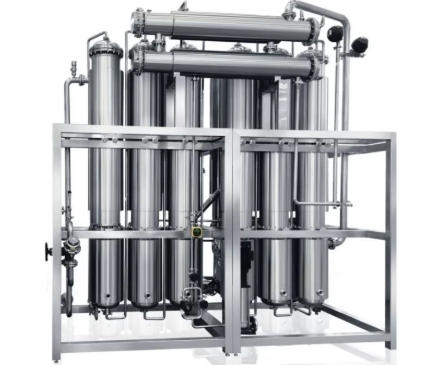
Advanced models such as multi-effect distillers or multi-functional distillation units increase efficiency and capacity, perfect for laboratories, hospitals, and water-for-injection applications. These same technologies ensure water purity that far exceeds what's typically found in consumer distilled water products.
Benefits of Using Distillation Water Machine-Produced Water
Water from a Distillation Water Machine offers unmatched quality for medical devices. Some of the benefits include:
- Sterility Assurance: All microorganisms are removed, which is vital for sensitive devices like CPAPs.
- Chemical Purity: No fluoride, chlorine, or other irritants that could enter the respiratory system.
- Device Longevity: Prevents mineral scaling and corrosion within the humidifier chamber.
- Optimal Functionality: Ensures proper humidification levels, resulting in better comfort for users.
By integrating an industrial or laboratory-grade Distillation Water Machine, facilities—and even individuals with high hygiene demands—can ensure a consistent supply of top-quality distilled water.
How Everheal Supports the CPAP and Medical Industry
At Everheal, we specialize in manufacturing pharmaceutical-grade Distillation Water Machines, pure steam generators, and integrated purified water systems. Our solutions are widely used in hospital sterilization, laboratory operations, and medical device production lines.
Key features of Everheal's distillation systems include:
- Modular stainless-steel construction with easy maintenance
- Automated control and monitoring systems
- High production purity for critical medical applications
- Compliance with GMP and international pharmacopoeia standards
For CPAP users or companies producing respiratory devices, partnering with a professional water system provider ensures not only safety but also operational efficiency.
How to Choose Water for Your CPAP Machine
When selecting water for your CPAP humidifier, consider the following:
1. Check for Additives: Avoid water labeled with added minerals, fluoride, or “enhanced formula.”
2. Use Distilled Water Over Purified Water: Purified water may still contain trace minerals; distilled water offers maximum purity.
3. Do Not Use Tap or Spring Water: Both contain dissolved solids that can damage your device.
4. Use Fresh Distilled Water Daily: Empty the humidifier chamber each morning and refill nightly with new distilled water.
5. Store Properly: Keep distilled water in a clean, sealed container away from contaminants.
Risks of Using Non-Distilled Water
Using water that isn't distilled can cause:
- Mineral Deposits: White residue and scaling on the humidifier plate.
- Reduced Airflow Quality: Impurities may enter the airflow path.
- Bacterial Contamination: Standing minerals and moist conditions encourage microbial growth.
- Costly Repairs: Damage to internal sensors and components over time.
Long-term, this can decrease the performance of your CPAP machine, leading to discomfort or even respiratory irritation.
Environmental and Practical Considerations
Using a Distillation Water Machine offers both environmental and practical advantages. Instead of depending on disposable plastic bottles of distilled water, medical facilities or even home users can produce their own purified water on-site. This not only reduces plastic waste but ensures consistent, controllable water quality.
Everheal's fully automated systems allow for customized production volumes—ideal for hospitals, pharmaceutical manufacturers, or sleep clinics that need a reliable and continuous source of distilled water.
Conclusion
Using baby distilled water in your CPAP machine is safe only if it contains no added minerals or fluoride. The safest and most sustainable option, however, is to use distilled water produced by a certified distillation water machine. This guarantees absolute purity, optimal device performance, and long-term durability.
For healthcare facilities and pharmacies, sourcing from professional manufacturers like Everheal ensures that every drop meets global pharmaceutical purity standards. Clean water means clean air—and that leads to healthier, more restful sleep.
FAQ
1. Is baby distilled water the same as CPAP distilled water?
No. Baby distilled water may sometimes contain fluoride or minerals added for taste or dental health, which aren't suitable for CPAP machines. Always ensure it's 100% pure steam-distilled water.
2. Can I use tap water if I boil it first?
Boiling removes some bacteria but not dissolved minerals or chemicals. Only water processed through a distillation water machine ensures complete purity for CPAP use.
3. How often should I change the water in my CPAP machine?
You should change the water daily. Empty the chamber each morning, rinse it, and refill it each night with fresh distilled water.
4. What happens if I accidentally use mineral water?
Mineral water leaves residue and may damage components of the humidifier over time. If it happens once, clean the chamber thoroughly with mild vinegar solution and switch back to distilled water.
5. What's the difference between purified and distilled water?
Purified water can be treated by several methods, including reverse osmosis or filtration, but may still contain trace minerals. Distilled water—produced by a distillation water machine—is free from all dissolved solids and microorganisms, making it ideal for CPAP use.


