Content Menu
● How CPAP Humidifiers Work
● Running CPAP Without Water
>> Is it possible to use CPAP dry?
>> When is it acceptable to go without water?
● Why Distilled Water Is Preferred
>> Distillation and contaminant removal
>> Protection against scale and residue
>> Microbial and chemical advantages
● What If Distilled Water Is Not Available?
>> Short‑term alternatives and their limits
>> Travel and decentralized distillation solutions
● Distillation Water Machine: From Pharma To CPAP
>> Industrial‑grade purity and reliability
>> Turnkey CPAP water production lines
● Daily CPAP Water And Cleaning Routine
>> Best practices for home users
>> Institutional standards for clinics and hospitals
● Comfort, Safety, And Cost Considerations
>> Balancing comfort and health
>> Cost and long‑term savings
● Conclusion
● FAQ
>> 1. Can I use my CPAP without any water at all?
>> 2. Is one night of tap water really dangerous?
>> 3. Can I use bottled drinking water in my CPAP?
>> 4. How often should I change the CPAP water?
>> 5. Why do hospitals and manufacturers rely on Distillation Water Machines?
Using a CPAP machine without distilled water is technically possible, but it usually reduces comfort and can accelerate wear on your humidifier tank and tubing. For long‑term safety and performance, most sleep professionals and device manufacturers recommend using fresh distilled water, ideally produced by a high‑purity Distillation Water Machine for consistent quality.
CPAP therapy relies on a stable pressure to keep the airway open and on appropriate humidity to protect delicate nasal and throat tissues. When you combine correct pressure settings with high‑quality water from a Distillation Water Machine, you not only protect your lungs and equipment, but you also create a more comfortable and sustainable nightly routine.

How CPAP Humidifiers Work
A CPAP machine contains a blower that pushes air at a prescribed pressure through a hose and mask to prevent the upper airway from collapsing during sleep. The integrated or external humidifier warms water and adds moisture to the airflow, helping to prevent dry mouth, nasal irritation, and sore throat.
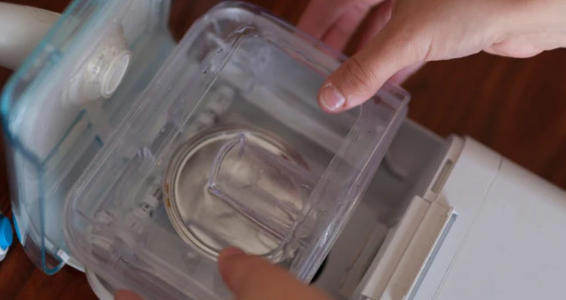
The humidifier reservoir is a small chamber that sits on or inside the CPAP device, where water is heated from below and exposed to moving air above. Any substances present in this water—minerals, additives, microbes—can either stick to the chamber surfaces or be carried in tiny droplets toward your airway. This is why using low‑contaminant water from a Distillation Water Machine significantly improves long‑term safety and cleanliness.
Running CPAP Without Water
Is it possible to use CPAP dry?
Most CPAP machines can run with an empty tank or with the humidifier function switched off, because pressure generation is independent of the water supply. In this “dry” mode, the device still treats sleep apnea, but the air can feel much harsher, especially in air‑conditioned or heated rooms where relative humidity is low.
Some people, particularly those living in warm, naturally humid climates, tolerate dry CPAP airflow reasonably well. Others quickly experience symptoms such as dry nose, nasal congestion, sore throat, or cracking at the corners of the mouth. The more sensitive your airway is, the more you benefit from properly humidified air using distilled water produced by a Distillation Water Machine.
When is it acceptable to go without water?
There are situations where using CPAP without water for a short period is an acceptable compromise. For example, if you are traveling, forgot your supplies, or simply cannot access distilled water, running the device with the humidifier off is safer than using poor‑quality water.
However, this “dry” use should be considered temporary. As soon as distilled water is available—whether from bottled CPAP water or from a local Distillation Water Machine system—you can switch the humidifier back on to restore comfort and reduce long‑term irritation. In clinics or hospital sleep labs, dry operation is sometimes used during setup or titration, but continuous use usually returns to distilled‑water humidification.
Why Distilled Water Is Preferred
Distillation and contaminant removal
Distilled water is produced by evaporating water and condensing the steam back into liquid, leaving most dissolved minerals, salts, and many impurities behind. This physical separation dramatically reduces hardness ions such as calcium and magnesium that are responsible for scale deposits.
Industrial and pharmaceutical‑grade Distillation Water Machine systems go further by combining evaporation with pre‑treatment, polishing stages, and sanitary storage to achieve very low conductivity and microbial levels. This type of distilled water is especially suitable not only for CPAP humidifiers but also for sterile production, rinsing, and other medical processes. For end users, it means a consistently clean water supply that minimizes risk when inhaled as part of humidified airflow.
Protection against scale and residue
When you use tap, well, or mineral water, dissolved minerals remain behind on the chamber and heating plate as the water evaporates night after night. Over time, this creates visible white or brown scale, roughens surfaces, and makes thorough cleaning more difficult. Thick scale can interfere with heat transfer and may eventually damage the reservoir or heating elements.
Distilled water from a Distillation Water Machine contains almost no hardness ions, so these crystal deposits form much more slowly, if at all. As a result, the humidifier tank remains clearer, the heating plate stays smoother, and maintenance becomes easier. This protection is especially important in regions with very hard municipal water, where mineral content is naturally high.
Microbial and chemical advantages
Distilled water also reduces exposure to microorganisms that may be present in untreated or poorly stored water. Even potable tap water can contain bacteria and other microbes at levels considered safe for ingestion but not necessarily ideal for chronic inhalation. In a warm, moist CPAP reservoir, these organisms can multiply and form biofilms if water is left stagnant.
By starting with high‑purity distilled water produced by a Distillation Water Machine and following good daily practices, you reduce the nutrients and contaminants that microbes need to thrive. Additionally, distillation removes many volatile and non‑volatile contaminants, reducing potential chemical exposure compared to regular tap water or flavored/enhanced bottled waters that include additives not intended for inhalation.
What If Distilled Water Is Not Available?
Short‑term alternatives and their limits
In real life, you will not always have easy access to distilled water, especially when traveling or staying in remote areas. In such cases, some users consider bottled drinking water, filtered water, or even briefly using tap water for one or two nights. For short emergencies, these options may be preferable to skipping CPAP entirely, particularly for people with severe sleep apnea.
However, each alternative comes with trade‑offs:
- Regular bottled water often still contains minerals that cause scale.
- Filtered water from a household filter may reduce some contaminants but rarely reaches the ultra‑low mineral levels of distillation.
- Tap water can add both minerals and microbes and is best avoided whenever possible.
When you return home or reach a location with a stable supply, switching back to distilled water—ideally from a certified Distillation Water Machine—is strongly recommended. After using any non‑distilled water, clean and inspect the tank closely for deposits and discoloration.
Travel and decentralized distillation solutions
For frequent travelers, there are two practical strategies. First, you can purchase distilled water locally in small bottles specifically labeled as “distilled” or “steam distilled,” which are usually free from additional minerals and flavors. Second, some facilities and home‑care providers implement compact Distillation Water Machine units that generate a steady supply of distilled water on site.
In medical or hotel environments that host many CPAP users, deploying a centralized Distillation Water Machine system allows management to provide high‑purity water to guests or patients directly. This not only improves safety and comfort but also creates a marketing and service advantage, especially when combined with Everheal's broader range of pure water, pure steam, and sterilization solutions.

Distillation Water Machine: From Pharma To CPAP
Industrial‑grade purity and reliability
Everheal specializes in pharmaceutical water equipment, including multi‑effect Distillation Water Machine units, pure steam generators, purified water systems, and high‑efficiency sterilization solutions. These systems are designed to meet demanding regulatory requirements for pharmaceutical manufacturing, where water quality directly affects product safety and regulatory compliance.
When technology developed for pharmaceutical production is applied to CPAP water supply, users benefit from a much higher level of quality assurance than typical consumer water production. Parameters such as conductivity, total organic carbon, endotoxin levels, and microbial counts are monitored and controlled systematically. This guarantees that distilled water leaving the Distillation Water Machine meets strict internal standards before it ever reaches a humidifier tank.
Turnkey CPAP water production lines
Beyond standalone equipment, Everheal can integrate Distillation Water Machine units into complete CPAP water production lines. These lines can include:
- Raw water pre‑treatment and filtration
- Distillation Water Machine producing high‑purity distillate
- Pure steam generation for system sterilization
- Storage and distribution loops in stainless steel
- Automatic liquid filling and sealing machines for CPAP distilled water bottles
- Terminal sterilization systems and quality‑control instrumentation
Such turnkey solutions are well suited for sleep labs, hospitals, CPAP brands, and home‑care service providers that want to bottle their own distilled water or supply it through centralized distribution points. With Everheal's engineering team, customers can also obtain factory layout planning, utility design, and production line optimization tailored to local regulations and capacity needs.
Daily CPAP Water And Cleaning Routine
Best practices for home users
Even with high‑quality distilled water, a good routine is essential to maintain hygiene and comfort. A simple and effective daily routine usually includes:
- Emptying the humidifier tank each morning instead of leaving water to sit all day.
- Allowing the tank to air‑dry fully on a clean surface.
- Refilling the chamber with fresh distilled water produced by a Distillation Water Machine before bedtime.
Weekly or twice‑weekly, users can wash the reservoir with mild, non‑fragranced soap and warm water, rinse thoroughly, and let it dry completely. Hoses and masks also require regular cleaning to remove skin oils, sweat, and condensation. By combining distilled water with consistent cleaning, you significantly reduce scale, odors, and the risk of microbial growth.
Institutional standards for clinics and hospitals
In hospitals, clinics, and sleep centers, equipment may be used by multiple patients in sequence, which raises the bar for water and cleaning protocols. Facilities often implement written procedures for how often water is changed, how tanks and hoses are disinfected, and how quality is documented.
A centralized Distillation Water Machine makes it easier to enforce these standards because all humidifier reservoirs can be filled from the same controlled source. Integrated pure steam systems allow periodic sterilization of tanks and piping, while automated filling and sealing lines improve traceability for bottled CPAP water. This combination creates a professional, repeatable workflow that helps protect both patients and staff.
Comfort, Safety, And Cost Considerations
Balancing comfort and health
From a comfort perspective, humidification is one of the most important features for many CPAP users. Dry air can cause enough discomfort to make some people abandon therapy altogether, which can be far more dangerous than any water‑quality issue. Therefore, the goal is not simply to avoid water problems, but to support long‑term adherence with comfortable, safe humidification.
Using distilled water from a Distillation Water Machine allows you to enjoy high humidity levels without worrying about scale, discoloration, or strange smells. For sensitive individuals, such as those with chronic respiratory conditions or immune compromise, the reduced contaminant load in distilled water can also provide extra peace of mind. Over years of nightly use, this balance of comfort and safety is essential.
Cost and long‑term savings
Some users worry that buying distilled water adds an ongoing cost to CPAP therapy. In practice, the daily volume used is relatively small, and the price of distilled water—especially when produced in bulk by a Distillation Water Machine or purchased in large containers—is modest compared to the cost of replacing a damaged humidifier or dealing with respiratory infections.
For clinics, sleep centers, and CPAP brands, investing in a Distillation Water Machine and integrated production line can significantly reduce the cost per liter of distilled water while improving quality control. Over time, this can open new revenue streams (such as branded CPAP distilled water bottles) and reduce warranty claims related to mineral damage in humidifier systems.
Conclusion
You can use a CPAP machine without distilled water by running the device with an empty humidifier or switching the humidifier off, but this approach is usually less comfortable and can increase dryness in the upper airway. For most users, especially those in dry or air‑conditioned environments, humidification is a key part of comfortable long‑term CPAP therapy.
Distilled water is strongly recommended because it minimizes mineral scale, reduces microbial and chemical contaminants, and protects the humidifier chamber and heating plate. When this water comes from a high‑purity Distillation Water Machine—like the pharmaceutical‑grade systems developed by Everheal—users and institutions gain additional assurance regarding consistency and safety. Whether you are a home user, a hospital, or an OEM brand, combining CPAP therapy with reliable distilled water and sound cleaning routines will help you achieve safer, more comfortable, and more sustainable sleep apnea treatment.
FAQ
1. Can I use my CPAP without any water at all?
Yes, you can use your CPAP without water by turning off the humidifier or leaving the chamber empty, and the machine will still deliver the prescribed pressure. However, many people notice increased dryness and irritation, especially in low‑humidity environments, so dry use is usually best reserved for short‑term situations.
2. Is one night of tap water really dangerous?
A single accidental night with tap water is unlikely to cause immediate severe harm for most users, but it can leave mineral deposits in the tank and may introduce microbes into a warm, humid environment. If this happens, you should empty and clean the reservoir, let it dry, and return to distilled water—preferably from a Distillation Water Machine—as soon as possible.
3. Can I use bottled drinking water in my CPAP?
Bottled drinking water is generally cleaner than many tap water sources but often still contains minerals and, in some cases, added electrolytes or flavors. These minerals can build up in the humidifier chamber over time. Only water specifically labeled as “distilled” or “steam‑distilled” provides the low mineral content comparable to water produced by a dedicated Distillation Water Machine.
4. How often should I change the CPAP water?
Most users are advised to change CPAP water every day, even if there is some water left in the chamber after the night's sleep. Emptying the tank, allowing it to dry during the day, and refilling with fresh distilled water each evening helps control microbial growth and keeps equipment cleaner for longer.
5. Why do hospitals and manufacturers rely on Distillation Water Machines?
Hospitals, sleep labs, and CPAP manufacturers require consistent, validated water quality to protect patients and maintain regulatory compliance. Distillation Water Machine systems provide large volumes of high‑purity distilled water with controlled conductivity and microbial levels and can be integrated into fully automated production lines with filling, sealing, and sterilization equipment—exactly the type of turnkey solution Everheal delivers to global clients.


