Content Menu
● What Is a Washable Air Filter?
● Stihl 029 Chainsaw Air Filter: Design and Features
>> Key Features of the Stihl 029 Air Filter
● How to Clean a Washable Air Filter
>> Step 1: Remove the Air Filter
>> Step 2: Wash the Filter
>> Step 3: Rinse and Dry
>> Step 4: Reinstall the Filter
● Benefits of a Washable Air Filter
● When to Replace the Air Filter
● Tips for Maintaining a Washable Air Filter
● Conclusion
● Frequently Asked Questions
>> 1. Is the air filter in the Stihl 029 chainsaw washable?
>> 2. How often should I clean the washable air filter?
>> 3. Can I use soap to clean the washable air filter?
>> 4. How do I dry the washable air filter after cleaning?
>> 5. When should I replace the washable air filter?
When it comes to maintaining a Stihl 029 chainsaw, one of the most frequently asked questions is whether the air filter in this model is washable. For users who want to extend the life of their equipment and reduce maintenance costs, the answer is crucial. The Stihl 029 chainsaw is a robust and reliable machine, widely used in forestry, landscaping, and general woodcutting. However, like all chainsaws, it requires regular upkeep to perform at its best. One of the most important maintenance tasks is caring for the air filter, which protects the engine from dust and debris. In this article, we'll explore the specifics of the air filter in the Stihl 029 chainsaw, discuss whether it is washable, and provide practical tips for cleaning and maintaining a washable air filter.
What Is a Washable Air Filter?
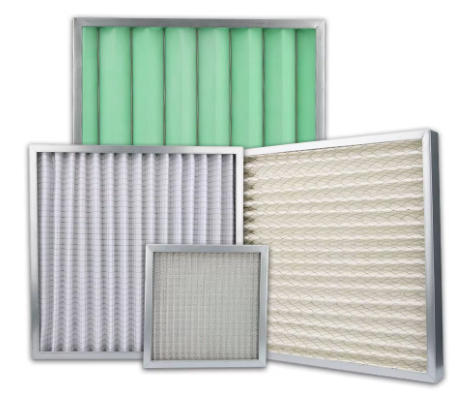
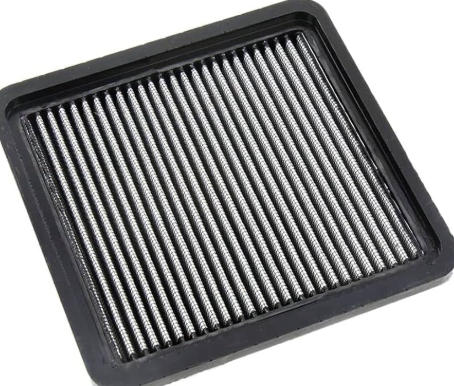
A washable air filter is designed to be cleaned and reused multiple times, rather than being replaced after a single use. This type of filter is typically made from foam or a similar porous material that can trap dust and debris while allowing air to flow freely to the engine. The main advantage of a washable air filter is cost-effectiveness and environmental friendliness, as it reduces the need for frequent replacements.
For chainsaws like the Stihl 029, having a washable air filter can be a significant benefit, especially for users who operate in dusty or dirty environments. A properly maintained washable air filter helps ensure that the engine receives clean air, which is essential for optimal performance and longevity.
Stihl 029 Chainsaw Air Filter: Design and Features
The Stihl 029 chainsaw is equipped with a foam air filter, which is specifically designed to be washable. This foam filter is positioned in the air filter housing and is easily accessible for cleaning. The foam material is effective at trapping dust and debris, preventing them from entering the engine and causing wear or damage.
Key Features of the Stihl 029 Air Filter
- Made from high-density foam for efficient filtration
- Designed for easy removal and cleaning
- Can be washed and reused multiple times
- Provides reliable protection for the engine
The washable air filter in the Stihl 029 chainsaw is a practical solution for users who want to minimize maintenance costs and downtime. By regularly cleaning the filter, users can ensure that their chainsaw continues to operate smoothly, even in challenging conditions.
How to Clean a Washable Air Filter
Cleaning a washable air filter is a straightforward process that can be done with basic household supplies. Here's a step-by-step guide to cleaning the air filter in your Stihl 029 chainsaw:
Step 1: Remove the Air Filter
Begin by turning off the chainsaw and allowing it to cool down. Open the air filter housing and carefully remove the foam air filter. Be gentle to avoid damaging the filter material.
Step 2: Wash the Filter
Rinse the filter under warm water to remove loose dirt and debris. For a deeper clean, use a mild detergent or soap. Gently scrub the filter with your fingers or a soft brush to remove any stubborn dirt. Avoid using harsh chemicals or abrasive materials, as these can damage the foam.
Step 3: Rinse and Dry
After washing, rinse the filter thoroughly with clean water to remove any soap residue. Squeeze out excess water, but do not wring the filter too hard, as this can damage the foam. Allow the filter to air dry completely before reinstalling it. Do not use a heat source to speed up drying, as this can cause the foam to degrade.
Step 4: Reinstall the Filter
Once the filter is dry, place it back in the air filter housing and close the cover. Make sure the filter is seated properly to ensure effective filtration.

Benefits of a Washable Air Filter
Using a washable air filter in your Stihl 029 chainsaw offers several advantages:
- Cost Savings: You don't need to purchase replacement filters frequently, which can save money over time.
- Environmental Impact: Reusing the filter reduces waste and is better for the environment.
- Improved Performance: A clean air filter ensures that the engine receives a steady supply of clean air, which helps maintain optimal performance.
- Convenience: Cleaning a washable air filter is quick and easy, allowing you to spend less time on maintenance and more time using your chainsaw.
When to Replace the Air Filter
While a washable air filter can be reused many times, it will eventually wear out and need to be replaced. Signs that it's time to replace the filter include:
- The foam is torn or damaged
- The filter no longer traps dust effectively
- The chainsaw performance declines despite regular cleaning
If you notice any of these signs, it's best to replace the filter with a new one to ensure proper engine protection.
Tips for Maintaining a Washable Air Filter
To get the most out of your washable air filter, follow these maintenance tips:
- Clean the filter regularly, especially if you use the chainsaw in dusty or dirty conditions.
- Inspect the filter for damage before each use.
- Store the chainsaw in a clean, dry place to minimize dust exposure.
- Replace the filter if it becomes damaged or ineffective.
By following these tips, you can extend the life of your washable air filter and keep your Stihl 029 chainsaw running smoothly.
Conclusion
The air filter in the Stihl 029 chainsaw is indeed washable, making it a practical and cost-effective choice for users who want to minimize maintenance costs and environmental impact. By regularly cleaning and inspecting the filter, you can ensure that your chainsaw continues to perform at its best, even in challenging conditions. Whether you're a professional logger or a homeowner, a washable air filter is a valuable feature that helps keep your equipment running efficiently and reliably.
Frequently Asked Questions
1. Is the air filter in the Stihl 029 chainsaw washable?
Yes, the air filter in the Stihl 029 chainsaw is washable. It is made from high-density foam and can be cleaned and reused multiple times.
2. How often should I clean the washable air filter?
It is recommended to clean the washable air filter after every use in dusty or dirty conditions, or at least once every few uses to maintain optimal performance.
3. Can I use soap to clean the washable air filter?
Yes, you can use a mild detergent or soap to clean the washable air filter. Avoid using harsh chemicals or abrasive materials, as these can damage the foam.
4. How do I dry the washable air filter after cleaning?
After cleaning, squeeze out excess water and allow the filter to air dry completely. Do not use a heat source to speed up drying, as this can damage the foam.
5. When should I replace the washable air filter?
Replace the washable air filter if it is torn, damaged, or no longer traps dust effectively. Regular inspection will help you determine when replacement is necessary.


