Content Menu
● The Relationship Between Drug Prices and Consumption
● The Role of Manufacturing Efficiency in Cost Reduction
>> Implementing Efficient Pharmaceutical Systems
● Pharmaceutical Consumables: An Overlooked Cost Driver
>> Why Pharmaceutical Consumables Matter
● Global Market Dynamics: Price, Policy, and Accessibility
● Effects on Consumer Health and Market Behavior
>> Improved Public Health Outcomes
>> Increase in Preventive Medication Use
>> Competition and Innovation Pressure
● The Technology and Sustainability Nexus
>> Eco-Friendly Pharmaceutical Consumables
● The Future: Integrated Global Supply Chains
● Conclusion
● FAQ
>> 1. What are Pharmaceutical Consumables?
>> 2. How do Pharmaceutical Consumables affect drug prices?
>> 3. Why are high-quality consumables essential in pharmaceutical production?
>> 4. How does Everheal contribute to reducing pharmaceutical costs?
>> 5. What role will sustainability play in the future of Pharmaceutical Consumables?
The pharmaceutical industry has long been a cornerstone of global healthcare, shaping how society accesses essential medicines and therapeutic treatments. As the cost of life-saving and preventive drugs continues to challenge affordability worldwide, the debate intensifies: will cheaper pharmaceutical drugs increase consumer rates?
This question is not merely economic—it touches ethics, policy, manufacturing, and technology, especially in the realm of Pharmaceutical Consumables and production efficiency. To address it, we must first understand how cost reduction strategies in drug manufacturing influence accessibility, consumption behavior, and the global supply chain.
The Relationship Between Drug Prices and Consumption
In most global markets, a basic economic principle applies: when the price of a product decreases, demand increases. The same holds true for pharmaceuticals, though with greater moral and social implications. Lower drug costs can make medicines more attainable to patients who previously relied on generic substitutes or, worse, forewent treatment altogether.
For example, in developing countries, essential medications—antibiotics, antivirals, and insulin—often remain financially inaccessible to large portions of the population. The result is under-treatment or ineffective self-medication. Reducing costs through efficient manufacturing systems and optimized Pharmaceutical Consumables can significantly improve drug availability and public health outcomes.
However, the price-consumption relationship in pharmaceuticals isn't linear. Factors like healthcare infrastructure, regulatory approval, insurance reimbursement, and public trust influence how lower drug prices translate into real consumption growth.
The Role of Manufacturing Efficiency in Cost Reduction
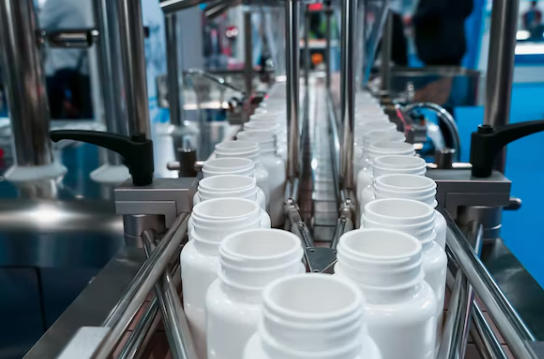
A critical component of reducing drug prices lies in manufacturing efficiency. This is where advanced pharma equipment manufacturers like Everheal play a crucial role. The company's integrated approach to pure water preparation systems, pure steam generators, multi-effect distillation units, liquid filling and sealing machines, and sterilization systems directly affects the cost-per-dose of pharmaceutical products.
Implementing Efficient Pharmaceutical Systems
Modern pharmaceutical production increasingly relies on precision, consistency, and contamination-free environments. Efficiently designed systems ensure lower waste and energy use while preserving product quality. For example:
- Pure Water Preparation Systems: Provide ultra-clean water meeting USP and EP standards, which is crucial for drug formulation, cleaning, and sterilization.
- Pure Steam Generators: Deliver sterile steam for equipment sanitization, reducing dependency on chemical sterilants.
- Multi-Effect Distillation Water Machines: Optimize the production of Water for Injection (WFI), lowering energy costs and operational overhead.
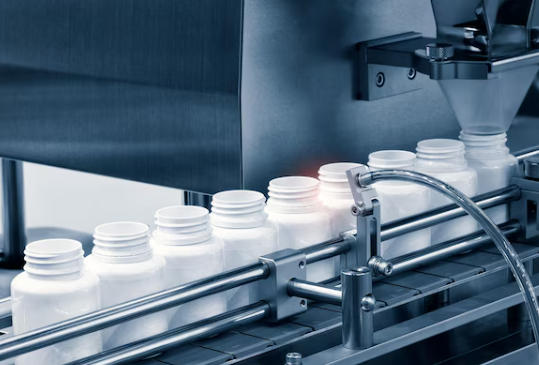
- Liquid Filling and Sealing Machines: Automate the packaging process to enhance sterility and reduce human error.
- Sterilization Systems: Ensure microbiological safety and compliance with cGMP, FDA, and WHO standards.
Each component, collectively complemented by high-quality Pharmaceutical Consumables—such as filters, valves, rubber stoppers, gaskets, and sterile packaging materials—forms the backbone of cost-efficient pharmaceutical manufacturing.
Pharmaceutical Consumables: An Overlooked Cost Driver
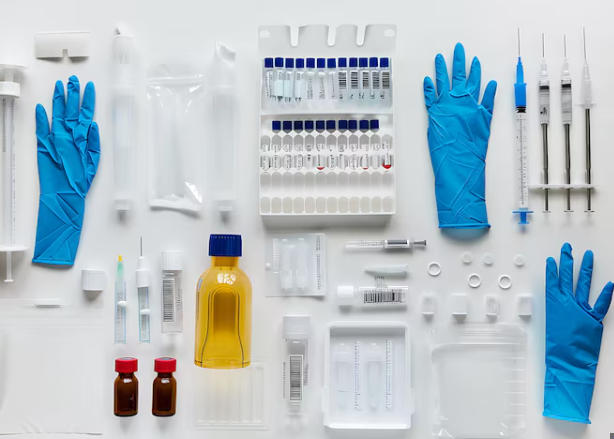
While large machinery dominates capital investment in drug manufacturing, Pharmaceutical Consumables represent recurring expenses that significantly influence total production cost. Consumables include everything from sterile tubing and filtration materials to single-use bioreactor bags and chromatography columns.
These consumables must meet stringent purity, biocompatibility, and certification requirements. Their procurement cost accumulates over time, making them a decisive factor in pricing strategies, especially for small- to mid-scale producers.
Why Pharmaceutical Consumables Matter
1. Ensuring Product Safety – High-quality consumables maintain sterile conditions and prevent cross-contamination.
2. Enhancing Process Efficiency – Reproducible quality minimizes batch rejections and saves production time.
3. Meeting Global Standards – Compliance with GMP and FDA guidelines requires strict control over all consumable materials.
4. Reducing Labor and Maintenance Costs – Disposable components lower cleaning validation and reduce downtime.
As more companies adopt single-use technologies (SUTs), consumables become a strategic lever for cost and flexibility. This evolution enables faster changeovers between drugs and smaller batch sizes—critical for personalized and biologic medicines.
Global Market Dynamics: Price, Policy, and Accessibility
Governments and regulatory agencies also play a pivotal role in shaping pharmaceutical demand elasticity. Many healthcare systems introduce price caps or generic substitution programs to promote affordability. When cheaper drug options enter the market, consumer uptake typically rises—provided confidence in quality remains intact.
In parallel, global pharmaceutical manufacturers are relocating facilities to cost-efficient regions, especially in Asia, to benefit from reduced labor and infrastructure overhead. Chinese companies like Everheal have led this trend by offering factory layout design and complete production line solutions that integrate both machinery and Pharmaceutical Consumables supply management. This integrated approach enables overseas clients to establish compliant, efficient production hubs faster and at lower cost.
Effects on Consumer Health and Market Behavior
Improved Public Health Outcomes
Affordable drugs lead to higher adherence rates, fewer missed doses, and better disease management. With costs lowered across the supply chain—from raw materials to Pharmaceutical Consumables—governments can extend healthcare subsidies to more citizens, and hospitals can expand treatment coverage.
Increase in Preventive Medication Use
Consumers are more likely to use preventive or maintenance drugs (like antihypertensives or cholesterol-lowering medicines) when prices drop, reducing the long-term cost burden on public health systems.
Competition and Innovation Pressure
Paradoxically, while lower prices foster accessibility, they also create pressure on profit margins. This forces pharmaceutical companies to innovate manufacturing processes further—investing in automation, AI-based quality control, and advanced sterile technologies like closed-system filling and disposable Pharmaceutical Consumables.
The Technology and Sustainability Nexus
Pharmaceutical manufacturing is undergoing a digital and sustainability-driven transformation. The rise of smart factories, IoT monitoring, and energy-efficient processes allows companies to achieve consistent output while minimizing waste. Sustainability directly correlates with cost efficiency since energy, water, and material optimization all decrease per-dose production costs.
Eco-Friendly Pharmaceutical Consumables
In recent years, the move toward biodegradable and recyclable Pharmaceutical Consumables has gained momentum. Environmentally conscious production no longer means higher cost; many manufacturers discover that sustainable materials improve waste recovery rates and reduce hazardous disposal costs.
For example, switching to recyclable filter membranes or re-engineered biopolymer-based tubing not only reduces carbon footprint but also positions a brand as an industry leader in responsible manufacturing.
The Future: Integrated Global Supply Chains
As drug manufacturing becomes more fragmented and globally distributed, cost factors will depend on international cooperation and supply chain flexibility. Manufacturers who can provide integrated solutions—from process water systems to Pharmaceutical Consumables inventory management—will become the preferred partners for global pharmaceutical producers.
Everheal's model of combining engineering, validation, and consumable supply offers a blueprint for the next decade. Efficiency does not come solely from labor or material savings but from holistic synchronization of every element in drug production.
Global trends suggest that the rising consumption rate of pharmaceutical products will continue, especially as emerging markets expand their healthcare budgets. If supported by streamlined manufacturing, cost control through efficient Pharmaceutical Consumables, and sustainable production, the era of affordable medicine can reshape health equity worldwide.
Conclusion
Cheaper pharmaceutical drugs are not just a matter of production economics—they represent an intersection of ethics, technology, and accessibility. Lower prices, when achieved through efficient processes and careful control over Pharmaceutical Consumables usage, can lead to significant increases in consumer rates, better global health outcomes, and greater trust in industry capabilities.
Manufacturers like Everheal, by offering innovative systems and end-to-end solutions from purified water generation to sterilization and consumable integration, are paving the path toward a more affordable and sustainable pharmaceutical future. The answer to whether cheaper drugs increase consumer rates is therefore a resounding yes—but only when quality, efficiency, and trust form the foundation of cost reduction strategies.
FAQ
1. What are Pharmaceutical Consumables?
Pharmaceutical Consumables are disposable materials and components used during drug manufacturing, such as filters, tubing, vials, stoppers, and single-use bags. They ensure sterility, prevent contamination, and maintain compliance with GMP and FDA requirements.
2. How do Pharmaceutical Consumables affect drug prices?
As recurring costs, Pharmaceutical Consumables significantly impact the overall cost of drug manufacturing. By optimizing consumable selection and sourcing, manufacturers can reduce waste and operational expenses, leading to more affordable drug prices for consumers.
3. Why are high-quality consumables essential in pharmaceutical production?
High-quality consumables ensure consistent product safety and process reliability. Inferior materials may compromise sterility or cause batch failures, increasing production costs and risking regulatory non-compliance.
4. How does Everheal contribute to reducing pharmaceutical costs?
Everheal designs and manufactures systems like pure water generators, steam sterilizers, and liquid filling machines, integrating them with optimized Pharmaceutical Consumables. This holistic approach reduces energy consumption, labor inputs, and material waste—lowering per-dose production costs.
5. What role will sustainability play in the future of Pharmaceutical Consumables?
Sustainability will become a standard expectation. Eco-friendly and recyclable consumables will not only minimize environmental impact but also streamline waste management, driving efficiency and cost savings across the pharmaceutical industry.


