Content Menu
● Understanding the Role of Roller Bearings in Pharmaceutical Equipment
● Compliance Standards for Roller Bearings in Pharmaceutical Use
>> 1. FDA (Food and Drug Administration) Regulations
>> 2. USP Class VI Certification
>> 3. ISO 9001 & ISO 13485 Quality Management
>> 4. EU RoHS and REACH Compatibility
● Types of Roller Bearings Suitable for Pharmaceutical Equipment
● Materials for FDA-Compliant Roller Bearings
● Evaluating Suppliers of FDA-Compliant Roller Bearings
● Recommended Sourcing Regions and Channels
>> 1. China
>> 2. Germany
>> 3. United States
>> 4. Online B2B Platforms
● Benefits of FDA-Compliant Bearings in Pharmaceutical Equipment
● Integration with Comprehensive Equipment Systems
● Best Practices for Maintenance and Longevity
● Conclusion
● FAQ
>> 1. What makes a roller bearing FDA-compliant?
>> 2. Can standard industrial bearings be used in pharmaceutical equipment?
>> 3. How often should roller bearings be replaced in a sterile system?
>> 4. Are ceramic bearings suitable for autoclave environments?
>> 5. Does Everheal supply FDA-compliant bearings within its equipment?
Pharmaceutical manufacturing operates under some of the strictest hygiene and safety regulations in the world. Each component of pharmaceutical equipment—from pumps and valves to roller bearings—must ensure both mechanical reliability and regulatory compliance. At the heart of every moving assembly lies the roller bearing, a precision component that affects not only performance but also product purity and process validation.
Finding a dependable supplier for FDA-compliant roller bearings for pharmaceutical equipment is therefore not just a procurement task, but a mission-critical decision that affects product quality, operational continuity, and regulatory peace of mind. This article explores everything you need to know about sourcing these bearings, including compliance standards, selection criteria, and recommended sourcing strategies.
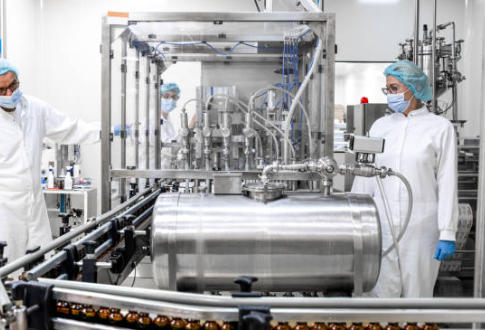
Understanding the Role of Roller Bearings in Pharmaceutical Equipment
Roller bearings are used in a variety of pharmaceutical equipment such as filling machines, centrifuges, mixers, blenders, and packaging systems. They reduce friction and wear between rotating parts, enabling smooth motion and mechanical stability.
In a pharmaceutical setting, the choice of bearing is not merely about mechanical performance; it must align with cGMP (current Good Manufacturing Practice) and FDA hygiene standards. The bearing materials, lubrication methods, and sealing technologies play a direct role in maintaining sanitary conditions and preventing contamination.
Key performance expectations include:
- Corrosion resistance: Bearings must withstand exposure to cleaning agents, steam, and temperature fluctuations.
- Smooth operation: Precision grinding and surface finishing minimize particle shedding.
- Lubrication control: Non-toxic and FDA-approved lubricants are essential to prevent product contamination.
- Sealing integrity: Sealed or shielded bearings prevent ingress of contaminants and loss of lubricant.
- Material purity: Surfaces in contact with process environments must use stainless steel, ceramics, or FDA-approved polymers.
Compliance Standards for Roller Bearings in Pharmaceutical Use
Selecting FDA-compliant roller bearings means adhering to a framework of hygiene and safety certifications. Below are the chief regulatory standards impacting bearing selection for pharmaceutical equipment:
1. FDA (Food and Drug Administration) Regulations
FDA standards specify that materials used in process contact areas must be non-reactive, non-toxic, and corrosion resistant. Bearings installed in pharmaceutical systems must use components that comply with 21 CFR 177 and related material guidelines.
2. USP Class VI Certification
This certification tests materials for biocompatibility, ensuring they cause no physiological harm when in contact with pharmaceutical products. Bearings using USP Class VI materials are ideal for high-purity systems like reactors and filtration skids.
3. ISO 9001 & ISO 13485 Quality Management
Manufacturers of bearings or pharmaceutical equipment must maintain traceable quality systems to document compliance, lot tracking, and clean manufacturing conditions.
4. EU RoHS and REACH Compatibility
Even if targeted for FDA-regulated markets, suppliers must often meet European environmental regulations such as RoHS (Restriction of Hazardous Substances) and REACH to minimize hazardous elements in bearing materials.
Types of Roller Bearings Suitable for Pharmaceutical Equipment
Different processes within pharmaceutical manufacturing call for specific bearing types depending on load characteristics, speed, and environmental exposure. The following are commonly used types:
- Stainless steel roller bearings: Offer superior corrosion resistance and cleanability, ideal for pure water systems or filling equipment.
- Hybrid ceramic bearings: Use silicon nitride balls with stainless steel races for smooth operation and reduced friction.
- Polytetrafluoroethylene (PTFE) lined bearings: Suitable for dry-running or lubricant-free applications.
- Sealed roller bearings: Prevent ingress of contaminants in pharmaceutical mixers or blenders.
- Lubricated-for-life bearings: Pre-sealed and factory-filled with FDA-grade lubricants to minimize maintenance and reduce contamination risks.
Matching the bearing type to its application ensures reliability and compliance throughout the manufacturing life cycle.
Materials for FDA-Compliant Roller Bearings
Material selection forms the foundation of compliance and durability. The following materials are most recommended:
1. 316L Stainless Steel
- Industry standard for pharmaceutical equipment, owing to its corrosion resistance and smooth surface finish.
2. Ceramic Components (Silicon Nitride or Zirconia)
- Inert, non-magnetic, and high-temperature resistant. Perfect for sterile or ultra-high purity systems.
3. Polymers and Composites (PTFE, PEEK, UHMW-PE)
- Common in self-lubricating or noise-sensitive applications and validated for biocompatibility.
4. FDA-Approved Lubricants
- Contain NSF H1 or H2 rated greases, designed specifically for incidental food contact and sterile operations.
Selecting the correct combination of these materials ensures that your roller bearings withstand harsh sterilization environments such as CIP (Clean-in-Place) or SIP (Steam-in-Place) procedures.
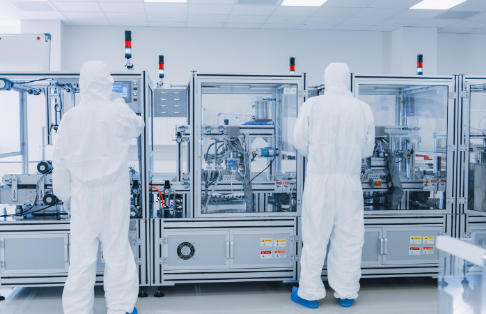
Evaluating Suppliers of FDA-Compliant Roller Bearings
Sourcing the right supplier involves careful assessment beyond product specifications. Companies seeking pharmaceutical equipment components should evaluate suppliers based on transparency, certifications, and engineering expertise.
Key evaluation criteria include:
- Regulatory documentation: Suppliers should provide FDA and USP certification data, including material traceability.
- Manufacturing environment: Bearings must be produced in clean and controlled environments to prevent particle contamination.
- Engineering customization: Look for suppliers offering custom designs or special coatings compatible with pharmaceutical-grade requirements.
- After-sales support: Global technical service, installation guidance, and validation support are vital for cGMP operations.
- Quality management systems: Suppliers certified under ISO 9001 or ISO 13485 can guarantee consistent production quality.
Recommended Sourcing Regions and Channels
Sourcing FDA-compliant roller bearings depends on balancing cost, delivery, and certification requirements. Below are some strategic sourcing options:
1. China
China hosts a growing number of suppliers manufacturing FDA-approved pharmaceutical equipment and bearing components. Companies like Everheal provide integrated systems including pure water generation units, multi-effect distillers, and filling and sealing machines. Collaborating with such suppliers gives clients one-stop access to certified bearings within larger equipment assemblies.
2. Germany
German manufacturers such as SKF and FAG maintain strong reputations for precision bearings used in sterile and aseptic systems. They provide detailed material certifications and long-term supply reliability.
3. United States
U.S.-based suppliers like Timken or Boca Bearings specialize in bearings with NSF and FDA-grade lubricants, ensuring local compliance for American pharmaceutical manufacturers.
4. Online B2B Platforms
Portals like Alibaba, ThomasNet, and Made-in-China allow engineers to filter suppliers by certification, material documentation, and region.
When evaluating online suppliers, always validate authenticity through third-party audits or supplier verification programs.
Benefits of FDA-Compliant Bearings in Pharmaceutical Equipment
Choosing the right roller bearing type and supplier delivers multiple advantages:
- Contamination control: Prevents bacterial growth, particulate shedding, or lubricant migration.
- Equipment longevity: Smooth operation reduces downtime and mechanical wear.
- Compliance assurance: Simplifies regulatory audits and documentation during FDA inspections.
- Efficient maintenance: Lubricants or dry-running options minimize cleaning needs.
- Consistent operation: Ensures process repeatability vital for validated pharmaceutical production.
Integration with Comprehensive Equipment Systems
A modern pharmaceutical facility integrates numerous equipment modules—pure steam generators, distilled water units, sterilizers, and filling-sealing systems. Bearings serve as the hidden enablers behind these machines.
As a system integrator, Everheal not only supplies FDA-compliant pharmaceutical equipment but designs complete factory layouts where optimized bearing systems enhance operational flows. By combining clean mechanical design with automation and validation expertise, companies can establish long-lasting, compliant production infrastructure.
Best Practices for Maintenance and Longevity
Even with FDA-approved materials, proper handling and maintenance are crucial for extending bearing service life in pharmaceutical production:
1. Clean with non-reactive solutions; avoid abrasive agents.
2. Verify seals after each CIP/SIP cycle to prevent leakage.
3. Track operating hours and replace bearings on pre-planned intervals.
4. Store spares in clean, humidity-controlled packaging.
5. Document every maintenance event for cGMP traceability.
Conclusion
In the pharmaceutical industry, the smallest mechanical part—like a roller bearing—can determine the overall compliance and efficiency of the manufacturing process. Selecting FDA-compliant roller bearings means safeguarding product purity, ensuring regulatory confidence, and maintaining operational reliability.
By partnering with credible suppliers and system integrators like Everheal, who understand both mechanical precision and pharmaceutical standards, manufacturers can build facilities aligned with global compliance expectations. From design to execution, integrating high-grade rolling components ensures lasting production excellence in the field of pharmaceutical equipment.

FAQ
1. What makes a roller bearing FDA-compliant?
An FDA-compliant bearing uses approved materials (such as 316L stainless steel or PTFE) and lubricants certified under NSF H1 standards, ensuring no contamination risk in pharmaceutical processes.
2. Can standard industrial bearings be used in pharmaceutical equipment?
No. Standard bearings often contain non-FDA lubricants or contaminants. Only validated, hygienic-grade bearings should be used in pharmaceutical equipment.
3. How often should roller bearings be replaced in a sterile system?
Replacement intervals depend on operational hours and conditions, but most facilities follow preventive maintenance schedules every 12–18 months for continuous systems.
4. Are ceramic bearings suitable for autoclave environments?
Yes, ceramic bearings withstand high temperatures and corrosion, making them ideal for autoclave and steam sterilization applications.
5. Does Everheal supply FDA-compliant bearings within its equipment?
Yes. Everheal integrates FDA-validated roller bearings into its pharmaceutical equipment systems, ensuring full compliance and traceability for global clients.


