Content Menu
● Understanding Why Distilled Water Matters for CPAP Machines
● The Science Behind Distilled Water Production
● Where to Buy Distilled Water for CPAP Machines
>> 1. Local Pharmacies and Supermarkets
>> 2. Medical Supply Stores
>> 3. Online Marketplaces
>> 4. Water Delivery Services
>> 5. Using a Distillation Water Machine for Self-Production
● Advantages of Making Your Own Distilled Water
● What to Avoid When Buying Distilled Water
● Industrial and Medical Applications of Distilled Water
● How to Store Distilled Water Safely
● Why Everheal Distillation Water Machines Stand Out
● Conclusion
● FAQ
>> 1. What type of water should I use in my CPAP machine?
>> 2. Can I use bottled drinking water instead of distilled water?
>> 3. How does a Distillation Water Machine work?
>> 4. Is it worth buying a home Distillation Water Machine?
>> 5. How often should I replace the distilled water in my CPAP humidifier?
Finding high-quality distilled water for a CPAP (Continuous Positive Airway Pressure) machine is essential for maintaining performance, preventing mineral buildup, and ensuring safe therapy use. Whether you are a CPAP user at home or a supplier serving healthcare institutions, knowing where and how to buy or produce distilled water is crucial. This article will guide you through the best sources, purchasing options, and even advanced solutions such as using a Distillation Water Machine for in-house production.
Understanding Why Distilled Water Matters for CPAP Machines
Distilled water plays a vital role in CPAP machines. These devices deliver continuous airflow to patients with sleep apnea, and the water chamber adds humidity to the airflow to prevent dryness. However, not just any water is suitable for this equipment.
Distilled water is free from minerals, bacteria, and chemical impurities. Tap water, in contrast, contains calcium, magnesium, and other contaminants that can create white mineral deposits in the CPAP humidifier, damage the device, or even pose health risks when inhaled over time.
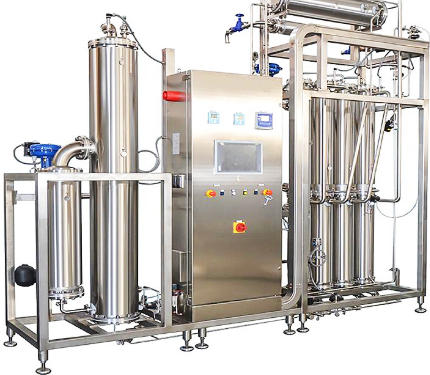
Using water from a Distillation Water Machine ensures that all impurities, salts, and organic matter are removed through a phase change and condensation process. The result is ultra-pure water ideal for medical equipment.
The Science Behind Distilled Water Production
Distillation is a simple yet highly effective purification method. The process involves boiling water to create steam, which is then cooled and condensed back into liquid form, leaving behind impurities, minerals, and microorganisms.
A Distillation Water Machine automates this process, maintaining precise temperature control and using stainless steel components to prevent secondary contamination. Such equipment is widely used in medical, pharmaceutical, and laboratory applications due to its reliability and consistency.
Everheal, a professional Chinese manufacturer of pharmaceutical-grade equipment, provides advanced Distillation Water Machines that comply with international GMP standards. These machines ensure the production of sterile, high-purity distilled water suitable for CPAP devices, sterile filling, and pharmaceutical formulations.
Where to Buy Distilled Water for CPAP Machines
Finding distilled water for your CPAP machine is not difficult, but choosing the right source is important to guarantee purity and safety. Below are the most reliable purchasing options:
1. Local Pharmacies and Supermarkets
Most pharmacies, supermarkets, or large retail stores carry distilled water in their healthcare or baby-product aisles. It's usually sold in 1-gallon or 4-liter bottles. When buying, always check that the label says “distilled water” rather than purified, spring, or mineral water, as those are not the same.
2. Medical Supply Stores
Dedicated medical or respiratory equipment suppliers often provide distilled water specifically packaged for CPAP and humidifier use. These are production-controlled sources with zero microbial contamination, ensuring high-quality standards.
3. Online Marketplaces
E-commerce platforms such as Amazon, Walmart, or local online health stores sell various brands of distilled water. While convenient, it's important to confirm the authenticity of the brands and their certificates to ensure the product is truly distilled.
4. Water Delivery Services
For heavy users or medical facilities, subscribing to a distilled water delivery service can be cost-effective. Many companies offer automatic refills and bulk purchases delivered directly to your home or clinic.
5. Using a Distillation Water Machine for Self-Production
If you frequently need distilled water, investing in a Distillation Water Machine may be the most practical long-term solution. Home-scale and industrial models are available depending on your consumption volume.
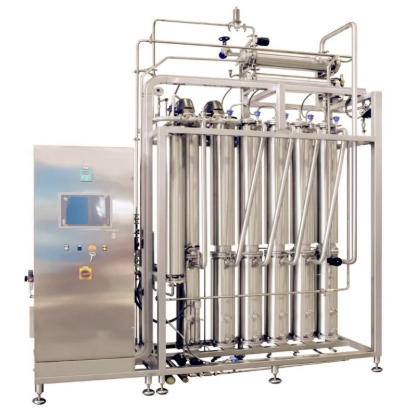
Everheal's Distillation Water Machines are designed for continuous, automated operation, producing stable water quality for various medical and industrial applications. By owning one, users can ensure a constant supply of distilled water for CPAP devices while saving money and reducing dependency on commercial suppliers.
Advantages of Making Your Own Distilled Water
Producing distilled water using a personal or industrial Distillation Water Machine offers significant advantages:
- Cost efficiency: Over time, generating your own distilled water is cheaper than constantly buying bottled water.
- Sustainable supply: You never run out of distilled water even during emergencies or supply shortages.
- Purity control: You can monitor your water source, maintenance schedule, and system sanitation.
- Eco-friendly: Reduces single-use plastic bottles and packaging waste.
- Versatility: The same water can be used for other medical instruments or laboratory needs.
Everheal's modular design makes the Distillation Water Machine adaptable to your required capacity, from small hospital departments to full-scale pharmaceutical plants.
What to Avoid When Buying Distilled Water
When shopping for distilled water, beware of misleading product labels. Some terms can be confusing:
- Purified water – may include reverse osmosis or deionized water, not always fully distilled.
- Deionized water – removes ions but not all organic compounds or microbes.
- Spring or mineral water – naturally contains mineral content that can damage CPAP machines.
- Filtered water – passes through carbon filters but remains impure compared to distilled water.
Ensure the bottle specifically lists distilled water as the product type and verify it has been produced using a Distillation Water Machine.
Industrial and Medical Applications of Distilled Water
Distilled water isn't limited to CPAP devices. It plays a crucial role in:
- Sterile pharmaceutical preparations
- Medical device cleaning and rinsing
- Laboratory experiments
- Cosmetic formulation
- Battery and humidifier maintenance
Everheal's Distillation Water Machines can meet all these requirements, supporting integrated water systems for complete production lines, including pure steam generation and sterile filling.
How to Store Distilled Water Safely
Even distilled water can get contaminated if improperly stored. To preserve purity:
1. Use sterile, BPA-free plastic or glass containers.
2. Keep the container sealed tightly when not in use.
3. Store at room temperature in a clean, dry environment.
4. Do not refill old distilled water bottles with tap water.
5. Label storage containers clearly to prevent misuse.
For industrial operators using Everheal systems, automatic water circulation and sterile piping design help prevent secondary contamination throughout production and distribution.
Why Everheal Distillation Water Machines Stand Out
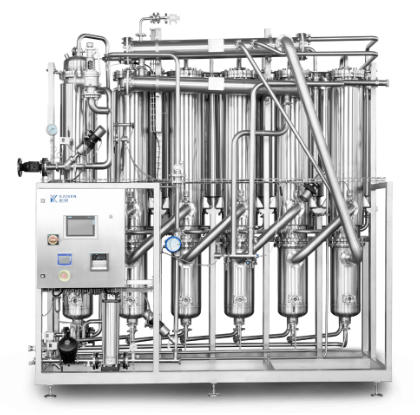
Founded in China, Everheal provides high-quality pharmaceutical machinery such as Distillation Water Machines, Pure Steam Generators, and Multifunctional Distilled Water Units. All systems are designed under GMP, FDA, and CE standards to ensure compliance with both national and global pharmaceutical manufacturing regulations.
Key advantages include:
- Fully automatic operation with PLC control.
- Stainless steel 316L contact parts ensuring chemical stability.
- Energy-efficient heat recovery technology.
- Modular structure for easy installation and maintenance.
- Customized capacity to match hospital or production requirements.
By integrating an Everheal Distillation Water Machine, manufacturers and hospitals achieve consistent purity levels, reduced maintenance costs, and stable output for continuous usage.
Conclusion
For CPAP users, distilled water is more than a convenience—it's a necessity for health and machine maintenance. Whether you purchase it from a reliable retailer or generate it independently using a Distillation Water Machine, purity and safety must always come first. Everheal provides comprehensive solutions for high-quality water production, ensuring that every drop meets the highest medical and pharmaceutical standards.
With the right sourcing strategy or in-house production system, you can maintain your CPAP machine efficiently, ensure user comfort, and enjoy uninterrupted therapy with confidence.
FAQ
1. What type of water should I use in my CPAP machine?
Always use distilled water, not tap or filtered water. Distilled water from a Distillation Water Machine ensures zero mineral buildup and maximum hygiene.
2. Can I use bottled drinking water instead of distilled water?
No. Bottled drinking water contains minerals and additives that can damage the humidifier chamber or form deposits. Only distilled water is recommended.
3. How does a Distillation Water Machine work?
It boils water into steam and then condenses it back to a liquid, leaving behind all contaminants, minerals, and microbes—producing pure water suitable for CPAP and medical devices.
4. Is it worth buying a home Distillation Water Machine?
Yes, especially if you use your CPAP daily. It saves money over time and guarantees a steady supply of pure water.
5. How often should I replace the distilled water in my CPAP humidifier?
Replace it daily to prevent bacterial growth and ensure optimal therapy quality, even if there's leftover water in the chamber.


