Content Menu
● Defining the Infusion Bag
● Key Applications in Clinical Practice
● Types and Configurations of Infusion Bags
● Materials Science Behind Infusion Bags
● Step-by-Step Manufacturing Process
● Advanced Production Line Integration
● Quality Assurance and Testing Protocols
● Regulatory Compliance and Global Standards
● Innovations Driving Infusion Bag Evolution
● Safe Handling and Disposal Practices
● Conclusion
● FAQ
>> 1. What materials are used in Infusion Bags?
>> 2. How does the filling process work for Infusion Bags?
>> 3. What sterilization methods apply to Infusion Bags?
>> 4. Why choose non-PVC Infusion Bags?
>> 5. How do multi-chamber Infusion Bags benefit TPN?
● Citations:
Infusion Bag products serve as the cornerstone of intravenous therapy, delivering essential fluids, medications, and nutrients directly into patients' bloodstreams with precision and sterility. These versatile containers, produced by specialized pharmaceutical equipment manufacturers like Everheal, integrate seamlessly with advanced production lines featuring pure water systems, filling machines, and sterilization units to meet global demands. Understanding the design, manufacturing, and applications of an Infusion Bag is crucial for healthcare providers, pharmaceutical companies, and equipment suppliers aiming to ensure patient safety and operational efficiency.[1][2][10][11]
Defining the Infusion Bag
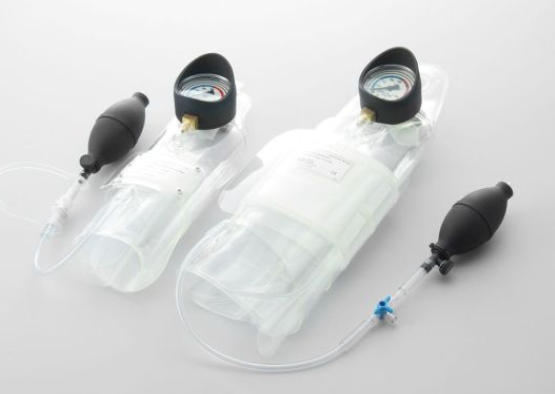
An Infusion Bag is a sterile, flexible pouch designed specifically for holding and administering intravenous solutions, including saline, dextrose, electrolytes, antibiotics, chemotherapy agents, and parenteral nutrition formulas. Constructed from medical-grade polymers, the Infusion Bag features ports for spiking IV sets, injection sites for adding medications, and hanging mechanisms for suspension on poles or pumps. Capacities range from 50 ml pediatric sizes to 3000 ml large-volume bags, allowing customization based on therapy needs.[10][11][12]
The Infusion Bag maintains solution integrity through robust seals, gas barriers, and compatibility with sterilization processes, preventing microbial contamination or chemical interactions. Everheal's liquid filling and sealing machines play a pivotal role in producing these Infusion Bags, ensuring hermetic closures that withstand transport, storage, and clinical handling. Regulatory bodies like the FDA and EMA mandate rigorous testing for every Infusion Bag batch to confirm leachables, particulates, and pyrogen limits.[2][13][1]
Key Applications in Clinical Practice
Infusion Bags support a wide array of medical scenarios, from emergency resuscitation to chronic disease management. In hydration therapy, an Infusion Bag filled with crystalloid solutions rapidly restores fluid balance in cases of shock, surgery, or gastroenteritis. For drug delivery, the Infusion Bag dilutes potent medications like vancomycin or oncology drugs, enabling controlled infusion rates to minimize toxicity.[6][11][14][15][10]
Nutritional Infusion Bags deliver total parenteral nutrition (TPN), combining lipids, proteins, carbohydrates, vitamins, and electrolytes for patients with gastrointestinal failure. Blood product Infusion Bags handle plasma, platelets, or cryoprecipitate, often requiring specialized non-PVC materials for compatibility. In critical care, multi-chamber Infusion Bags separate unstable components until activation, simplifying pharmacy preparation and reducing errors.[14][16][17][1][10]
Types and Configurations of Infusion Bags
Infusion Bags vary by material, chamber design, and intended use to optimize performance across therapies. Single-chamber Infusion Bags dominate standard IV fluids, offering simplicity and cost-effectiveness for saline or glucose solutions. Dual- or triple-chamber Infusion Bags compartmentalize TPN ingredients, preventing precipitation and extending shelf life.[12][16][18][10]
Non-PVC Infusion Bags, made from EVA or polypropylene, address concerns over DEHP plasticizers leaching into sensitive drugs like insulin or amiodarone. Upright Infusion Bags with rigid ports enhance pump compatibility and reduce leakage risks during administration. Custom Infusion Bags for radiopharmaceuticals or biologics incorporate light-protective layers and low-adsorption films.[13][16][19][20][6]
Materials Science Behind Infusion Bags
Material selection defines an Infusion Bag's durability, biocompatibility, and drug compatibility. Polyvinyl chloride (PVC) provides flexibility and clarity but requires stabilizers; DEHP-free variants mitigate endocrine risks. Ethylene vinyl acetate (EVA) offers plasticizer-free performance, ideal for lipid emulsions in Infusion Bags.[16][19][21][13]
Polypropylene (PP) and polyethylene (PE) composites excel in heat-sealable films for autoclavable Infusion Bags, resisting cracking under pressure. Multi-layer co-extruded films combine oxygen barriers, moisture vapor transmission control, and weldable inner layers for premium Infusion Bags. Everheal's pure steam generators ensure these materials undergo validation sterilization without degradation.[4][20][1][2][13]
Step-by-Step Manufacturing Process
Infusion Bag production demands cleanroom precision, starting with medical-grade resin extrusion into thin films under Class 10,000 conditions. Films undergo printing with volume graduations, lot codes, and barcodes via hot-stamp or inkjet methods for traceability.[1][2]
Layer separation follows, inserting tubes and ports before thermal welding seals the Infusion Bag contours and forms internal dividers for multi-chamber designs. Robotic handling transfers empty Infusion Bags to aseptic filling stations, where purified water systems feed sterile solutions through precise nozzles. Everheal's multifunctional distillers and filling/sealing machines automate this, achieving 16-50 bags per minute with minimal human intervention.[9][2][4][1]
Post-filling, secondary seals secure ports, followed by 100% leak testing via vacuum or pressure methods. Terminal sterilization via autoclaving or ethylene oxide validates microbial kill, with Everheal's sterilization systems ensuring uniform heat distribution. Final inspections check clarity, particulates, and dimensions before over-wrapping and carton packing.[5][22][2][1]
Advanced Production Line Integration
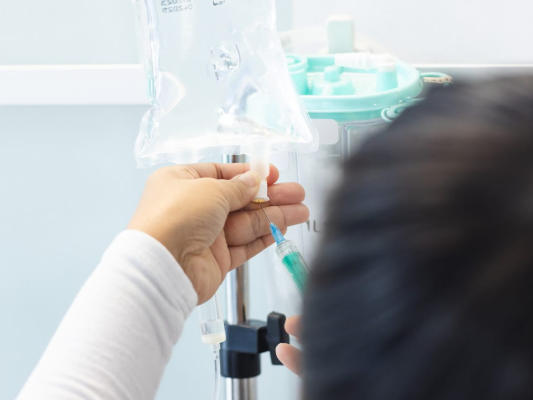
Modern Infusion Bag lines integrate blow molding, washing, filling, and sealing into isolator-protected systems for aseptic processing. Preform injection molding creates hangers and ports, advancing to blow molding for shaped Infusion Bags. Automated PP bottle lines for rigid Infusion Bag variants emphasize high throughput and low costs.[3][7][4]
Humanization features like intuitive HMI panels and robotics reduce errors, while intelligent sensors monitor fill weights and seal integrity in real-time. Everheal provides turnkey layouts combining water prep, steam generation, and filling for seamless Infusion Bag production scalability. Validation protocols confirm equipment meets GMP, with IQ/OQ/PQ for every Infusion Bag line module.[8][2][4][1]
Quality Assurance and Testing Protocols
Every Infusion Bag undergoes multi-tiered quality checks, from raw material certificates to finished product release. In-process controls include vision systems for seal defects and laser volumetrics for fill accuracy. Accelerated aging tests simulate shelf life, verifying Infusion Bag stability under ICH conditions.[19][2][5][1]
Extractables/leachables studies ensure no contaminants migrate into solutions, critical for cytotoxic or nutritional Infusion Bags. Hemolysis assays confirm biocompatibility, targeting under 5% rates. Environmental monitoring tracks cleanroom particulates and bioburden throughout Infusion Bag manufacturing.[2][13][19][1]
Regulatory Compliance and Global Standards
Infusion Bag makers adhere to USP, EP, and JP pharmacopeias, plus ISO 8536 for flexible bags. FDA 21 CFR Part 820 governs design controls, while EU MDR classifies Infusion Bags as Class IIb devices. Serialization via GS1 standards combats counterfeiting in Infusion Bag supply chains.[13][1][2]
Everheal's customized solutions align with these, offering compliant lines for markets like the US, EU, and Asia. Risk-based FMEAs identify failure modes in Infusion Bag ports or seals, driving continuous improvements.[4][1]
Innovations Driving Infusion Bag Evolution
Smart Infusion Bags incorporate RFID for tracking and NFC for dose verification, enhancing hospital workflows. Eco-friendly biodegradable polymers reduce non-PVC Infusion Bag environmental footprints. Ready-to-administer (RTA) Infusion Bags minimize pharmacy admixture risks.[23][6][16][19][1]
Automation trends favor isolator-based lines, cutting contamination risks for high-value biologics Infusion Bags. Multi-chamber advancements allow point-of-care mixing, extending usability for unstable formulations.[18][3][8][16]
Safe Handling and Disposal Practices
Clinicians inspect Infusion Bags for cracks, cloudiness, or leaks before use, documenting lot numbers for pharmacovigilance. Pump programming prevents free-flow incidents, with alarms for air or occlusion. Post-use, sharps-compliant disposal bins handle empty Infusion Bags, segregating PVC from recyclables.[24][12][14]
Conclusion
The Infusion Bag remains indispensable in modern medicine, evolving from simple fluid holders to sophisticated delivery systems supporting diverse therapies. Pharmaceutical leaders like Everheal enable this through integrated equipment—pure water systems, steam generators, distillers, fillers, sealers, and sterilizers—delivering turnkey production for global clients. As demands for safety, sustainability, and efficiency rise, advanced Infusion Bag manufacturing will continue advancing patient care worldwide.[11][10][16][19]
FAQ
1. What materials are used in Infusion Bags?
Infusion Bags employ PVC, EVA, PP, PE, or multi-layer films, selected for flexibility, sterility maintenance, and drug compatibility. Non-PVC options dominate sensitive applications, supported by Everheal's filling lines.[19][13]
2. How does the filling process work for Infusion Bags?
Empty Infusion Bags move to aseptic fillers where purified solutions dispense via nozzles, followed by sealing and sterilization. Precision ensures accurate volumes without aeration.[1][2]
3. What sterilization methods apply to Infusion Bags?
Autoclaving with moist heat or ethylene oxide achieves sterility, validated by Everheal's systems for uniform efficacy. Materials tolerate processes without compromising Infusion Bag integrity.[22][4]
4. Why choose non-PVC Infusion Bags?
Non-PVC Infusion Bags eliminate plasticizer risks, improve drug stability, and aid eco-disposal for nutrition or chemo therapies.[19][13]
5. How do multi-chamber Infusion Bags benefit TPN?
They separate incompatible components until peel-seal activation, simplifying preparation and enhancing shelf life.[16][1]
Citations:
[1](https://www.polycine.com/manufacturing/iv-bag-manufacturing/)
[2](https://www.sinymedical.com/how-medical-infusion-bags-are-made-by-manufacturers/)
[3](https://www.comecer.com/video/aseptic-iv-bags-filling-line-under-isolator-technology/)
[4](https://www.iven-pharma.com/news/what-is-the-manufacturing-process-of-iv-bags/)
[5](https://patents.google.com/patent/EP3411004B1/en)
[6](https://adragos-pharma.com/iv-bag-for-reliable-drug-delivery-customized-solutions-for-your-needs/)
[7](https://grandpackmachine.com/top-11-iv-bag-production-line-manufacturers/)
[8](https://www.atslifesciences.com/platforms/pharmaflow/)
[9](https://www.youtube.com/watch?v=98iyZb7rfK4)
[10](https://www.sinymedical.com/what-is-an-infusion-bag/)
[11](https://my.clevelandclinic.org/health/treatments/21635-iv-fluids)
[12](https://www.ncbi.nlm.nih.gov/books/NBK596734/)
[13](https://www.ciamedical.com/insights/what-material-are-iv-bags-made-of/)
[14](https://www.aacn.org/blog/iv-infusion-in-critical-care)
[15](https://www.revivemobileivs.com/bag-of-iv)
[16](https://www.datamintelligence.com/research-report/non-pvc-iv-bags-market)
[17](https://www.grifols.com/en/-/bags-for-parenteral-solutions)
[18](https://cellbios.com/medical/infusion-bags/)
[19](https://www.packagingdigest.com/drug-delivery-devices/alternatives-to-pvc-for-iv-bags)
[20](https://pmc.ncbi.nlm.nih.gov/articles/PMC10587401/)
[21](https://www.sinymedical.com/what-is-pvc-infusion-bag/)
[22](https://patents.google.com/patent/EP2710992A2/en)
[23](https://www.marketresearch.com/Coherent-Market-Insights-v4137/Non-PVC-IV-Bags-Type-39894416/)
[24](https://www.distinctivemedical.com/why-is-the-use-of-iv-bag-covers-so-important-in-hospitals/)


