Content Menu
● Role of Water in Pharmaceutical Production
● Regulatory and Quality Framework
>> International and Local Standards
>> Documentation and Validation
● Core Technologies Used in Thailand
>> Pretreatment and Filtration
>> Reverse Osmosis (RO) and Double‑Pass RO
>> Electro Deionization (EDI)
>> Distillation and Pure Steam
>> UV, Ozone, and Advanced Disinfection
● Storage, Distribution, and Loop Design
● Leading Types of Suppliers Serving Thailand
>> Local Engineering and System Integrators
>> Global Pharma Water Specialists
>> Industrial Water Treatment Providers with Pharma Experience
● Turnkey Solutions and Factory Layout Support
>> End‑to‑End Project Delivery
>> Integration with Production Lines
● Digitalization and Smart Monitoring
>> Real‑Time Quality Control
>> Predictive Maintenance and Lifecycle Services
● Considerations When Choosing a Supplier in Thailand
● Future Trends in Thai Pharma Water Systems
● Conclusion
● FAQ
>> 1. What makes pharmaceutical water different from normal industrial water?
>> 2. Which technologies are most widely used by Pharmaceutical Water Trearment Equipment Manufacturers And Suppliers in Thailand?
>> 3. How do Thai suppliers support validation and regulatory compliance?
>> 4. What after‑sales services should pharmaceutical companies expect?
>> 5. Why is local presence important when choosing Pharmaceutical Water Trearment Equipment Manufacturers And Suppliers in Thailand?
● Citations:
Thailand has become a dynamic hub for pharmaceutical manufacturing in Southeast Asia, and high‑purity water is at the heart of every compliant production facility. Top Pharmaceutical Water Trearment Equipment Manufacturers And Suppliers in Thailand help drug makers meet strict global regulations while keeping operating costs under control. Partnering with the right supplier ensures reliable purified water, pure steam, and sterilization support for everything from oral liquids to injectable products.[1][2][4]
Role of Water in Pharmaceutical Production
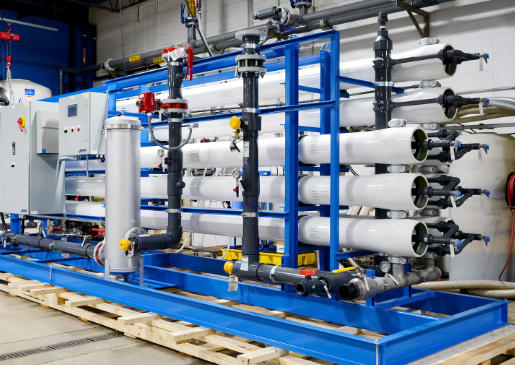
Pharmaceutical water is not just a utility; it is a critical raw material that directly affects product quality, stability, and patient safety. Water used for manufacturing, cleaning, and formulation must meet pharmacopeial grades such as Purified Water and Water for Injection (WFI) and comply with GMP and regulatory expectations.[2][3][5]
Pharmaceutical Water Trearment Equipment Manufacturers And Suppliers therefore design systems that control microbial load, endotoxins, conductivity, and organic impurities across the entire water lifecycle. In Thailand, these solutions support both local generics producers and global multinationals operating modern facilities in industrial zones.[4][5][1]
Regulatory and Quality Framework
International and Local Standards
- International guidelines: USP, EP, JP, and WHO technical reports define quality requirements for pharmaceutical water and pure steam.[5][2]
- GMP expectations: Thailand's FDA aligns with PIC/S and international GMP frameworks, so water systems must be designed, qualified, and validated accordingly.[3]
- Quality risk management: Top Pharmaceutical Water Trearment Equipment Manufacturers And Suppliers integrate risk‑based design, documented change control, and periodic re‑qualification into each project.[2][3]
These standards drive the selection of materials (such as stainless steel 316L), sanitary design, smooth internal surfaces, and automated monitoring to avoid contamination and stagnation.[2]
Documentation and Validation
Manufacturers and suppliers support users with:
- Design Qualification (DQ), Installation Qualification (IQ), Operational Qualification (OQ), and Performance Qualification (PQ) documentation packages.[5][2]
- Calibration, maintenance logs, and electronic records that support data integrity expectations (for example, ALCOA principles).[3]
This validation support is often a key differentiator among Pharmaceutical Water Trearment Equipment Manufacturers And Suppliers in Thailand, especially for export‑oriented sites under frequent audits.[1][4]
Core Technologies Used in Thailand
Pretreatment and Filtration
Most systems start with pretreatment to protect downstream high‑purity equipment.[4][1]
- Media filtration removes suspended solids and turbidity.
- Water softening reduces hardness and prevents scale in reverse osmosis (RO) membranes and heat exchangers.
- Activated carbon filters or other technologies handle chlorine, chloramine, and organic contaminants where present.[4]
Pharmaceutical Water Trearment Equipment Manufacturers And Suppliers in Thailand usually standardize pretreatment skids to reduce delivery time while still allowing customization of flow rates and control strategies.[1]
Reverse Osmosis (RO) and Double‑Pass RO
RO is the workhorse of pharmaceutical water treatment, widely used for producing purified water and as a pretreatment step for WFI generation.[6][2]
- Double‑pass RO systems achieve low conductivity and reduced microbial risk, a common requirement in high‑end pharma plants.
- Automated flushing, clean‑in‑place (CIP), and hot water sanitization options keep membranes in validated condition.[2]
Many Thai‑based Pharmaceutical Water Trearment Equipment Manufacturers And Suppliers integrate RO units with energy‑efficient pumps and smart controls to minimize operating costs.[1][4]
Electro Deionization (EDI)
EDI modules polish RO permeate to produce consistent, high‑resistivity water without the frequent chemical regeneration that traditional ion‑exchange beds require.[6][1]
- Continuous operation and low chemical consumption improve sustainability and safety.
- Compact skids combine RO‑EDI, storage, and distribution for space‑constrained Thai facilities.[4][1]
Some Pharmaceutical Water Trearment Equipment Manufacturers And Suppliers highlight EDI as a key feature in their hi‑purity systems for laboratories, biotech, and parenteral production.[5][1]
Distillation and Pure Steam
For WFI and pure steam, distillation and specialized generators remain the reference technologies.[6][5]
- Multiple‑effect distillation (MED) and vapor compression units produce WFI complying with international pharmacopoeias.
- Pure steam generators supply clean steam for sterilizing vessels, piping, and process equipment, ensuring no cross‑contamination from boiler additives.[6]
Global players and advanced Pharmaceutical Water Trearment Equipment Manufacturers And Suppliers often provide standard modules for WFI and pure steam, adapted to local Thai utilities and ambient conditions.[4][6]
UV, Ozone, and Advanced Disinfection
Disinfection technologies such as UV and ozone help maintain low microbial counts in storage and distribution loops.[8][5]
- UV systems handle microbial inactivation, TOC reduction, and de‑ozonation.
- Ozone is frequently used for cold‑loop sanitization, then removed before the water is used in production.[8]
In Thailand's warm climate, Pharmaceutical Water Trearment Equipment Manufacturers And Suppliers carefully design loops and disinfection strategies to minimize biofilm risk and dead legs.[9][4]
Storage, Distribution, and Loop Design
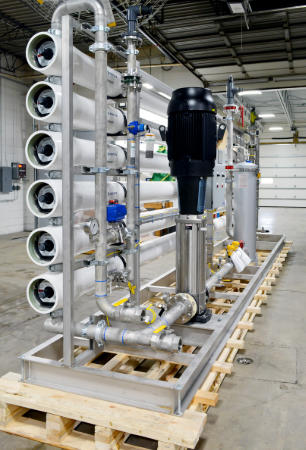
A high‑purity system is only as strong as its storage and distribution loop.[2]
- Hygienic tanks: Sanitary design with controlled vent filters, spray balls, and level control reduces contamination risk.
- Circulation loops: Continuous recirculation at controlled temperature (often hot or ambient with active disinfection) keeps water moving and prevents stagnation.[5][2]
- Sloped piping and orbital welding: Proper slopes help drainability, while high‑quality welds reduce sites where microbes can accumulate.[2]
Pharmaceutical Water Trearment Equipment Manufacturers And Suppliers in Thailand often use integrated automation with PLCs and SCADA systems to monitor flow, temperature, pressure, and quality parameters in real time.[3][4]
Leading Types of Suppliers Serving Thailand
Local Engineering and System Integrators
Local system integrators specialize in designing, building, and commissioning turnkey purified water and wastewater treatment plants.[1][4]
- They understand Thai regulations, utility challenges, and local construction practices.
- Services often include on‑site surveys, layout planning, installation, and long‑term technical support.
These Pharmaceutical Water Trearment Equipment Manufacturers And Suppliers frequently partner with global membrane, instrumentation, and component brands while providing local project ownership.[1][4]
Global Pharma Water Specialists
International companies dedicated to pharma water bring standardized product lines, decades of validation experience, and recognized brand names.[5][6]
- Their portfolios include RO‑EDI skids, distillation units, pure steam generators, and automation platforms specifically for GMP environments.[6]
- Thai facilities benefit from proven designs, well‑documented qualification packages, and long‑term spare‑parts availability.[6][2]
These Pharmaceutical Water Trearment Equipment Manufacturers And Suppliers often support Thailand through regional offices, distributors, or licensed partners.[5][6]
Industrial Water Treatment Providers with Pharma Experience
Several water engineering firms serving multiple industries (food, power, chemicals, etc.) also deliver high‑purity systems for pharmaceutical clients.[4][1]
- Strengths include high‑capacity pretreatment, wastewater treatment, and water reuse, which are increasingly important for large pharma campuses.
- They can combine pharmaceutical clean‑water design with full site‑wide water and wastewater solutions to optimize overall consumption.[7][4]
When these companies position themselves as Pharmaceutical Water Trearment Equipment Manufacturers And Suppliers, they typically collaborate with pharma specialists to ensure GMP compliance and validation support.[5]
Turnkey Solutions and Factory Layout Support
End‑to‑End Project Delivery
Many Pharmaceutical Water Trearment Equipment Manufacturers And Suppliers in Thailand provide more than just equipment; they deliver complete solutions.[1][4]
- Concept and basic design for the water room and distribution network.
- Detailed engineering, including P&IDs, layout drawings, isometrics, and cable routing.
- Installation, commissioning, and SAT (Site Acceptance Testing).
This integrated model is particularly attractive for companies building new facilities or upgrading lines to meet export market expectations.
Integration with Production Lines
Water and pure steam systems must be tightly integrated with manufacturing lines, cleaning systems, and sterilization equipment.[2]
- CIP and SIP: Purified water and pure steam loops feed CIP skids and SIP cycles for tanks, mixers, and filling lines.
- Utility coordination: Flow rates and tank capacities are sized based on batch sizes, shift patterns, and simultaneous demands from multiple lines.[3][2]
Pharmaceutical Water Trearment Equipment Manufacturers And Suppliers that understand these interactions can design more efficient, right‑sized utilities, reducing both capital and operating costs.[4][5]
Digitalization and Smart Monitoring
Real‑Time Quality Control
Modern systems use sensors and analyzers to continuously monitor critical quality attributes.[3][2]
- Parameters such as conductivity, TOC, temperature, pressure, and flow are logged and alarmed.
- Data historians and electronic batch records support investigations and audits.
Pharmaceutical Water Trearment Equipment Manufacturers And Suppliers increasingly offer cloud‑linked dashboards and remote diagnostics, which are useful for Thai sites with limited specialist staff on each shift.[3][5]
Predictive Maintenance and Lifecycle Services
Using data analytics, suppliers can help predict membrane fouling, pump failures, or sensor drift before they disrupt production.[3]
- Condition‑based maintenance reduces unplanned downtime and extends asset life.
- Lifecycle agreements bundle spare parts, periodic audits, and operator training into a long‑term support package.[6][4]
This service‑led approach is becoming a key selection factor when evaluating Pharmaceutical Water Trearment Equipment Manufacturers And Suppliers for strategic facilities in Thailand.[5]
Considerations When Choosing a Supplier in Thailand
When evaluating Pharmaceutical Water Trearment Equipment Manufacturers And Suppliers, pharmaceutical companies should examine several criteria:
- Compliance record: References in regulated markets, experience with audits, and knowledge of GMP and pharmacopeial requirements.[5]
- Technical capabilities: Ability to design RO‑EDI, WFI, pure steam, and hygienic loops appropriate to the product portfolio.
- Local presence: Availability of spare parts, service engineers, and rapid response times within Thailand.[1][4]
- Project management strength: Proven track record delivering projects on time, within budget, and with complete validation documentation.
- Long‑term partnership potential: Capacity to support plant expansions, process changes, and new product introductions over many years.[4][6]
Choosing the right Pharmaceutical Water Trearment Equipment Manufacturers And Suppliers allows Thai pharma companies to focus on formulation, manufacturing, and market expansion, knowing that critical utilities are under control.[5]
Future Trends in Thai Pharma Water Systems
Several trends are shaping how Pharmaceutical Water Trearment Equipment Manufacturers And Suppliers design and operate systems in Thailand:
- Sustainability and water reuse: Integrating wastewater treatment and reclamation technologies to reduce freshwater intake and discharge volumes.[7][9]
- Higher automation: More advanced control systems, batch‑to‑batch traceability, and integration with MES and ERP platforms.
- Flexible, modular design: Skid‑mounted units that can be relocated or expanded quickly as production demands change, ideal for fast‑growing export businesses.[6][5]
- Enhanced contamination control: Greater emphasis on hygienic design, loop sanitization strategies, and robust biofilm prevention in warm climates.[8][2]
These innovations ensure that Pharmaceutical Water Trearment Equipment Manufacturers And Suppliers remain strategic partners for manufacturers pursuing higher quality, capacity, and sustainability in Thailand.
Conclusion
High‑purity water, WFI, and pure steam are fundamental to safe and compliant pharmaceutical production, and Thailand's industry relies on a strong ecosystem of local and international Pharmaceutical Water Trearment Equipment Manufacturers And Suppliers to deliver them. From pretreatment, RO‑EDI, and distillation to hygienic storage, distribution, and digital monitoring, these specialists provide complete solutions that align with global GMP and pharmacopeial expectations.[2][4][6][5]
By selecting experienced Pharmaceutical Water Trearment Equipment Manufacturers And Suppliers with strong technical capabilities, validation support, and local service, Thai pharmaceutical companies can secure reliable water utilities, minimize operational risk, and position themselves competitively in regional and global markets. As technology advances and sustainability requirements tighten, collaborative partnerships between manufacturers and their water system providers will continue to drive innovation and long‑term growth in Thailand's pharmaceutical sector.[9][7][1][4]
FAQ
1. What makes pharmaceutical water different from normal industrial water?
Pharmaceutical water must meet strict pharmacopeial specifications for conductivity, microbial content, endotoxins, and organic impurities, whereas industrial water usually targets more general quality metrics. It is produced and distributed in validated systems designed by specialized Pharmaceutical Water Trearment Equipment Manufacturers And Suppliers to support GMP manufacturing.[3][2][6][5]
2. Which technologies are most widely used by Pharmaceutical Water Trearment Equipment Manufacturers And Suppliers in Thailand?
Typical systems combine pretreatment, reverse osmosis (often double‑pass), electro deionization, storage tanks, and distribution loops with UV or ozone disinfection. For more stringent applications, distillation and pure steam generators are added to provide WFI and clean steam for injectable products and sterilization processes.[1][4][6][5]
3. How do Thai suppliers support validation and regulatory compliance?
Leading Pharmaceutical Water Trearment Equipment Manufacturers And Suppliers provide complete DQ, IQ, OQ, and PQ documentation, along with calibration certificates and test reports. They also assist with FAT, SAT, operator training, and periodic re‑qualification to keep systems compliant with Thai FDA and international GMP expectations.[2][3][5]
4. What after‑sales services should pharmaceutical companies expect?
Comprehensive service typically includes preventive maintenance, emergency call‑outs, spare‑parts stocking, performance audits, and optimization of operating costs. Many Pharmaceutical Water Trearment Equipment Manufacturers And Suppliers also offer remote monitoring, predictive maintenance, and refresher training to support long‑term system reliability.[3][4][6][5]
5. Why is local presence important when choosing Pharmaceutical Water Trearment Equipment Manufacturers And Suppliers in Thailand?
Local engineering teams can respond quickly to breakdowns, support audits, and communicate effectively with plant staff, reducing downtime and compliance risk. A strong local presence also simplifies projects, from installation and commissioning through to expansion or modernization of water systems over the plant's lifecycle.[7][4][1]
Citations:
[1](https://ensun.io/search/water-treatment/thailand)
[2](https://www.alfalaval.co.th/industries/biotech-pharmaceuticals/pharmaceutical-production/pharmaceutical-water-systems/)
[3](https://www.chemaqua.com/en-gb/industries/manufacturing/pharmaceuticals-biotechnology/)
[4](https://th.ionexchangeglobal.com)
[5](https://www.pharmaceutical-technology.com/buyers-guide/water-purification-wastewater/)
[6](https://www.bwt-pharma.com/en/)
[7](https://www.organothailand.com/products/waste-water-treatment-system/)
[8](https://ultraaqua.com/application/uv-disinfection-pharmaceutical/)
[9](https://ultraaqua.com/cases/industrial-water-treatment-thailand/)


