


Views: 222 Author: Rebecca Publish Time: 2026-01-03 Origin: Site


Content Menu
● The Rising Pharmaceutical Landscape in the Middle East
● Key Factors Driving Demand for Pharmaceutical Equipment
● Leading Pharmaceutical Equipment Manufacturers And Suppliers in the Middle East
>> 1. Everheal (China–Middle East Partnership)
>> 2. Abunayyan Group (Saudi Arabia)
>> 3. Gulf Drug (United Arab Emirates)
>> 4. Al-Jeel Medical (Saudi Arabia)
● The Role of Chinese Manufacturers in the Middle East Market
● Technological Trends Transforming Pharmaceutical Manufacturing
● Importance of Water Purification and Steam Systems in Pharmaceutical Production
● Building a Compliant Pharmaceutical Production Line
● Challenges Facing Pharmaceutical Equipment Suppliers in the Middle East
● FAQ
>> 1. What are the main types of pharmaceutical equipment used in manufacturing?
>> 2. Why are pure water and steam systems important in pharmaceutical plants?
>> 3. How are Chinese manufacturers involved in the Middle East pharmaceutical industry?
>> 4. What factors should companies consider when choosing a pharmaceutical equipment supplier?
>> 5. What future trends are expected in pharmaceutical manufacturing equipment?
The pharmaceutical industry in the Middle East has been expanding steadily over the last decade, driven by strong healthcare demand, national investment programs, and technological progress. As a result, the region has become a growing destination for Pharmaceutical Equipment Manufacturers and Suppliers looking to serve both domestic and export markets.
From sterile water systems to advanced filling, packaging, and sterilization equipment, companies in this region play an essential role in ensuring pharmaceutical quality, regulatory compliance, and production efficiency.
This article explores the leading pharmaceutical equipment manufacturers and suppliers in the Middle East, their strengths, products, and industry trends shaping the region's pharmaceutical manufacturing infrastructure.

Over the last few years, Gulf Cooperation Council (GCC) countries such as the United Arab Emirates (UAE), Saudi Arabia, and Qatar have prioritized healthcare investment. Rapid urbanization and reforms have spurred interest in local drug production, reducing dependency on imports.
To support this transformation, Pharmaceutical Equipment Manufacturers and Suppliers have become strategic partners in regional industrialization.
Local governments are encouraging partnerships between global equipment providers and domestic firms through incentives and regulatory simplification. This collaboration model has resulted in modern pharmaceutical plants equipped with water purification systems, aseptic filling lines, autoclaves, and cleanroom environments that meet international GMP standards.
Several factors make the Middle East a profitable market for Pharmaceutical Equipment Manufacturers and Suppliers:
- Healthcare expansion: The rapid development of hospitals and public health systems drives drug demand and production capacity.
- Government incentives: Investment policies encourage domestic medicine production to achieve national healthcare independence.
- Technological modernization: Many pharmaceutical companies seek automation, energy efficiency, and digital monitoring in equipment.
- Regulatory alignment: GCC and MENA countries are harmonizing standards with the World Health Organization (WHO) and EU GMP.
These drivers have contributed to a steady increase in capital investment for pharmaceutical plant setup, validation facilities, and high-performance machinery.
Everheal, a trusted Chinese manufacturer of pharmaceutical equipment, is expanding its footprint across the Middle East. The company specializes in integrated solutions for pure water preparation systems, multi-effect distilled water machines, pure steam generators, liquid filling and sealing machines, and sterilization systems.
Everheal provides turnkey project services including customized factory layout, pipeline validation, and production line design. This approach ensures GMP compliance from facility concept to full-scale production.
Its commitment to reliability and quality has made Everheal a preferred partner for pharmaceutical producers seeking efficient, cost-effective, and compliant equipment.
Key Strengths:
- Global engineering and installation support.
- High-quality stainless steel fabrication for process reliability.
- Automation-ready systems designed for data traceability.
- Competitive pricing due to in-house R&D and manufacturing control.
Everheal's advanced technology and proven expertise make it one of the most recognized global Pharmaceutical Equipment Manufacturers and Suppliers serving the Middle East market.
Abunayyan Group, based in Saudi Arabia, offers industrial and water technologies that support pharmaceutical and biotech facilities. The company collaborates with global partners to deliver pure steam and purified water systems, HVAC cleanroom solutions, and process control systems.
Their deep engineering expertise and local presence enable them to handle major pharmaceutical plant projects efficiently, meeting stringent validation requirements.
Gulf Drug is a well-known UAE company that integrates medical and pharmaceutical technologies. As one of the reliable Pharmaceutical Equipment Suppliers in the region, the firm provides automatic filling lines, sterile processing units, and quality assurance equipment.
Their offerings meet international GMP and ISO standards, with dedicated maintenance teams providing post-installation support.
Al-Jeel Medical holds decades of experience in supplying pharmaceutical manufacturing and analytical equipment. The company's capabilities span water treatment systems, lyophilizers, autoclaves, and tablet production lines.
It partners with worldwide Pharmaceutical Equipment Manufacturers to provide high-quality and validation-ready solutions to Saudi Arabia's expanding pharmaceutical network.
Pharmatec Oman represents a new generation of pharmaceutical process equipment manufacturers focusing on modular design and sustainability.
The company develops automation-integrated formulation and packaging machines designed for scalability. By emphasizing energy efficiency and electronic batch recording, Pharmatec appeals to companies optimizing their operational cost without compromising on compliance.
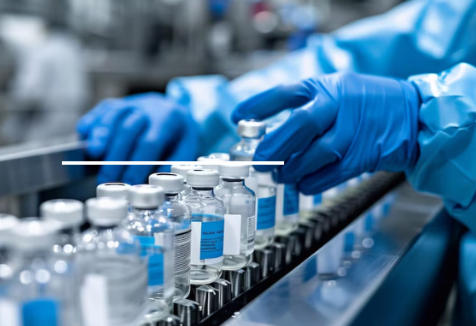
China is one of the world's most significant producers of pharmaceutical machinery. With decades of manufacturing expertise and competitive production costs, Chinese Pharmaceutical Equipment Manufacturers and Suppliers such as Everheal have become essential partners to Middle Eastern facilities.
- Cost efficiency: Chinese manufacturers deliver high-quality solutions at globally competitive prices.
- Customization: Flexibility to adapt product designs for local production needs.
- Technology transfer: Collaboration models that include training, installation, and operator education.
- After-sales service: Growing number of service centers and technical representatives in GCC countries.
Such collaboration helps Middle Eastern pharmaceutical firms scale faster, reduce cost barriers, and align with global manufacturing standards.
The next generation of Pharmaceutical Equipment Manufacturers and Suppliers in the Middle East are moving quickly toward digital transformation and sustainability.
Some notable trends include:
- Automation and robotics: Robotic filling, sealing, and inspection systems enhance precision and minimize contamination risk.
- Data-driven manufacturing: Use of smart sensors for predictive maintenance and real-time monitoring of critical parameters.
- Energy optimization: Systems designed to minimize water and power consumption while maintaining sterilization efficiency.
- Validation and compliance software: Integration of electronic documentation systems for GMP auditing and traceability.
These innovations are driving operational excellence while ensuring adherence to strict pharmaceutical regulations.
Water and steam systems are critical in every pharmaceutical operation — used in drug formulation, cleaning, and sterilization.
Reliable pure water preparation systems and pure steam generators ensure contaminants are minimized, protecting both product quality and patient safety.
- Purified water (PW): Serves in non-sterile product formulation and equipment cleaning.
- Water for injection (WFI): Used in the manufacture of parenteral drugs.
- Pure steam: Applied for sterilizing process equipment, tanks, and distribution lines.
Manufacturers like Everheal design these systems for continuous monitoring, ensuring that final water quality always meets European and U.S. Pharmacopoeia limits. Automated sanitization cycles and stainless-steel pipelines reduce bacterial risk and enhance efficiency.
Developing a new pharmaceutical plant or retrofitting an existing one demands strong coordination between the Pharmaceutical Equipment Manufacturers and Suppliers, construction teams, and quality assurance departments.
The process generally includes:
1. Design qualification (DQ): Compliance with layout and process flow.
2. Installation qualification (IQ): Verification of installation against manufacturer specifications.
3. Operational qualification (OQ): Testing to ensure performance accuracy.
4. Performance qualification (PQ): Demonstration that the process achieves expected results consistently.
Companies like Everheal integrate these qualification steps into their project management framework, ensuring full GMP documentation and traceability.
While the region continues to grow, some challenges remain:
- Regulatory diversity: Standards vary slightly among GCC, Levant, and North African regions.
- Infrastructure gaps: Some markets still depend on imported equipment installation teams.
- Talent shortage: Demand for trained equipment operators and validation engineers exceeds current supply.
- Supply chain disruptions: Global shipping and raw material delays can affect project timelines.
Addressing these issues requires long-term collaboration, investment in training, and diversification of manufacturing bases near major logistics hubs.
The outlook for Pharmaceutical Equipment Manufacturers and Suppliers in the Middle East is highly positive. Countries like Saudi Arabia, UAE, and Egypt are actively promoting pharmaceutical self-sufficiency and biotech innovation.
With a growing emphasis on quality assurance and sustainability, the next decade will likely see more advanced, automated, and eco-friendly equipment dominating regional demand.
Companies that focus on customer-centric engineering, rapid installation, and regulatory expertise — such as Everheal — will continue to lead in both project delivery and client satisfaction.
The Middle East has emerged as a pivotal region for global Pharmaceutical Equipment Manufacturers and Suppliers. Its expanding healthcare infrastructure, regulatory reforms, and investment-friendly climate make it fertile ground for technological collaboration.
Among international providers, Everheal stands out for its comprehensive solutions in purified water systems, pure steam generation, liquid filling and sealing, and sterilization technologies. With its deep engineering experience and commitment to quality, Everheal continues to support Middle Eastern pharmaceutical companies in achieving GMP compliance and global production excellence.
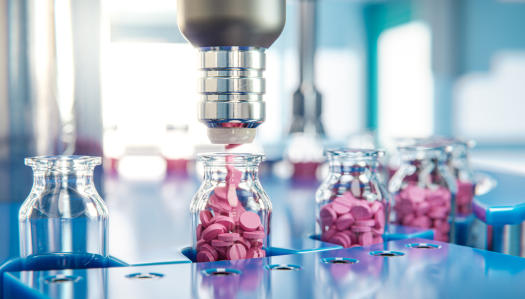
Pharmaceutical production involves purified water systems, steam generators, filling and sealing machines, sterilization units, and cleanroom HVAC systems. These components ensure drug safety, precision, and compliance with global GMP standards.
Water and steam directly affect product quality and sterility. Systems that produce water for injection and pure steam help eliminate contaminants, ensuring clean, chemically stable formulations.
Chinese Pharmaceutical Equipment Manufacturers and Suppliers like Everheal provide cost-effective, automated production lines and technical support, helping regional companies meet international standards efficiently.
Key factors include regulatory compliance (GMP, ISO), system reliability, energy efficiency, automation capability, after-sales service, and supplier experience with large-scale installations.
Future trends include higher automation, AI-based monitoring, energy-efficient designs, and integrated validation management systems that simplify compliance across production processes.


