Content Menu
● Understanding What a HEPA Air Filter Does
● Why HEPA Air Filter Maintenance Matters
● Factors Affecting HEPA Air Filter Replacement Frequency
>> 1. Environmental Conditions
>> 2. Filter Location and Application
>> 3. Pre-Filtration Efficiency
>> 4. Operating Hours
>> 5. Cleanroom Classification
● Typical Replacement Intervals for HEPA Air Filters
● Signs That Indicate It's Time To Replace Your HEPA Air Filter
● How To Monitor HEPA Filter Performance
>> 1. Differential Pressure Gauges
>> 2. Airflow Measurement
>> 3. Particle Counting
>> 4. Integrity (Leak) Testing
>> 5. Scheduled Validation
● The Importance of Professional Installation and Replacement
● Benefits of Regular HEPA Air Filter Replacement
● Best Practices For HEPA Filter Maintenance
● How Everheal Supports Your HEPA Filtration Needs
● Conclusion
● FAQ: HEPA Air Filter Replacement Guide
>> 1. How often should HEPA Air Filters be replaced in pharmaceutical facilities?
>> 2. What happens if I delay HEPA Air Filter replacement?
>> 3. How can I tell if my HEPA Air Filter is failing?
>> 4. Are HEPA Air Filters washable or reusable?
>> 5. Who should replace a HEPA Air Filter?
High-Efficiency Particulate Air (HEPA) filters play a crucial role in maintaining clean production environments in industries like pharmaceuticals, medical devices, and food processing. In pharmaceutical applications, where sterility and purity directly affect product quality and patient safety, knowing how often to change a HEPA Air Filter is vital. Regular replacement not only ensures reliable air purification but also improves system efficiency, lowers contamination risks, and extends the lifespan of connected equipment.
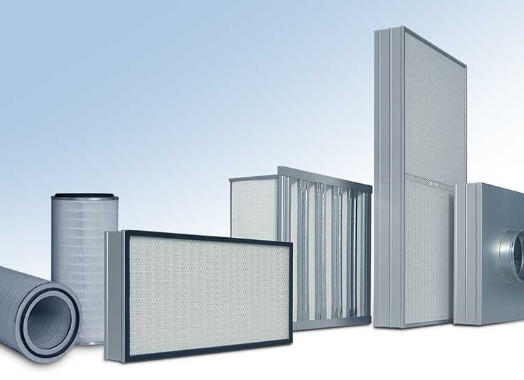
Understanding What a HEPA Air Filter Does
A HEPA Air Filter is engineered to capture at least 99.97% of airborne particles as small as 0.3 microns, including dust, bacteria, and aerosols. This exceptional efficiency makes HEPA filters indispensable in cleanrooms, laboratories, and production areas where even minute contamination can jeopardize operations.
In pharmaceutical and biotechnology facilities, HEPA filters are used in several key locations:
- Air handling units (AHUs) supplying cleanrooms.
- Laminar flow hoods and biosafety cabinets.
- HVAC systems integrated into sterile zones.
- Isolators, autoclaves, and filling line environments.
By maintaining particle-free air, a HEPA Air Filter supports compliance with GMP (Good Manufacturing Practice) regulations and international standards such as ISO 14644 for cleanroom classification.
Why HEPA Air Filter Maintenance Matters
Just like any filtration medium, a HEPA Air Filter gradually accumulates particulate matter during its operation. Over time, dust and aerosols clog the fine fibers inside the filter, leading to:
- Increased air pressure drop across the filter.
- Reduced airflow and system efficiency.
- Potential bypass of contaminants.
- Higher energy consumption by fans or blowers.
Ignoring proper maintenance can lead to unsafe air conditions and compromised product integrity. Hence, establishing a preventive maintenance schedule—particularly knowing how often to change HEPA Air Filters—is critical for operational reliability.
Factors Affecting HEPA Air Filter Replacement Frequency
The lifespan of a HEPA Air Filter depends on a combination of environmental, operational, and design-related factors. No single rule applies to all systems, but understanding key influences helps determine an optimal replacement schedule.
1. Environmental Conditions
The amount of airborne particulate matter determines how quickly a filter loads. Facilities in regions with high dust, humidity, or biological contamination typically require more frequent HEPA filter replacement.
2. Filter Location and Application
Filters used in the final stage of cleanroom air supply systems or sensitive equipment like filling machines experience higher operational demand than those in pre-filtration zones. Consequently, terminal filters need closer monitoring.
3. Pre-Filtration Efficiency
The performance of pre-filters directly affects HEPA filter lifespan. Efficient pre-filters trap larger dust particles before they reach the HEPA layer, thereby extending the main filter's service life.
4. Operating Hours
Facilities with continuous 24/7 operations put greater stress on air filtration systems. Longer operating hours accelerate filter loading, reducing replacement intervals.
5. Cleanroom Classification
Higher cleanroom classifications (e.g., ISO Class 5) demand stricter control, often requiring HEPA filters to be replaced or validated more frequently to ensure compliance.

Typical Replacement Intervals for HEPA Air Filters
While manufacturers provide baseline recommendations, actual replacement frequency should be adjusted based on pressure drop data, particle counts, and validation results. Below are general industry guidelines:
| Application | Typical Replacement Frequency | Notes |
| Pharmaceutical cleanrooms | Every 1–3 years | Depends on monitoring and validation data |
| Hospital operating rooms | Every 2–4 years | Regular airflow testing required |
| Laboratory biosafety hoods | Every 1–2 years | Based on safety cabinet certification cycles |
| HVAC systems (office or non-sterile space) | Every 6–12 months | Less critical but still requires regular inspection |
| Manufacturing filling lines | Every 12–18 months | Frequent particle and airflow tests recommended |
In a typical pharmaceutical production line, it is best practice to replace HEPA filters after any of the following conditions occur:
- Pressure drop exceeds design limits (usually 250–300 Pa).
- Physical damage to the filter media.
- Microbial contamination detected.
- Failure during integrity (DOP/PAO) testing.
Signs That Indicate It's Time To Replace Your HEPA Air Filter
To prevent downtime or quality defects, maintenance teams should monitor key warning signs that signal filter replacement:
- Increased pressure differential: A rising differential pressure across the filter housing suggests clogging.
- Reduced airflow velocity: Lower air volume or uneven distribution may indicate blockage.
- Visible dirt accumulation: Dust, discoloration, or spots near filter edges signal contamination.
- Failed integrity test: If the filter fails DOP (Dispersed Oil Particulate) or PAO (Poly Alpha Olefin) test, it must be replaced immediately.
- Odor or contamination complaints: In cleanroom environments, air-borne contaminants can affect both product and staff comfort.
Routine inspections combined with automated monitoring systems ensure that HEPA Air Filters are replaced at the right time, avoiding both premature replacement and performance failures.
How To Monitor HEPA Filter Performance
Monitoring systems are essential for determining how often to change a HEPA Air Filter. Effective performance tracking includes the following methods:
1. Differential Pressure Gauges
Installed across the filter, these gauges measure pressure drop. A rising trend in pressure indicates dust accumulation. When the reading reaches the recommended maximum, replacement is necessary.
2. Airflow Measurement
Flow hoods or anemometers are used to verify laminarity and airflow uniformity. Significant deviation from baseline performance suggests a clogged or damaged filter.
3. Particle Counting
Regular airborne particle testing in cleanrooms ensures air cleanliness levels remain within specifications. Increase in particle counts can imply decreased HEPA filter efficiency.
4. Integrity (Leak) Testing
Using aerosol challenge tests like DOP or PAO, technicians examine whether air leaks bypass the filter medium. Filters showing leakage beyond 0.01% are typically replaced immediately.
5. Scheduled Validation
In GMP-regulated environments, HEPA filters must undergo periodic validation and requalification—usually every 6 or 12 months—to confirm performance remains compliant.
The Importance of Professional Installation and Replacement
Changing a HEPA Air Filter is not just about swapping components—it requires careful attention to technical and sanitary details. Improper replacement can lead to air leaks, particle shedding, or microbial intrusion.
Professional replacement ensures:
- Correct orientation and sealing of the filter.
- Validation through smoke or aerosol test post-installation.
- Documentation traceability for GMP or ISO audits.
- Safe disposal of used filters preventing contamination spread.
At Everheal, we emphasize professional-grade service—from filter installation to cleanroom validation—to ensure pharmaceutical systems maintain peak performance.
Benefits of Regular HEPA Air Filter Replacement
Implementing a consistent filter maintenance plan brings measurable operational advantages:
- Enhanced product quality: Reduced risk of airborne contamination ensures consistent purity standards.
- Energy efficiency: Clean filters allow optimal airflow, lowering HVAC energy consumption.
- Equipment protection: Prevents dust buildup inside critical systems and prolongs equipment life.
- Regulatory compliance: Routine change and documentation fulfill GMP and ISO requirements.
- Workplace safety: Ensures a healthy environment for workers by minimizing microbial exposure.
These benefits demonstrate why neglecting filter replacement can be more expensive than regular maintenance.
Best Practices For HEPA Filter Maintenance
To maximize the performance and lifespan of your HEPA Air Filters, follow these best practices:
1. Keep accurate maintenance records including installation date, test results, and pressure readings.
2. Replace pre-filters regularly to relieve the load on HEPA filters.
3. Use properly packaged and certified filters from reliable brands.
4. Conduct post-replacement performance testing every time a new filter is installed.
5. Schedule preventive maintenance aligned with operational cycles to avoid unexpected downtime.
When implemented systematically, these steps minimize contamination risks and ensure consistent cleanroom efficiency.
How Everheal Supports Your HEPA Filtration Needs
Everheal, as a leading provider of pharmaceutical water systems, pure steam generators, and sterilization equipment, also delivers integrated air purification and cleanroom design solutions. Our engineering teams assist clients globally by providing:
- Custom cleanroom HVAC design for pharmaceutical, biotech, and healthcare sectors.
- HEPA Air Filter validation services using DOP and aerosol integrity testing.
- Optimized maintenance plans to determine ideal filter replacement cycles.
- Training programs for facility staff on air filtration management.
By combining advanced filtration technology with decades of pharmaceutical equipment expertise, Everheal ensures your operations remain compliant, productive, and contamination-free.
Conclusion
Determining how often to change HEPA Air Filters depends on environmental factors, usage intensity, and regulatory requirements. However, as a rule of thumb, filters should be replaced every 1–3 years in pharmaceutical applications or sooner if performance data indicates degradation. Regular monitoring, integrity testing, and professional maintenance are essential to preserve system reliability and product safety. Partnering with experts like Everheal ensures you maintain cleanroom standards while optimizing operational costs and regulatory compliance.
FAQ: HEPA Air Filter Replacement Guide
1. How often should HEPA Air Filters be replaced in pharmaceutical facilities?
Typically every 1–3 years, depending on validation results, pressure drop readings, and operational intensity.
2. What happens if I delay HEPA Air Filter replacement?
Delayed replacement can cause insufficient airflow, system inefficiency, contamination risks, and potential regulatory noncompliance.
3. How can I tell if my HEPA Air Filter is failing?
Warning signs include increased pressure differential, uneven airflow, failed DOP/PAO test, or rising particle counts within the controlled environment.
4. Are HEPA Air Filters washable or reusable?
No. Genuine HEPA filters are not designed for washing or reuse. Washing may damage the fibers and reduce filtration efficiency.
5. Who should replace a HEPA Air Filter?
Replacement should always be performed by trained professionals following cleanroom protocols to avoid contamination and ensure sealing integrity.


