Content Menu
● What Is a HEPA Air Filter?
● Why HEPA Air Filters Matter in Pharmaceutical Production
● Factors That Influence HEPA Air Filter Prices
>> 1. Filter Grade and Performance Level
>> 2. Filter Size and Dimensions
>> 3. Materials and Build Quality
>> 4. Customization and Certifications
>> 5. Supplier and Origin
● Average Cost of HEPA Air Filters
● HEPA Air Filter Applications in Everheal Systems
● Maintenance and Replacement of HEPA Air Filters
>> Typical Maintenance Schedule
>> Cost of Replacement
● How to Choose the Right HEPA Air Filter
● Cost-Saving Tips When Buying HEPA Filters
● The Role of HEPA Filters in Sustainable Manufacturing
● Conclusion
● FAQs about HEPA Air Filters
>> 1. What does HEPA mean?
>> 2. How often should HEPA filters be replaced?
>> 3. Can HEPA filters remove viruses?
>> 4. Are HEPA air filters washable?
>> 5. What industries use HEPA filters?
In modern manufacturing and pharmaceutical industries, maintaining a clean and sterile environment is essential. One of the most critical components in this process is the HEPA air filter. Whether you are operating a cleanroom, pharmaceutical production facility, or laboratory, a HEPA filter ensures the air remains free of contaminants that may compromise product quality or safety.
This article will explore the cost of HEPA air filters, what affects their pricing, and how to choose the right model for your system. At the end, we'll also address some common FAQs about HEPA filters to help you make a well-informed decision.
What Is a HEPA Air Filter?
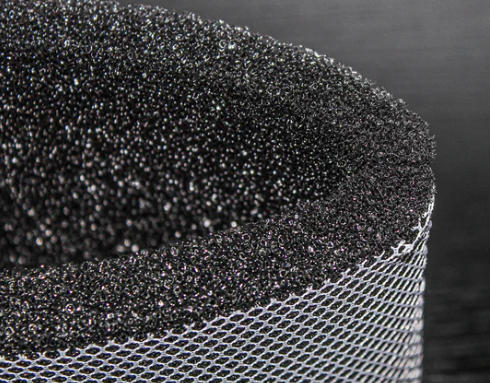
A HEPA (High Efficiency Particulate Air) filter is a type of air filtration system designed to remove 99.97% of airborne particles that are 0.3 microns in size. These particles include dust, pollen, mold, bacteria, and even certain viruses. In professional applications such as pharmaceutical cleanrooms, biotechnology labs, or medical device production, HEPA filters ensure air purity at extremely high levels.
For companies like Everheal, that specialize in pharmaceutical water systems, filling machines, and sterilization equipment, the HEPA filter is a key component ensuring product quality and regulatory compliance.
Why HEPA Air Filters Matter in Pharmaceutical Production
The pharmaceutical industry is one of the strictest when it comes to air quality. Even tiny airborne contaminants can cause batch failures or regulatory violations. A properly installed HEPA air filter system helps maintain GMP (Good Manufacturing Practice) standards by providing:
- Sterile air environments – Essential for aseptic filling and sealing operations.
- Protection of product integrity – Avoids cross-contamination during production.
- Compliance with cleanroom classifications – Required by international standards such as ISO 14644-1.
- Consistent performance and reliability – Essential for long-term equipment operation.
For example, in Everheal's sterile filling and sealing machines or pure water generation systems, HEPA air filters ensure that any air entering the system or production area is completely purified.
Factors That Influence HEPA Air Filter Prices
The price of a HEPA air filter can vary widely based on several key factors. Understanding these variables will help you assess your needs and budget effectively.
1. Filter Grade and Performance Level
HEPA filters come in various grades, from H10 up to H14, according to the EN 1822 standard. The higher the grade, the better its efficiency and the higher its cost.
- H10–H12 filters: Moderate efficiency, suitable for general clean air applications.
- H13–H14 filters: High efficiency (up to 99.995%), used for pharmaceutical and medical equipment.
2. Filter Size and Dimensions
Larger filters naturally cost more due to higher material usage. Filters designed for full-scale cleanrooms or production areas require greater airflow capacity and structural strength.
3. Materials and Build Quality
Frames can be made from aluminum, stainless steel, or galvanized steel, while filter media are often fiberglass or PTFE membrane-based. High-end units built with corrosion-resistant materials cost more but provide longer service life.
4. Customization and Certifications
Pharmaceutical-grade filters often require validation certificates, integrity testing, and documentation. Custom-built filters designed to integrate with specific sterile systems or hybrid HVAC units are more expensive.
5. Supplier and Origin
Costs vary depending on the manufacturer's geographic location, production scale, and reputation. Chinese manufacturers like Everheal offer highly competitive prices while meeting international standards such as GMP, ISO, and CE.
Average Cost of HEPA Air Filters
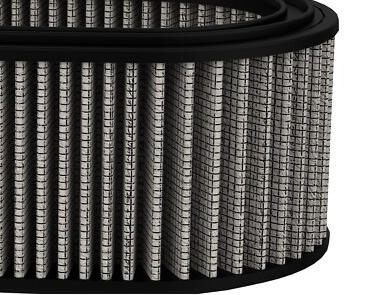
On average, the cost of HEPA air filters ranges between USD 50 and USD 1,000, depending on the application:
| Application Type | Typical HEPA Filter Cost Range (USD) | Description |
| Household or office air purifiers | $50 – $150 | Standard size and general-purpose efficiency. |
| Laboratory clean bench or biosafety cabin | $150 – $400 | Medium-duty filters designed for sterile airflow. |
| Cleanroom HVAC modules | $300 – $700 | High-efficiency units integrated with large air systems. |
| Pharmaceutical-grade process filter | $500 – $1,000 | Ultra-high-efficiency filters certified for GMP compliance. |
For a pharmaceutical factory, HEPA filters are a long-term investment—not only in air quality but also in product integrity and production safety.
HEPA Air Filter Applications in Everheal Systems
At Everheal, HEPA filters are integrated into multiple systems designed for sterile and high-purity operations, including:
- Pure steam generators – Maintaining sterile vapor conditions.
- Purified water systems – Ensuring no microbial or particulate contamination.
- Multi-effect distillation units – Providing clean distillate for pharmaceutical use.
- Liquid filling and sealing machines – Operating in ISO-class cleanrooms.
- Sterilization systems – Protecting cycles from airborne intrusion.
By using pharmaceutical-grade HEPA filters, Everheal ensures the air handling systems of its production lines meet global GMP and FDA standards. This makes them suitable for global clients in Europe, Asia, and the Americas.
Maintenance and Replacement of HEPA Air Filters
Even the best HEPA air filter loses efficiency over time due to particle accumulation. Regular inspection and replacement keep systems operating effectively.
Typical Maintenance Schedule
- Inspection frequency: Every 3–6 months.
- Replacement interval: Every 1–2 years (depending on hours of operation).
- Testing method: Integrity or leak testing using photometers or aerosol challenge.
Regular maintenance ensures optimal airflow, reduces energy consumption, and prevents contamination.
Cost of Replacement
Replacement filters cost between USD 100 and USD 600 depending on the filter's grade, size, and documentation requirements. For industrial clients, purchasing from a consistent supplier like Everheal ensures uniform quality and compatible dimensions.
How to Choose the Right HEPA Air Filter
Selecting the correct HEPA air filter for your business depends on several factors. Here's how to get it right:
1. Identify the cleanroom classification – ISO 5, 6, or 7 environments require specific filter efficiencies.
2. Determine airflow rate and system pressure – Match filter specifications to your ventilation or HVAC system.
3. Choose appropriate filter materials – Stainless steel frames and PTFE membranes suit pharmaceutical settings.
4. Consider certification and documentation – Ensure filters come with test reports, DOP/PAO test results, and certifications.
5. Work with reliable manufacturers – Companies like Everheal provide full customization and testing support.
Cost-Saving Tips When Buying HEPA Filters
While quality should never be sacrificed, there are ways to manage costs effectively:
- Buy in bulk – Large orders lower per-unit cost.
- Maintain system regularly – Clean pre-filters to extend HEPA lifespan.
- Optimize airflow design – Proper cleanroom layout reduces total filtration needs.
- Choose local suppliers – Reduces import and logistics costs.
- Use certified replacements – Avoid counterfeits that cause efficiency loss.
The Role of HEPA Filters in Sustainable Manufacturing
Beyond safety and compliance, HEPA air filters contribute to sustainability efforts. Modern designs feature energy-efficient low-pressure-drop filters that reduce overall HVAC energy consumption. Manufacturers like Everheal are adopting eco-friendly materials and longer-lasting membranes to reduce waste and carbon footprint in pharmaceutical production.
Conclusion
A HEPA air filter isn't just a piece of equipment—it's a safeguard for quality, safety, and regulatory compliance in modern industry. Prices vary depending on size, grade, material, and certification, ranging from $50 for small models to $1,000 or more for pharmaceutical-grade versions.
Investing in reliable HEPA filtration ensures your production remains contamination-free while optimizing energy efficiency. For companies like Everheal, integrating high-quality HEPA air filters into water treatment, filling, and sterilizing systems guarantees the highest purity standards across global pharmaceutical operations.
FAQs about HEPA Air Filters
1. What does HEPA mean?
HEPA stands for High Efficiency Particulate Air, indicating a filter capable of removing 99.97% of particles as small as 0.3 microns.
2. How often should HEPA filters be replaced?
In industrial or cleanroom settings, HEPA filters are typically replaced every 12–24 months, depending on usage hours and contamination levels.
3. Can HEPA filters remove viruses?
Yes, many HEPA filters capture viral particles attached to droplets or aerosols, making them effective in infection control and pharmaceutical clean zones.
4. Are HEPA air filters washable?
Most true HEPA filters are not washable. Washing can damage the fine fibers and reduce efficiency. Only pre-filters or reusable models should be cleaned.
5. What industries use HEPA filters?
HEPA filters are widely used in pharmaceutical production, electronics manufacturing, hospitals, laboratories, food processing, and biotech cleanrooms.


