Content Menu
● Understanding the Basics of Air Filtration
● What Is a Washable Air Filter?
● How Do Washable Air Filters Work?
● The Benefits of Using Washable Air Filters
>> 1. Cost Efficiency
>> 2. Environmental Friendliness
>> 3. Consistent Air Quality
>> 4. Adaptability for Various Applications
● Limitations of Washable Air Filters
>> 1. Lower Filtration Efficiency
>> 2. Maintenance Requirements
>> 3. Drying Time and Reinstallation
>> 4. Material Degradation
● Comparing Washable vs. Disposable Air Filters
● Washable Air Filters in Pharmaceutical and Industrial Environments
● Choosing the Right Washable Air Filter
● Cleaning and Maintenance Best Practices
● Energy Efficiency and Cost Analysis
● Technological Innovations in Washable Air Filters
● Conclusion
● FAQ: Washable Air Filter (Top 5 Questions)
>> 1. How often should a washable air filter be cleaned?
>> 2. Are washable air filters as effective as HEPA filters?
>> 3. Can I use a washable air filter in a humid or damp environment?
>> 4. How long does a washable air filter last?
>> 5. Are washable air filters worth the cost?
In today's world of health-conscious consumers and efficiency-driven industries, the need for cleaner indoor air is greater than ever. Washable air filters have emerged as a popular alternative to disposable filters, promising long-term cost savings, sustainability, and convenience. But the real question is—how good are washable air filters compared to conventional types? Are they effective enough for commercial, industrial, and pharmaceutical environments where air purity is critical?
This article explores the technology, performance, and practical considerations of washable air filters, with insights into their advantages, limitations, and ideal applications.
Understanding the Basics of Air Filtration
Air filtration is a key process in maintaining a clean environment, whether it's in a household HVAC system, an industrial workshop, or a pharmaceutical manufacturing facility. In essence, air filters capture airborne contaminants such as dust, pollen, mold spores, bacteria, or volatile organic compounds.
There are several types of air filters available on the market, including:
- Fiberglass disposable filters
- Pleated filters
- Activated carbon filters
- HEPA filters
- Washable air filters
Among these, washable air filters have gained attention for their reusability and eco-friendliness, making them an appealing option to both homeowners and industries that prioritize sustainability.
What Is a Washable Air Filter?
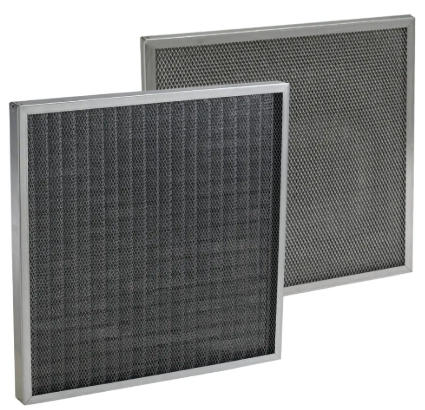
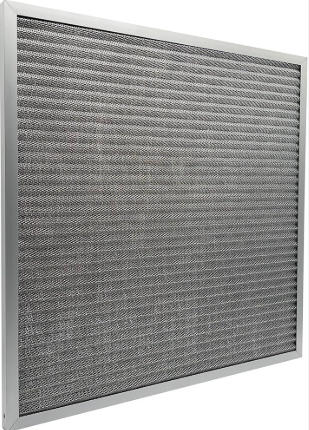
A washable air filter is a reusable filtration device typically made from synthetic fibers, aluminum mesh, or electrostatic materials. Unlike disposable filters, which are discarded after use, washable variants can be cleaned and reused multiple times.
These filters are designed to trap large and medium-sized particles, improving air quality while reducing waste generation. In technical environments like pharmaceutical facilities, washable air filters can be integrated into larger air-handling units for pre-filtration before finer stages, protecting sensitive equipment and maintaining operational hygiene.
How Do Washable Air Filters Work?
Washable air filters use a layered design to trap dust, lint, and other airborne particles. Depending on their construction:
- Electrostatic filters generate static electricity that attracts and traps dust.
- Mechanical filters use dense mesh layers to physically block particulates.
- Multi-layer filters combine metal mesh and synthetic fibers for improved efficiency.
In most HVAC systems, air passes through the filter, where contaminants are captured by static or physical forces. Once saturated, the filter is cleaned (typically with water and mild detergent), dried thoroughly, and reinstalled.
The Benefits of Using Washable Air Filters
1. Cost Efficiency
One of the most significant advantages of washable air filters is long-term cost savings. While the upfront price may be higher than disposable filters, washable models can last up to 5–10 years if maintained properly. This durability often offsets the recurring cost of replacements.
2. Environmental Friendliness
Disposable filters contribute to landfill waste, especially in large industrial or commercial setups that replace filters regularly. Washable air filters, in contrast, reduce waste production and support green manufacturing initiatives. For companies working under strict environmental policies, such as pharmaceutical or medical device manufacturing, this is an important sustainability advantage.
3. Consistent Air Quality
When properly maintained, washable air filters deliver consistent filtration performance. Regular cleaning ensures that airflow remains unrestricted, which keeps HVAC systems efficient and reduces energy consumption.
4. Adaptability for Various Applications
Washable air filters are suitable for different environments, including:
- Residential HVAC systems
- Office buildings and hospitals
- Food and pharmaceutical plants
- Laboratories and cleanroom entry systems
In manufacturing settings like those served by Everheal, where humidity, temperature, and air purity must be tightly controlled, washable filters can serve as pre-filters before more advanced purification systems such as HEPA or ULPA filters.
Limitations of Washable Air Filters
Despite their many advantages, washable air filters are not perfect for every situation.
1. Lower Filtration Efficiency
Compared to HEPA filters, washable filters typically capture larger particles (around 5–10 microns). This means they are less efficient at trapping microscopic contaminants such as viruses or ultrafine dust. For settings requiring sterile air—like pharmaceutical filling and packaging lines—a combination of washable pre-filters and high-efficiency final filters is recommended.
2. Maintenance Requirements
To remain effective, washable air filters must be cleaned regularly. Neglecting maintenance can lead to bacterial buildup, mold growth, or reduced airflow—potentially compromising air quality rather than improving it.
3. Drying Time and Reinstallation
After washing, filters must be dried completely before reuse. Reinstalling them while damp can lead to mold or corrosion issues within HVAC units.
4. Material Degradation
Over years of repeated washing and drying, metal mesh and synthetic fibers may degrade, reducing filtration capacity and mechanical integrity.
Comparing Washable vs. Disposable Air Filters
Feature | Washable Air Filter | Disposable Air Filter |
Lifespan | 5–10 years | 1–3 months |
Initial Cost | Higher | Lower |
Maintenance | Regular washing required | No maintenance |
Filtration Efficiency | Moderate (up to MERV 8–10) | Can be higher (MERV 13–16 or more) |
Environmental Impact | Reusable and sustainable | Waste-generating |
Best Use | Homes, commercial pre-filters, industrial facilities | Critical cleanrooms, hospitals, and sterile manufacturing |
From this comparison, we can see that washable air filters excel in cost, sustainability, and longevity, while disposable filters lead in high-efficiency filtration for sensitive applications.
Washable Air Filters in Pharmaceutical and Industrial Environments
Companies like Everheal understand the significance of clean air in pharmaceutical and biotech settings. Washable air filters serve an important role in pre-filtration stages, where they capture large contaminants before air passes through finer filtration units.
In applications such as:
- Purified water generation rooms
- Sterilization chambers
- Liquid filling and sealing equipment rooms
- Distillation units
air filtration ensures product safety and compliance with GMP (Good Manufacturing Practice) standards. Properly maintained washable air filters can enhance system efficiency and protect downstream equipment from dust accumulation, reducing the need for frequent deep cleanings.
Choosing the Right Washable Air Filter
When selecting a washable air filter, key performance parameters to evaluate include:
1. Material composition – Aluminum mesh or synthetic electrostatic fibers.
2. Filter rating (MERV) – Typically between MERV 6 and 10 for washable types.
3. Frame durability – Corrosion-resistant frames made of stainless steel or anodized aluminum extend lifespan.
4. Airflow resistance – Low pressure drop ensures HVAC efficiency.
5. Maintenance frequency – Depending on environment and dust load.
Industries with strict hygiene requirements often combine washable filters for preliminary stages and HEPA filters for final purification to balance cost, performance, and cleanliness.
Cleaning and Maintenance Best Practices
To ensure durability and performance:
1. Inspect regularly – Check filters every 2–3 weeks for visible dirt or residue.
2. Use mild cleaning agents – Avoid harsh chemicals that corrode metal mesh.
3. Dry thoroughly – Ensure complete drying to prevent microbial growth.
4. Record maintenance schedules – Especially important for GMP-compliant industries.
5. Replace when necessary – Even washable filters eventually wear out.
Regular maintenance not only prolongs lifespan but also maintains consistent airflow, lowering energy consumption across HVAC systems.
Energy Efficiency and Cost Analysis
Clean air filters significantly affect HVAC energy consumption. Clogged or neglected washable filters can increase energy use by forcing fans to work harder, raising operational costs. However, when maintained properly, washable filters maintain stable pressure levels, resulting in:
- 10–15% reduction in energy costs
- Lower carbon emissions
- Extended HVAC equipment lifespan
These benefits make washable air filters an economically and environmentally wise option for long-term facility operations.
Technological Innovations in Washable Air Filters
The future of washable air filters lies in smart filtration technologies, including:
- Self-indicating filters with sensors that signal cleaning needs.
- Nanofiber-coated meshes for improved particle capture.
- Antimicrobial coatings that prevent bacterial growth after cleaning.
- Automated cleaning systems integrated into large-scale air handling units.
Such innovations enhance usability, particularly for pharmaceutical and food industries that demand both hygiene and efficiency.
Conclusion
So, how good are washable air filters? The answer depends on the environment and expectations. For general use, washable filters offer impressive advantages—durability, reusability, and ecological benefits—making them a practical choice for most HVAC systems. They shine in pre-filtration stages of industrial and pharmaceutical air systems, balancing cost and performance effectively.
However, they are not a one-size-fits-all solution. In environments where microscopic contaminant control is crucial, washable air filters must be paired with high-efficiency secondary filters. With proper care and system integration, they can significantly enhance air quality, reduce operational costs, and contribute to sustainable facility management.
FAQ: Washable Air Filter (Top 5 Questions)
1. How often should a washable air filter be cleaned?
It depends on the environment. In residential systems, cleaning every 1–3 months is sufficient. For industrial or pharmaceutical setups, inspections every two weeks help maintain high efficiency.
2. Are washable air filters as effective as HEPA filters?
No, washable filters typically have lower efficiency ratings (MERV 6–10) compared to HEPA filters (99.97% efficiency). They are best used as pre-filters rather than final filtration stages.
3. Can I use a washable air filter in a humid or damp environment?
Yes, but filters must be fully dried after washing to avoid mold growth. In humid climates, consider filters with corrosion-resistant frames.
4. How long does a washable air filter last?
With proper maintenance, washable filters can last between 5 and 10 years. Over time, mechanical wear or material degradation may require replacement.
5. Are washable air filters worth the cost?
Absolutely. Although their initial cost is higher, the long-term savings in replacement filters and waste reduction make washable air filters a sound, cost-effective investment.


