Content Menu
● Why CPAP Machines Need Distilled Water
● What “Expired” Distilled Water Really Means
● When Unopened Expired Distilled Water Is Acceptable
● Why Long‑Opened Distilled Water Is Risky in CPAP
● Simple Rules for Expired Distilled Water in CPAP
● Better Short‑Term Alternatives When Distilled Water Is Unavailable
● How a Multi Function Distillation Water Machine Supports CPAP Safety
● Best Practices for Storing Distilled Water for CPAP
● Cleaning the CPAP Humidifier After Using Questionable Water
● When to Discard Distilled Water Without Hesitation
● How Everheal‑Style Solutions Help Healthcare Projects
● Conclusion
● FAQ
>> 1. How long can I safely use an opened bottle of distilled water for CPAP?
>> 2. Is expired but unopened distilled water still safe for CPAP?
>> 3. What should I do if I accidentally used tap water in my CPAP?
>> 4. Can I use home‑distilled water instead of store‑bought distilled water?
>> 5. How does a Multi Function Distillation Water Machine benefit CPAP water management in hospitals?
● Citations:
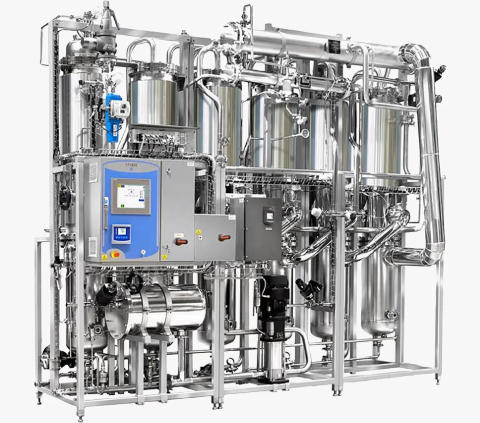
Using expired distilled water in a CPAP machine is sometimes acceptable, but only under specific conditions. Unopened, properly stored distilled Distillation Water Machinethat is past its printed date is usually still safe for CPAP use, while long‑opened or poorly stored water should be avoided. For long‑term health and equipment protection, fresh distilled water remains the best choice.
Why CPAP Machines Need Distilled Water
Distilled water is produced by boiling water and condensing the steam, which removes dissolved minerals, salts, and most microorganisms. This helps prevent mineral scale, internal corrosion, and biofilm formation inside the CPAP humidifier chamber. Over time, tap or mineral water causes limescale deposits on the heater plate and tank, which can reduce humidification efficiency and create surfaces where microbes can grow.
Because CPAP humidifiers warm and aerosolize water, any impurities or microbial contamination can be carried directly into the user's airways. Using distilled water therefore protects both the machine and the patient, supporting stable pressure delivery and reducing the frequency of descaling, part replacement, and deep disinfection.
What “Expired” Distilled Water Really Means
Most commercial distilled water bottles carry a “best before” or expiration date, commonly in the range of 2–5 years. This date often relates more to packaging and regulatory requirements than to the water itself. In a sealed, non‑reactive container stored correctly, distilled water remains chemically stable and free of microorganisms for very long periods.
However, once the seal is broken, the situation changes. Opening exposes the water to air, dust, hands, funnels, and the spout of the CPAP tank. With repeated use over time, microbes and fine particles can enter the bottle and slowly accumulate. The water may still look clear, but its microbiological quality can decline, particularly if the bottle is stored in a warm room and opened daily.
From a high‑purity water engineering perspective, this is exactly why industrial and pharmaceutical facilities treat “point of use” and storage conditions as seriously as the initial distillation step. The same mindset helps CPAP users judge whether expired water is still acceptable.
When Unopened Expired Distilled Water Is Acceptable
In many cases, a bottle of distilled water that is slightly past its labeled date but still factory‑sealed can be used safely in a CPAP machine. Several practical checks help determine this:
- The tamper‑evident seal and cap are intact, with no signs of opening or damage.
- The bottle has been stored in a cool, dark, and dry place, away from strong odors and chemicals.
- The container shows no deformation, cracking, discoloration, or swelling.
- The water is crystal‑clear, with no floating particles, sediment, cloudiness, or off‑odors.
Industrial‑grade water systems in pharmaceutical plants, including a Multi Function Distillation Water Machine, are designed to produce water of comparable or higher purity to commercial bottled distilled water. When such water is filled into proper containers and stored correctly, its chemical and microbial stability over long periods is excellent. For CPAP use, a sealed bottle behaving like this is usually more trustworthy than a bottle that has been open for months.
Why Long‑Opened Distilled Water Is Risky in CPAP
Once distilled water is opened, it should be treated as a “limited lifetime” product. Every time the bottle is opened, microscopic airborne droplets, dust, and environmental microbes can enter the neck. Touching the mouth of the bottle with unwashed hands, funnels, or the edge of the humidifier chamber increases the risk of introducing contaminants.
The CPAP humidifier warms the water and creates a moist environment that can support bacterial or fungal growth if contaminants are present. If old, opened distilled water has been poured into the chamber over a long period, the internal surfaces may harbor biofilm, even if the user does not see visible slime. Some users report coughing, throat irritation, or congestion that improves when they switch to fresh distilled water and clean the tank more intensively.
Industrial projects that use a Multi Function Distillation Water Machine typically prevent these problems by combining generation with controlled storage: closed tanks, sanitary piping, regular sanitization, and sometimes loop circulation at elevated temperature. Home users cannot fully reproduce this infrastructure, but the principle is clear: the longer water sits opened, the higher the microbiological risk.
Simple Rules for Expired Distilled Water in CPAP
To make practical decisions, you can follow a tiered set of rules:
- Unopened bottle, just past expiry:
Usually acceptable for CPAP if all visual and odor checks pass. The date is conservative; purity is likely unchanged if storage was proper.
- Opened bottle, used over several days or a couple of weeks:
Often acceptable if kept tightly capped, stored cool and dark, not used for drinking, and handled cleanly. Still, shorter use windows are safer.
- Opened bottle left for many weeks or months:
Best avoided for CPAP. Even if it looks clear, slow microbial growth and subtle chemical changes can occur, and the humidifier environment amplifies any contamination.
- Any bottle with visible or sensory issues (cloudiness, particles, odor, discolored plastic):
Discard for CPAP use immediately, regardless of date or seal status.
When uncertain, do not use questionable water for a device that directly affects your lungs. Old distilled water is still suitable for ironing or cleaning, but CPAP therapy deserves stricter standards.
Better Short‑Term Alternatives When Distilled Water Is Unavailable
Occasionally, users may be away from home or unable to purchase fresh distilled water. In such situations, these strategies can help:
- Purified or filtered bottled water:
For short‑term use, this is often preferable to untreated tap water. It still contains minerals that can cause scale, so the humidifier should be cleaned and descaled more frequently. Over the long term, switch back to distilled water.
- Tap water in an emergency:
In regions with well‑regulated drinking water, tap water may be used briefly if no other option exists. However, minerals and potential pathogens make this unsuitable for regular use. The user must then compensate by rigorous cleaning and may choose to skip humidification for a night if medically acceptable.
The key is that these substitutes are for temporary situations only. For everyday therapy, using fresh distilled water helps maintain consistent humidity, avoid equipment damage, and minimize exposure to unintended microbes.
How a Multi Function Distillation Water Machine Supports CPAP Safety
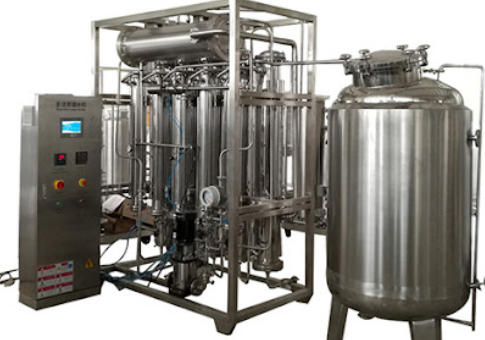
In hospital sleep labs, large clinics, and integrated medical centers, relying on retail bottled distilled water can be inefficient, inconsistent, and difficult to document. A centrally installed Multi Function Distillation Water Machine offers an industrial‑grade alternative:
- It continuously produces high‑purity distilled water through evaporation and condensation, with integrated degassing or pure‑steam options.
- It can be connected to sanitary storage tanks and distribution loops designed to minimize microbial regrowth.
- It allows online monitoring of conductivity, temperature, flow, and sometimes total organic carbon, creating data for quality control and regulatory documentation.
For projects built by companies like Everheal, a Multi Function Distillation Water Machine can be integrated with pure steam generators, purified water loops, and automated cleaning‑in‑place systems. CPAP and other respiratory devices within a hospital can then be supplied from a known, validated water source rather than ad‑hoc bottles. This integrated approach mirrors high‑purity water handling for injectable drugs and sterile equipment, increasing overall patient safety.
In addition, a Multi Function Distillation Water Machine can be configured as part of a turnkey solution that includes pure water preparation, pure steam for sterilization, and clean distribution piping to points of use. For OEM partners and hospital owners, this reduces risk and simplifies compliance with pharmacopoeia and medical‑device water requirements.
Best Practices for Storing Distilled Water for CPAP
To reduce the likelihood that distilled water becomes unusable before its date, adopt disciplined storage habits:
- Keep sealed bottles in a cool, dry, and dark place, away from direct sunlight and heating appliances.
- Avoid storing near chemicals, solvents, or strong‑smelling products that can permeate plastic.
- After opening, label the bottle with the opening date and reserve it exclusively for CPAP use (no drinking from the bottle).
- Always close the cap immediately after pouring and avoid touching the mouth of the bottle with fingers or the tank.
These habits are inspired by pharmaceutical water system practices, where the goal is to protect the purity created at the Multi Function Distillation Water Machine all the way to the point of use. For a CPAP user, similar discipline translates into fewer doubts about whether “expired” water is still safe.
Cleaning the CPAP Humidifier After Using Questionable Water
If older water, tap water, or non‑distilled water has been used, extra cleaning effort will help protect both the user and the machine:
- Empty and air‑dry the humidifier chamber every day. Never leave standing water in the tank between uses.
- Wash the chamber regularly with mild, fragrance‑free detergent and warm water, then rinse thoroughly.
- If mineral deposits or white scale appear, soak the tank periodically in a solution of water and household vinegar according to manufacturer guidance, then rinse well.
- Inspect silicone seals and plastic surfaces for discoloration or film and replace components according to the device's maintenance schedule.
In clinical environments, similar tasks may be carried out through automated washers or CIP systems using hot, high‑purity water from a centralized Multi Function Distillation Water Machine. At home, the same principles apply at a manual scale: mechanical cleaning, chemical removal of deposits, and proper drying.
When to Discard Distilled Water Without Hesitation
Regardless of date or seal status, discard distilled water for CPAP use in any of these situations:
- Visible cloudiness, floating matter, or sediment.
- Any unusual or strong odor from the water or the bottle.
- Damaged, brittle, swollen, or heavily stained plastic containers.
- Uncertain history (e.g., inherited bottles, containers stored in hot garages or near chemicals).
For other uses, such as cleaning tasks, this water may still be acceptable, but inhaling aerosols produced from it is not worth the risk. Given the low cost of distilled water compared with the health consequences of respiratory infections or equipment failure, “when in doubt, throw it out” is a sensible rule.
How Everheal‑Style Solutions Help Healthcare Projects
Everheal focuses on pharmaceutical‑grade water, steam, and sterilization systems, which is directly relevant to respiratory care and CPAP safety at an institutional level. By supplying pure water preparation systems, pure steam generators, Multi Function Distillation Water Machines, and sterilization lines, such a company can design complete water and steam infrastructures for hospitals, sleep labs, and medical device factories.
For global partners, this means:
- Turnkey factory or hospital layout planning with integrated pure water and steam.
- Customized Multi Function Distillation Water Machine configurations sized for local CPAP or respiratory‑device demand.
- Standardized documentation and validation support to meet international quality and regulatory expectations.
In this way, the same standards that protect injectable medicines and sterile surgical equipment can be extended to the water used for CPAP and other respiratory therapies.
Conclusion
Unopened distilled water that is properly stored can usually be used in a CPAP machine even after its printed expiration date, provided that the seal and container remain intact and the water shows no visible or sensory defects. Once a bottle has been opened, however, its useful lifetime is limited, and using it for weeks or months in a warm humidifier increases the risk of microbial growth and airway irritation. For routine therapy, fresh distilled water, careful storage, and strict cleaning habits provide the safest combination. In larger clinical projects, industrial solutions such as centralized pure‑water systems built around a Multi Function Distillation Water Machine ensure consistent water quality, protect CPAP equipment, and support reliable long‑term respiratory care.
FAQ
1. How long can I safely use an opened bottle of distilled water for CPAP?
For most home users, it is sensible to use an opened bottle for only a few days to a couple of weeks if it is stored cool, kept tightly capped, and reserved only for CPAP. Beyond that period, the risk of gradual contamination increases, especially in warm environments, so replacing the bottle is wise.
2. Is expired but unopened distilled water still safe for CPAP?
If the seal is intact, the bottle is undamaged, and the water looks and smells normal, expired but unopened distilled water is usually safe for CPAP use. The date is primarily a quality‑assurance marker, not an indication of sudden spoilage, as long as storage conditions have been good.
3. What should I do if I accidentally used tap water in my CPAP?
If you accidentally used tap water, empty the chamber, clean it thoroughly with mild soap and water, rinse well, and consider a descaling soak if you see mineral deposits. Resume using distilled water as soon as possible and monitor for any respiratory symptoms; most single exposures are not serious but should not become a habit.
4. Can I use home‑distilled water instead of store‑bought distilled water?
Home distillation can improve water purity, but household equipment may not consistently achieve the same standards as industrial systems. If you distill at home, use clean equipment, discard the first portion of distillate, and store the water in clean, closed containers. When possible, professionally produced distilled water remains the more reliable option.
5. How does a Multi Function Distillation Water Machine benefit CPAP water management in hospitals?
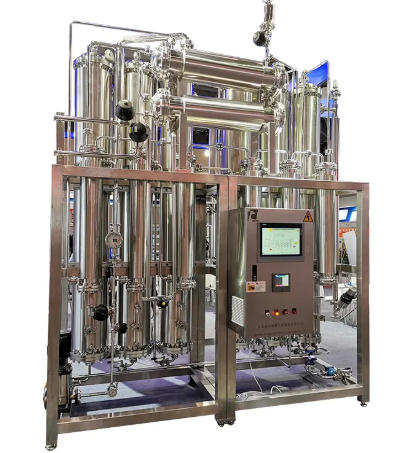
In hospitals or sleep centers, a Multi Function Distillation Water Machine can continuously provide high‑purity water to central tanks and distribution loops, ensuring that CPAP humidifiers receive consistent, controlled water quality. This reduces reliance on bottled supplies, simplifies logistics, and supports documentation and validation for regulatory compliance.
Citations:
[1](https://www.who.int/docs/default-source/coronaviruse/checklists-3_2022.pdf)
[2](https://www.sleepfoundation.org/cpap/should-you-use-distilled-water-for-a-cpap-machine)
[3](https://www.sleepapnea.org/cpap/should-you-use-distilled-water-for-a-cpap-machine/)
[4](https://wwwnc.cdc.gov/eid/article/29/2/22-1205_article)
[5](https://sleepdoctor.com/pages/cpap/why-use-distilled-water-for-cpap)
[6](https://www.healthline.com/health-news/sleep-apnea-tap-water-can-be-dangerous-to-use-in-cpap-machines)
[7](https://health.osu.edu/wellness/prevention/using-tap-water-in-medical-devices)
[8](https://www.verywellhealth.com/do-you-need-distilled-water-for-the-cpap-humidifier-3015017)
[9](https://breathefreely.com/traveling-with-a-cpap-machine/)
[10](https://careicahealth.com/can-i-use-non-distilled-water-in-my-cpap-humidifier/)


