Content Menu
● How CPAP Humidifiers Work
● Why Distilled Water Is Preferred
● Risks of Using Tap or Mineral Water
● Other Water Types: Purified, Filtered, Bottled, and Boiled
● User Comfort and Respiratory Safety
● How a Distillation Water Machine Works
● Distillation Water Machine in Healthcare and Pharma
● Daily CPAP Water Management Best Practices
● Home vs. Facility‑Scale Distilled Water Supply
● Troubleshooting Common CPAP Water Problems
● Distilled Water and Travel CPAP Use
● How Everheal‑Type Solutions Support CPAP Environments
● Conclusion
● FAQ About Distilled Water and CPAP
>> 1. Do I absolutely have to use distilled water in my CPAP?
>> 2. Can I reuse distilled water that is left in the chamber?
>> 3. Is vapor‑distilled or steam‑distilled water different from regular distilled water?
>> 4. What should I do if I cannot find distilled water while traveling?
>> 5. How is a Distillation Water Machine better than just boiling water?
Yes, you not only can but should use distilled water in a CPAP machine, because most manufacturers and sleep‑health organizations recommend it as the safest option for both the device and your lungs. Distilled water from a high‑purity Distillation Water Machine is virtually free from minerals, microbes, and chemical residues, helping to prevent scale buildup, contamination, and performance loss in the humidifier chamber.
CPAP therapy is usually long‑term, so the type and quality of water you choose can have cumulative effects on both comfort and equipment life. Understanding why distilled water is recommended, how a Distillation Water Machine works, and what to do in real‑world situations (travel, emergencies, maintenance) helps users and healthcare providers manage CPAP systems more professionally.
How CPAP Humidifiers Work
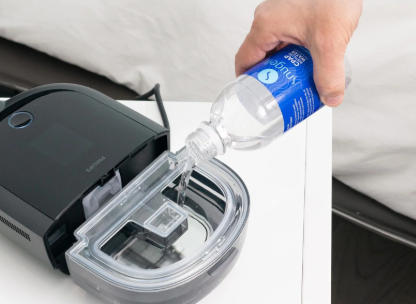
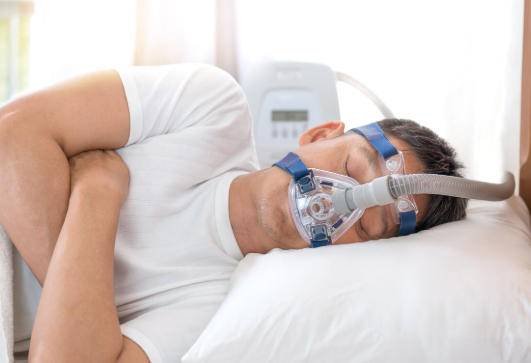
A CPAP machine delivers a constant stream of pressurized air through a mask to keep the upper airway open during sleep, preventing the collapse that causes obstructive sleep apnea. The built‑in or external humidifier adds moisture to this airflow, reducing dryness in the nose, mouth, and throat and improving overall comfort.
Inside the humidifier, a heater plate warms water in a chamber so that water molecules evaporate and mix with the airflow. Because this process is repeated for many hours every night, any impurities in the water will gradually concentrate in the chamber and on its surfaces. Using clean, low‑mineral water is therefore essential for maintaining both hygiene and performance over time.
Why Distilled Water Is Preferred
Distilled water is produced by boiling water, capturing the steam, and condensing it back into liquid in a separate, clean environment. This phase change removes most dissolved minerals and significantly reduces many contaminants that remain in regular tap water. As a result, distilled water leaves almost no residue when it evaporates from the humidifier chamber.
When you use distilled water rather than tap or mineral water, you greatly reduce the formation of scale (hard mineral deposits) on the chamber walls, heater plate, and internal parts. Less scale makes cleaning easier, helps the heater maintain consistent performance, and lowers the chance of damage or discoloration inside the humidifier. For long‑term CPAP use, this difference becomes very visible.
Risks of Using Tap or Mineral Water
Tap water and mineral water often contain calcium, magnesium, and other dissolved solids that are harmless to drink but problematic when repeatedly heated and evaporated. As water vapor leaves the chamber, these minerals stay behind and crystallize as white or off‑white deposits that harden over time. This scale can interfere with heat transfer, cloud the chamber, and be difficult to remove.
In addition to minerals, tap water can contain trace metals, disinfectant by‑products, and varying levels of microorganisms. Although CPAP humidifiers primarily deliver water vapor rather than liquid droplets, poor maintenance in combination with impure water can create conditions where biofilm forms on internal surfaces. Over months or years, this can increase odor, cleaning difficulty, and potential exposure to unwanted contaminants.
Other Water Types: Purified, Filtered, Bottled, and Boiled
Many users understandably ask whether purified or filtered water is “good enough” when distilled water is not available. Purified, filtered, or reverse‑osmosis water can reduce many impurities and is usually better than untreated tap water, but it often still contains some dissolved minerals. These remaining minerals can still form scale, although more slowly than regular tap water.
Bottled drinking water, including spring or mineral water, is designed for taste and may contain added minerals that directly contribute to scaling. Boiling tap water kills many microbes but does not remove minerals or most chemicals, so boiled water behaves much like unboiled tap water with respect to deposits. For these reasons, distilled water remains the gold standard for protecting CPAP humidifiers, especially in long‑term, daily use.
User Comfort and Respiratory Safety
The purpose of adding humidity is to keep the mucous membranes in your airways comfortable and healthy, reducing dryness, nosebleeds, and sore throat. Using water with high mineral content does not directly improve comfort, and any mineral particles that might be carried into the airflow are undesirable. Even if the absolute risk is low, minimizing unnecessary exposure is the safest approach.
Distilled water also makes it easier to visually inspect the humidifier chamber. If you always use distilled water, any discoloration or residue you notice is more likely related to inadequate cleaning rather than mineral accumulation. This clear baseline helps patients and clinicians evaluate cleaning habits and respond quickly if mold, biofilm, or other contamination is suspected.
How a Distillation Water Machine Works
A Distillation Water Machine is designed to produce high‑purity distilled water continuously and reliably. Feed water is introduced into a heated tank where it is brought to a boil, generating steam. The steam rises, leaving most non‑volatile impurities behind in the boiling chamber, and then travels through a condenser where it cools and returns to liquid form.
In pharmaceutical‑grade systems, the Distillation Water Machine is often equipped with multiple effects or vapor‑compression technology to improve energy efficiency, along with instruments for monitoring temperature, pressure, and conductivity. The resulting distilled water meets strict quality limits for conductivity and microbial content. For CPAP applications, this level of purity ensures that the humidifier receives water that far exceeds the requirements of typical household devices.
Distillation Water Machine in Healthcare and Pharma
In hospitals, sleep labs, and pharmaceutical plants, water used for respiratory devices must be consistent and traceable. A Distillation Water Machine integrated into a purified‑water loop can provide large volumes of distilled water for multiple points of use. This is especially important in wards where many CPAP or BiPAP machines operate simultaneously.
Pharmaceutical facilities use similar distilled water not only for CPAP humidifiers but also for equipment rinsing, solution preparation, and sterilization processes. When a supplier like Everheal provides purified water systems, pure steam generators, and a Distillation Water Machine as a complete package, the facility gains a unified, validated utility backbone that supports CPAP therapy alongside broader drug‑manufacturing and medical‑device needs.
Daily CPAP Water Management Best Practices
From a practical standpoint, the most important habit is to empty the humidifier chamber every morning and refill it with fresh distilled water before each night's use. Allowing water to sit for days encourages microbial growth and can increase the concentration of any residual impurities, even if the water was originally distilled.
Regular cleaning is also essential. Most manufacturers recommend washing the chamber with mild soap and warm water, rinsing thoroughly, and letting it air‑dry out of direct sunlight. A weekly deeper clean or disinfection step may be suggested in your device manual. When distilled water from a Distillation Water Machine is used consistently, these cleaning steps become quicker and more effective, because there is little or no mineral scale to fight.
Home vs. Facility‑Scale Distilled Water Supply
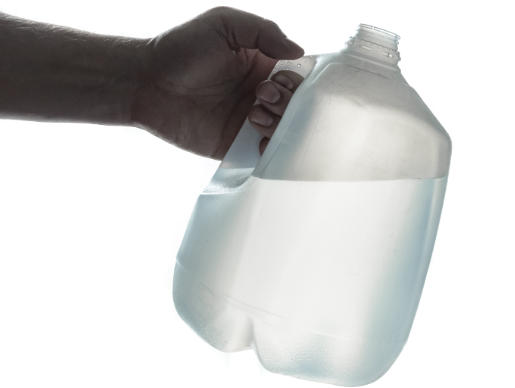
Home users typically buy distilled water in jugs or bottles from supermarkets, pharmacies, or online stores, making sure the label clearly states “distilled water” without added minerals or flavoring. Some people invest in small countertop distillers that act as compact Distillation Water Machine units, supplying CPAP water along with distilled water for irons, humidifiers, or aquarium top‑offs.
Clinics, hospitals, and pharmaceutical factories, however, often need hundreds of liters of distilled water each day. In these settings, a stainless‑steel Distillation Water Machine is installed as part of a central utility system. Storage tanks, circulation loops, and distribution points ensure that CPAP humidifiers, autoclaves, formulation rooms, and other users all receive water of the same validated quality. This centralization reduces manual handling of small bottles and helps maintain consistent standards across the facility.
Troubleshooting Common CPAP Water Problems
If you notice white or chalky deposits inside your humidifier chamber, it is a strong sign that non‑distilled water has been used. In that case, you may need to soak the chamber in a descaling solution approved by the manufacturer or replace it if the deposits cannot be removed without damage. Returning to distilled water afterward will greatly slow the recurrence of scale.
If you detect discoloration, unpleasant odor, or visible particles in the water or on the chamber surfaces, stop using the device until the components are thoroughly cleaned or replaced. Review your cleaning routine and verify that the water source is truly distilled. In a professional setting, this may involve checking the operating parameters and maintenance records of the Distillation Water Machine to ensure it is functioning properly.
Distilled Water and Travel CPAP Use
When you travel, access to distilled water may be limited, especially in smaller hotels or remote areas. For short trips, many users carry a small bottle of distilled water in their luggage or purchase it from local pharmacies or supermarkets when they arrive. Some even travel with a compact Distillation Water Machine if they are frequent travelers or have very sensitive respiratory conditions.
If distilled water is genuinely unavailable, using bottled drinking water or high‑quality purified water is usually considered acceptable for a short period, as long as you clean the chamber more thoroughly afterward. As soon as you can, switch back to distilled water to avoid long‑term buildup. Travel CPAP devices benefit from the same principles as full‑size units: the purer the water, the better the long‑term outcome.
How Everheal‑Type Solutions Support CPAP Environments
For global customers operating sleep centers, hospitals, or integrated pharma‑medical campuses, a turnkey solution that includes a Distillation Water Machine, purified water preparation system, and pure steam generator can be highly attractive. Such a system can feed CPAP humidifiers, sterilizers, production equipment, and utility points with consistent high‑purity water.
In addition, engineering services such as factory layout planning, process piping design, automation, and validation support help ensure that the Distillation Water Machine and related utilities comply with regulatory guidelines. For CPAP‑related applications, this means safer humidification water, easier documentation, and a clear quality path from raw feed water to the point where the patient inhales the humidified air.
Conclusion
Using distilled water in a CPAP machine is more than a suggestion; it is a practical standard that protects both the user and the equipment over years of therapy. Distilled water prevents mineral scale, simplifies cleaning, and reduces hygiene risks that can arise when tap or mineral water is used repeatedly in the humidifier chamber.
A well‑designed Distillation Water Machine makes it possible to produce this high‑purity water consistently, whether in a private home with a small countertop unit or in a large hospital or pharmaceutical facility using industrial‑scale systems. By combining good daily habits—fresh distilled water, regular cleaning, and proper storage—with reliable distilled‑water production, CPAP users and healthcare providers can support safe, comfortable, and efficient sleep apnea treatment.
FAQ About Distilled Water and CPAP
1. Do I absolutely have to use distilled water in my CPAP?
Most manufacturers strongly recommend distilled water because it greatly reduces mineral deposits and contamination in the humidifier chamber. In an emergency you can use other water types briefly, but you should return to distilled water as soon as possible and clean the chamber thoroughly afterward.
2. Can I reuse distilled water that is left in the chamber?
It is better not to reuse water that has already been in the chamber overnight. Once water has been warmed and exposed to air, it can collect dust, skin particles, and microbes. Empty the chamber each morning, let it dry, and refill with fresh distilled water from a sealed container or a properly maintained Distillation Water Machine.
3. Is vapor‑distilled or steam‑distilled water different from regular distilled water?
“Vapor‑distilled” and “steam‑distilled” are marketing or technical phrases describing the same core distillation process used to make distilled water. As long as no minerals, flavors, or electrolytes are added afterward, vapor‑distilled or steam‑distilled water is suitable for CPAP humidifiers and functions like standard distilled water.
4. What should I do if I cannot find distilled water while traveling?
If distilled water is unavailable, you can temporarily use bottled drinking water or high‑quality purified water for a night or two. Afterward, clean the humidifier chamber carefully and switch back to distilled water as soon as you can. Frequent travelers sometimes carry a small supply of distilled water or use a compact Distillation Water Machine for maximum consistency.
5. How is a Distillation Water Machine better than just boiling water?
Boiling water in an open pot kills many microorganisms but does not remove dissolved minerals and most chemical contaminants. A Distillation Water Machine captures steam and condenses it in a separate, clean section, leaving impurities behind in the boiling chamber. This process produces low‑mineral, high‑purity distilled water that is much better suited to CPAP humidifiers than simply boiled tap water.


