Content Menu
● Understanding Pharmaceutical Preparation
● Core Stages of Pharmaceutical Preparation Manufacturing
>> 1. Raw Material Preparation
>> 2. Purified Water and Utilities
>> 3. Pure Steam Generation and Sterilization
>> 4. Distillation and Water for Injection (WFI)
>> 5. Solution Preparation and Mixing
>> 6. Filling, Sealing, and Sterilization
>> 7. Inspection, Labeling, and Packaging
● Cleanroom Environment and Contamination Control
● Advanced Technologies in Pharmaceutical Preparation
>> Automation and Control Systems
>> Validation and Qualification
>> Data Integrity and Regulatory Compliance
>> Integration with Factory Design
● The Role of Utilities in Pharmaceutical Preparation
● Quality Control and Testing
● Global Regulatory Standards
● Everheal's Contribution to the Industry
● Innovation and Future Trends in Pharmaceutical Preparation
>> Continuous Manufacturing
>> Digitalization and Smart Factories
>> Sustainable Manufacturing
>> Advanced Sterilization Technologies
>> Modular Facility Design
● Conclusion
● FAQ
>> 1. What is pharmaceutical preparation?
>> 2. What is the difference between purified water and Water for Injection (WFI)?
>> 3. Why is sterilization critical in pharmaceutical preparation manufacturing?
>> 4. How do GMP guidelines affect pharmaceutical preparation?
>> 5. How does Everheal assist pharmaceutical manufacturers?
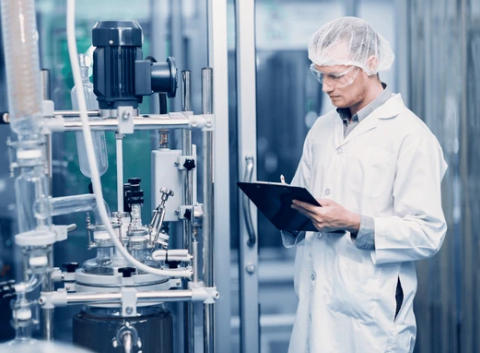
Pharmaceutical preparation manufacturing represents one of the most sophisticated and tightly regulated branches of modern industry. It encompasses the science, engineering, and management of transforming chemical or biological substances into effective, safe, and stable medicinal products suitable for human or veterinary use.
For Everheal, a leading Chinese company specializing in pharmaceutical equipment and integrated solutions, understanding and optimizing every stage of pharmaceutical preparation is fundamental. The company provides advanced systems such as purified water preparation units, pure steam generators, multi-effect distilled water machines, aseptic filling and sealing systems, and sterilization equipment that meet Good Manufacturing Practice (GMP) and international standards. This article explores in detail what pharmaceutical preparation manufacturing is, how it works, why it matters, and how companies like Everheal support global pharmaceutical plants in their pursuit of excellence.
Understanding Pharmaceutical Preparation
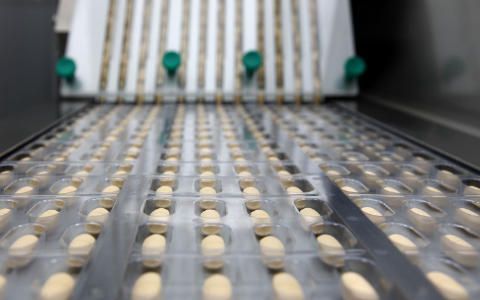
The term pharmaceutical preparation refers to the complete process of creating medical products in usable forms—such as tablets, capsules, ointments, injections, or oral solutions—from raw materials and active ingredients. It covers multiple interconnected phases: formulation, processing, purification, sterilization, filling, and packaging.
The core mission of pharmaceutical preparation is to ensure each product is safe, effective, stable, and consistent. To achieve this, manufacturers must adhere to precise technical procedures and rigorous documentation standards. Every process, from the preparation of purified water to the final packaging of a sterile injection, directly impacts drug quality and patient outcomes.
Pharmaceutical preparation is not merely mechanical production; it is a combination of chemistry, microbiology, and industrial engineering, coordinated within a validated GMP environment. It requires high-precision equipment, skilled operators, and well-designed facility layouts that minimize contamination risks and streamline workflow efficiency.
Core Stages of Pharmaceutical Preparation Manufacturing
A successful pharmaceutical preparation process generally includes several major stages. Each one builds upon the previous step to produce a final product that meets quality and safety requirements.
1. Raw Material Preparation
All pharmaceutical manufacturing begins with raw materials, including active pharmaceutical ingredients (APIs) and excipients. These components form the foundation of a drug formulation. Each material is verified for purity, safety, and consistency through analytical testing before use. Materials are stored in controlled environments to prevent degradation and cross-contamination.
2. Purified Water and Utilities
One of the most critical aspects of any pharmaceutical preparation process is the quality of water used. Water acts as a solvent, cleaning agent, and even a component of many formulations. Everheal's advanced Purified Water Preparation Systems utilize reverse osmosis, electrodeionization, and ultraviolet sterilization to produce ultra-clean water.
This purified water meets stringent pharmacopoeia standards, ensuring that no ions, bacteria, or endotoxins are present. It is used extensively in solution preparation, equipment washing, and cleaning of containers and piping systems.
3. Pure Steam Generation and Sterilization
Pure steam serves as a fundamental utility for sterilization within the pharmaceutical environment. Everheal's Pure Steam Generators produce steam that is completely free of contaminants, making it ideal for sterilizing production equipment, reactors, pipelines, and storage tanks. The absence of non-condensable gases and impurities ensures sterilization integrity and system reliability.
4. Distillation and Water for Injection (WFI)
For parenteral or injectable drugs, Water for Injection (WFI) is the highest grade of water required. Everheal's Multi-Effect Distilled Water Machines employ a multi-stage evaporation and condensation process to produce WFI that complies with global pharmacopeia standards. The distillation process removes microorganisms, endotoxins, and chemical residues to yield water of exceptional purity and stability.
5. Solution Preparation and Mixing
Once utilities are prepared, the next step is formulation. Active components are dissolved or suspended in solvent media under controlled conditions. Mixing tanks, vacuum homogenizers, and stirring vessels ensure uniform distribution and precise concentration of ingredients. Process parameters such as temperature and pressure are monitored continuously to maintain chemical integrity and reproducibility across batches.
6. Filling, Sealing, and Sterilization
For sterile pharmaceuticals, precision filling and sealing are crucial. Everheal's Liquid Filling and Sealing Machines operate under aseptic conditions within classified cleanroom zones (commonly ISO Class 5 or Grade A environments). The equipment ensures tight control of filling volume, sealing integrity, and product sterility. After filling, containers undergo sterilization using steam autoclaves or dry-heat sterilizers, confirming product safety before labeling and packaging.
7. Inspection, Labeling, and Packaging
Quality inspection marks the final stage of pharmaceutical preparation manufacturing. Automated visual inspection systems detect particulate matter, improper seals, or cosmetic defects. Batch coding, serialization, and tamper-proof labeling safeguard product traceability. Packages are designed to protect against light, moisture, and mechanical damage during transportation and storage.
Cleanroom Environment and Contamination Control
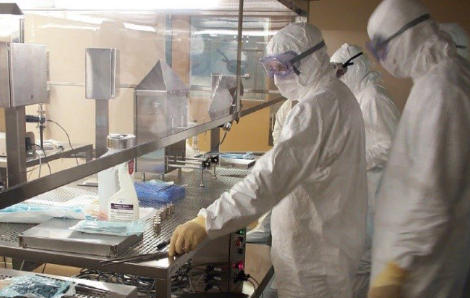
Pharmaceutical preparation manufacturing demands an exceptionally clean and controlled production environment. Airborne particles, microorganisms, and humidity fluctuations can compromise product quality. To prevent contamination, manufacturing takes place in cleanrooms equipped with High-Efficiency Particulate Air (HEPA) filtration systems, pressure differentials, and constant environmental monitoring.
Personnel movement, material transfer, and equipment cleaning follow strictly validated Standard Operating Procedures (SOPs). Everheal's systems are designed for contamination control; their polished stainless-steel surfaces and sanitary connections eliminate microbial adhesion and simplify cleaning and sterilization.
Advanced Technologies in Pharmaceutical Preparation
Modern pharmaceutical manufacturing integrates automation, digital monitoring, and quality assurance to maintain precision and efficiency.
Automation and Control Systems
Advanced automation reduces the possibility of human error and ensures repeatability. Programmable Logic Controllers (PLC) and Supervisory Control and Data Acquisition (SCADA) systems monitor every process parameter—from flow and pressure to temperature and pH—creating a stable and traceable manufacturing environment.
Validation and Qualification
Before any equipment or process can be used in pharmaceutical preparation, it must undergo Installation Qualification (IQ), Operational Qualification (OQ), and Performance Qualification (PQ). These steps verify that systems are installed correctly, function as intended, and produce results that meet established quality specifications.
Data Integrity and Regulatory Compliance
Digital recordkeeping under laws such as FDA 21 CFR Part 11 ensures data authenticity and traceability. Real-time monitoring, alarm systems, and electronic signatures guarantee that all operations are auditable and compliant with international GMP requirements.
Integration with Factory Design
Everheal not only provides individual equipment but also assists clients in complete factory design and layout optimization. The proper arrangement of production areas, air-handling units, and material pathways minimizes cross-contamination and enhances operational flow, aligning with EU GMP Annex 1 principles.
The Role of Utilities in Pharmaceutical Preparation
Utilities form the backbone of pharmaceutical preparation manufacturing. Without reliable supplies of purified water, pure steam, compressed air, and clean gases, consistent drug quality would be impossible.
- Purified Water Systems: Generate water for solution preparation, equipment cleaning, and washing.
- Water for Injection Systems: Provide ultra-high purity water for sterile formulations.
- Pure Steam Generators: Sterilize systems, pipelines, and production equipment.
- Clean Air Systems (HVAC): Maintain particle-free zones and environmental stability.
Each utility is subject to strict periodic maintenance, performance verification, and microbiological testing to ensure long-term reliability.
Quality Control and Testing
Pharmaceutical preparation manufacturing involves continuous monitoring at every stage. Samples are tested to verify concentration, pH, viscosity, and microbial content. Analytical instruments such as high-performance liquid chromatography (HPLC) and gas chromatography (GC) validate chemical purity, while biological assays confirm the absence of microorganisms or endotoxins.
Comprehensive quality documentation ensures traceability from raw materials to final products. Quality assurance systems cover auditing, deviation management, and change control, establishing transparency across all manufacturing steps.
Global Regulatory Standards
Pharmaceutical preparation must comply with a complex web of regional and international standards. These organizations and regulations govern everything from raw materials to finished goods:
- FDA (United States Food and Drug Administration)
- EMA (European Medicines Agency)
- WHO GMP (World Health Organization)
- NMPA (China National Medical Products Administration)
GMP guidelines require companies to document every action, regularly validate their production processes, and maintain continuous training for operating personnel. Everheal designs its systems to be fully compatible with these international regulations, helping customers worldwide meet certification requirements swiftly.
Everheal's Contribution to the Industry
As a specialized equipment manufacturer, Everheal delivers comprehensive, customized solutions for pharmaceutical preparation manufacturing. Its internationally certified product portfolio includes:
- Purified water preparation systems
- Pure steam generators
- Multi-effect distilled water machines
- Liquid filling and sealing systems
- Sterilization and washing equipment
- Cleanroom utility integration
By offering turnkey services—from conceptual design to final validation—Everheal empowers pharmaceutical manufacturers to build efficient, compliant, and future-ready production lines. Its technical teams collaborate with clients globally, developing complete factory layouts, system automation strategies, and maintenance frameworks ensuring long-term reliability.
Innovation and Future Trends in Pharmaceutical Preparation
The landscape of pharmaceutical preparation manufacturing is evolving rapidly. Advanced technologies and sustainability objectives are shaping the factories of tomorrow.
Continuous Manufacturing
Instead of discrete batch production, continuous systems enable uninterrupted material flow, reducing downtime and human intervention. The result is improved efficiency, higher productivity, and fewer quality fluctuations.
Digitalization and Smart Factories
Digital transformation allows predictive maintenance and real-time process optimization using Industrial Internet of Things (IIoT) platforms. Data analytics and machine learning can identify potential deviations before they impact product quality.
Sustainable Manufacturing
With environmental sustainability becoming a global priority, manufacturers now emphasize energy recovery, waste reduction, and water recycling. Everheal designs its systems with low energy consumption and high recovery efficiency, aligning with green manufacturing philosophies.
Advanced Sterilization Technologies
Innovative sterilization methods such as vaporized hydrogen peroxide (VHP) and plasma sterilization are gaining popularity. These methods provide high sterilization efficiency while leaving no harmful residues on equipment surfaces.
Modular Facility Design
Modular construction enables faster deployment of pharmaceutical plants. Preassembled cleanroom units, utilities, and piping modules simplify installation and reduce project timeframes.
Through integration of these advancements, pharmaceutical preparation manufacturing is becoming smarter, safer, and more sustainable.
Conclusion
Pharmaceutical preparation manufacturing lies at the intersection of science, technology, and regulatory rigor. It ensures that every medicine reaching patients worldwide is produced under safe, controlled, and validated conditions. The process encompasses numerous steps—from purified water generation and material formulation to sterile filling and packaging—all designed to preserve safety and efficacy.
For companies like Everheal, pharmaceutical preparation is more than manufacturing; it's a mission to enhance global health through innovation and precision. With advanced engineering, GMP-compliant design, and global project experience, Everheal continues to empower pharmaceutical producers to achieve excellence in both quality and efficiency.
FAQ
1. What is pharmaceutical preparation?
Pharmaceutical preparation is the process of formulating and manufacturing medicinal products in specific dosage forms, ensuring safety, stability, and compliance with health regulations.
2. What is the difference between purified water and Water for Injection (WFI)?
Purified water is used for non-sterile processes such as cleaning or oral solutions, while Water for Injection undergoes distillation and is suitable for sterile pharmaceutical products like injections.
3. Why is sterilization critical in pharmaceutical preparation manufacturing?
Sterilization removes or destroys microorganisms that could compromise drug safety. It ensures that sterile products remain contamination-free throughout their lifespan.
4. How do GMP guidelines affect pharmaceutical preparation?
GMP ensures that products are consistently produced to quality standards by controlling equipment design, process validation, documentation, and staff training.
5. How does Everheal assist pharmaceutical manufacturers?
Everheal provides complete pharmaceutical preparation systems, cleanroom layouts, and turnkey project design, ensuring compliance with international GMP standards and reliable long-term operation.


