Content Menu
● What Makes K&N Air Filters Different?
● The Science Behind a Washable Air Filter
● How to Clean a Washable K&N Air Filter
>> Step 1: Remove the Filter
>> Step 2: Apply K&N Cleaner
>> Step 3: Rinse with Cool Water
>> Step 4: Dry Naturally
>> Step 5: Re-oil the Filter
● Benefits of Using a Washable Air Filter
● Comparing Washable vs. Disposable Air Filters
● How Often Should You Clean a K&N Washable Air Filter?
● Myths About Washable Air Filters
● The Environmental Impact of Washable Filters
● Industrial Applications of Washable Air Filters
● Are Washable Air Filters Worth It?
● Conclusion
● FAQ
>> 1. How many times can I wash a K&N washable air filter?
>> 2. What type of oil should I use after cleaning?
>> 3. Can I use soap or detergent instead of the K&N cleaner?
>> 4. What happens if I over-oil my washable air filter?
>> 5. Are washable air filters suitable for all vehicles?
K&N air filters have gained global recognition for their durability, high-performance filtration efficiency, and cost-saving benefits. One of the most common questions potential buyers ask is simple yet crucial: Is a K&N air filter washable? The short answer is yes—K&N air filters are designed to be reusable, washable, and serviceable for the life of your vehicle.
In this article, we'll explore the detailed process of cleaning a K&N washable air filter, its benefits, materials, maintenance guidelines, and how it compares with traditional disposable filters. Whether you're managing high-performance engines, industrial systems, or looking for long-term cost efficiency, understanding the principles of the washable air filter will help you make the right decision for your equipment.
What Makes K&N Air Filters Different?
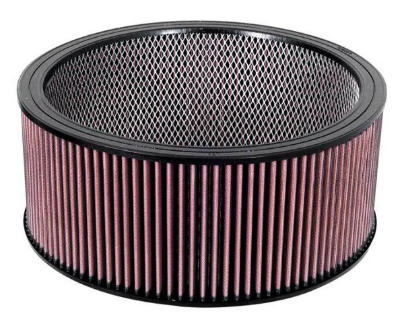
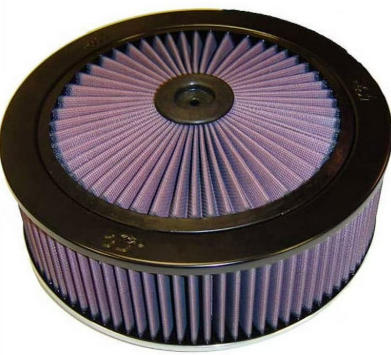
K&N filters stand out because they are specifically engineered for reusability. Unlike paper or synthetic throwaway filters, a K&N washable air filter is built using layers of oiled cotton gauze sandwiched between aluminum mesh. This design creates a powerful combination of filtration efficiency and airflow capability.
The cotton media captures microscopic contaminants while allowing maximum airflow, making these filters particularly suitable for both automotive and industrial applications. For companies like Everheal that produce pharmaceutical and sterile manufacturing equipment, air purity and consistency are vital—principles that extend naturally to the air filtration systems in other technical environments as well.
The Science Behind a Washable Air Filter
A washable air filter operates through a multi-layer filtration mechanism that combines both mechanical and adhesive filtration methods.
When air passes through the oiled cotton layers, contaminants such as dust, dirt, pollen, and even micro-debris adhere to the oil layer rather than clogging the core media. This approach ensures two critical advantages:
1. High Airflow Maintenance – The filter maintains efficient airflow, which is essential for combustion performance and energy efficiency.
2. Extended Filter Life – Instead of discarding the filter when it's dirty, you simply clean and reapply filter oil.
K&N's design allows the air filter to be washed and reused multiple times, maintaining up to 1,000,000 miles of lifetime use with proper maintenance.
How to Clean a Washable K&N Air Filter
Maintaining your washable air filter is both simple and economical. K&N offers a dedicated Air Filter Cleaning Kit containing specialized detergent and filter oil. The process generally follows these steps:
Step 1: Remove the Filter
Gently detach the air filter from your intake system or airbox. Take care not to damage the rubber seal or metal mesh.
Step 2: Apply K&N Cleaner
Spray the K&N filter cleaner liberally onto both sides of the filter. Ensure all surfaces are evenly covered. Let it soak for 10 minutes to dissolve dirt and oil buildup.
Step 3: Rinse with Cool Water
Rinse from the clean side out using low-pressure, cool water. Avoid hot water or high pressure, as these can damage the cotton layers.
Step 4: Dry Naturally
Allow the filter to air dry naturally. Do not use pressurized air or heating devices.
Step 5: Re-oil the Filter
Once dry, apply K&N filter oil evenly along each pleat. The oil restores the filter's adhesive dust-trapping capability.
This simple maintenance cycle restores your filter to like-new performance without the constant need for disposable replacements.
Benefits of Using a Washable Air Filter
Choosing a washable air filter like K&N's offers numerous advantages:
- Cost Efficiency: Instead of replacing disposable filters every service cycle, you reuse the same unit for years.
- Eco-Friendly: Washing eliminates thousands of discarded paper filters over time, supporting environmentally responsible maintenance.
- Improved Airflow: The oiled cotton construction enhances airflow, contributing to better fuel efficiency and engine response.
- Consistent Performance: Even under harsh conditions, the washable filter maintains strong filtration consistency.
- Long-Term Investment: Many users report effective use beyond 500,000 miles when filters are properly cleaned and maintained.
For industrial systems—such as those integrated into Everheal's water purification and sterilization equipment—similar washable filtration logic applies, creating operational stability and reduced maintenance costs.
Comparing Washable vs. Disposable Air Filters
| Feature | Washable Air Filter (K&N) | Disposable Air Filter |
| Lifespan | Up to 1,000,000 miles | 5,000–15,000 miles |
| Maintenance | Wash and re-oil | Replace entirely |
| Cost | Higher upfront, lower lifetime cost | Cheaper initially, costly long-term |
| Airflow Efficiency | Superior airflow | Standard restrictive |
| Environmental Impact | Sustainable, reusable | Waste-generating |
| Suitable For | Automotive, industrial, high-performance | General use |
K&N filters demonstrate that washable air filters aren't only better for performance but are also more responsible for resource management over time.
How Often Should You Clean a K&N Washable Air Filter?
The cleaning frequency depends on usage conditions:
- Normal road driving: Every 50,000 miles (80,000 km)
- Dusty or off-road conditions: Every 20,000–30,000 miles
- Industrial or high-pollution environments: Based on operation hours or visible dust accumulation
A washable air filter should always be cleaned when dirt buildup becomes visible to ensure optimal airflow and filtration efficiency. Neglecting maintenance can reduce performance and fuel economy.
Myths About Washable Air Filters
Let's clear up a few misconceptions people often associate with washable filters:
- Myth 1: Washable filters damage sensors.
*Fact:* Properly oiled filters cause no harm when maintained correctly. Excess oil can only cause problems if an over-saturated filter is installed while wet.
- Myth 2: Washable filters don't filter as well as paper filters.
*Fact:* K&N filters meet or exceed OEM standards and often outperform disposable filters in dirt retention and airflow resistance.
- Myth 3: Cleaning is complicated.
*Fact:* The process is easier than replacing, once you've done it once or twice.
The reality is that washable air filters are performance-centric and cost-effective.
The Environmental Impact of Washable Filters
Beyond performance and economics, washable filters significantly reduce environmental waste. Consider this: if every car owner worldwide used washable filters, millions of disposable paper cartridges would be spared from landfills each year.
The longevity of a K&N washable air filter aligns perfectly with sustainability values within modern industry—especially fields that emphasize purity, like pharmaceutical and biotechnology manufacturing. Reduction in solid waste directly contributes to leaner, greener operations.
Industrial Applications of Washable Air Filters
While K&N focuses mainly on automotive solutions, the concept of washable air filters extends far beyond cars. In industrial and pharmaceutical settings—like those supported by Everheal—clean, filtered airflow is critical for process reliability.
Here are some examples where washable filters make a difference:
- HVAC systems in sterile rooms and clean environments.
- Air intake systems for compressors and pumps in water purification plants.
- Steam generation and sterilization systems requiring particle-free input air.
- Filling and sealing lines that require dust-free environments to ensure product safety.
In these contexts, washable filters help facilities maintain compliance with strict particulate control standards while lowering lifetime maintenance costs.
Are Washable Air Filters Worth It?
From an engineering perspective, the washable air filter represents a long-term upgrade rather than a short-term convenience. For users prioritizing performance, sustainability, or operational economy, washable filters deliver a clear return on investment.
Compared with single-use paper filters, K&N washable air filters ensure you achieve better airflow, reduced waste, and lower operating costs over time.
For Everheal-like clean manufacturing environments, this reusability principle can serve as a model for other paths of efficiency across product systems.
Conclusion
So, is a K&N air filter washable? Absolutely. The K&N washable air filter revolutionizes air filtration with reusable materials, long service life, and sustained engine performance. It's a highly efficient system that aligns with modern needs for economical, sustainable, and high-performing filtration solutions.
Whether applied in a vehicle, industrial facility, or specialized production line, the washable air filter represents the future of air management systems—smart, reusable, and environmentally responsible.
FAQ
1. How many times can I wash a K&N washable air filter?
A K&N washable air filter can be cleaned and reused multiple times—generally lasting up to 1,000,000 miles when maintained properly.
2. What type of oil should I use after cleaning?
Use only the official K&N filter oil or an equivalent product recommended by the manufacturer. Regular oils can reduce performance or damage the cotton fibers.
3. Can I use soap or detergent instead of the K&N cleaner?
It's not recommended. Generic cleaners may leave residues that harm filter efficiency or airflow. Always use the official K&N cleaning solution.
4. What happens if I over-oil my washable air filter?
Over-oiling can temporarily affect sensors or airflow. Always let the filter dry completely after re-oiling and wipe off any visible excess before reinstalling.
5. Are washable air filters suitable for all vehicles?
Yes, most K&N washable air filters are designed to fit a wide range of vehicles. However, always verify compatibility with your specific model before purchasing.


