Content Menu
● Understanding Isotonicity in Pharmaceutical Preparations
>> Definition of Isotonicity
>> The Role of Isotonicity in Drug Formulation
● Mechanisms for Achieving Isotonicity
● Importance of Isotonicity Across Pharmaceutical Preparations
>> 1. Parenteral Preparations (Injectables)
>> 2. Ophthalmic Preparations (Eye Drops & Solutions)
>> 3. Nasal Preparations
>> 4. Irrigating Solutions
>> 5. Inhalation Preparations
● Industrial Role of Isotonicity in Pharmaceutical Facility Design
>> Key Systems Supporting Isotonicity Control
● Methods of Testing Isotonicity
● Challenges and Future Trends
● Conclusion
● FAQs About Isotonicity in Pharmaceutical Preparations
>> 1. What does isotonicity mean in pharmaceutical preparation?
>> 2. Why is isotonicity important in injections?
>> 3. Which pharmaceutical preparations require isotonicity?
>> 4. How can isotonicity be achieved?
>> 5. What equipment supports isotonicity control in manufacturing?
In the pharmaceutical industry, isotonicity plays a crucial role in developing safe and effective pharmaceutical preparations. It ensures that solutions administered to the human body do not disrupt cellular balance, minimize irritation, and promote patient comfort. Understanding isotonicity is particularly important for injectable, ophthalmic, and nasal formulations, as deviations from isotonic conditions can cause adverse physiological reactions.
This article explores in detail what isotonicity means, why it matters in pharmaceutical preparation, how it is achieved, and which types of pharmaceutical preparations require isotonicity. It also connects these scientific fundamentals to the realm of industrial manufacturing — such as water purification systems, sterilization equipment, and filling machines — which ensure isotonic solutions are safely and consistently produced.

Understanding Isotonicity in Pharmaceutical Preparations
Definition of Isotonicity
Isotonicity refers to the condition where a solution has the same osmotic pressure as body fluids like blood plasma or tears. In simpler terms, an isotonic solution maintains the same concentration of solute particles as the fluids of the cells it comes into contact with.
In pharmaceutical preparation, maintaining isotonicity prevents unwanted osmotic movement of water across cell membranes. If a solution is not isotonic, it can either cause cells to shrink (in hypertonic solutions) or swell and burst (in hypotonic solutions).
For this reason, isotonicity is essential in drug formulations that interact directly with sensitive body tissues.
The Role of Isotonicity in Drug Formulation
The maintenance of isotonicity in pharmaceutical preparations ensures:
- Preserved tissue integrity.
- Minimized pain upon administration.
- Increased stability of the drug solution.
- Enhanced patient compliance due to reduced irritation.
Such formulations commonly include injectable drugs, ophthalmic products, nasal drops, and irrigating solutions — all of which have a direct physiological interface.
Mechanisms for Achieving Isotonicity
In the process of pharmaceutical preparation, isotonicity is achieved through the adjustment of solute concentrations. Common isotonic agents include sodium chloride, dextrose, and mannitol.
Two major laboratory methods are typically employed:
1. Freezing Point Depression Method – Based on the principle that the freezing point of body fluids is approximately -0.52°C. Adjusting a formulation to this freezing point ensures isotonicity.
2. Sodium Chloride Equivalent Method (E-Value) – Calculates the amount of NaCl or other solutes required to achieve isotonic concentration in a preparation.
These methods are largely performed using purified water prepared by pharmaceutical water systems, such as those produced by Everheal, which ensures endotoxin-free, high-purity water for consistent isotonic formulations.
Importance of Isotonicity Across Pharmaceutical Preparations
1. Parenteral Preparations (Injectables)
Injectable pharmaceutical preparations are among the most critical forms requiring isotonicity. When a parenteral solution is injected directly into the bloodstream or tissues, its osmotic pressure must match that of blood plasma to prevent red blood cell deformation and vascular irritation.
Examples include:
- Intravenous infusions (e.g., 0.9% sodium chloride).
- Intramuscular injections.
- Subcutaneous injections.
Hypertonic injections can cause pain and thrombophlebitis, while hypotonic injections can cause hemolysis. Manufacturers use sterile purified water systems, multi-effect distillation water machines, and pure steam generators to ensure the precise preparation of such isotonic parenteral products.
2. Ophthalmic Preparations (Eye Drops & Solutions)
The eye is highly sensitive to osmotic pressure variations. Hence, isotonicity is crucial in pharmaceutical preparations like eye drops, ointments, or irrigating solutions.
Solutions intended for ophthalmic use must be isotonic with tears (roughly 0.9% NaCl). Deviations can cause stinging, tearing, or blurred vision. Common isotonic agents used in these preparations include sodium chloride, potassium chloride, and boric acid.
Manufacturing impact: Automation systems, filling machines, and sterile filtration are used to ensure the precise concentration and sterility of isotonic ophthalmic preparations.
3. Nasal Preparations
Nasal formulations are another class of pharmaceutical preparations that demand isotonic conditions. The nasal mucosa is extremely vascularized, allowing drugs to quickly enter systemic circulation.
If a nasal solution is hypertonic, it can lead to mucosal dehydration and discomfort; if hypotonic, it may cause swelling and congestion. Maintaining isotonicity ensures optimal absorption and comfort.
4. Irrigating Solutions
Irrigating solutions used during surgical or diagnostic procedures must also be isotonic to prevent irritation or tissue damage. These pharmaceutical preparations are employed in washing wounds, body cavities, or tissues.
For example:
- Normal saline is used as an isotonic irrigant in surgery.
- Isotonic buffer systems are employed in cleansing procedures.
Because these are used in sensitive environments, they are sterilized using autoclaves or sterilizing systems similar to those offered by Everheal, ensuring complete microbial safety without altering osmotic balance.
5. Inhalation Preparations
Inhalation solutions, such as nebulized medications, should ideally be isotonic with respiratory tract secretions, maintaining comfort and avoiding bronchial irritation.
Isotonicity in these pharmaceutical preparations ensures:
- Better mucociliary clearance.
- Reduced coughing reflex.
- Stable aerosol particle formation.
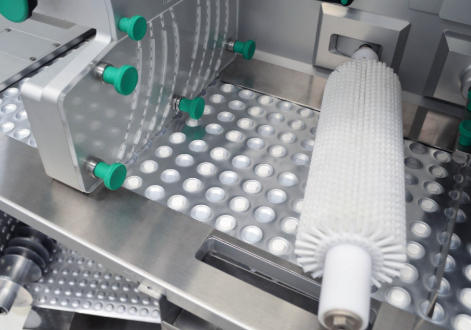
Industrial Role of Isotonicity in Pharmaceutical Facility Design
Establishing isotonic pharmaceutical products consistently requires advanced manufacturing equipment and controlled environmental systems. Everheal, as a professional supplier of pharmaceutical equipment, plays a key role in enabling isotonicity control through its integrated production solutions.
Key Systems Supporting Isotonicity Control
- Purified Water Preparation Systems: Ensure constant supply of high-purity water for isotonic dissolution.
- Pure Steam Generators: Provide sterile steam for equipment sanitization, ensuring contamination-free production.
- Multi-Effect Distillation Machines: Produce Water for Injection (WFI) critical for isotonic injectable formulations.
- Liquid Filling and Sealing Machines: Enable accurate dosing and prevent variation in solution concentration.
- Sterilization Systems: Maintain aseptic standards crucial for sensitive isotonic pharmaceutical preparations.
Through custom factory layout planning and production line design, these systems help pharmaceutical manufacturers meet GMP and international regulatory standards while ensuring product isotonicity consistency.
Methods of Testing Isotonicity
Maintaining isotonicity requires precise analytical control during pharmaceutical preparation. Common tests include:
- Hemolytic Method: Checks the impact of the solution on red blood cells.
- Freezing Point Determination: Compares the freezing point of the formulation with body fluids.
- Coligative Property Measurements: Evaluate osmotic pressure or vapor pressure lowering.
Advanced pharmaceutical laboratories use automated measurement systems and quality control protocols to ensure isotonic balance in every batch.
Challenges and Future Trends
Maintaining isotonicity is not only a formulation challenge but also a manufacturing one. As biopharmaceuticals, vaccines, and nanomedicines become more complex, the importance of isotonicity will grow.
Future trends involve:
- Real-time isotonicity monitoring using digital sensors.
- Integration of AI in pharmaceutical preparation control systems.
- Automated adjustment of osmotic pressure during batch production.
Innovations like these will reshape how pharmaceutical companies ensure isotonic stability while maintaining production efficiency and regulatory compliance.
Conclusion
Isotonicity stands as a foundational requirement in modern pharmaceutical preparation, essential for ensuring safety, efficacy, and comfort across a variety of dosage forms — especially injectables, ophthalmic, nasal, and irrigating solutions.
Maintaining isotonicity demands not only scientific expertise but also advanced equipment such as purified water systems, distillation units, and sterilization facilities. Companies like Everheal provide pharmaceutical manufacturers with the integrated technological solutions necessary for producing isotonic formulations that comply with global GMP standards.
In the evolving pharmaceutical landscape, achieving isotonicity consistently is both a scientific necessity and a manufacturing benchmark for quality assurance.

FAQs About Isotonicity in Pharmaceutical Preparations
1. What does isotonicity mean in pharmaceutical preparation?
Isotonicity refers to a solution's osmotic pressure being equal to that of body fluids. In pharmaceutical preparation, isotonicity ensures the solution does not cause cell rupture or irritation when administered.
2. Why is isotonicity important in injections?
Because injectable pharmaceutical preparations come in direct contact with body fluids, maintaining isotonicity prevents hemolysis, pain, and tissue damage.
3. Which pharmaceutical preparations require isotonicity?
Injectables, ophthalmic solutions, nasal sprays, and irrigating solutions are the main categories requiring isotonicity. These interact directly with sensitive biological tissues.
4. How can isotonicity be achieved?
It is typically achieved by adding isotonic agents like sodium chloride or dextrose and verifying osmotic pressure using freezing point or E-value calculations during pharmaceutical preparation.
5. What equipment supports isotonicity control in manufacturing?
Purified water systems, sterilization machines, multi-effect distillers, and filling lines ensure consistent isotonic conditions in pharmaceutical production facilities.


