Content Menu
● How a CPAP Humidifier Works
● Why Distilled Water Is Recommended
● Benefits for Your CPAP Machine
● Benefits for Safety and Comfort
● Distilled vs Other Types of Water
● Why Use a Distillation Water Machine?
● Using Distilled Water at Home
● Distillation Water Machine in Hospitals and Sleep Labs
● How Distilled Water Protects Device Warranty
● Practical Tips for Daily CPAP Water Use
● Everheal's Solutions for CPAP Water
● Conclusion
● FAQ About Distilled Water and CPAP
>> 1. Is it safe to use distilled water in every CPAP machine?
>> 2. What happens if I use tap water instead of distilled water?
>> 3. Can I use bottled or purified water when traveling?
>> 4. Can I make my own distilled water at home for CPAP?
>> 5. How does a Distillation Water Machine support CPAP therapy in hospitals?
Yes, you not only can but should use distilled water in a CPAP machine, because CPAP manufacturers and sleep‑health organizations consistently recommend it as the safest option for both your lungs and the humidifier hardware. Distilled water from a high‑purity Distillation Water Machine is virtually free from minerals, microbes, and chemical residues, which helps prevent scale buildup, contamination, and performance loss over long‑term CPAP therapy.
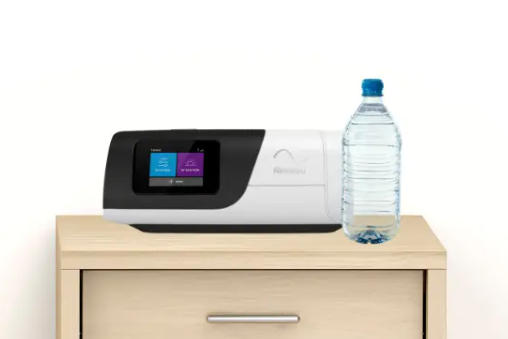
CPAP (Continuous Positive Airway Pressure) therapy keeps the airway open during sleep by blowing a gentle, constant airflow through a mask. When this airflow is dry, many users experience nosebleeds, dry mouth, sore throat, or general discomfort, so most modern devices include an integrated humidifier. Because the humidifier repeatedly heats and cools water directly in the airflow path, the purity of that water becomes a critical factor in both comfort and safety.
How a CPAP Humidifier Works
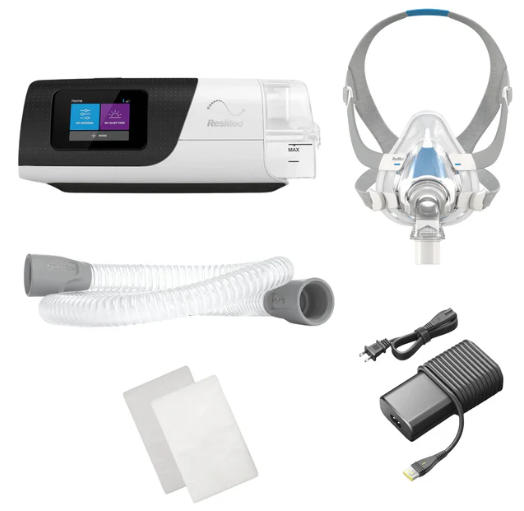
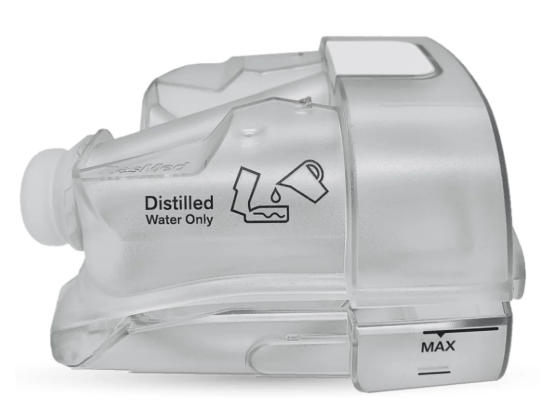
A CPAP machine contains a blower that generates pressurized air, a humidifier chamber that adds moisture, tubing that carries the air, and a mask that delivers it to the patient. The humidifier chamber is a removable container that is partially filled with water and placed on or above a heating plate in the device. As the heater warms the water, it evaporates into the passing airflow and increases the humidity of the air the user breathes.
There are typically two modes of humidification: heated and pass‑over. Heated humidifiers actively warm the water to produce more moisture, while pass‑over humidifiers rely on ambient temperature airflow passing over a water surface. In both cases, any dissolved minerals or contaminants in the water stay behind and gradually accumulate inside the chamber, on the heater plate, and sometimes in the tubing.
When mineral‑rich water is used, the evaporation process leaves calcium, magnesium, and other salts behind as a visible white or yellow scale. Over time this scale can roughen surfaces, trap biofilm, and reduce the efficiency of heat transfer. As a result, the humidifier may become less effective, harder to clean, and more prone to harboring microorganisms. This is why the choice between tap water and distilled water is a central concern for long‑term CPAP users.
Why Distilled Water Is Recommended
Distilled water is produced by boiling water and condensing the steam in a separate chamber, leaving most dissolved substances behind. This process removes the majority of mineral ions, many organic compounds, and a large proportion of microorganisms, resulting in very low‑conductivity, low‑residue water. For CPAP humidifiers, this is ideal because it drastically slows down the formation of limescale and visible deposits.
Manufacturers and sleep‑health professionals emphasize distilled water because it keeps internal surfaces smooth and easier to clean, and it reduces the risk that users will inhale trace mineral dust or chemical residues. With distilled water, the humidifier chamber usually stays clear and shiny for much longer, and any routine cleaning tends to be faster and more effective. In contrast, routine use of tap or well water often leads to cloudy plastic, stubborn scale, and the need for more aggressive descaling procedures.
Using distilled water also supports consistent humidity output. When scale builds up on the heater plate, it can change the way heat is transferred into the water, making humidification more unpredictable. A chamber fed by distilled water, especially water produced from a stable Distillation Water Machine, behaves more consistently, giving the user more predictable comfort night after night.
Benefits for Your CPAP Machine
Using distilled water brings several direct benefits for CPAP equipment:
- It greatly reduces mineral deposits inside the chamber and on the heater plate, which helps maintain efficient humidification.
- It extends the service life of the water chamber, seals, and sometimes the tubing, because plastics and silicone are exposed to fewer aggressive mineral crystals and residues.
In devices where replacement parts are expensive, these benefits translate into lower total cost of ownership. Many users who switch from tap to distilled water notice that they no longer need to scrub away chalky deposits or replace the chamber as often. For clinics and hospitals that manage fleets of CPAP units, this reduction in wear and cleaning workload can be substantial.
Distilled water also supports clearer visual inspection. When the chamber stays transparent and free of scale, staff and users can more easily see any discoloration or foreign matter that might indicate contamination. This transparency improves day‑to‑day safety checks and makes it easier to implement strict cleaning protocols.
Benefits for Safety and Comfort
Water quality affects not only the device but also what the user ultimately inhales. While drinking water standards are designed for the digestive tract, CPAP humidifiers aerosolize water into the airways, which lack the protective acid environment of the stomach. If the water contains bacteria, fungi, or other microorganisms and the device is not cleaned correctly, there is a risk that these microbes could be carried into the lungs.
Distilled water reduces this risk by minimizing the initial microbial load and by avoiding nutrient‑rich residues that can support bacterial growth. It is not a substitute for cleaning, but it works together with good hygiene practices to keep the humidifier interior less hospitable to unwanted organisms. For users with weakened immune systems, chronic lung disease, or post‑surgical vulnerability, this combination is especially important.
Comfort is another major advantage. Distilled water does not contain chlorine, chloramine, or other disinfectant byproducts commonly found in tap water. When heated, these chemicals can evaporate and potentially irritate sensitive nasal or throat tissues. Distilled water avoids these additives, helping to provide neutral, odorless humidity that feels gentler and more natural during sleep.
Distilled vs Other Types of Water
Different water types behave differently in a CPAP humidifier:
- Tap water: Convenient, but often contains significant mineral content (hardness) and chemical disinfectants. With repeated use it quickly leaves scale and may support biofilm.
- Well water: Can be even harder than municipal tap water and may carry additional minerals or contaminants, making it unsuitable for long‑term CPAP humidifier use.
- Bottled purified or filtered water: May have some minerals removed, but typically still leaves enough residue to cause scale over time, especially in heated chambers.
- Boiled tap water: Kills many microorganisms, but boiling does not remove minerals. Once the water evaporates, salts remain and still form deposits.
In short, boiled or filtered water can be used in emergencies, but they do not fully replace the advantages of true distilled water. Distilled water remains the only practical choice that both minimizes minerals and significantly reduces microbial and chemical concerns on a daily basis.
Why Use a Distillation Water Machine?
A Distillation Water Machine is a dedicated system designed to produce distilled water continuously or in large batches. In pharmaceutical environments, these machines are built to meet strict regulatory standards and often feed ultrapure water loops, sterile production equipment, and pure steam generators. The same principles that protect injectable drugs and sterile production lines also make this water exceptionally suited for CPAP humidifiers.
Compared with buying small retail bottles, a Distillation Water Machine offers:
- Consistent purity: Automated control of temperature, condensation, and storage conditions ensures that each batch meets a defined quality standard.
- Cost efficiency: In hospitals, sleep labs, and large clinics, on‑site distillation scales far better than purchasing individual bottles for dozens or hundreds of CPAP units.
Because Everheal specializes in Distillation Water Machine solutions for pharmaceutical and medical applications, its equipment can be integrated into broader water systems that also supply sterilizers, washers, and pure steam. This integration ensures a unified water‑quality strategy rather than relying on disconnected sources of varying purity.
Using Distilled Water at Home
Most home CPAP users obtain distilled water from pharmacies, supermarkets, or online retailers. It is generally inexpensive, and a single container can last many nights depending on the size of the humidifier chamber and the humidity setting. For home use, the key points are storage, handling, and daily routine.
Users should store distilled water in a sealed container away from direct sunlight and avoid touching the inside of the bottle opening or the cap with unclean hands. Each night, the humidifier chamber should be filled with fresh distilled water and, in the morning, any remaining water should be emptied rather than topped up. This practice reduces the time water stays stagnant in the chamber and helps keep microbial growth under control.
Weekly, the chamber should be washed with a mild, non‑abrasive detergent, rinsed thoroughly, and left to air‑dry completely. Even when using distilled water, this regular cleaning step is necessary to remove any film or contamination introduced during handling. Following these simple habits combines the chemical advantages of distilled water with sound hygiene.
Distillation Water Machine in Hospitals and Sleep Labs
In hospitals and sleep laboratories, the scale and complexity of CPAP usage increase. Multiple devices may be in operation at the same time, and various staff members may be responsible for filling and cleaning humidifier chambers. Relying on consumer‑grade bottled distilled water can make tracking quality and batch history difficult, especially when audits or regulatory inspections occur.
By installing a central Distillation Water Machine and connecting it to a purified water storage tank and distribution loop, facilities can deliver high‑purity water to dedicated CPAP filling stations. These stations may be located in sleep labs, respiratory wards, or equipment‑reprocessing rooms, where staff can conveniently fill humidifier chambers from validated outlets. This approach standardizes water quality and makes it easier to document compliance with infection‑control and equipment‑maintenance policies.
Everheal designs such systems so that the same distilled water infrastructure can support other hospital devices, such as autoclaves, washer‑disinfectors, and analytical instruments. By offering turnkey layout planning and production‑line construction, Everheal helps clients design logical piping routes, buffer tanks, and monitoring points that fit within the overall hospital or plant architecture.
How Distilled Water Protects Device Warranty
Device manufacturers often include specific instructions about water types in their user manuals. When users repeatedly ignore these recommendations and use mineral‑rich water, the resulting damage—such as heavy scale, cracked chambers, or burnt heater plates—may not be covered under warranty. Distilled water aligns with the approved use conditions, making it easier to claim support if other unrelated issues arise.
For institutions managing many devices, protecting warranty status across the fleet is a significant cost‑control factor. Centralized policies that mandate distilled water, combined with training and easy access to distilled water outlets or containers, reduce variability in how staff handle humidifiers. A Distillation Water Machine, along with clear standard operating procedures, supports these policies by ensuring that water quality is both consistent and documented.
Practical Tips for Daily CPAP Water Use
To get the full benefit of distilled water in CPAP therapy, users can follow these practical tips:
- Use true distilled water whenever possible, not just “purified” or “spring” water.
- Empty and refill the humidifier chamber daily with fresh distilled water instead of topping off old water.
- Clean the chamber every week with mild detergent, rinse thoroughly, and allow it to air‑dry completely before reuse.
- Inspect the chamber regularly for any discoloration, odor, or visible film; if these appear, clean or replace the chamber promptly.
- If forced to use non‑distilled water temporarily, return to distilled water as soon as possible and perform a more thorough cleaning to remove any residual scale.
These steps are simple but significantly improve the long‑term reliability of both the water system and the CPAP hardware. When combined with water from a reliable Distillation Water Machine, they create a robust barrier against premature wear and hygiene problems.
Everheal's Solutions for CPAP Water
Everheal is a Chinese company specializing in pharmaceutical equipment, including purified water preparation systems, pure steam generators, multifunctional Distillation Water Machine units, liquid filling and sealing machines, and sterilization systems. For customers in medical and sleep‑health fields, Everheal adapts this pharmaceutical expertise to build water solutions tailored to CPAP therapy and respiratory care.
Everheal's engineering team helps clients:
- Design complete distilled water production and distribution systems that feed CPAP humidifiers, sterilizers, and other medical devices.
- Plan factory and facility layouts so that Distillation Water Machine units, storage tanks, and pipelines are logically arranged, easy to maintain, and compliant with relevant standards.
By combining equipment, engineering design, and project execution, Everheal supports global customers who want to ensure a safe, stable supply of distilled water for CPAP users in both hospital and home‑care supply chains.
Conclusion
Distilled water is the clearly preferred choice for use in CPAP humidifiers because it minimizes mineral buildup, reduces microbial and chemical risks, and helps devices deliver consistent humidity and comfort over many years. Whether purchased in bottles or produced on‑site by a pharmaceutical‑grade Distillation Water Machine, high‑purity distilled water works together with good cleaning habits to protect both the user's lungs and the sensitive components inside the CPAP machine.
For hospitals, sleep labs, and large distributors, integrating a Distillation Water Machine into a broader purified water system creates a reliable, auditable source of CPAP‑grade water. For individual home users, choosing distilled water each night is a simple, low‑cost step that improves therapy quality, supports device longevity, and aligns with manufacturer recommendations for safe, effective CPAP treatment.
FAQ About Distilled Water and CPAP
1. Is it safe to use distilled water in every CPAP machine?
Yes. Distilled water is safe for essentially all CPAP humidifiers and is the water type most manufacturers recommend in their user manuals. Users should always review the instructions for their specific device, but in practice distilled water is treated as the default option, not a special case.
2. What happens if I use tap water instead of distilled water?
Using tap water occasionally in an emergency usually does not cause immediate failure, but repeated use leads to visible scale, cloudy chambers, and potentially shorter component life. Minerals and additives in tap water remain after evaporation and accumulate on the heater plate and chamber walls, making cleaning harder and sometimes affecting humidity performance.
3. Can I use bottled or purified water when traveling?
If distilled water is not available while traveling, bottled purified or filtered water can be used for short periods. However, most of these waters still contain enough minerals to leave deposits when heated repeatedly. After returning home, you should switch back to distilled water and clean the humidifier more thoroughly to remove any scale that may have formed.
4. Can I make my own distilled water at home for CPAP?
It is technically possible to distill water at home using simple equipment such as a pot and a condensation setup, but maintaining consistent purity and preventing contamination during storage can be difficult. For most users, buying commercial distilled water or using distilled water produced by a professionally designed Distillation Water Machine is more reliable and safer for CPAP use.
5. How does a Distillation Water Machine support CPAP therapy in hospitals?
In hospitals and sleep labs, a central Distillation Water Machine can produce large volumes of high‑purity water for CPAP humidifiers and other devices. By connecting this machine to a distribution loop and dedicated filling points, facilities can standardize water quality, simplify staff workflows, and meet hygiene and regulatory requirements for respiratory equipment with traceable, well‑documented water quality.


