Content Menu
● What Is a HEPA Air Filter?
>> Understanding HEPA Technology
>> Composition and Structure
● Can You Wash a HEPA Air Filter?
>> The Short Answer
>> Why Washing Is Not Recommended
>> Exceptions and Specialized HEPA Filters
● Alternatives to Washing HEPA Filters
>> Regular Replacement
>> Filter Cleaning and Maintenance Practices
>> Using Filter Media Sprays or Coatings
● How To Properly Maintain HEPA Air Filters?
>> Inspection and Monitoring
>> Replacement Schedule
>> Proper Installation and Sealing
>> Environmental Control
● Conclusion
● FAQs About HEPA Air Filters
>> 1. Can HEPA air filters be reused?
>> 2. How often should I replace a HEPA air filter?
>> 3. Are there washable HEPA filters available?
>> 4. What are the signs that a HEPA filter needs replacement?
>> 5. How can I extend the lifespan of my HEPA air filter?
HEPA air filters are essential components in many environments, especially in industries requiring strict air quality standards such as healthcare, manufacturing, and pharmaceutical production. Their high efficiency in removing microscopic particles makes them indispensable for ensuring clean, contaminant-free air. However, one common question that arises among users and facility managers is: Can you wash a HEPA air filter?
Proper maintenance of HEPA air filters extends their lifespan and guarantees optimal performance. This article explores whether washing a HEPA air filter is feasible, the best practices for maintaining these filters, and alternative options to prolong their useful life.
What Is a HEPA Air Filter?
Understanding HEPA Technology
HEPA stands for High-Efficiency Particulate Air. These filters are designed to trap at least 99.97% of particles with a size of 0.3 microns, including dust, allergens, bacteria, viruses, and other airborne contaminants. This high level of filtration makes HEPA filters ideal for use in sterile environments, cleanrooms, and pharmaceutical manufacturing facilities.
Composition and Structure
A typical HEPA air filter comprises tightly woven fibers, often made of fiberglass or synthetic materials, arranged in a pleated configuration. The dense network of fibers captures airborne particles through mechanisms such as interception, impaction, and diffusion. The filter media is sealed within a frame, creating a barrier that filters air as it passes through.
Can You Wash a HEPA Air Filter?
The Short Answer
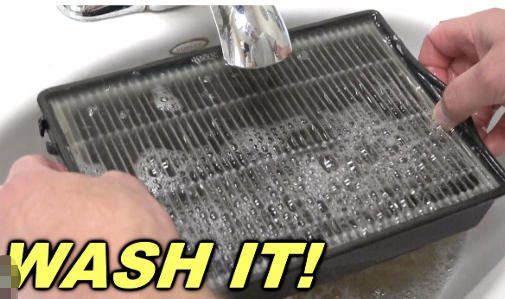
In most cases, washed or reused HEPA filters are not recommended. Manufacturers generally advise against washing HEPA filters because the cleaning process can damage the delicate fiber structure, compromise the filter's integrity, or reduce its efficiency.
Why Washing Is Not Recommended
- Fiber Damage: The filtration media used in HEPA filters is designed for static and mechanical filtration, not for wet cleaning. Washing can dislodge or damage the fibers, resulting in decreased effectiveness.
- Loss of Electrostatic Properties: Many HEPA filters rely on electrostatic charge to enhance particle capture. Water or cleaning agents can remove or diminish this charge, significantly reducing filtration efficiency.
- Difficulty Achieving Adequate Drying: Properly drying a HEPA filter after washing is challenging. Residual moisture can promote microbial growth or mold, further compromising the filter.
- Manufacturer Recommendations: Most manufacturers explicitly state that HEPA filters are *not washable* and should be replaced when contaminated or after their service life.
Exceptions and Specialized HEPA Filters
Some medical or industrial HEPA filters are designed for chemical or moist environments and may be washable under controlled conditions. Always consult the manufacturer's specifications before attempting any cleaning.
Alternatives to Washing HEPA Filters
Regular Replacement
The most effective way to maintain high air quality and filter performance is to replace HEPA filters according to the manufacturer's recommended schedule. Regular replacement ensures consistent filtration efficiency and minimizes contamination risks.
Filter Cleaning and Maintenance Practices
- Pre-Filters: Use pre-filters to trap larger particles, reducing the load on the HEPA filter and prolonging its lifespan.
- Proper Handling: Handle HEPA filters with care to prevent physical damage during installation or replacement.
- Sealed Environments: Maintain proper sealing of filter units to prevent bypass leakage and contamination.
Using Filter Media Sprays or Coatings
Some companies offer filter surface coatings that can extend the life of HEPA filters by repelling dust or microbial growth, but these should be used in conjunction with regular replacement, not as a substitute for proper maintenance.
How To Properly Maintain HEPA Air Filters?
Inspection and Monitoring
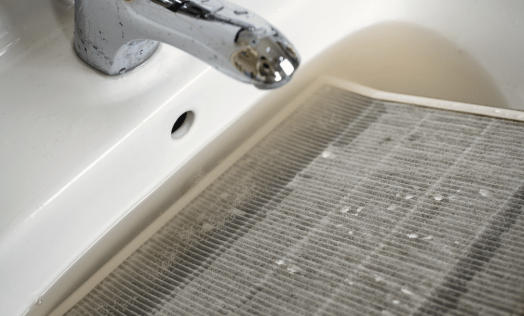
Regular visual inspection for visible dust buildup, tears, or damage is vital. Use airflow measurements to ensure the filter's performance remains within specified parameters.
Replacement Schedule
Follow the manufacturer's guidance for replacement intervals—often every 6 to 12 months, depending on operating conditions and contamination levels.
Proper Installation and Sealing
Ensure that HEPA filters are installed correctly with proper gasketing to prevent leaks. Good sealing is critical for optimal filtration performance.
Environmental Control
Maintain controlled environments with minimal dust, humidity, and microbial contamination to prolong the service life of HEPA filters.
Conclusion
While washing a HEPA air filter might seem like an eco-friendly and cost-effective solution, it is generally not recommended. The delicate fiber structure, electrostatic properties, and potential for microbial growth make washing an unsuitable method for cleaning HEPA air filters. Instead, routine replacement combined with preventative maintenance—such as pre-filtration and proper installation—helps maintain optimal air quality. Always follow manufacturer guidelines and industry standards to ensure clean, safe, and efficient filtration in your pharmaceutical or manufacturing environment.
FAQs About HEPA Air Filters
1. Can HEPA air filters be reused?
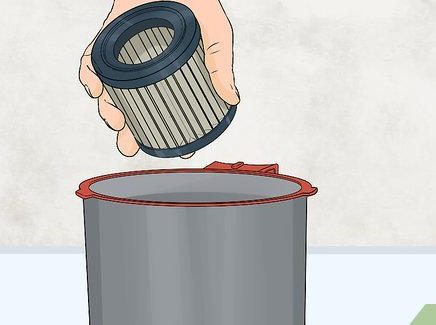
Most HEPA filters are intended for single use and should be replaced according to manufacturer recommendations. Reusing or washing filters can severely reduce their effectiveness.
2. How often should I replace a HEPA air filter?
Typically, HEPA filters should be replaced every 6 to 12 months, depending on usage, environment, and manufacturer instructions. In highly contaminated environments, more frequent replacement may be necessary.
3. Are there washable HEPA filters available?
Yes, some specialized HEPA filters are designed to be washable for industrial or specific medical applications. Always verify with the manufacturer whether a particular filter model is washable.
4. What are the signs that a HEPA filter needs replacement?
Signs include decreased airflow, increased particle counts in the environment, visible dust accumulation, or if the filter has been in use beyond its recommended lifespan.
5. How can I extend the lifespan of my HEPA air filter?
Use pre-filters to trap larger particles, avoid direct airflow obstructions, handle filters carefully, and keep the surrounding environment clean and dust-free.


