Content Menu
● Understanding the Function of Air Purifier Filters
● What Is a Washable Air Filter?
>> Types of Washable Air Filters
● Are All Air Purifier Filters Washable?
● Benefits of Using a Washable Air Filter
>> 1. Long-Term Cost Savings
>> 2. Environmentally Friendly Option
>> 3. Consistent Airflow
>> 4. Durability and Reliability
>> 5. Ideal for Industrial and Laboratory Use
● Limitations of Washable Air Filters
>> 1. Lower Filtration Efficiency
>> 2. Time-Consuming Cleaning
>> 3. Potential Performance Decline
>> 4. Compatibility Issues
>> 5. Improper Cleaning Can Damage the Filter
● How to Clean a Washable Air Filter Properly
● Advanced Maintenance Tips for Washable Filters
● Comparison: Washable Air Filter vs. Replaceable Filter
● Choosing the Right Washable Air Filter for Your Needs
● Applications of Washable Air Filters in Industrial and Pharmaceutical Settings
● Performance Optimization with Multi-Stage Filtration
● Common Mistakes When Using Washable Air Filters
● The Future of Washable Air Filter Technology
● Conclusion
● FAQs About Washable Air Filters
>> 1. What happens if I wash a HEPA filter?
>> 2. How often should a washable air filter be cleaned?
>> 3. Can a washable air filter eliminate smoke or odors?
>> 4. How can I extend the lifespan of a washable air filter?
>> 5. Are washable air filters suitable for medical or pharmaceutical applications?
Clean indoor air has become essential to protect respiratory health, especially in modern environments filled with pollutants, allergens, and volatile chemicals. Whether at home, in laboratories, or industrial workshops, air purification systems are now fundamental equipment for maintaining safe and breathable air quality.
But among all the technical questions users ask, one stands out: Is an air purifier filter washable? Knowing whether a filter can be washed, reused, or replaced is key to performance, operational cost, and long-term air safety.
This article explores everything you need to know about washable air filters—how they work, their advantages, limitations, cleaning techniques, and applications in household and industrial environments.
Understanding the Function of Air Purifier Filters
Air purifiers perform one simple yet critical role—removing harmful substances from the air. The effectiveness of any air purifier depends almost entirely on the type and condition of its filters.
Filters capture various contaminants such as dust, pollen, smoke, animal dander, mold spores, and other airborne microorganisms. The most common filter types include:
- Pre-filter: The first line of defense. It captures large particles such as hair, dust, and lint.
- HEPA filter (High-Efficiency Particulate Air): Known for its precision, it removes particles as small as 0.3 microns with 99.97% efficiency.
- Activated carbon filter: Designed to absorb gases, odors, and chemical pollutants.
- Washable Air Filter: A reusable option made of durable materials that can be cleaned and reused multiple times.
While disposable filters dominate the consumer market, the concept of washable filters is gaining attention because they reduce maintenance costs and environmental waste.
What Is a Washable Air Filter?
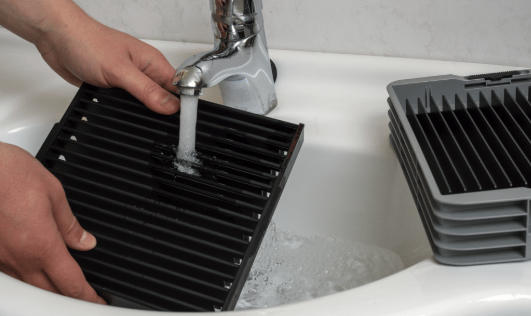
A Washable Air Filter is specifically designed for long-term use. Instead of replacing it, you can clean it periodically to remove accumulated contaminants.
These filters are commonly composed of synthetic fiber mesh, metal mesh, or electrostatically charged surfaces, all of which can withstand water exposure and gentle cleaning agents.
Types of Washable Air Filters
1. Mechanical Washable Filters:
Constructed from layers of nylon or metallic mesh, they trap dust and larger airborne particles physically.
2. Electrostatic Washable Filters:
These filters create an electrostatic charge as air passes through, attracting particles like a magnet. The charge refreshes after each cleaning cycle.
Both types can serve as pre-filters in complex air purification systems, protecting more delicate components such as HEPA or activated carbon filters.
Are All Air Purifier Filters Washable?
No. Only certain filters are washable. Washing the wrong type can completely destroy its functionality.
For example:
- HEPA filters cannot be washed because their fiber structure collapses when wet, reducing efficiency.
- Activated carbon filters should never contact water or detergent; moisture renders them ineffective in trapping gases.
- Pre-filters made of mesh or polymer can usually be washed safely.
Here's a quick comparison of different filter types and their cleaning properties:
| Filter Type | Washable | Cleaning Method | Recommended Replacement |
| Pre-filter (mesh type) | Yes | Rinse with water or vacuum | 6–12 months |
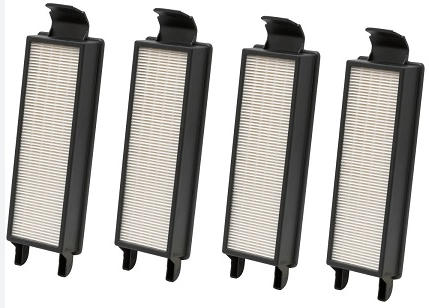
| HEPA filter | No | Replace only | 6–18 months |
| Activated carbon | No | Replace only | 3–6 months |
| Washable metal/electrostatic | Yes | Rinse, dry, and reuse | 5–10 years if maintained |
Thus, while air purifiers may contain washable sections, not every layer qualifies as a washable air filter.
Benefits of Using a Washable Air Filter
1. Long-Term Cost Savings
Disposable filters need frequent replacement, which adds up over time. Washable filters, on the other hand, can last several years if properly maintained, reducing annual maintenance costs significantly.
2. Environmentally Friendly Option
Reusing filters means less waste. For eco-conscious homes and companies seeking sustainability goals, washable options help minimize landfill contribution.
3. Consistent Airflow
A clogged filter strains the purifier's motor, increasing energy consumption. Routine washing keeps the air passage clean and airflow consistent, ensuring optimal unit performance.
4. Durability and Reliability
High-quality washable air filters are designed for repeated washing cycles without deformation. Stainless steel and reinforced polymer filters can endure years of mechanical stress.
5. Ideal for Industrial and Laboratory Use
In pharmaceutical, cleanroom, or industrial environments, washable filters are the first layer of air filtration, protecting downstream sterile filters. This stage-by-stage design reduces the frequency of delicate filter replacements.
Limitations of Washable Air Filters
No technology is perfect, and washable air filters also come with certain trade-offs.
1. Lower Filtration Efficiency
Washable filters are effective for large particles like dust or lint but struggle with microscopic pollutants. They typically achieve between 60–80% efficiency, far below the HEPA standard of 99.97%.
2. Time-Consuming Cleaning
The cleaning and drying process can take several hours. Using a damp filter too soon can promote bacterial or mold growth inside the purifier.
3. Potential Performance Decline
Every wash slightly alters the microstructure of the filter material. Over many cycles, the filter's capture efficiency may drop, even if it appears clean.
4. Compatibility Issues
Not all air purifiers are built for washable filters. Some devices use sealed cartridges that cannot be disassembled safely without voiding the warranty.
5. Improper Cleaning Can Damage the Filter
Using harsh chemicals, hot water, or scrubbing may corrode the mesh, leading to permanent damage.
How to Clean a Washable Air Filter Properly
Maintaining your washable air filter properly ensures both performance and longevity. Follow these steps:
1. Turn off and unplug the machine before handling.
2. Remove the filter carefully as directed by your equipment guide.
3. Vacuum surface dust to remove larger debris.
4. Rinse gently under running water. Avoid high water pressure.
5. If the dirt remains, soak briefly in mild detergent water. Never use bleach or acidic solutions.
6. Shake gently to remove excess water.
7. Leave to air dry in a shaded area for several hours. Never use direct sunlight or blow dryers.
8. Reinstall only when fully dry to prevent microbial contamination inside the machine.
To maintain stable performance, wash the filter every 2–4 weeks in normal home environments, or weekly for high-dust or industrial areas.
Advanced Maintenance Tips for Washable Filters
- Inspect regularly: Even washable materials degrade over time. Replace after visible wear or fraying.
- Use a soft brush: Helps clean fine mesh safely.
- Record the cleaning cycle: Frequent cleaning logs improve planning for replacements in commercial setups.
- Test air output: After every cleaning, check airflow consistency; if reduced, the filter may need replacement despite being reusable.
- Keep backup filters: Having an extra washable air filter ensures uninterrupted purification while one dries.
Comparison: Washable Air Filter vs. Replaceable Filter
| Feature | Washable Air Filter | Replaceable Filter |
| Lifespan | Up to 10 years | 3–12 months |
| Maintenance | Wash and reuse | Replace periodically |
| Cost Efficiency | High over time | High recurring cost |
| Environmental Impact | Eco-friendly | Contributes to waste |
| Filtration Precision | Moderate | High (HEPA/Carbon) |
| Best Application | Pre-filtration, industrial use | Homes, medical facilities |
A combination approach is most efficient—washable pre-filters paired with replaceable HEPA filters. This balances filtration precision and sustainability.
Choosing the Right Washable Air Filter for Your Needs
Before buying a washable air filter or air purifier with reusable components, consider the following factors:
1. Filter Material: Choose rust-resistant, tear-proof mesh made of stainless steel or polymer fiber.
2. Filter Grade: Check if particle retention efficiency matches your air quality goals.
3. Device Compatibility: Ensure your purifier or HVAC system supports washable components.
4. Environment Type: For homes with pets or smokers, washable filters can manage large dust loads efficiently; for medical or cleanroom use, combine them with advanced HEPA layers.
5. Ease of Cleaning: Filters with removable frames and simple latch mechanisms make cleaning faster and safer.
Manufacturers like Everheal, which specialize in pharmaceutical equipment and clean air solutions, often integrate washable systems into their purification setups for cost and environmental efficiency.
Applications of Washable Air Filters in Industrial and Pharmaceutical Settings
In industrial environments such as pharmaceutical production, packaging plants, and laboratories, air quality control directly impacts safety, compliance, and product integrity.
Washable air filters are frequently used as the first filtration stage, removing large contaminants like dust and hair before air enters HEPA-graded filters or sterile work zones.
For example, in pharmaceutical water processing systems or sterile liquid filling lines, Everheal's custom equipment integrates washable pre-filters to minimize particle load and extend the lifespan of ultra-clean downstream filters.
These filters are also valuable in HVAC systems for hospitals, where equipment must operate continuously without generating excess waste or downtime.
Performance Optimization with Multi-Stage Filtration
Advanced air purification systems often adopt multi-layer filtration:
1. Stage 1 – Washable Pre-Filter: Removes coarse particles and extends HEPA lifespan.
2. Stage 2 – HEPA Filter: Captures fine dust, allergens, and pathogens.
3. Stage 3 – Activated Carbon Filter: Neutralizes odors and chemical vapors.
4. Stage 4 – UV Sterilization or Ionization: Eliminates microbial and viral threats.
The washable pre-filter reduces maintenance frequency and cost for later stages, ensuring that sensitive areas—like cleanrooms or medical isolation chambers—maintain uncompromised air safety.
Common Mistakes When Using Washable Air Filters
Even the best washable air filter will fail if mishandled. Avoid these common errors:
- Cleaning too infrequently: Allowing dirt to accumulate shortens lifespan and burdens motors.
- Reinstalling damp filters: Promotes mold and bacterial growth inside the purifier.
- Using aggressive chemicals: Can damage coatings or reduce electrostatic charge.
- Ignoring air leakages: Misaligned filter frames allow unfiltered air to bypass the filter.
- Failing to replace when worn: Despite being reusable, all filters eventually deteriorate.
By following manufacturer guidelines and maintaining consistent cleaning schedules, users can preserve both air quality and energy efficiency.
The Future of Washable Air Filter Technology
The global demand for sustainable indoor air solutions continues to grow. Researchers are developing next-generation washable filter technologies, including:
- Nanofiber-based washable membranes for superior fine-particle trapping.
- Antimicrobial coatings to inhibit mold and bacteria between cleaning cycles.
- Self-cleaning filters that use vibration or reverse airflow mechanisms to shed contaminants automatically.
These innovations point toward a future where air purification systems become even more eco-friendly, efficient, and low-maintenance—ideal for both home and industrial use.
Conclusion
So, is an air purifier filter washable? The answer is both yes and no. Certain filters—especially pre-filters and metal mesh filters—are explicitly designed to be washable and reused. However, HEPA and activated carbon filters must be replaced periodically to maintain purification efficiency.
A washable air filter provides long-term cost savings, reduced waste, and consistent performance when properly maintained. For most setups, a hybrid system using washable filters for coarse dust and disposable HEPA or carbon filters for fine purification offers the best combination of durability and air quality performance.
Whether for a home purifier or an advanced pharmaceutical cleanroom system, integrating washable filtration represents a practical, sustainable path toward cleaner air and greener operations.
FAQs About Washable Air Filters
1. What happens if I wash a HEPA filter?
Washing a HEPA filter permanently damages its fiber network and reduces its ability to capture fine particles. Always replace HEPA filters when indicated.
2. How often should a washable air filter be cleaned?
For home use, every 2–4 weeks is ideal. In heavy industrial or polluted environments, weekly cleaning ensures consistent filtration.
3. Can a washable air filter eliminate smoke or odors?
Not effectively. Washable filters mainly trap large dust particles. Use an activated carbon filter alongside it to remove smells and gases.
4. How can I extend the lifespan of a washable air filter?
Clean regularly, avoid harsh detergents, and ensure thorough drying after every wash. Proper handling can extend the lifespan up to 10 years.
5. Are washable air filters suitable for medical or pharmaceutical applications?
Yes, but typically as pre-filters. They support sterile-grade filters by capturing large particles first, improving system efficiency and compliance.


