Content Menu
● Understanding CPAP Machines and Humidifiers
● What Is Distilled Water?
● Why Distilled Water Is Recommended for CPAP
● Risks of Using Tap Water in a CPAP Machine
● Are Filtered, Boiled, or Bottled Water Acceptable?
● How a Distillation Water Machine Works
● Benefits of a Distillation Water Machine for CPAP Users
● Everheal's Pharmaceutical‑Grade Distillation Water Machine Solutions
● Best Practices for Filling and Using the Humidifier
● Daily and Weekly Cleaning Routines
● Long‑Term Maintenance and Replacement
● Distilled Water and Patient Comfort
● Distilled Water in Manufacturing and Service of CPAP Devices
● Conclusion
● FAQ
>> (1) Do I always need to use distilled water in my CPAP machine?
>> (2) What happens if I accidentally use tap water once?
>> (3) Can I make my own distilled water for CPAP?
>> (4) How often should I replace my CPAP water chamber if I use distilled water?
>> (5) Why is a pharmaceutical‑grade Distillation Water Machine important for hospitals and clinics using CPAP?
● Citations:
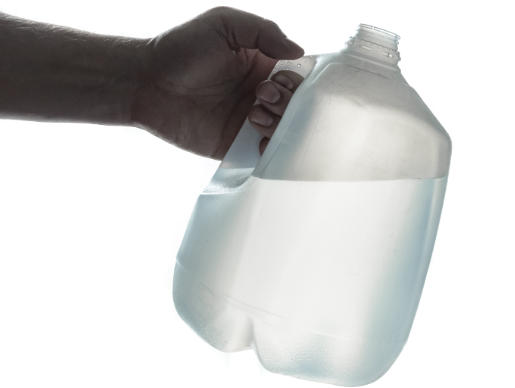
Yes, you should use distilled water for a CPAP machine, and it is the water type most strongly recommended by manufacturers and sleep‑health organizations for protecting both your lungs and your equipment. Distilled water produced by a reliable Distillation Water Machine is virtually free from minerals, microbes, and chemical residues, which helps prevent scale buildup, contamination, and irritation during long‑term CPAP therapy.[1][2][3][4]
Understanding CPAP Machines and Humidifiers
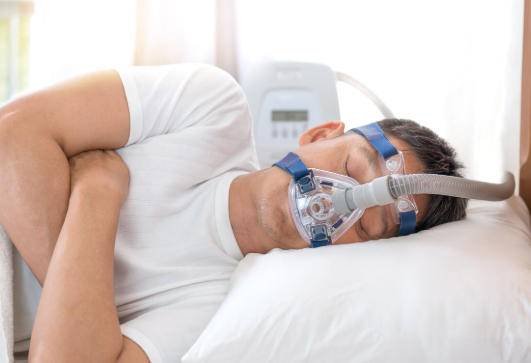
CPAP (Continuous Positive Airway Pressure) machines deliver a steady stream of pressurized air to keep the upper airway open during sleep, reducing apneas and snoring. Many modern CPAP devices include a heated humidifier, which adds moisture to the airflow so that your nose, throat, and mouth do not become excessively dry or irritated.[5][1]
The humidifier chamber is filled with water that is heated and slowly evaporated into the air you breathe through the mask. Because this water is aerosolized and carried deep into the respiratory tract, its purity and mineral content directly affect both user comfort and device performance.[2][4]
What Is Distilled Water?
Distilled water is created by boiling water and then condensing the resulting steam into a separate, clean container, leaving behind dissolved minerals and most microorganisms. When produced in a pharmaceutical‑grade Distillation Water Machine, the process takes place in hygienic stainless‑steel equipment with controlled temperatures, monitored conductivity, and validated cleaning procedures.[6][2]
Compared with tap, filtered, or bottled water, distilled water has extremely low total dissolved solids (TDS) and conductivity, meaning there are far fewer ionic contaminants that can form scale inside the humidifier. That ultra‑low mineral content is the main reason distilled water is preferred for CPAP devices, steam generators, sterilizers, and other sensitive medical equipment.[4][1][3]
Why Distilled Water Is Recommended for CPAP
Sleep‑health organizations and CPAP manufacturers consistently state that distilled water is the best choice for CPAP humidifiers because it minimizes mineral scaling, reduces the risk of microbial contamination, and helps keep the machine functioning as designed. When water evaporates and re‑condenses inside the tank and tubing, minerals in non‑distilled water can crystallize, forming deposits that damage components and are very difficult to remove.[5][2][3][4][7]
Using distilled water also lowers the chance that you will inhale dissolved minerals, biofilm fragments, or chemical residues during sleep, which can aggravate sensitive airways or allergies in some individuals. Distilled water from a controlled Distillation Water Machine process further improves safety and consistency, making it easier for clinicians and patients to maintain a stable therapy environment over many years.[1][9][2][4]
Risks of Using Tap Water in a CPAP Machine
Tap water usually contains dissolved minerals such as calcium and magnesium, which can crystallize on the inner surfaces of the humidifier chamber and tubing when repeatedly heated and cooled. Over time, this scale can discolor the tank, make cleaning more difficult, interfere with sensors, and reduce the lifespan of plastic components, seals, and heating elements.[4][6][8]
In addition, tap water may carry bacteria, fungi, protozoa, or other microorganisms that are safe to swallow in small amounts but not safe to inhale whenn aerosolized. Health authorities and clinical reports have warned that using non‑sterile tap water in home medical devices like humidifiers or nebulizers can contribute to respiratory infections, particularly in older adults, immunocompromised people, or those with chronic lung diseasease.[2][3][4][9]
Are Filtered, Boiled, or Bottled Water Acceptable?
Many CPAP users ask whether purified, filtered, boiled, or bottled water is an acceptable substitute when distilled water is not available. Purified or deionized water that removes many ions and particulates can be safer than raw tap water, but it may still contain trace minerals and organic compounds that eventually leave residue in the humidifier.[8][6]
Boiling tap water makes it microbiologically safer by killing most pathogens, but boiling does not remove minerals or many chemical contaminants, so scale formation remains a problem. Bottled drinking water and mineral water often have even higher mineral content than tap water, which accelerates scaling and may also introduce unfamiliar chemical profiles into your humididifier system.[5][8][9]
Therefore, these alternatives are best seen as short‑term emergency options rather than permanent replacements for distilled water. Once distilled water is available again, the humidifier should be cleaned carefully and filled only with distilled water to restore optimal conditionsitions.[6][8][10]
How a Distillation Water Machine Works
A modern Distillation Water Machine designed for pharmaceutical or medical use typically includes four main stages: feed‑water pre‑treatment, evaporation, condensation, and storage. First, incoming water is filtered and sometimes softened to remove larger particles and reduce scaling risk inside the boiler.[1][8]
Next, the water is boiled in a controlled chamber, and only pure steam rises, leaving most minerals, endotoxins, and other non‑volatile contaminants behind. The steam then passes through a condenser, where it cools and returns to liquid form as purified, low‑conductivity distilled water, which is collected in a hygienic storage tank and often circulated in a stainless‑steel loop to prevent stagnation.[8][1]
Benefits of a Distillation Water Machine for CPAP Users
For individual home users, purchasing bottled distilled water is the most common approach, but facilities that support many CPAP patients benefit from on‑site distillation. In sleep labs, respiratory clinics, and hospitals, a centralized Distillation Water Machine can produce large volumes of CPAP‑grade distilled water every day, reducing packaging waste and ensuring consistent quality.[7][5]
Because the Distillation Water Machine operates with continuous monitoring of conductivity and temperature, it can alert operators to changes in feed‑water quality or equipment performance. This level of control helps medical staff trust that every humidifier chamber is filled with water that meets internal standards, which is particularly important for long‑term sleep‑apnea management programs.[1][8]
Everheal's Pharmaceutical‑Grade Distillation Water Machine Solutions
Everheal specializes in pharmaceutical‑grade water equipment, including pure water systems, pure steam generators, and multifunctional Distillation Water Machine solutions that can be configured for hospitals, clinics, and medical‑device manufacturers. These systems use sanitary stainless‑steel piping, validated control logic, and comprehensive documentation to support compliance with strict regulatory requirements in the pharmaceutical and medical sectors.
For organizations that support large numbers of CPAP patients—such as sleep centers, respiratory clinics, or home‑care distributors—an Everheal Distillation Water Machine can serve as a centralized source of CPAP‑grade distilled water. When combined with Everheal's expertise in factory layout planning and turnkey production‑line design, clients can integrate distilled‑water production seamlessly into their overall infrastructure, from pretreatment and distillation to storage, distribution, and periodic quality testing.
Best Practices for Filling and Using the Humidifier
When preparing your CPAP machine for the night, place the device on a stable, level surface and gently remove the humidifier chamber according to the manufacturer's instructions. Fill the tank only up to the indicated maximum line with distilled water, taking care not to spill water into the machine housing or electrical components.[6]
After placing the chamber back into the CPAP unit, confirm that all seals and gaskets are properly seated so that there are no leaks. Many users notice that when they switch from tap water to distilled water produced from a Distillation Water Machine, the tank remains clearer, and there is less white residue around the water‑line over time.[9][10]
Daily and Weekly Cleaning Routines
Even when using distilled water, CPAP manufacturers and clinical guidelines recommend emptying the humidifier chamber every morning and allowing it to air‑dry to discourage microbial growth. Ideally, the tank, mask, and tubing should be washed regularly with mild soap or a non‑irritating cleaning agent, then rinsed thoroughly and left to dry completely before reassembly.[6][8]
On a weekly basis, many care protocols advise a more detailed inspection and cleaning, including checking for cracks, cloudiness, or odorsodors. If deposits or discoloration appear even with distilled water, it may indicate that non‑distilled water was used at some point, or that the tank has reached the end of its service life and should be replaced.[7][13][11][6]
Long‑Term Maintenance and Replacement
Using distilled water slows down mineral scaling, but plastic and silicone components still degrade naturally over time due to heat, UV exposure, and mechanical stress. Manufacturers typically provide recommended replacement intervals for water chambers, tubing, and masks, and following these guidelines helps maintain both hygiene and comfort.[13][6]
Facilities that rely on a Distillation Water Machine for CPAP water can incorporate these replacement schedules into their preventive‑maintenance plans and inventory systems. By standardizing both water quality and consumable replacement, they reduce variability in patient experience and support more predictable long‑term outcomes.[1]
Distilled Water and Patient Comfort
Humidification improves comfort by preventing dryness and irritation in the nose and throat, which makes it easier for many patients to tolerate CPAP therapy throughoutpy throughout the night. Distilled water helps the humidifier deliver consistent, predictable moisture levels because it behaves uniformly when heated, without the erratic foaming or residue sometimes seen with mineral‑rich tap water.[8][9][11]
Patients who previously used tap or bottled water often report fewer issues with “burning” smells, cloudiness, or unpleasant tastes after switching to distilled water. In clinical programs, aligning patients on distilled water—especially water made by a controlled Distillation Water Machine—simplifies troubleshooting because water quality becomes a stable, known factor.[5][14]
Distilled Water in Manufacturing and Service of CPAP Devices
Beyond day‑to‑day use, distilled water plays a role in the manufacturing and servicing of CPAP devices and accessories. Some producers use distilled or highly purified water for final equipment rinsing, pressure leak testing, and environmental humidity control in cleanrooms or assembly areas.[10][1]
Service centers may also rely on distilled water when cleaning or refurbishing returned equipment so that no new mineral residue is introduced during maintenance. In both contexts, a robust Distillation Water Machine integrated into a broader purified‑water system helps ensure that every process step involving water meets internal quality targets and regulatory expectations.[7][6][1]
Conclusion
Using distilled water for your CPAP machine is not only safe but strongly recommended, because it minimizes mineral buildup, reduces microbial risk, and helps your humidifier perform as designed over the long term. Distilled water produced by a high‑purity Distillation Water Machine—such as those used in pharmaceutical and medical settings—offers especially consistent quality, supporting comfortable, reliable CPAP therapy for patients at home and in clinical facilities worldwide.[9][11][10][1]
FAQ
(1) Do I always need to use distilled water in my CPAP machine?
Most CPAP manufacturers and sleep‑health organizations advise that distilled water should be used all the time in the humidifier, not just occasionally. If distilled water is temporarily unavailable, purified or filtered water may be used in an emergency, but you should switch back to distilled water and clean the chamber more thoroughly as soon as possible.[12][9][10][1]
(2) What happens if I accidentally use tap water once?
Accidentally using tap water for a short period is unlikely to cause immediate serious harm, but it can leave mineral residue and may introduce microbes into the humidifier system. After such an event, you should empty the tank, clean it carefully, refill with distilled water, and monitor for any visible scale or odor.[13][14][12][6]
(3) Can I make my own distilled water for CPAP?
Home distillation methods—such as boiling and capturing steam—can produce cleaner water than standard tap water, but they typically lack the process control and testing of professional systems. Using distilled water from a certified supplier or from a professionally designed Distillation Water Machine provides more consistent purity and is generally preferred for medical use.[5][9][10][1]
(4) How often should I replace my CPAP water chamber if I use distilled water?
With correct use of distilled water and regular cleaning, many guidelines suggest replacing the humidifier tank every several months to a year, depending on the manufacturer's recommendations. Signs that replacement is needed include persistent discoloration, cracks, cloudiness, or odor that does not disappear after thorough cleaning.[14][12][6]
(5) Why is a pharmaceutical‑grade Distillation Water Machine important for hospitals and clinics using CPAP?
Hospitals and clinics must comply with strict water‑quality and infection‑control standards, which require reliable equipment for generating and distributing purified or distilled water. A pharmaceutical‑grade Distillation Water Machine allows these facilities to produce large volumes of consistently high‑quality water for CPAP humidifiers and other medical devices, reducing risk while optimizing operational efficiency.[7][10][1]
Citations:
[1](https://dreamzzsleep.com/should-you-use-distilled-water-for-a-cpap-machine/)
[2](https://distillata.com/blog/what-type-of-water-to-use-for-cpap-machine/)
[3](https://uscpap.com/blogs/news/the-risks-of-using-tap-water-in-cpap-machines-ensuring-safe-and-effective-sleep-apnea-therapy)
[4](https://uscpap.com/blogs/news/tap-water-in-your-cpap-a-deadly-mistake-you-can-easily-avoid)
[5](https://www.verywellhealth.com/do-you-need-distilled-water-for-the-cpap-humidifier-3015017)
[6](https://sleepdoctor.com/pages/cpap/why-use-distilled-water-for-cpap)
[7](https://byjeremysmith.com/distilled-water-cpap-machine)
[8](https://www.youtube.com/watch?v=bc1KsAdxZ68)
[9](https://www.perplexity.ai/search/4e44a314-b16b-40ae-954e-a5b21b5f0e22)
[10](https://www.perplexity.ai/search/113d6b32-f862-4cd2-8bb2-e7d67e89cb2f)
[11](https://www.perplexity.ai/search/4ed13120-f85f-4609-bee7-0f05eedfa78a)
[12](https://www.perplexity.ai/search/2957139d-f2ce-41c9-89a3-83c99bfbb39a)
[13](https://www.perplexity.ai/search/d3b0e5bf-46eb-4ce2-8d38-10c847ae92b1)
[14](https://www.perplexity.ai/search/3a25be87-552a-4e8f-a110-a2c2b74c525d)
[15](https://www.perplexity.ai/search/200f837b-30e6-48e6-9995-301cc00e34db)


