Content Menu
● What Is a HEPA Air Filter?
● How Does a HEPA Air Filter Work?
● Why Is the HEPA Air Filter So Important?
● Do You Really Need a HEPA Filter in Your Air Purifier?
>> Considering Your Environment
>> The Level of Purity You Need
>> Maintenance Commitment
● HEPA Air Filters in the Pharmaceutical Industry
● Advantages of Using HEPA Air Filters
>> 1. Unmatched Filtration Efficiency
>> 2. Versatile Applications
>> 3. Compliance with Health and Safety Standards
>> 4. Long-Term Air Quality Stability
>> 5. Enhanced Comfort and Productivity
● Limitations and Solutions
● How to Choose the Right HEPA Air Filter
● Maintenance and Care for HEPA Air Filters
● HEPA Air Filters and Modern Air Quality Standards
● The Role of HEPA Air Filters in Sustainable Manufacturing
● Future Developments in HEPA Filtration Technology
● Conclusion
● FAQs
>> 1. What does a HEPA Air Filter remove?
>> 2. How often should I replace a HEPA Air Filter?
>> 3. Can HEPA Air Filters capture viruses?
>> 4. Are all HEPA filters the same?
>> 5. Can I reuse or wash a HEPA Air Filter?
In today's world, indoor air quality has become an increasingly important topic for both individuals and industries. From dust and pollen to industrial fumes and pathogens, the air we breathe is filled with tiny contaminants that can harm our health and productivity. For this reason, air filtration systems are no longer a luxury—they are a necessity. One of the most widely recognized and trusted technologies in this field is the HEPA Air Filter.
But do you really need a HEPA filter for your air purifier? In this comprehensive article, we'll explore what HEPA filters are, how they work, their benefits and limitations, and how they are used in highly regulated environments such as pharmaceutical manufacturing.
What Is a HEPA Air Filter?
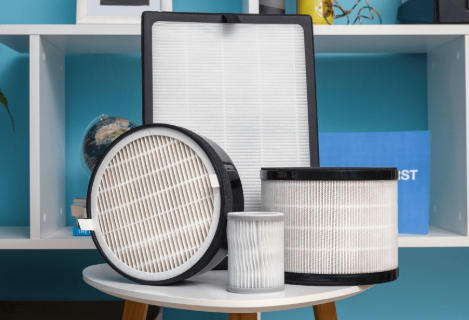
The term HEPA stands for High Efficiency Particulate Air. A true HEPA Air Filter is designed to capture at least 99.97% of airborne particles that are 0.3 microns or larger. To put that into perspective, a human hair is roughly 50–70 microns in diameter—so HEPA filters trap particles far smaller than what the human eye can perceive.
HEPA Air Filters are constructed using dense layers of glass fibers or synthetic materials arranged in a mat-like structure. This complex mesh efficiently traps minute contaminants such as pollen, smoke, mold spores, bacteria, and fine dust, ensuring that almost only clean air passes through.
These filters have become the standard in environments where air purity is crucial — from hospitals and laboratories to aerospace engineering and pharmaceutical manufacturing plants.
How Does a HEPA Air Filter Work?
The working principle of a HEPA Air Filter involves multiple filtration mechanisms rather than simple sieving. Here are the main processes:
1. Interception – When airborne particles pass close to the filter fibers, they adhere to them due to molecular attraction.
2. Impaction – Larger and heavier particles cannot follow the air stream's path and collide directly with fibers, becoming trapped.
3. Diffusion – The smallest particles move irregularly (Brownian motion) and eventually collide with filter fibers, getting absorbed.
These combined actions make HEPA filters highly efficient in removing both large and microscopic particles, making them superior to standard air filters used in most HVAC systems.
Why Is the HEPA Air Filter So Important?
The HEPA Air Filter has become the gold standard for clean air because it significantly improves both environmental and human health conditions. Its importance can be explained through several key advantages:
- Health Protection: HEPA filters trap airborne allergens, pathogens, and pollutants that cause allergies, asthma, or respiratory diseases.
- Industrial Safety: In cleanrooms and production facilities, they maintain contamination-free environments required for GMP compliance.
- Equipment Longevity: By removing dust and fine particles, filters protect delicate equipment and sensors from malfunction.
- Comfort and Productivity: Cleaner air leads to healthier employees, increased focus, and reduced sickness-related absences.
In short, whether used in homes or specialized industrial systems, HEPA Air Filters create safer, healthier environments.
Do You Really Need a HEPA Filter in Your Air Purifier?
Considering Your Environment
If your indoor environment contains high levels of dust, smoke, allergens, or industrial pollutants, the answer is yes. A HEPA Air Filter is an essential addition to your air purifier.
- For homes: Ideal for people with allergies, pets, or living near high-traffic areas with vehicular pollution.
- For offices and schools: Reduces respiratory irritation and viral transmission, especially in closed environments.
- For laboratories and pharmaceutical facilities: Non-negotiable—HEPA filtration is a regulatory requirement under ISO and GMP standards.
The Level of Purity You Need
If your goal is simply to reduce coarse dust, standard filters may suffice. However, for high-level purification—especially for eliminating 0.3-micron particles such as airborne bacteria or viruses—only a true HEPA Air Filter can deliver that level of precision.
Maintenance Commitment
A HEPA filter's longevity depends on air quality and operational hours. Most filters require replacement every six to twelve months. Neglecting maintenance not only reduces performance but can also harbor microorganisms, negating its benefits.
HEPA Air Filters in the Pharmaceutical Industry
In pharmaceutical manufacturing, even a tiny contamination can lead to product rejection, financial loss, or health hazards. Companies like Everheal, a trusted Chinese manufacturer of advanced pharmaceutical equipment, integrate HEPA Air Filters in multiple systems to maintain sterile and compliant production conditions.
Everheal's product range includes:
- Pure Water Preparation Systems
- Pure Steam Generators
- Multi-Effect Distillation Water Machines
- Liquid Filling and Sealing Machines
- Complete Sterilization and Cleanroom Systems
In these systems, HEPA Air Filters play an indispensable role. They ensure the air entering filling lines, fermentation tanks, and packaging facilities remains sterile. Combined with laminar flow units and intelligent air distribution design, HEPA technology guarantees that no bacterial or particulate contamination affects medicines or injection products.
Everheal's team not only provides filtration equipment but also offers customized factory layout planning, ensuring cleanroom classifications and ventilation systems meet international GMP and FDA guidelines.
Advantages of Using HEPA Air Filters
1. Unmatched Filtration Efficiency
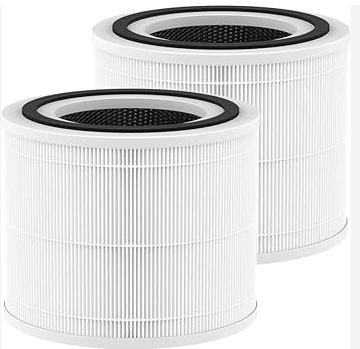
HEPA Air Filters trap particles as small as 0.3 microns with an efficiency of 99.97%. This includes smoke, mold, fine dust, and certain viruses, ensuring that nearly all harmful particles are eliminated.
2. Versatile Applications
HEPA Air Filters are used in air purifiers, hospitals, pharmaceutical plants, aircraft cabins, HVAC systems, and even in advanced microchip manufacturing. Their versatility makes them valuable across countless sectors.
3. Compliance with Health and Safety Standards
Pharmaceutical and food production facilities are legally required to use HEPA filtration in specific zones. Meeting ISO Class 5–8 standards typically involves installing HEPA filters in critical airflow areas.
4. Long-Term Air Quality Stability
Unlike ordinary filters, HEPA filters maintain consistent filtration over time, provided they are replaced regularly and used under recommended airflow conditions.
5. Enhanced Comfort and Productivity
Cleaner air contributes to a healthier environment, improving cognitive function, concentration, and overall workplace comfort.
Limitations and Solutions
Despite their advantages, HEPA Air Filters have some limitations:
- Cannot Remove Odors or Gases: They are not designed to filter volatile organic compounds (VOCs) or bad smells. Pairing HEPA with activated carbon filters solves this issue.
- Higher Energy and Replacement Costs: Due to their density, HEPA filters can create airflow resistance, increasing energy consumption and replacement costs.
- Limited Reusability: HEPA filters are not washable; washing damages fiber structure and reduces efficiency.
To achieve complete purification, many air purification systems combine HEPA filters with carbon filters, UV-C sterilization, and electrostatic precipitators.
How to Choose the Right HEPA Air Filter
When selecting a HEPA Air Filter, it's essential to match it to your application's requirements. Consider the following:
1. Efficiency Grade: Look for H13 or H14 classification under EN 1822 standards for industrial and medical environments.
2. Filter Material: Glass fiber filters are used for high-efficiency cleanrooms; synthetic options are ideal for general air purifiers.
3. Airflow Compatibility: The filter should handle the airflow capacity of your purifier or HVAC system without excessive pressure drop.
4. Frame Structure: Choose aluminum or stainless-steel frames for durability and tight sealing.
5. Certifications: Ensure compliance with ISO 9001, GMP, or local environmental certification standards.
Selecting the right filter ensures maximum system efficiency and safety.
Maintenance and Care for HEPA Air Filters
Proper maintenance of your HEPA Air Filter ensures long-term performance and cost-effectiveness. Follow these essential guidelines:
- Inspect Filters Regularly: Check airflow rate and visible dust accumulation every month.
- Replace on Schedule: Follow the manufacturer's replacement schedule—usually every 6–12 months.
- Clean Surrounding Areas: Maintain the purifier and ducts around the filter to prevent premature clogging.
- Install Pre-Filters: Pre-filters trap larger particles, extending HEPA filter life.
- Monitor Pressure Drop: Industrial systems often have pressure sensors to detect when filters need replacement.
Consistent upkeep guarantees that your HEPA system continues delivering optimal purification levels.
HEPA Air Filters and Modern Air Quality Standards
Governments and international organizations are setting stricter standards on indoor air quality. Norms such as WHO guidelines, ASHRAE standards, and ISO 14644 now emphasize the installation of HEPA Air Filters in sensitive industries.
For manufacturers and laboratory operators, compliance with these standards not only ensures safety but also enhances reputation and market competitiveness. Companies like Everheal work closely with clients to design systems that meet global standards while maintaining cost efficiency.
The Role of HEPA Air Filters in Sustainable Manufacturing
Sustainability has become a driving force in modern industry, and HEPA Air Filters play a key role in clean, sustainable production ecosystems. High-efficiency filtration reduces airborne waste, minimizes product losses, and lowers the need for chemical sterilizers.
Everheal integrates HEPA filtration systems with energy-efficient air handling units and automation controls to optimize performance and reduce power consumption — aligning industrial operations with global environmental goals.
By maintaining pollutant-free air, HEPA systems also contribute to safer working conditions, protecting both workers and the environment.
Future Developments in HEPA Filtration Technology
The future of HEPA Air Filter technology looks promising, with innovations focusing on smart, self-cleaning materials and AI-driven airflow optimization. Hybrid systems that combine HEPA efficiency with electrostatic filtration or UV-C nanocoating are already under development, offering higher filtration efficiency with lower maintenance needs.
For the pharmaceutical and precision manufacturing sectors, digital monitoring of HEPA filters — including pressure, particle count, and replacement alerts — will become standard practice. Everheal continues to explore these technological advancements to serve global clients with sustainable, cutting-edge cleanroom solutions.
Conclusion
Investing in a HEPA Air Filter is more than a step toward cleaner air—it's an investment in health, safety, and environmental responsibility. Whether you're looking to create a healthier home, a cleaner office, or a sterile pharmaceutical facility, HEPA technology ensures the air you breathe is as pure as possible.
With its exceptional ability to trap fine particles, bacteria, and even certain viruses, the HEPA Air Filter has earned its place as a cornerstone of modern air purification. When combined with advanced equipment like Everheal's purification and sterilization systems, it forms a complete solution for industries that can't afford to compromise on cleanliness or compliance.
Clean air should never be optional. Choosing HEPA filtration technology ensures a safer tomorrow — for people, products, and the planet.
FAQs
1. What does a HEPA Air Filter remove?
A HEPA Air Filter captures 99.97% of airborne particles as small as 0.3 microns, including dust, mold, bacteria, pollen, and fine smoke particles.
2. How often should I replace a HEPA Air Filter?
Typically every 6–12 months, depending on usage and air quality. Industrial systems may use sensors to monitor pressure changes and indicate replacement time.
3. Can HEPA Air Filters capture viruses?
Yes. Many viruses and bacteria fall within the size range trapped by HEPA filters. While not a substitute for sterilization, HEPA filtration greatly reduces airborne transmission risks.
4. Are all HEPA filters the same?
No. True HEPA filters meet international testing standards (H13/H14), whereas “HEPA-type” filters are less efficient. Always confirm certification before purchasing.
5. Can I reuse or wash a HEPA Air Filter?
Most HEPA filters are not washable because cleaning damages the fine fiber structure. Reuse may reduce effectiveness and contaminate the air system.


