Content Menu
● Understanding What a Washable Air Filter Is
>> How Washable Filters Work
● Why Choose an Air Purifier with Washable Filter?
>> 1. Long-Term Cost Savings
>> 2. Environmental Responsibility
>> 3. Reliable Air Quality
>> 4. Minimal Maintenance Disruption
>> 5. Long-Lasting Durability
● Industrial and Residential Applications of Washable Filters
>> Residential and Commercial Spaces
>> Manufacturing Facilities
>> Laboratories and Medical Environments
>> Hospitality and Commercial Use
● Core Technologies Behind Washable Air Filters
>> 1. Electrostatic Filtration
>> 2. Metal Mesh Construction
>> 3. Foam and Fiber Layers
>> 4. Hybrid Filter Systems
● Comparing Washable and Disposable Filters
● Key Considerations When Choosing a Washable Filter Purifier
● Maintenance Guidelines for Optimal Performance
● The Importance of Air Purification in Pharmaceutical Facilities
● Advantages in Modern Sustainable Design
● Future Trends in Air Purification Technologies
● Conclusion
● FAQ
>> 1. How long do washable air filters last?
>> 2. Can washable filters remove smoke or odor particles?
>> 3. Are washable filters suitable for cleanroom applications?
>> 4. Do washable filters save energy?
>> 5. What are the common mistakes when using washable filters?
Clean air is a fundamental part of healthy living—whether at home, in an office, or within a large-scale industrial facility. With increasing global concern about indoor air pollution, the demand for efficient and sustainable purification technologies has grown significantly. One question many businesses and individuals often ask is: “Is there an air purifier with a washable filter?”
The answer is yes. Modern air purifiers increasingly feature washable air filters, designed to merge high filtration efficiency with long-term sustainability and cost-effectiveness. These filters can be cleaned, reused, and maintained easily, providing both environmental and operational advantages. This article explores their functionality, benefits, use cases, and how to choose the best solution for your space or production environment.
Understanding What a Washable Air Filter Is
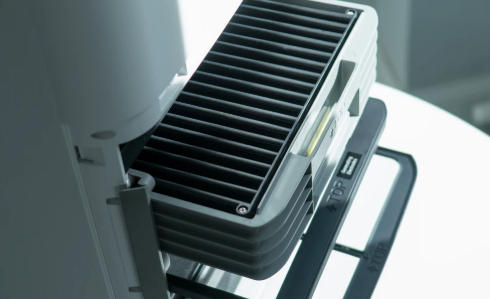
A washable air filter is a reusable component used in air purification systems to trap dust, allergens, smoke, and other airborne particles. Unlike disposable filters that need regular replacement, washable filters can be cleaned using water or mild detergents and reused multiple times.
Most washable filters are made from materials such as aluminum mesh, foam, or electrostatically charged fabric. Their primary purpose is to provide consistent air purification while minimizing maintenance waste and costs.
How Washable Filters Work
Washable filters typically employ a multi-layer filtration structure:
- The outer layer captures larger particles like hair and dust.
- The middle layer traps smaller contaminants such as mold spores and lint.
- The inner electrostatic layer attracts fine particles, including smoke and small allergens.
When the filter becomes saturated, airflow efficiency decreases. At that point, users can simply remove the filter, rinse it with clean water, allow it to dry completely, and reinstall it. Some air purifiers even include indicator lights or smart sensors that notify users when cleaning is necessary.
Why Choose an Air Purifier with Washable Filter?
The growing popularity of washable air filters stems from their combination of performance, sustainability, and cost savings.
1. Long-Term Cost Savings
One of the main advantages is financial efficiency. Conventional HEPA filters require frequent replacements, which increases ongoing costs. In contrast, washable filters are an investment with long-term returns, especially for manufacturing organizations or hospitals that operate purifiers continuously.
2. Environmental Responsibility
Replacing disposable filters every few months contributes to landfill waste. Washable filters significantly reduce this environmental burden. For eco-conscious factories, laboratories, or homes, a washable air filter is a step forward in achieving sustainability goals.
3. Reliable Air Quality
Even though washable filters might not reach the extreme capture rates of HEPA filters, they maintain stable air purification performance with proper maintenance. For general environments, their efficiency is high enough to ensure healthy air without the hassle of frequent replacements.
4. Minimal Maintenance Disruption
Maintenance downtime is costly, especially in industrial or healthcare operations. The ability to clean filters on-site rather than replace them ensures continuous operation and improved process efficiency.
5. Long-Lasting Durability
Many washable filters are built from corrosion-resistant materials like coated metals or synthetic fibers designed for longevity. With regular cleaning, they remain effective for years.
Industrial and Residential Applications of Washable Filters
Washable filter technology is adaptable across a wide range of environments.
Residential and Commercial Spaces
For homes and offices, purifiers equipped with washable filters help maintain indoor comfort by reducing dust, dander, and odor. They are especially practical for users seeking low-maintenance air cleaning or those living in dusty or urban areas where filters tend to clog rapidly.
Manufacturing Facilities
In manufacturing sectors—particularly pharmaceutical, food, and electronics production—clean air is essential for product safety. Everheal, a professional supplier of pharmaceutical machinery and cleanroom systems, integrates washable filters into its factory air treatment solutions. This ensures both regulatory compliance and reduced maintenance overhead across processes like sterilization, filling, and packaging.
Laboratories and Medical Environments
In bio-labs or healthcare facilities, washable filters play a supporting role alongside HEPA systems. While HEPA filters handle ultra-fine purification, washable pre-filters extend the lifespan of those HEPA elements by filtering out coarse particles before air reaches critical zones.
Hospitality and Commercial Use
Hotels, schools, and commercial buildings often install air purifiers with washable filters to maintain constant air circulation and cut recurring purchase expenses, ensuring both cleanliness and efficiency.
Core Technologies Behind Washable Air Filters
Understanding the underlying technology helps in evaluating which filter suits your application.
1. Electrostatic Filtration
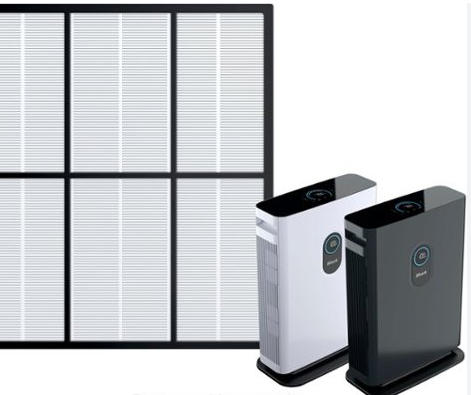
Electrostatic washable filters use positively and negatively charged surfaces to attract particles like a magnet. They are highly effective for dust and smoke but require periodic cleaning to maintain charge efficiency.
2. Metal Mesh Construction
These filters use layers of fine aluminum or stainless steel mesh to trap contaminants. They are rugged, washable, and ideal for challenging environments like chemical or food-processing plants.
3. Foam and Fiber Layers
Polyurethane foam or woven fiber filters are lightweight and flexible. They trap particles through physical entrapment and are commonly found in residential air purifiers.
4. Hybrid Filter Systems
Some modern systems combine washable filters with carbon or HEPA layers, balancing reusability with advanced purification. These hybrid systems often feature modular filter cartridges for easy maintenance.
Comparing Washable and Disposable Filters
While both have their advantages, understanding their differences can guide informed decisions.
| Feature | Washable Air Filter | Disposable HEPA Filter |
| Reusability | Reusable multiple times after washing | Single-use; must be replaced regularly |
| Cleaning/Replacement Cost | Minimal long-term cost | Continuous expense |
| Filtration Efficiency | Moderate to high (up to 95%) | Very high (99.97% of 0.3 µm) |
| Environmental Impact | Eco-friendly and waste-reducing | Generates significant waste |
| Maintenance Requirement | Requires regular cleaning | Maintenance limited to replacement |
| Lifespan | 3–10 years | Typically 3–6 months |
These distinctions highlight that washable filters provide a cost-effective, green alternative for general use, while HEPA filters remain essential for extreme filtration.
Key Considerations When Choosing a Washable Filter Purifier
Not every washable system is built the same. Before purchasing or integrating one, evaluate the following:
1. Filtration Efficiency: Assess whether the filter can handle the particle sizes in your environment.
2. Material Compatibility: For cleanrooms, select corrosion-resistant metallic filters compatible with sterile washing procedures.
3. Airflow and Pressure Drop: Ensure that the filter does not compromise system airflow, especially in large-scale HVAC or clean production facilities.
4. Ease of Cleaning: Removable, easy-to-rinse designs save time and minimize system downtime.
5. Certification and Compliance: Look for filters tested to ISO 16890 or EN 1822 standards to verify performance.
6. Operational Environment: Consider ambient humidity, chemical exposure, and airflow quantity when making design decisions.
For industries such as pharmaceuticals, Everheal's engineering team can customize purification systems combining washable and HEPA elements to meet client-specific sterility requirements.
Maintenance Guidelines for Optimal Performance
The efficiency and lifespan of washable air filters depend heavily on proper maintenance. Neglecting cleaning schedules can reduce performance and increase energy consumption.
- Routine Cleaning Frequency: Residential systems should be cleaned monthly, while industrial systems may require weekly maintenance.
- Drying Practices: After washing, ensure the filter is completely dry before reinstallation to avoid mold growth.
- Cleaning Methods: Use clean water and mild detergents; avoid solvents or strong chemicals.
- Inspection: Periodically inspect the frame and filter mesh for deformation or corrosion. Replace if damaged.
- Storage Conditions: If not in use, store filters in a dry, dust-free environment to maintain integrity.
Following these guidelines ensures long-term system reliability and consistent air quality.
The Importance of Air Purification in Pharmaceutical Facilities
In pharmaceutical production, air purity affects product safety, sterility, and compliance with Good Manufacturing Practice (GMP) standards. Any airborne contamination—be it microbes, dust, or vapors—can compromise quality.
Companies like Everheal integrate washable air filter systems into complete cleanroom and HVAC installations to maintain purity in environments such as:
- Water purification and injection systems
- Steam sterilization areas
- Filling and sealing machinery zones
- Distillation and packaging rooms
By combining reusable filtration with advanced automation, these setups maintain effective control while minimizing waste and cost—key priorities for globally focused pharmaceutical manufacturers.
Advantages in Modern Sustainable Design
Washable filters also align with the broader global trend toward sustainable industrial practices.
- Reduced Carbon Footprint: Reusable filters lower carbon emissions associated with manufacturing and transporting disposable filters.
- Resource Efficiency: Cleaning and reusing filters means less raw material extraction and waste processing.
- Corporate Responsibility: Adopting washable filters contributes to ISO 14001 environmental management goals, demonstrating a company's commitment to green operations.
As governments and organizations worldwide prioritize carbon neutrality, technologies like the washable air filter will become even more significant across manufacturing and infrastructure design.
Future Trends in Air Purification Technologies
The next generation of washable filtration systems is likely to merge smart technologies and advanced materials.
- Self-Cleaning Filters: Upcoming designs use vibration or air reverse-flow systems to automatically dislodge accumulated dust.
- Smart Monitoring: Integrated IoT sensors will track filter cleanliness, airflow rates, and energy consumption in real time.
- Antimicrobial Coatings: Some washable filters will feature silver-ion or UV-treated surfaces to prevent microbial growth.
- Hybrid Modular Systems: Manufacturers are developing modular systems that combine washable pre-filters and replaceable HEPA layers for customizable air quality management.
These innovations will further enhance the balance between efficiency, convenience, and sustainability.
Conclusion
To answer the initial question—yes, there are air purifiers with washable filters, and they're becoming increasingly popular across both residential and industrial sectors. They offer clear advantages in cost savings, sustainability, and operational ease while maintaining reliable air purification levels.
Although washable air filters may not fully replace HEPA-grade systems in ultra-sensitive environments, their role in everyday air management is undeniable. From home users seeking low-maintenance solutions to pharmaceutical manufacturers like Everheal integrating advanced washable filter systems into cleanroom infrastructure, the technology reflects a commitment to cleaner, more efficient, and environmentally responsible air purification.
FAQ
1. How long do washable air filters last?
High-quality washable filters can last from 3 up to 10 years, provided they are cleaned regularly and kept free of corrosion or structural damage.
2. Can washable filters remove smoke or odor particles?
While washable filters can trap large smoke particles, they are less effective for gaseous contaminants. Combining them with activated carbon layers improves odor removal.
3. Are washable filters suitable for cleanroom applications?
Yes, but typically as pre-filters. They remove larger contaminants before air enters HEPA or ULPA filtration stages, extending the overall lifespan of critical filters.
4. Do washable filters save energy?
Yes. Clean washable filters maintain smooth airflow, reducing strain on air purifiers or HVAC systems and consequently lowering electricity use.
5. What are the common mistakes when using washable filters?
The most frequent mistakes include reinstalling filters while damp, cleaning with harsh chemicals, or neglecting regular maintenance—all of which reduce effectiveness and may promote microbial growth.


