Content Menu
● How CPAP Humidifiers Work
● Why Distilled Water Is the First Choice
● What Happens When You Reuse Distilled Water?
>> Exposure Changes the Water
>> Microbial Growth and Biofilm
>> Mineral and Chemical Buildup
● Is Limited Reuse Ever Acceptable?
● Daily Best Practices for CPAP Water Management
>> Recommended Daily Routine
>> Weekly and Monthly Cleaning
● Why a Distillation Water Machine Makes a Difference
>> Core Functions of a Distillation Water Machine
>> Integration With CPAP Water Production
● Everheal's Role in Turnkey CPAP Water Lines
● Reuse vs. Fresh Distilled Water: What Really Matters
● When You Absolutely Cannot Avoid Reuse
● Conclusion
● FAQ
>> (1) How often should I replace the water in my CPAP machine?
>> (2) Can I reuse distilled water for one or two nights if it still looks clean?
>> (3) Is tap water safe if I boil it before using it in my CPAP?
>> (4) Why do manufacturers specifically mention distilled water instead of “purified water”?
>> (5) How can a clinic or brand produce its own CPAP‑grade distilled water?
Reusing distilled water in a CPAP machine is generally not recommended, because once water has been heated and exposed to air, it is more likely to be contaminated and can gradually damage your humidifier chamber. For safe, comfortable therapy, most users should empty the chamber daily, let it dry, and refill it with fresh distilled water—ideally produced by a high‑quality Distillation Water Machine designed for medical and pharmaceutical applications.
Everheal, a Chinese specialist in purified water systems, pure steam generators, Distillation Water Machine solutions, liquid filling and sealing machines, and sterilization equipment, helps global partners build complete, compliant lines for CPAP distilled water and related respiratory‑care products. By linking CPAP user needs with pharmaceutical‑grade water engineering, Everheal supports both home users and clinical facilities in maintaining higher levels of hygiene and device protection.
How CPAP Humidifiers Work
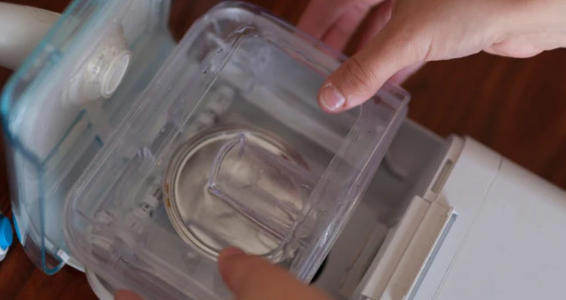
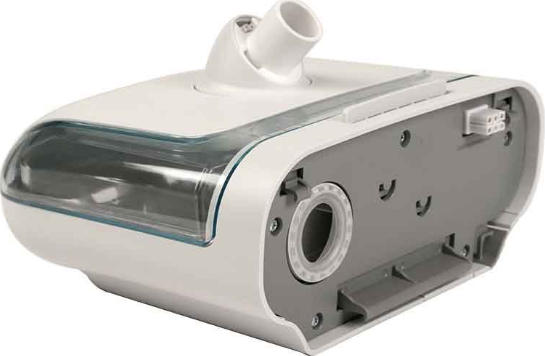
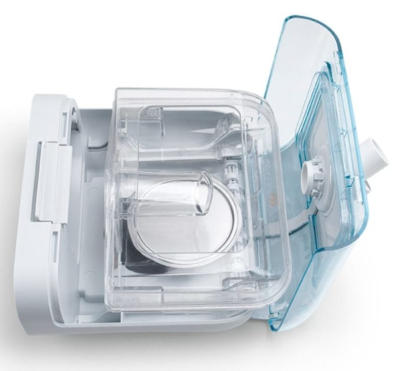
A CPAP (Continuous Positive Airway Pressure) machine keeps the airway open by delivering a constant flow of pressurized air through a mask, preventing soft tissues from collapsing during sleep. To counter dry nose, mouth, and throat, many devices include a heated humidifier that turns water into warm vapor and sends it along with the airflow to the patient.
Because this vapor is inhaled directly, the quality of the water in the humidifier chamber is critical. Any impurities, microorganisms, or residues in the water can reach the respiratory system, which is why guidelines consistently favor clean, low‑contamination water, with distilled water treated as the reference standard for routine CPAP use.
Why Distilled Water Is the First Choice
Distilled water is created by boiling water and condensing the steam, leaving behind most dissolved minerals, salts, and many other contaminants. This process sharply reduces hardness‑forming substances like calcium and magnesium that typically cause scale and cloudy deposits in household kettles and humidifiers.
For CPAP machines, using distilled water instead of tap or mineral water offers three major advantages:
- It minimizes scale buildup on the chamber walls and heating plate.
- It reduces the risk of discoloration, pitting, or early failure of plastic and metal parts.
- It avoids unnecessary exposure to minerals, treatment chemicals, and particles that are not ideal for aerosolized inhalation.
When distilled water originates from a pharmaceutical‑grade Distillation Water Machine, its purity and consistency are even better controlled, often meeting pharmacopoeial limits for conductivity and microbial load. After suitable storage and packaging, this water becomes an excellent base for CPAP humidifier use.
What Happens When You Reuse Distilled Water?
Exposure Changes the Water
Once distilled water is poured into the humidifier chamber, it is no longer protected by a sealed container. It is exposed to:
- Airborne dust and particles
- Contact with plastic or metal surfaces in the chamber
- Repeated heating and cooling cycles overnight
Over time, these factors can change both the chemical and microbiological quality of the water. Even if the water looked pure when it was first poured, reuse means you are now working with a mixture of distilled water plus whatever it has picked up inside the humidifier.
Microbial Growth and Biofilm
Warm, standing water is a good environment for microbial growth. Bacteria, fungi, and other microorganisms can enter the humidifier through the air or through contact with hands, the mask, or the environment. If the remaining water is reused night after night, microorganisms may multiply and form a biofilm on the surfaces of the chamber.
Biofilms can be difficult to remove, may cause unpleasant odors, and can increase the risk of inhaling microbial by‑products. For users with chronic respiratory disease, compromised immunity, or allergies, this is particularly undesirable. Regularly discarding leftover water and refilling with fresh distilled water is a simple way to reduce these risks.
Mineral and Chemical Buildup
Even distilled water can slowly dissolve trace components from plastics, silicone gaskets, or metal surfaces when heated repeatedly. If a user only “tops up” the chamber and never fully empties it, any dissolved residues can gradually concentrate as some water evaporates each night.
Over weeks or months, this practice can contribute to:
- Thin films or discoloration on the chamber walls
- More stubborn scale or residue on the heating plate
- Potentially shorter service life of the humidifier chamber
In contrast, emptying the chamber daily and using fresh distilled water controls the amount of material that can accumulate.
Is Limited Reuse Ever Acceptable?
In reality, some users reuse distilled water for a second night if they are traveling or cannot easily obtain fresh distilled water. For short, occasional situations, the risk may be lower if:
- The chamber and water look visibly clean
- The machine is stored in a relatively clean environment
- The user empties and washes the chamber as soon as practical
However, this should be seen as a temporary compromise, not a long‑term routine. Making a habit of reusing water week after week increases the chances of contamination and residue. The goal should still be to return to daily replacement with fresh distilled water as soon as possible.
Daily Best Practices for CPAP Water Management
Recommended Daily Routine
A practical, hygienic daily routine for CPAP water management usually looks like this:
1. Before bedtime, fill the humidifier chamber to the indicated maximum line with fresh distilled water.
2. After waking, remove the chamber from the CPAP device and pour out all remaining water instead of leaving it inside for the next night.
3. Rinse the chamber with clean distilled water or good‑quality purified water, then shake out the excess.
4. Air‑dry the chamber on a clean surface during the day, allowing moisture to evaporate naturally.
5. Inspect the chamber regularly; if you see stubborn film, cracks, or discoloration, follow the manufacturer's replacement guidance.
This simple pattern prevents water from sitting in the chamber for many consecutive days, thereby reducing both microbial growth and residue accumulation.
Weekly and Monthly Cleaning
In addition to daily emptying and drying, many manufacturers recommend:
- Washing the chamber with mild detergent and warm water periodically
- Rinsing thoroughly to remove soap residues
- Avoiding abrasive tools that might scratch internal surfaces
- Depending on the instructions, occasionally using diluted vinegar or another approved descaling method to remove mineral deposits
Even when using distilled water, this higher‑level cleaning helps maintain good hygiene and extends the service life of the chamber.
Why a Distillation Water Machine Makes a Difference
For individual home users, distilled water often comes from retail bottles. For hospitals, sleep clinics, or brands that want to sell CPAP‑grade distilled water, the question shifts to how to produce large volumes of high‑purity water in a reliable, economical way. This is where a Distillation Water Machine becomes vital.
Core Functions of a Distillation Water Machine
A pharmaceutical‑type Distillation Water Machine typically:
- Heats pre‑treated feedwater until it vaporizes
- Separates steam from any entrained droplets or impurities
- Condenses the purified steam into distilled water
- Controls temperature, pressure, and flow to ensure stable quality
- Monitors parameters like conductivity and temperature in real time
In many pharmaceutical plants, the same Distillation Water Machine is part of a larger purified‑water and Water for Injection (WFI) system, supplying multiple processes such as solution preparation, sterile washing, and pure steam for sterilization.
Integration With CPAP Water Production
For CPAP distilled water production, a Distillation Water Machine can be combined with:
- Raw‑water pretreatment (filtration, softening, reverse osmosis)
- Distillation and pure‑steam generation
- Storage and distribution loops with controlled temperature and circulation
- Liquid filling and sealing machines for bottles or bags
- Sterilization systems or cleanroom packaging lines
This integrated approach ensures that every step—from incoming feedwater to the sealed CPAP water container—is controlled under pharmaceutical‑style quality management.
Everheal's Role in Turnkey CPAP Water Lines
Everheal is positioned as a one‑stop partner for companies that want to build or upgrade CPAP distilled water capacity. Drawing on experience in pharmaceutical water engineering, the company offers:
- Purified water preparation systems for stable feedwater quality
- Pure steam generators for sterilization and high‑purity steam needs
- Distillation Water Machine solutions that meet international pharmacopeia standards
- Liquid filling and sealing machines for reliable, hygienic packaging
- Sterilization systems (such as autoclaves and sterilizers) to ensure product safety
Beyond individual pieces of equipment, Everheal supports customers with factory layout planning, pipeline routing, and production‑line integration. This helps ensure that the final CPAP water product is not only pure at the point of generation but remains stable and safe by the time it reaches the end user.
Reuse vs. Fresh Distilled Water: What Really Matters
When comparing reusing distilled water with using fresh water each night, the key issues are:
- Hygiene: Fresh water plus daily chamber emptying keeps microbial load lower than reusing standing water.
- Equipment longevity: Regularly removing water and using low‑mineral distilled water reduces scale and extends the life of the humidifier chamber.
- Respiratory comfort and safety: Fresher, cleaner water supports more comfortable inhalation and reduces risk for sensitive users.
- Supply reliability: A well‑designed Distillation Water Machine in the background ensures that clinics, brands, and filling operations always have enough high‑purity water to package.
From a risk‑management perspective, using fresh distilled water is a low‑effort habit that protects both the patient and the machine. Reusing water may save a few minutes, but it does not offer any health or equipment benefit and can gradually introduce avoidable problems.
When You Absolutely Cannot Avoid Reuse
If you are suddenly without access to fresh distilled water—perhaps during travel, extreme weather, or supply interruptions—you can take a few steps to reduce risks if you must reuse:
- Avoid letting water sit in a warm, closed chamber for many days.
- Rinse the chamber whenever you have access to clean water, even if it is not distilled.
- Store the device and chamber in as clean an area as possible, away from dust and direct sunlight.
- Return to fresh distilled water at the earliest opportunity.
For frequent travelers, planning ahead by carrying small bottles of distilled water or booking accommodation with access to distilled water (such as hotels familiar with CPAP needs or medical‑tourism providers) can help avoid this dilemma altogether. On a larger scale, travel and medical facilities can install compact Distillation Water Machine units to support CPAP users and other respiratory‑therapy devices on site.
Conclusion
Reusing distilled water in a CPAP machine might seem like a harmless shortcut, but over time it increases the risk of microbial contamination, film or scale buildup, and avoidable wear on the humidifier chamber. The safest, most widely recommended habit is simple: empty the chamber every morning, let it dry, and refill with fresh distilled water every night.
When that distilled water is generated by a robust, pharmaceutical‑style Distillation Water Machine, then stored, distributed, and packaged correctly, both home users and healthcare institutions gain greater confidence in the quality of the water that ultimately reaches the CPAP humidifier. By combining purified water preparation, Distillation Water Machine technology, filling and sealing equipment, and sterilization solutions into complete production lines, Everheal supports partners worldwide in delivering cleaner, safer CPAP water and more reliable sleep‑therapy experiences.
FAQ
(1) How often should I replace the water in my CPAP machine?
You should replace the water in your CPAP humidifier every day. After each night, empty any remaining water, rinse the chamber, allow it to dry, and refill with fresh distilled water before the next use.
(2) Can I reuse distilled water for one or two nights if it still looks clean?
While some people occasionally reuse water for a second night, this is not considered best practice. Once water has been heated and exposed to air, it can gradually become contaminated, so you should aim to use fresh distilled water each night whenever possible.
(3) Is tap water safe if I boil it before using it in my CPAP?
Boiling tap water can reduce microorganisms, but it does not remove minerals and may even concentrate them slightly. Those minerals still cause scale and deposits, so boiled tap water is not a full substitute for distilled water in CPAP humidifiers.
(4) Why do manufacturers specifically mention distilled water instead of “purified water”?
“Purified water” can be produced by several methods and may still contain some minerals, depending on how it is treated and stored. Distilled water has passed through a phase change that removes most dissolved substances, making it more predictable for sensitive equipment like CPAP humidifiers.
(5) How can a clinic or brand produce its own CPAP‑grade distilled water?
A clinic or brand can install a dedicated Distillation Water Machine along with pretreatment systems, storage tanks, and an automated filling line. Companies like Everheal provide turnkey solutions that integrate purified water preparation, Distillation Water Machine units, filling and sealing equipment, and sterilization systems into a complete, compliant CPAP water production line.


